

There is a sound you have not heard in years — maybe decades — and yet it has never fully left you.
Not a song. Not a voice you loved. A specific, particular sound: your name, read aloud into a microphone, carried across a gym or a stadium or a field on a cold Friday night, and received by a crowd of people who were, in that moment, waiting for it.
If you ever played — if high school athlete nostalgia lives anywhere in your body — you know exactly what this feels like. You know the particular quality of that PA system, the slight crackle at the high end, the way the announcer's voice bounced off the bleachers. You know the half-second between hearing your name and realizing the sound was yours to claim. You know what you did with your hands, where you looked, and how your chest felt when the sound hit.
That moment is still in there somewhere. This piece is for the people who carry it.
The Anatomy of a Starting Lineup Announcement
Most people who never played competitive sports would describe a starting lineup announcement as a procedural moment — the athletic equivalent of roll call. Names get read. Players take the floor or the field. The game begins.
What they cannot account for is what happens inside the body of the person whose name is being called.
There is a physiological sequence that athletes learn to recognize across years of competition. First comes the anticipatory stillness — the held breath in the tunnel, the hallway, the locker room corridor. Then the first name is read, belonging to a teammate, and your nervous system registers that the sequence has started. The countdown is real. And then, somewhere in the middle of that list, the announcer arrives at your name.
The sound of it is different when it is yours. This is not metaphor. The auditory processing that governs recognition of your own name is distinct from the processing that handles all other names — research in auditory selective attention has documented that the brain responds to self-referential stimuli with a measurably different pattern of activation. Your name, spoken in public, reaches you differently than any other word in the language.

For a high school athlete hearing their name over a PA system before a game, that neurological response is layered on top of months of practice, the specific weight of a uniform, the presence of people who came to watch, and the particular social reality of being seventeen years old and publicly identified as someone who belongs on that floor, that field, that court. That distinct neural signature is the root of the emotional pull of hearing your name over the loudspeaker — a pull that does not fade when the uniforms get packed away.
It is not a small thing.
What Public Recognition Does to a Teenage Athlete
There is a reason this memory stays.
High school is, for most people who lived through it, a sustained negotiation of identity. You are not yet the person you will become, but you are no longer the child you were. You are in the middle of assembling yourself — your interests, your relationships, your sense of what you are capable of — and almost none of it feels certain.
Sports cuts through that uncertainty in a specific way. When you are on a team, you have a position. You have a number. You have a name on a jersey, or at minimum a name on a roster that gets announced before games. Your identity is not ambiguous in the way it is in almost every other teenage context. You are number twelve. You are the point guard. You are the left midfielder. You are the person the announcer is about to name.
That specificity — the way athletic identity temporarily resolves the formlessness of adolescence — is part of what makes high school athlete nostalgia so persistent and so particular. You were not just a teenager watching other people live defined lives. You were defined. Publicly. In front of people who came to see you play.
Every former athlete remembers the first time they truly heard that. Not just processed the words, but felt the full weight of the public recognition: someone knows your name, someone read it aloud, and the people in the stands received it. That is a different kind of belonging than almost anything else a seventeen-year-old can access.
When the Announcer's Voice Becomes a Memory You Return To
Marcus T., 34, played varsity soccer in a small Ohio town where Friday night games were genuinely the center of the community's social life. He still describes the pregame announcements the same way every time he tells the story: "I remember the grass smell, the cold, the way the lights made everything look slightly unreal. And then my name came over the speaker and I remember thinking — this is actually happening. People are here for this." He has not played competitively since college, but he keeps his high school jersey. Not framed. Not in a case. Folded in a drawer where he can take it out and hold it when that particular version of himself feels far away.
The jersey is not nostalgia for the game. It is a physical object that anchors the memory of a specific identity — the one that existed before the complications of adult life layered over it.
This is the mechanism that makes high school athletic nostalgia different from general nostalgia. General nostalgia is diffuse — it attaches to a period, a feeling, an era. Athletic nostalgia is precise. It attaches to specific moments that had specific sensory signatures: the sound of the announcement, the weight of the uniform, the particular texture of the gym floor under your shoes, the sound the crowd made when your name joined the roster of people who had earned the right to play tonight.
You cannot recreate those moments. But something in the body still reaches for them — not precisely as sadness, but with the recognition that a version of you existed inside them that was real and complete and publicly known.
The Jersey Was Never Just a Piece of Fabric
Ask a former athlete what they remember about their uniform and you will rarely get a generic answer. They remember specifics.
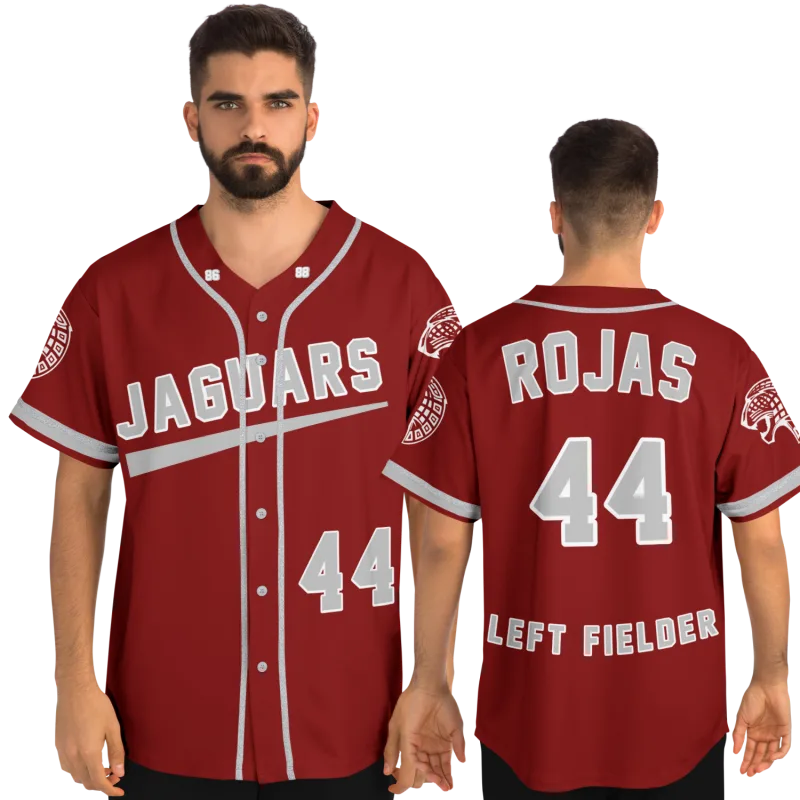
The number they chose or were assigned. The way the fabric felt on game day versus practice. Whether the name on the back was their last name or a nickname the team used. The first time they pulled it over their head and looked in a mirror and recognized themselves as an athlete — not an aspiring athlete, not a kid who came to tryouts, but an athlete with a uniform that proved it.
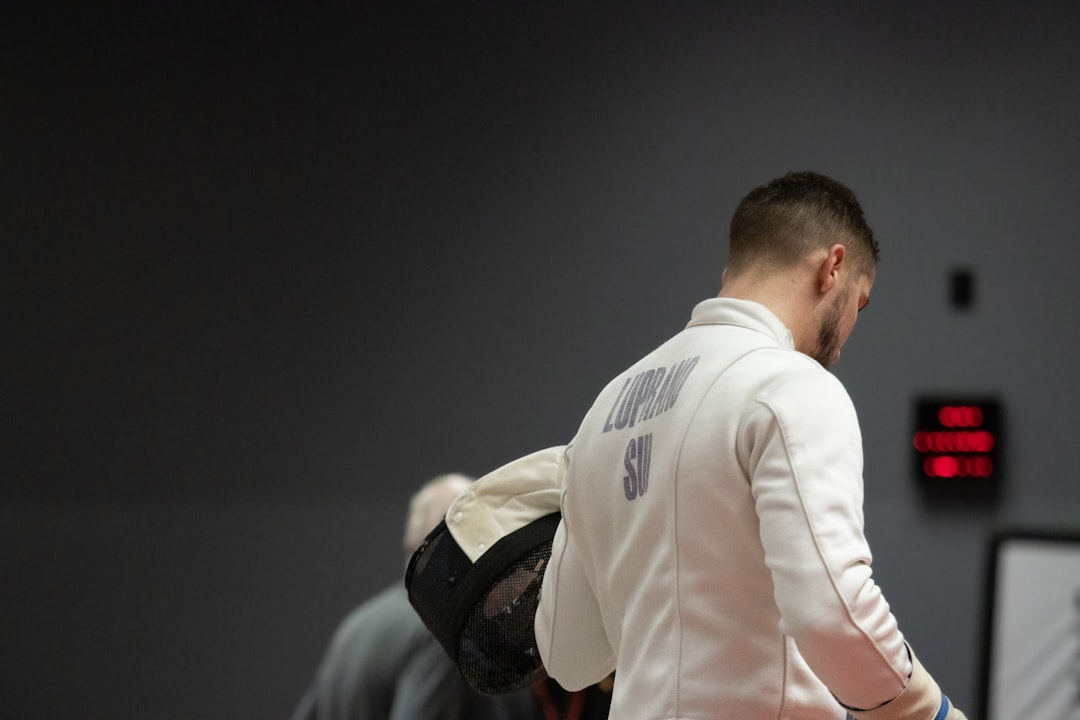
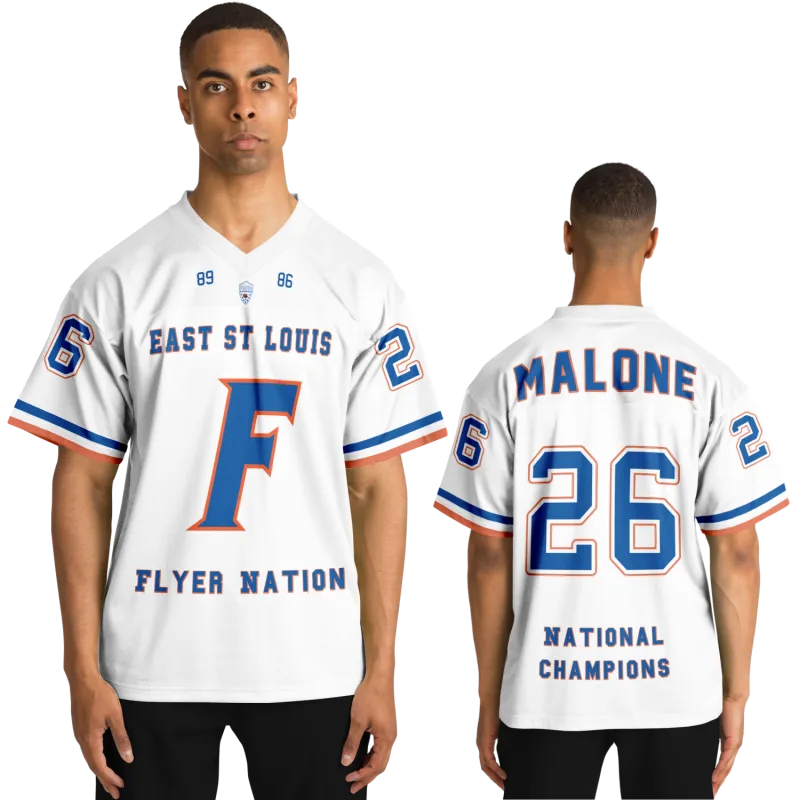
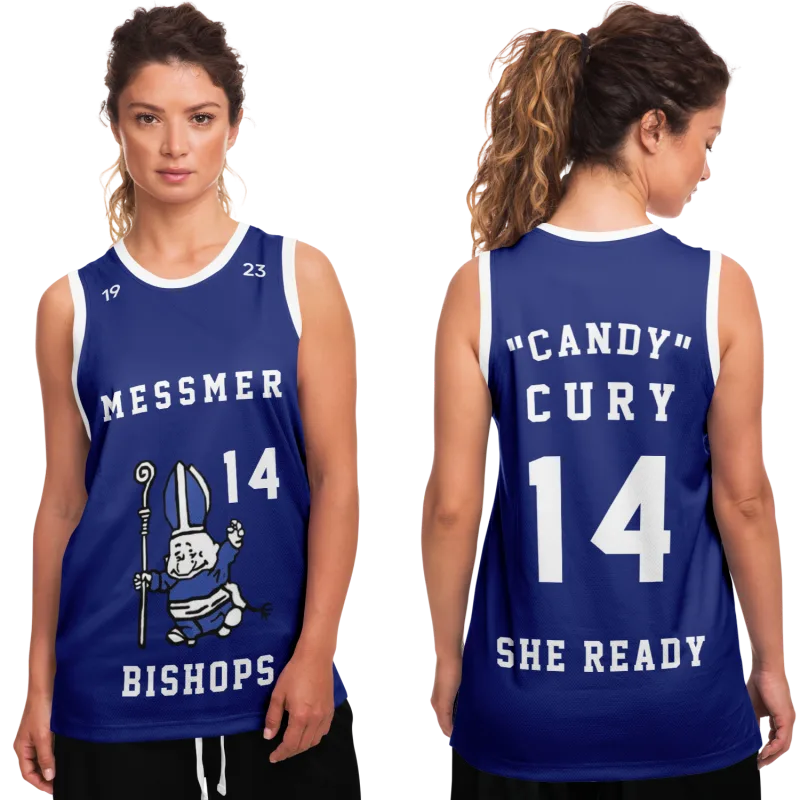
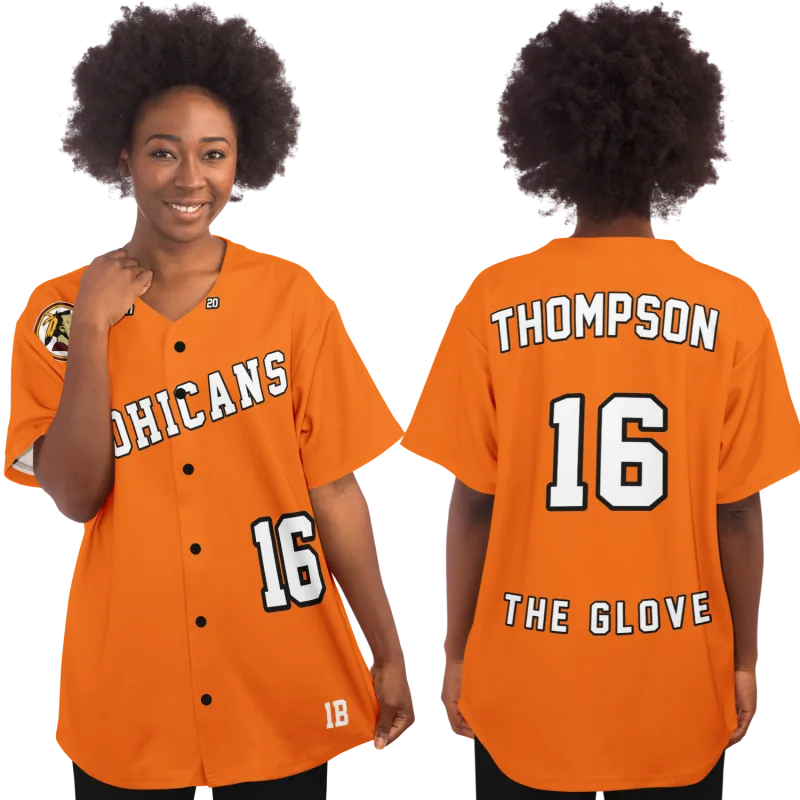
The jersey is the physical record of the announcement. It is what you wore when your name was called. It is what the crowd saw when you stepped forward. It is, in a very specific sense, the object that made the identity visible.
This is why former athletes hold onto jerseys long past any practical reason to do so. It is not sentiment for sentiment's sake. It is the recognition that the jersey is the closest physical object to the feeling of being publicly named — of being the person the announcer is looking for on the roster.
The number meant something specific. It was yours in a way that very few things in adult life are unambiguously, publicly yours.
What That Recognition Teaches You That You Are Still Using
Here is what the starting lineup announcement actually trained you for, whether you thought about it this way at the time or not.
It taught you to respond to your name with your whole body — not just to hear it, but to step forward, to present yourself, to be seen without shrinking. Most adults spend significant energy learning to do this in professional and social contexts. Athletes learn it at seventeen, with a crowd watching, under lights.
It taught you that recognition requires a record of effort. You were not on that roster by accident. You practiced. You competed. You earned the right to have your name read in that sequence. The announcement was public acknowledgment of private work — a transaction between what you put in and what the world gave back in return. That is a model for how meaningful recognition works that most people carry into every subsequent context of their lives.
It taught you what belonging to something larger than yourself actually feels like in the body. Your name was in a list of names. Your individual identity was woven into a collective one. The team was named, and you were one of the people the name contained.
And it taught you — this is the one that stays the longest — that there are moments when everything you have been working toward becomes, briefly and completely, real. The starting lineup announcement was one of those moments. It was a threshold. Before: aspiring. During: named. After: the game begins. There was never a guarantee of that moment — making the lineup was its own quiet suspense, resolved only when the coach finally posted it.
Former athletes recognize that structure everywhere after that. The job offer. The promotion announcement. The moment someone introduces you by a title you worked years to earn. The physiological response is quieter, more controlled. But the recognition is the same. Someone read your name, and the world received it.
The Specific Grief of the Last Announcement You Did Not Know Was the Last
If you played high school sports, there was a final game. A final announcement. A final time your name came over that PA system, was received by that crowd, meant that specific thing in that specific context.
You almost certainly did not know it was the last time when it happened. The one exception, for many, was the senior night ceremony — the final walk-out where you knew, in the moment, what was ending and tried to hold it.
This is one of the stranger edges of high school athlete nostalgia — the awareness, from the vantage of adulthood, that you were inside something irreplaceable without knowing that you were. That the last announcement arrived like every other announcement, and only later did you understand what it was.
Former athletes describe this in different ways. Some call it a loss. Some call it a gift — the argument being that knowing something is the last time can ruin the experience of it, and that being present inside the moment without grief is its own kind of completeness. Both are true, depending on the day.
What is universally true is that the memory becomes more specific with distance. Details that seemed unremarkable at the time — the precise pitch of the announcer's voice, the particular color of the gymnasium lighting, the teammate whose name came just before yours — acquire a precision in memory that they did not have in the moment. The brain has a way of preserving the things that mattered before you knew they mattered.
The starting lineup announcement is one of those things. It lives in you with the clarity of a photograph you never took.
Carrying the Former Athlete Forward
If you played, you know that the athlete you were does not disappear when the playing stops. It relocates.
It shows up in the way you compete at things that are not sports. In the way you prepare for high-stakes situations — the pre-meeting ritual that looks nothing like a warmup but serves the same function. In the way you respond to team language in professional settings, to the idea of a roster, a position, a role that is publicly yours.
The starting lineup announcement gave you something that cannot be revoked. It is not a credential. It is not on a resume. It is a somatic memory — a record in the body of what it felt like to be named, to step forward, to be seen.
That memory does not ask you to return to who you were at seventeen. It asks you to recognize that the person who heard their name called on those nights is still available to you. Still in here. Still capable of the clarity and presence that made stepping forward feel, for a moment, like the most natural thing in the world.
The announcer read your name. The crowd received it. You stepped forward.
Some part of you is still capable of that step.
Your jersey is still out there waiting.
Design yours in minutes and see your name and number exactly the way you remember it.
Frequently Asked Questions
Why does hearing my name in a crowd still give me a physical reaction years after I stopped playing?
The brain's processing of self-referential stimuli — including your own name spoken aloud — involves distinct neural pathways that activate even when attention is directed elsewhere. For former athletes, that response is amplified by years of conditioning: your name, spoken before a game, was consistently paired with elevated arousal, public recognition, and high-stakes performance. That association does not fully dissolve when the competitive context ends. The physical response you experience in adult life when your name is announced in a group setting is, in part, that old conditioning still active in the nervous system.
Is high school athlete nostalgia stronger for people who peaked athletically in high school?
Not necessarily — and the framing of "peaking" may be part of what makes this complicated. Many athletes who went on to play at higher levels report that high school nostalgia is actually more intense, not less, because the high school experience carried a specific quality of communal recognition and identity formation that collegiate or professional environments often do not recreate in the same way. The high school starting lineup announcement happened in front of people who knew you — your town, your family, your classmates. That specificity of witness is not always present at higher levels of competition. The nostalgia is often for the particular quality of being seen, not for the level of play itself.
What is it about the jersey specifically that holds so much emotional weight for former athletes?
The jersey functions as what psychologists call an associative anchor — a physical object that stores and retrieves an emotional state. When you wore your jersey during meaningful competitive experiences, the sensory properties of the object became associated with the emotional states of those experiences: the arousal, the recognition, the belonging, the specific identity of being an athlete on a named team. Years later, the object retains that associative charge. Holding or seeing the jersey does not merely remind you of those experiences — it partially reconstructs the emotional state, which is why former athletes often describe the feeling of seeing an old jersey as more immediate and visceral than viewing photographs from the same period.
How do I explain to people who never played sports why this kind of nostalgia feels different from other kinds?
The most direct way is this: most nostalgia attaches to experiences that happened to you. Athletic nostalgia attaches to a version of yourself that was publicly named and witnessed — a self that existed in the presence of other people who received your identity in real time. The starting lineup announcement, the jersey with your name and number, the crowd that knew which player you were: these are not just memories of experiences. They are memories of being publicly known in a specific, defined way. That kind of witnessed identity is rare in most lives. When it ends, something particular goes with it — and the nostalgia is for that specific quality of being seen, not just for the sport itself.
See also: the psychology of athletic nostalgia | why your senior season memories are so vivid | what losing your athletic identity really felt like | still dreaming about high school games years later