


Ask any former athlete their number.
Not what team they played for. Not what position. Not what year. Just — what was your number?
Watch what happens. There is no pause. No searching. No "let me think." The number comes out immediately, cleanly, the way your own birthday comes out, the way your childhood phone number still surfaces without effort decades after you last dialed it. The athlete jersey number meaning isn't something most players ever sit down to analyze. It doesn't need analysis. It lives in a part of memory that doesn't require conscious retrieval, because it was never stored as a fact. It was stored as identity.
That's a different kind of remembering entirely.
The Number That Wasn't Chosen: It Was Assigned
Most athletes didn't pick their first number. A coach handed it to you. A manager pulled a jersey off a shelf. The equipment room had what it had. You got what you got.
And yet.
Within a season, sometimes within weeks, that number stopped being assigned and started being yours. Not in a proprietary sense. In a deeper one. The number on the back of your jersey was the first public symbol attached specifically to you in the context of your full, physical, competitive self. Not a nickname someone gave you. Not a username you created. A number that showed up on the scoreboard, on the roster sheet, on the back of your back when you ran onto the field.
If you played, you know exactly what that felt like the first time you put it on.
There's a particular kind of self-consciousness that comes with wearing a number in competition for the first time, an awareness that this digit is now visible to everyone watching, that it's the thing that identifies you to people who don't know your name yet. And then something shifts. The number stops feeling like something pinned to you and starts feeling like something that belongs to you. You stop seeing it and start being it.

Psychologists who study athletic identity have a term for this process: the "jersey effect" describes how uniforms, and the numbers on them, function as symbolic extensions of the self during competition. Research on athletic identity consistently shows that uniform elements, including numbers, become integrated into an athlete's self-concept in ways that outlast active competition by decades. The number grew from a label into a landmark in the formation of who you understood yourself to be.
What the Number Actually Represented
Here is what your number carried that nothing else in your athletic life quite matched.
It was permanent for the duration. Your performance changed. Your role on the team evolved. Your relationship with your coach had seasons of its own. But the number stayed. Through the best game of your career and the worst. Through injuries and breakthroughs and the long stretches of ordinary practice days where nothing felt significant but something was always being built. The number was the constant thread.
It was public in a way your effort wasn't. Your work ethic lived in practice. Your mental game lived between your ears. Your relationships with teammates lived in the locker room. But your number was visible from the stands. It was the face of your competitive self, the symbol that spectators, opponents, and scouts attached their observations to. "Watch number [yours]" meant something different from any other way of being recognized in athletic competition.
In the sports where a face is hidden — football, hockey, lacrosse — that visibility is even more total. When teammates, opponents, and fans can't read your expression, the number on your back becomes the primary way they know who you are and what you did. A whole game, a whole season, a whole career can be remembered through a set of digits moving across a field or a rink. Take the helmet off and the number is still what people reach for first when they try to describe the player they watched.
It organized how you thought about yourself. Ask former athletes to describe their playing years and most of them will default to number-centric framing without realizing it — "when I was wearing [number]," "back when I had [number]," as if the number is the container for the entire era. That's not coincidence. The number functioned as a mental filing system, a header for the chapter of life that was lived in competition.
It connected you to lineage. Whether you were handed a number that a great player had worn before you, or whether you carried a number that became meaningful because you wore it, the jersey number placed you inside a larger story. Numbers retire in championship programs — and when a high school retires a jersey number, it is never a purely ceremonial act. It is a statement about who and what the program considers worth remembering. Numbers get requested by incoming players who want to honor a tradition. Numbers get passed between brothers and fathers and sons. The digit carries history, and every athlete who wears it adds to that history.
Every Former Athlete Remembers the Moment It Became Real
There's a specific instant (most former athletes can place it with unusual precision) when the abstract fact of the number became a felt reality.
For some it's the first time a stranger in the stands yelled it. For others it's seeing it on a printed roster for the first time, in black and white, next to your actual last name. For others it's the moment a teammate in a critical game calls it out (not your name, your number) because in the heat of competition, the number IS the name.
Maria C., 38, played Division II volleyball for four years and was handed number 14 as a walk-on freshman. "I almost asked to change it," she said. "Fourteen felt too close to ten. I wanted something fiercer." By her sophomore year she'd stopped thinking about it entirely. It was just hers. When she graduated, she attended a home match the following season and found herself scanning the back of the new libero's jersey before she'd even found her seat. The number was wrong. She felt the absence like a small physical thing. "Which was insane," she laughed. "It was never mine to keep."
Except that's the point. It was never hers to keep, and she still felt the pull of it years later. Sentiment alone doesn't produce a pull like that. What she felt was the signal of genuine identity formation.
Why You Remember It Without Thinking
The mechanism behind this kind of effortless recall is worth understanding, because it tells you something true about the kind of experience competitive athletics actually is.
Memories that require effort to retrieve are stored as declarative facts: things you learned, things you were told, things you studied. The effort of recall is the effort of accessing storage.
Memories that surface without effort are typically procedural or identity-based: things that became part of how you functioned, not just what you knew. Your number falls into this second category because it was encoded during high-stakes, emotionally charged, physically embodied experience. Competition is one of the most effective encoding environments the human mind encounters. The combination of physical arousal, emotional investment, social visibility, and repeated reinforcement creates memory that doesn't fade the way ordinary information does.
You remember your number the way you remember how to ride a bike. Not because you reviewed it — because you lived it until it became part of the system that runs without conscious direction. None of that was built in games. It was built in the thousands of repetitions nobody ever saw — the early mornings, the empty cages, the drills you ran until your hands knew them without you.
Ask former athletes across sports and decades and the number is almost always the first piece of athletic identity that surfaces in conversation — before the sport, before the team name, before the coach. Ask someone where they played and they might need a moment. Ask them what number they wore and the answer is already out.
Numbers That Carried More Than Digits
Some numbers come with weight that has nothing to do with the individual athlete's history.
Certain numbers have achieved near-universal significance in sport — not because of the number itself but because of who wore it with enough brilliance that the association became permanent in the cultural memory of the game. When a young player requests a number that a legend once wore, something specific is happening: they are not claiming to be that player. They are claiming to be someone who takes that tradition seriously enough to carry it. The number becomes an aspiration made visible.
Other numbers carry weight in smaller, more local ways. The number your older sibling wore at the same school. The number your father wore in the same league. The number worn by the teammate you lost. These aren't famous numbers. They're personal ones. And personal weight is often heavier than famous weight.
Then there are the numbers athletes choose when they finally get to choose — the first time you were given a roster spot and told to pick. That choice reveals something. Players who pick a number for superstitious reasons and players who pick it for lineage reasons and players who pick it simply because it felt right in their hands — they are all making the same kind of decision: they are choosing who they want to be identified as.
There is another kind of choice, and it may say the most about the athlete making it: picking a number precisely because people underestimated you. The player who grabs zero, or some odd number nobody else wanted, is not reaching for a symbol of status. They are making a statement. They counted me out? Watch what I do with this. The number becomes a chip on the shoulder made visible — a public claim that the ranking, the cut list, and the scout's shrug had all gotten it wrong.
That is the other half of number meaning, and it runs opposite to the superstition and lineage stories. It is not about carrying a legacy or dodging bad luck. It is about believing the number has no power of its own until the athlete supplies it. Zero is the purest version of that idea. Worn by a player who felt counted as nothing, it turns into a dare: I'll make this digit mean something by the time I'm finished.
The athlete jersey number meaning, in its deepest form, is this: the number is the first symbol you were ever given that said this is you, specifically, in competition. Before sponsors. Before jerseys with names on the back. Before social media profiles. Before any of the ways we now curate athletic identity — there was a number on a back. That's all there was. And it was enough.
What Former Athletes Do With That Meaning
The number doesn't stop mattering when the playing stops. It just migrates.
Some athletes retire and find their number surfacing in unexpected places: phone numbers, addresses, car plates, passwords. Not deliberately. Just: when a number needs to be chosen, the hand reaches for the familiar one. The number is still operating as default identity even when the sport that generated it is a decade or more in the past.
Others find that the number becomes a way of marking the transition. There's a specific kind of grief that comes with retiring from competition: not dramatic grief, but the particular quiet loss of an identity that had structure and external validation. The jersey number is often the focal point of that loss, because it was the most concrete external marker of the athletic self. When the number stops being yours in any official sense, something shifts in how you carry the years it represented.
And some former athletes find ways to bring it forward.
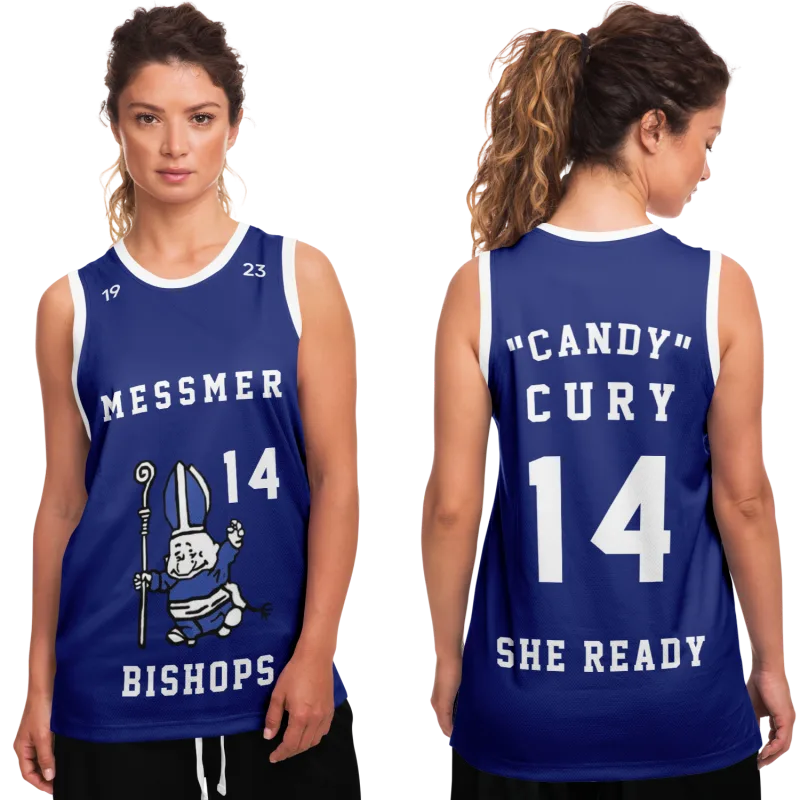
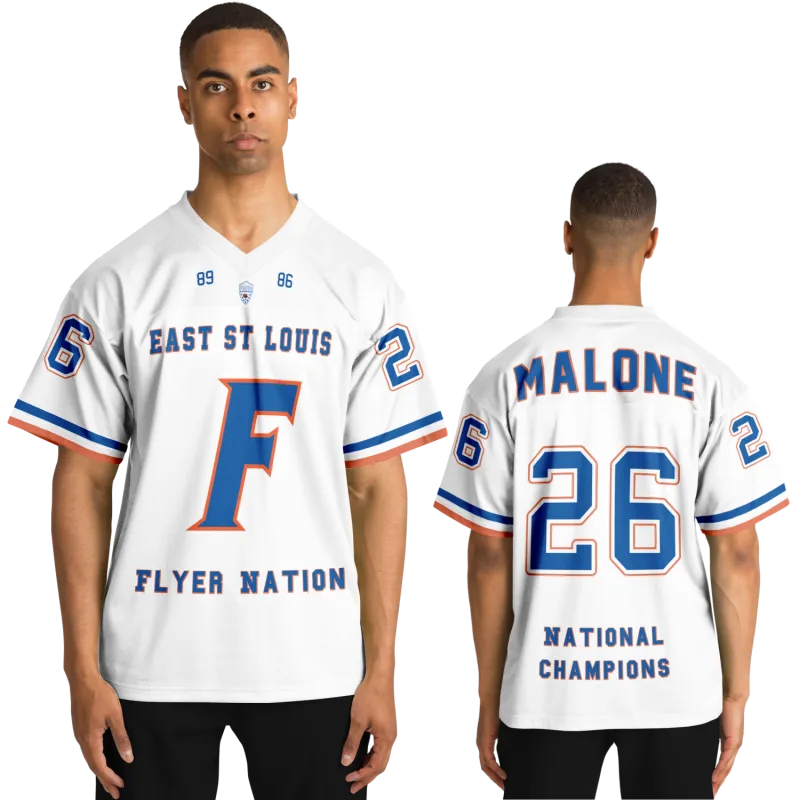
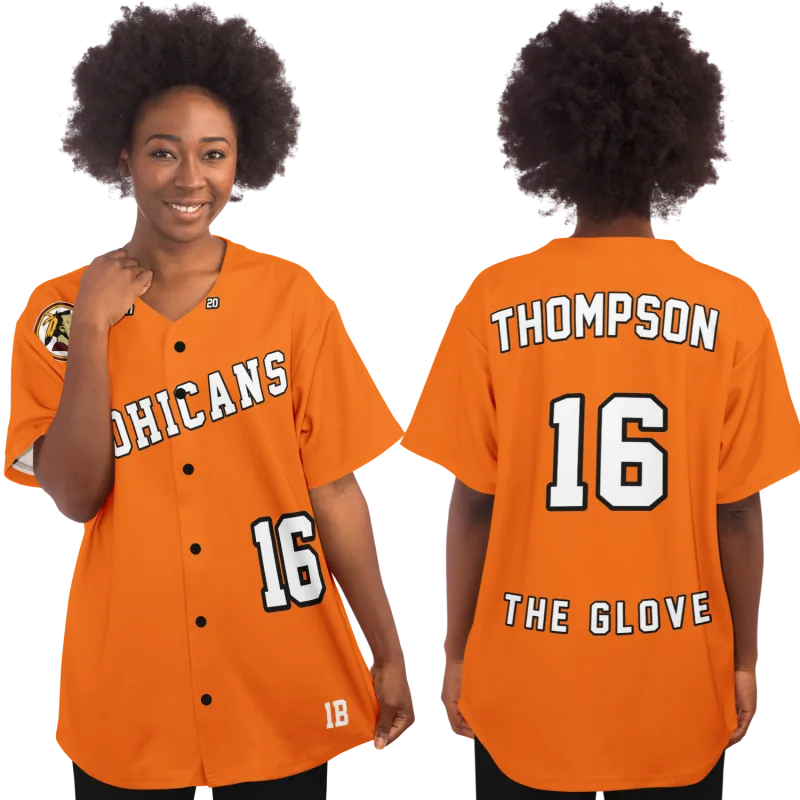
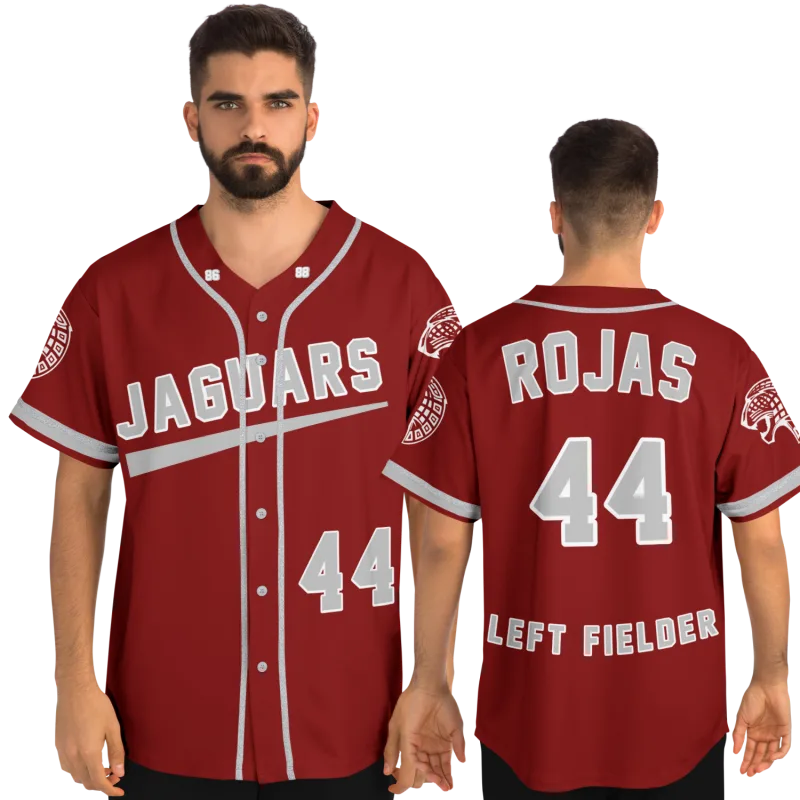
The custom jersey — reproducing your number, your name, your sport, your team colors, the design you remember from your playing years — is a deliberate act of identity preservation rather than nostalgia in the passive sense. It says: this chapter of my life was real, it mattered, and I'm not going to let the physical evidence of it disappear. The jersey becomes the artifact of a self that still exists, even if it no longer competes.
Our team hears this regularly from former athletes who've designed their jerseys through iPlayedFor: the number is always the non-negotiable. Everything else (the colors, the font, the name placement) is detail. The number is the first decision, made without hesitation, the same way it always was.
The Number Is Still Yours
Here is the thing about identity formed in competition: it doesn't expire.
You may not have played in fifteen years. You may have traded early mornings at practice for early mornings at a job, a family, a different kind of life that is full and real and yours. The version of you that wore that number is not the only version of you. But it is one of the true ones.
The number you wore during your playing years marked a period when you showed up, put in the work, competed under pressure, and found out something real about who you were. That's not a small thing. That's not a phase to be grown out of. That's a chapter that deserves to be honored. It was never just a digit. What a jersey number says about you usually runs far deeper than you understood while you were living it.
The athlete jersey number meaning, finally, is this: you were someone specific on that field, on that court, on that ice. The number was the proof. And proof like that doesn't stop being true.
Your jersey is still out there waiting.
Design yours in minutes and see your name and number just the way you remember them.
Frequently Asked Questions
Why do athletes feel so attached to their jersey numbers?
Jersey numbers are encoded during high-stakes, emotionally intense competitive experiences — one of the most effective memory formation environments the human brain encounters. The number isn't stored as a fact but as identity, the same way procedural skills are stored. It becomes part of how athletes understand their competitive self, not just a label applied to them. That encoding persists long after active competition ends.
Is it common to remember your jersey number decades later?
Extremely common. Across sports and competitive levels, former athletes recall their jersey number immediately and without effort regardless of how many years have passed. The combination of physical, emotional, and social reinforcement during competition creates identity-level memory that doesn't require periodic review to maintain. The number is typically among the first pieces of athletic identity that surface in conversation.
What does it mean when athletes choose a specific number?
When given the choice, number selection is almost always meaningful — whether drawn from superstition, family tradition, tribute to a respected player, or simply an intuitive sense of fit. The choice reveals something about the athlete's self-concept and aspirations. Players who inherit a number previously worn by someone they admired are consciously accepting a connection to that legacy. The selection process, even when seemingly casual, is one of the first acts of athletic identity construction.
Can you get a custom jersey made with your old number?
Yes. iPlayedFor specializes in custom jerseys for former athletes — built around your name, your number, your sport, and your team's colors, just the way you remember them. The number is always the starting point. You can start designing your jersey here and see your name and number together again in minutes.
Why do some athletes feel loss when their number is retired or reassigned?
Because the number functioned as a concrete external marker of their athletic identity — the most publicly visible symbol of who they were in competition. When that number is reassigned or officially retired (even in tribute), it marks a boundary between active and former status that can feel surprisingly significant. It's not irrational. It's the natural response to the loss of an identity anchor that was genuinely meaningful during formation.
See also: why personalized details like a number hit differently than generic gifts | the psychology behind why athletic memories stay so sharp decades later | how identity wraps itself around the athlete you used to be | what high school sports leave behind that nothing else really can