

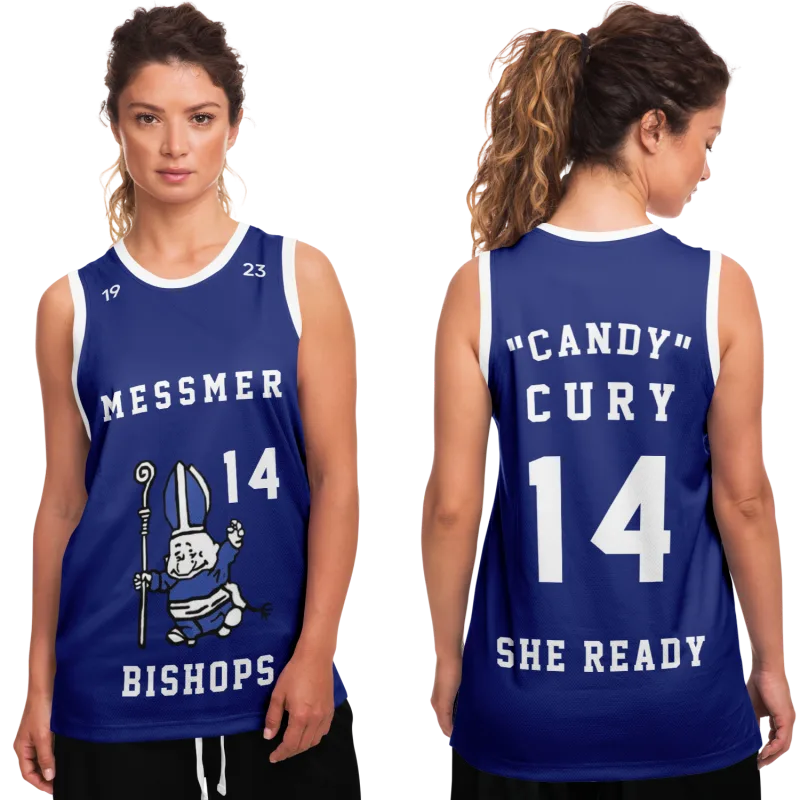
You already know this person doesn't need another gift card.
They played for something. They wore a number. They had a coach who said the right thing at the right moment, a team photo buried in a box somewhere, a season that still comes up in conversation at family dinners twenty years later. Finding meaningful gifts for former athletes isn't about price — it's about recognition. It's about saying: I know who you were, and I haven't forgotten.
That's a completely different kind of gift.
This list exists because the generic options — the sports-themed socks, the stadium-print blanket, the "Greatest Dad" trophy — don't touch that. They acknowledge the sport without honoring the player. The ten ideas below do the opposite. Each one is built around the specific emotional weight a former athlete carries about their playing days, and each one gives that weight a place to live.
The Gift That Hits First: A Custom Jersey with Their Old Number
Nothing else on this list lands the same way.
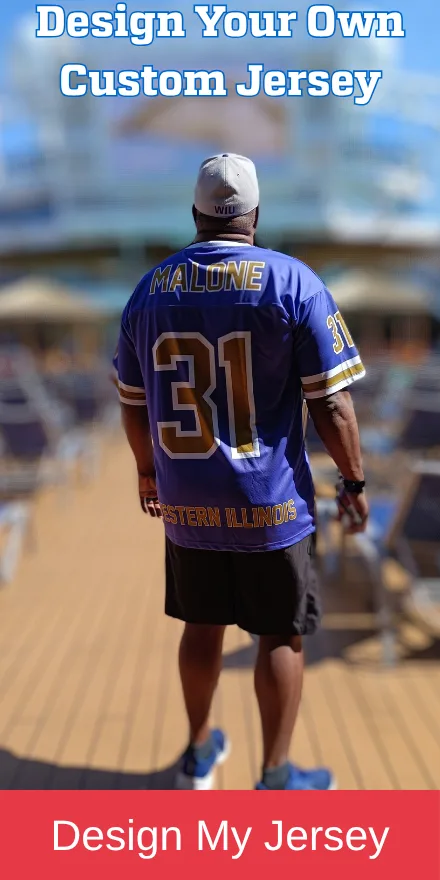
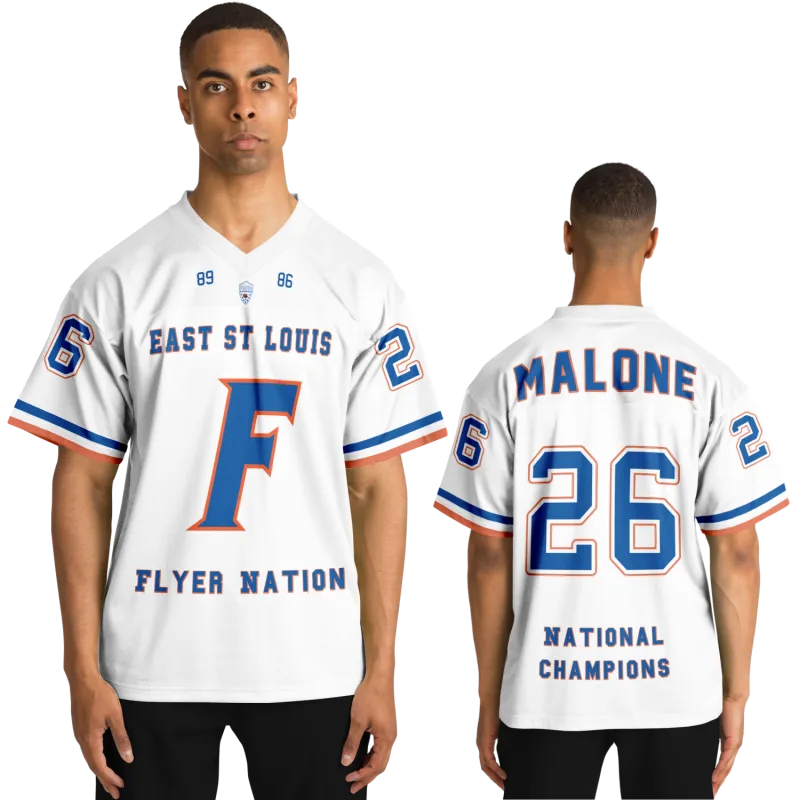
A custom jersey bearing the name they played under, the number they wore, the colors of their school — that's not merchandise. That's a statement. It says: your playing days mattered enough for someone to recreate them with intention.
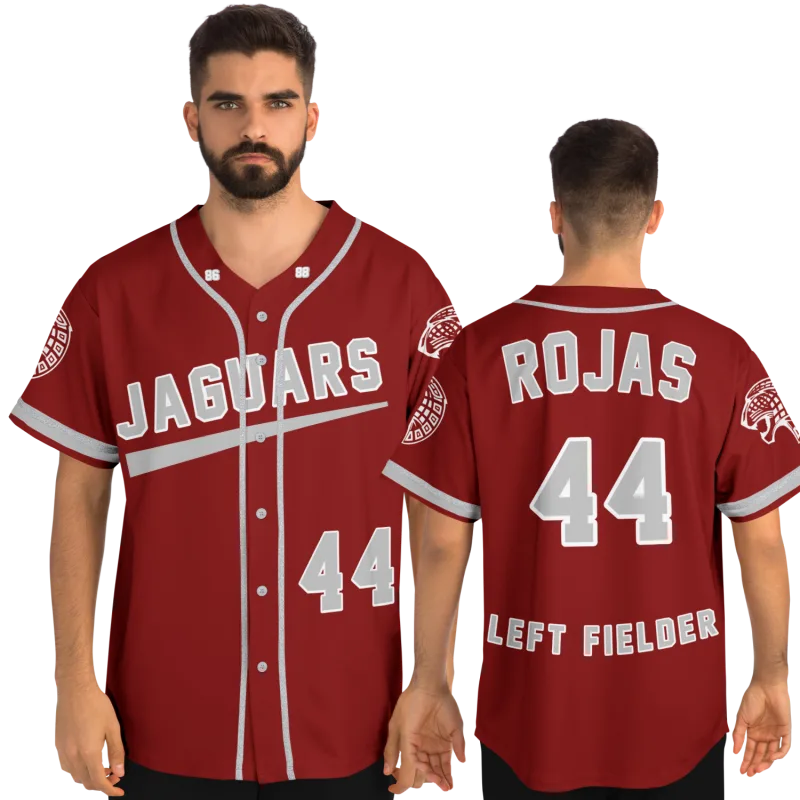
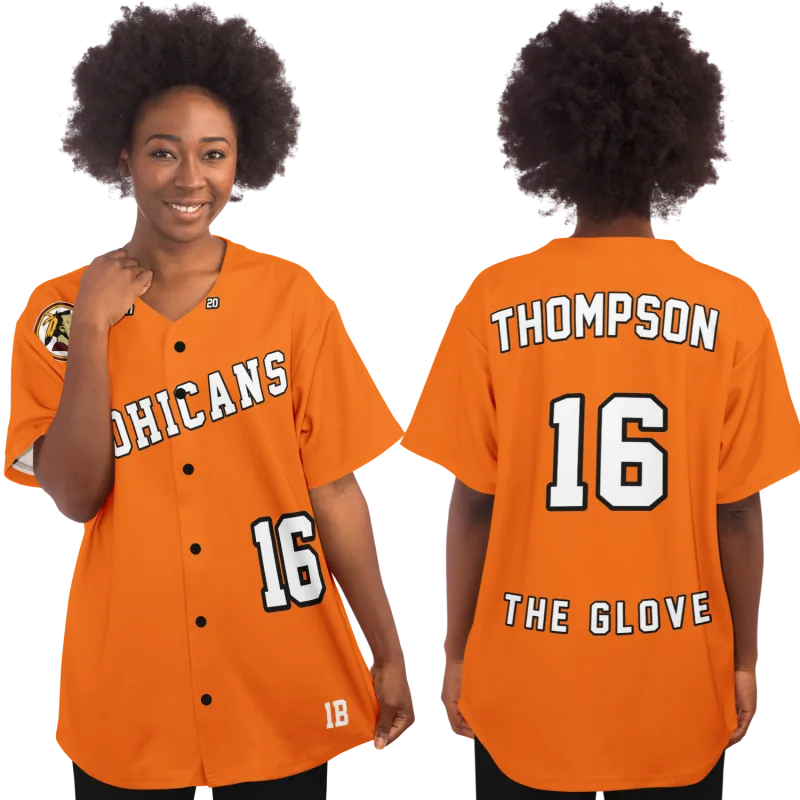
iPlayedFor builds these jerseys specifically for former athletes — not current teams, not fan gear. Their design process lets you input the athlete's name, number, sport, and school colors to create something that mirrors what they actually wore. The result isn't a souvenir. It's a piece of identity, re-materialized.
In our experience, this is the gift that gets photographed and shared the day it arrives. It goes on the wall of a home office, gets worn to alumni events, shows up in Instagram posts captioned with nothing but the year they graduated. It carries weight in a way that objects rarely do.
The reason it works emotionally isn't complicated: most former athletes quietly grieve the jersey. When they graduated, aged out, or moved on, they left that number behind. This gives it back.
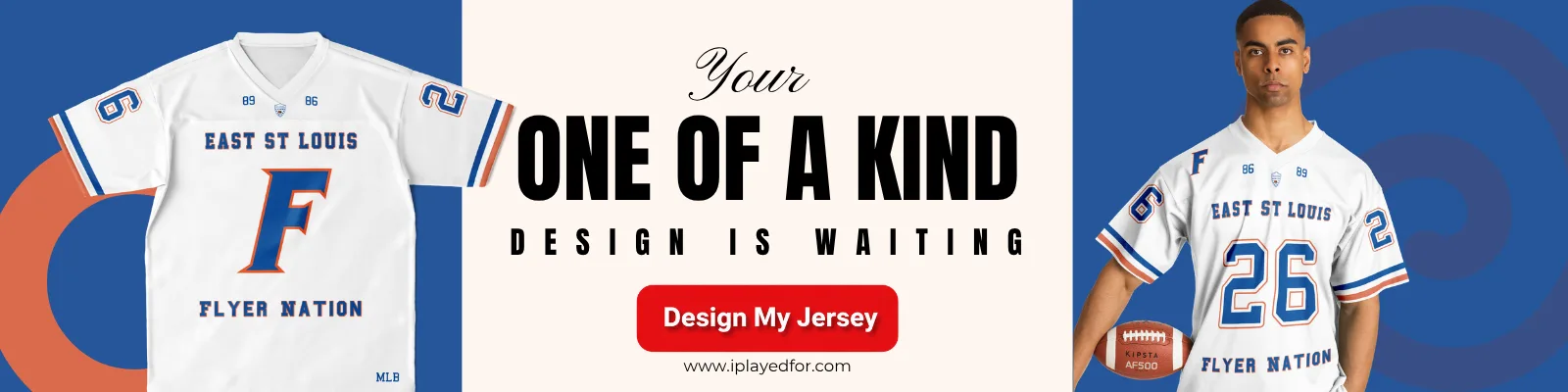
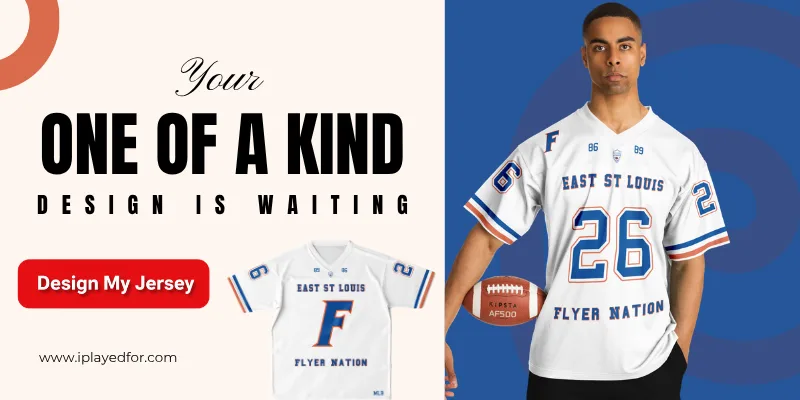
Start Designing Their Jersey →
10 Meaningful Gifts for Former Athletes (And the Emotional Logic Behind Each)
1. Custom Jersey with Their Name and Number
Already covered above — but worth stating plainly: this is the anchor of the list because it's the most complete emotional statement of all ten options. If you're giving one gift, give this one.
2. A Shadow Box of Their Playing Days
A shadow box turns scattered memorabilia into a curated story.
The jersey patch, the game program, the team photo, the MVP ribbon from the tournament they still talk about — assembled together behind glass, they become a timeline rather than a pile of stuff in a storage bin. You can build one yourself with a shadowbox frame from any craft store, or commission one through Etsy sellers who specialize in sports memory displays.
What makes it meaningful is the curation. You're not just preserving objects. You're making an editorial decision about which moments from their athletic career deserve to be on the wall permanently. That decision communicates something.
What to include:
- A smaller version of their jersey or a jersey patch
- Their number printed or embroidered on card stock
- A photo from their best season
- Any awards, ribbons, or clippings that meant something at the time
3. Team Photo Restoration
Old team photos exist in two states: faded and forgotten, or restored and displayed.
Digital restoration services — available through professional photo editors on platforms like Upwork or through specialty services like ScanMyPhotos — can take a cracked, yellowed, water-damaged team photograph and return it to something frameable. For a group gift from former teammates, this is especially powerful. Everyone in that photo benefits.
The emotional logic: team photos represent belonging. The athlete didn't just play a sport — they were part of something. Restoring that image restores the memory of the group, not just the individual.
4. A Personalized Stadium Seat Plaque
Several services allow you to purchase a retired stadium seat or a customized plaque designating "their seat" in the venue where they played or watched their sport.
For former college athletes especially, this lands hard. The stadium where they played is a physical place that still exists — they can visit it, take their kids there, point to the section and say that's where we ran out for warmups. A plaque or dedicated seat makes that connection official.
Check the alumni services office of their school. Many Division I and II programs have formal seat dedication programs. For high school athletes, some districts have introduced similar programs for renovated facilities.
5. A Coach Letter Compilation
This one requires effort. That's why it matters.
Reach out to their former coaches — high school coaches, club coaches, the JV coach who gave them their first real chance — and ask them to write a short letter about the athlete. What they remember. What stood out. What they told other players about this kid when they weren't in the room.
Collect the letters. Have them printed and bound in a simple booklet, or frame the most significant one.
The reason this gift is disproportionately powerful: athletes almost never hear what their coaches actually thought of them. The feedback loop in competitive sports is mostly corrective. A letter that says here's what I saw in you that I never told you directly is, for many former athletes, something they've wanted for decades without knowing how to ask for it.
Our team has seen this gift described as "the thing I'll keep forever" more than any other item on this list — including the jersey.
6. A Sports Career Timeline Print
Graphic designers on Etsy and Canva-based custom shops can build a visual timeline of an athlete's career: the year they started, every team they played for, championships won, positions played, and a closing line marking when they hung it up.
It reads like a career retrospective — because it is one. For athletes who played through high school and into college or semi-pro, seeing the whole arc laid out is often the first time they've seen their athletic life as a complete story rather than a series of disconnected seasons.
This gift works especially well as a retirement gift for athletes who've just finished their final competitive season and are processing the transition.
Marcus T., 34, played four years of varsity basketball and walked on at a Division III program before graduating. His sister gave him a career timeline print for his birthday the year after he stopped playing. He called her the same day it arrived. "I forgot I'd done all of that," he told her. "Seeing it all in one place was different."
7. A Custom Sports Portrait or Illustration
Commission an artist to create a portrait of the athlete in their playing days.
This works best when sourced from an action photo — something from a game, a tournament, a moment that captures how they moved in the sport. Portrait artists on Etsy who specialize in sports illustration can work from a single photograph and produce something that looks like it belongs in a sports hall of fame.
The emotional distinction between a photo and a portrait: a photo documents. A portrait commemorates. When someone sits for a portrait — or has one commissioned on their behalf — it signals that their story deserved to be rendered, not just recorded.
8. A Framed Newspaper Clipping (Original or Recreated)
If they had a moment that made the local paper — a championship win, a record-setting game, a feature story in the high school sports section — that clipping is worth framing. Original copies can often be found through newspaper archive services or the local library's microfiche collection.
If no original exists, several services specialize in creating period-accurate newspaper-style prints featuring the athlete's name, statistics, and a photo. The production quality is high enough that the framed result reads as a genuine artifact rather than a novelty item.
Two scenarios where this gift works best:
- The athlete had a documented moment of public recognition during their career
- You're creating something for a milestone birthday (40th, 50th) when their playing days are far enough back to feel genuinely historic
9. A "Final Season" Photo Book
Pull together every photo you can find from their last year of competitive play — team photos, action shots, sideline moments, postgame celebrations — and build a photo book through Artifact Uprising, Chatbooks, or Shutterfly.
The title matters. Don't call it "Senior Year" or "[Sport] Memories." Call it The Final Season or [Year]: The Last Run. That framing honors the finality of what they went through — the transition out of competitive sport is real and often underacknowledged. A book that treats their last season as something worth documenting in full says: this ending mattered.
10. An Experience That Reconnects Them to the Sport
Not every meaningful gift is an object.
A pitching lesson with a former pro, a one-day skills camp in their sport, courtside tickets to a game in the league they grew up watching, a session at an Olympic training center — these gifts don't just acknowledge their history. They plug them back into the thing they loved.
The emotional logic here is different from the other nine. Instead of honoring the past, this gift activates something dormant. For athletes who miss the physical experience of their sport more than the recognition, this lands hardest.
This works especially well for:
- Athletes who stopped playing due to injury and still carry some unfinished feeling about the sport
- Former athletes who have kids now getting into the same sport — the experience can become something they share
- Anyone approaching a milestone birthday who's been saying "I should get back into it" for years
The Difference Between a Good Gift and an Unforgettable One
Every item on this list has something in common: it requires you to know something specific about the athlete.
The jersey requires their number and their school. The shadow box requires knowing which season meant the most. The coach letter requires tracking down someone from their past. That effort is half the gift — maybe more than half. When a former athlete receives something that could only have been made for them, by someone who paid attention, it communicates something no price tag can.
Generic sports gifts signal that you knew they played. These gifts signal that you remember.
That's the whole difference.
Your jersey is still out there waiting.
Design yours in minutes and see your name and number exactly the way you remember it.
Frequently Asked Questions
What makes a gift meaningful to a former athlete versus just sports-themed?
A sports-themed gift acknowledges the category. A meaningful gift acknowledges the specific person and the specific career they had. The difference is personalization with intention — a jersey with their actual number, a photo from their actual season, a letter from their actual coach. Anything that could be given to any athlete isn't meaningful. Anything that could only be given to this athlete is.
What's the best gift for a former high school athlete who didn't play in college?
The custom jersey and the career timeline print both work especially well here, because they honor the career as complete — not as a stepping stone to something bigger. High school athletes who didn't continue playing sometimes carry a quiet sense that their athletic story was "just" high school. A gift that treats that era as worthy of commemoration in its own right lands with unexpected power.
How far in advance should I order a custom jersey or commissioned artwork?
For custom jerseys through iPlayedFor, the design process is fast — most orders can be completed well within a standard shipping window, though ordering 2–3 weeks ahead of a birthday or holiday eliminates any timeline stress. For commissioned portraits or coach letter compilations (which require coordinating with multiple people), plan for 4–6 weeks minimum. The gifts that require the most coordination tend to be the ones that hit hardest.
Is a custom jersey appropriate for a female former athlete?
Absolutely — and it's arguably more impactful. Female athletes are statistically less likely to have their athletic careers formally commemorated through school or community recognition. A custom jersey bearing a former female athlete's name and number carries the same emotional weight as any other — and for many women who played seriously in high school or college, it's something they've never been given.
Can these gifts work for a group contribution — like a team reunion?
Several of them are built for it. The team photo restoration is the obvious choice — every former teammate benefits equally, and the cost splits easily across a group. A custom banner or display featuring the full roster from a championship season works well for reunion events. For individual honorees (a retiring coach, a player celebrating a milestone birthday), a coach letter compilation sourced from the full former roster is among the most meaningful group gifts possible.
See also: personalized sports gifts vs. generic options | custom sports shadow box | the psychology of athletic nostalgia | athletic identity that never fully goes away