

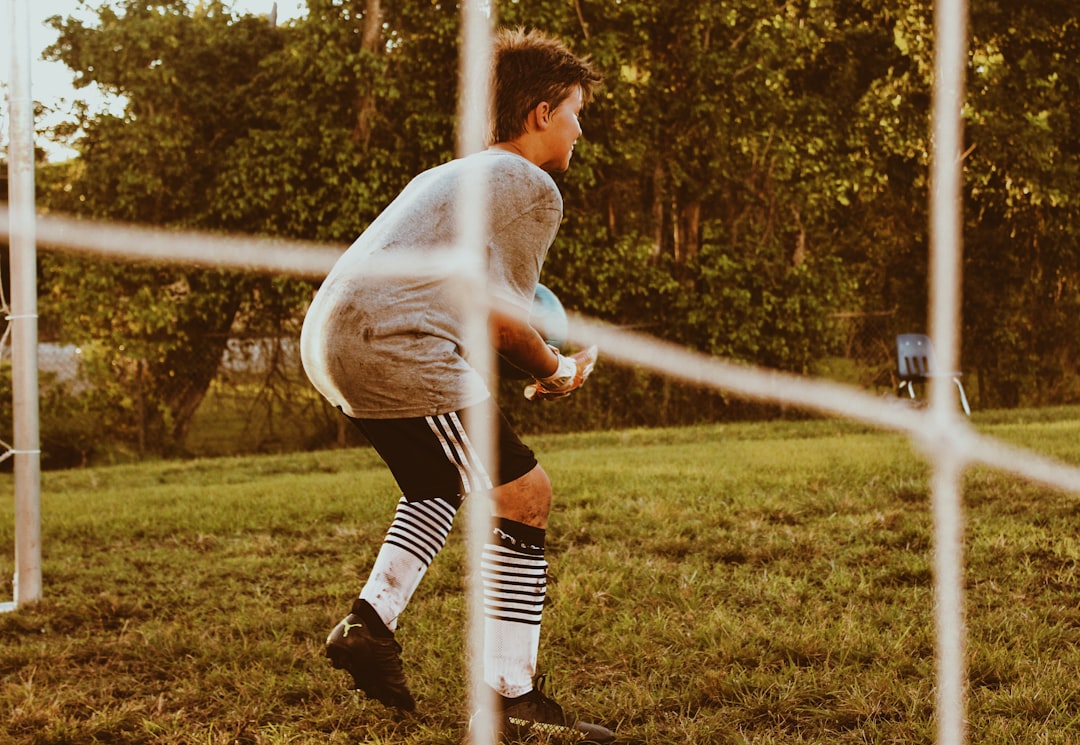

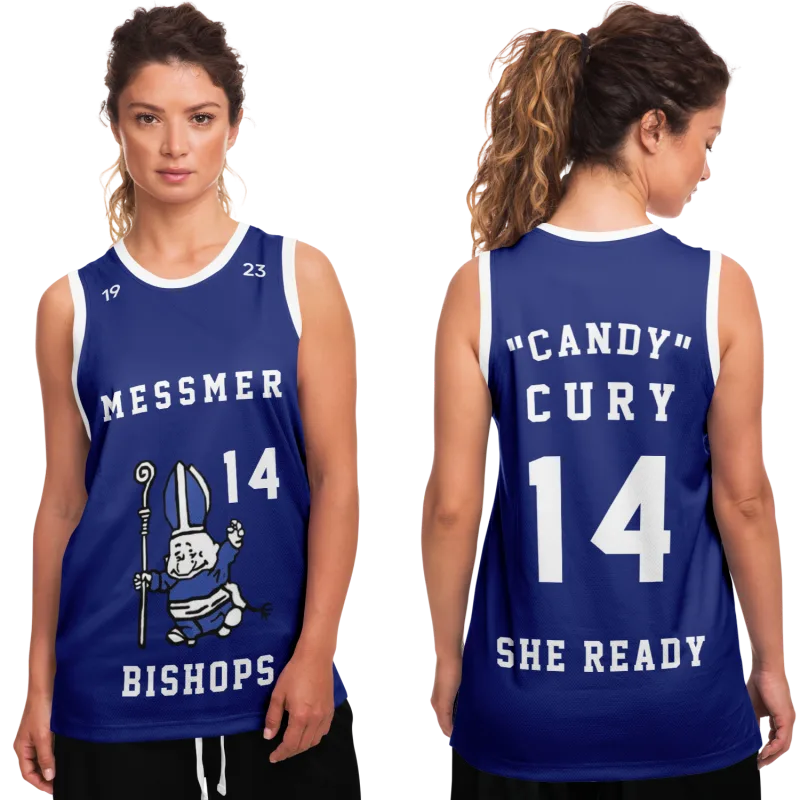

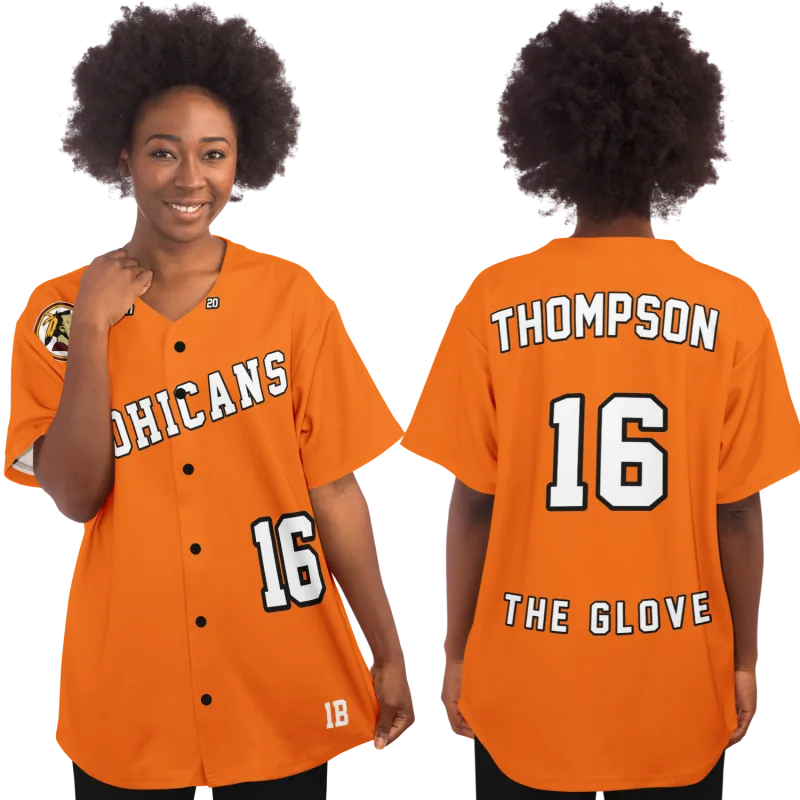
Being a former athlete still competing — in a rec league, a masters division, a Saturday morning pickup run — means you already understand something most people never will: the game doesn't end when the eligibility does. It just changes venues. And the part of you that was built inside that game, through years of early mornings and late-season pressure and the specific exhaustion of leaving everything on the field, that part never filed the retirement papers.
This is for you.
The Identity That Doesn't Come Off With the Uniform
Most things you did when you were younger feel like closed chapters. You can hold them warmly, look back on them with affection and distance, and say with complete honesty: "I used to do that."
Not this.
Talk to any former varsity player — any ex-collegiate, anyone who ever had a coach who saw something in them before they saw it in themselves — and you get the same answer delivered in a hundred different ways. The sport changes. The body changes. The schedule evaporates so completely that it sometimes feels like it belonged to a different person. But the identity doesn't change.
It doesn't change because athletic identity isn't assembled the way most identities are. You didn't choose it from a menu. It was forged through repetition and pressure and failure, through early mornings that had nothing to recommend them except that your teammates were there, through the specific kind of bone-deep exhaustion that only arrives when you gave a thing everything you had. You cannot decide your way out of being that person. The wiring doesn't unravel when the season ends.
Every former athlete remembers the first time they tried to explain this to someone who hadn't played. The patient nod. The well-meaning "that must have been fun" — as if sport were a hobby you aged out of gracefully, like a childhood stamp collection.

It wasn't fun. It was formative. Those two words are so different they don't belong in the same conversation.
Fun is what happens on a Saturday afternoon when nothing is at stake. Formative is what happens when something difficult teaches you who you are when things get hard. One passes the time. The other builds the person.
What "Competing" Actually Means After the Final Buzzer
The outside world consistently misreads what former athletes are doing when they keep competing. The assumption is that it's about the sport — about reliving something, chasing a ghost of a time when the stakes were higher and the body was more cooperative.
That's not it. Or at least, it's not only that.
A former college swimmer who still lines up for masters meets on Sunday mornings isn't chasing her college times. She knows where those times sit — behind her in the water — and she has made peace with the distance. What she's chasing is the version of herself that shows up when the stakes are real. The version that doesn't negotiate with the wall. The version that holds form when everything is telling her to break it.
That version only exists inside competition. It cannot be summoned by a treadmill session or a weekend hike or any of the genuinely good things that people who never played do to stay healthy. Those things are valuable. They are not the same thing.
The competitive frame is where certain people access their clearest, most capable selves. Focus that narrows to one task. Discipline that doesn't require motivation. The ability to execute under pressure with a kind of calm that looks effortless from the outside and feels anything but. If you played, you don't need this explained — you have a physical memory of it stored somewhere between your shoulder blades.
The game is the container. The character is what was built inside it. And the character doesn't retire just because the container changed shape.
Renee T., 41, played four years of collegiate volleyball and now captains a co-ed indoor league team that practices on Wednesday nights in a middle school gymnasium. She keeps a photo from her senior season in her gym bag — not out of nostalgia, she says, but as a reminder of the standard. "I'm not trying to be that player again," she told a teammate after a particularly sharp practice. "I'm trying to be this player, at this age, playing as well as I possibly can right now. That's still the whole point."
That is the whole point. In our experience, the athletes who find the most satisfaction in post-competitive sport aren't the ones trying to turn back a clock. They're the ones who have found a way to keep the standard alive in a new context — to bring the same internal accountability to a different field, at a different level, with everything that actually matters still intact.
The Scoreboard Changes. The Drive Doesn't.
Sports psychology has a term that rarely escapes academic papers into plain conversation: athletic identity foreclosure. It describes what happens when an athlete's entire sense of self was built exclusively around their sport, and when the sport ends, so does the sense of self. It is real, it is well-documented, and it is the shadow side of the identity that makes athletes who they are.
But foreclosure is not the destination. It is what happens when a powerful drive is given nowhere to go. Figuring out how to stay competitive when you don't have a team anymore isn't about finding a replacement roster — it's about recognizing the drive for what it actually is and giving it somewhere to land.
The athletes who move through the end of formal competition without losing themselves are almost never the ones who successfully suppressed their competitive nature. They are the ones who gave it a new arena. The former point guard who became the most relentless negotiator her firm had seen in a decade. The ex-distance runner who applies the same periodization logic to his business quarters that his college coach applied to his training blocks. The former goalkeeper who is, quietly, the most reliable person in every room she enters — because fifteen years of being the last line of defense teaches you something about accountability that no leadership course can match.
Research on athletic identity persistence consistently shows that former athletes who maintain physical activity and competitive engagement report stronger well-being, higher stress resilience, and more stable self-concept than those who withdraw entirely from competitive contexts. The drive doesn't dissolve. It needs a channel. Give it one, and it becomes an asset that compounds for the rest of your life.
What the Word "Former" Gets Wrong
The word does a quiet violence to the truth.
Former implies completed action. Former athlete — as if athlete were a position you held and then vacated, a job title that expired when the contract did. But if you played seriously, at any level, for any duration that mattered, you know that athlete is not a role you performed. It is a structure you were built into.
The way you process setbacks. The way you automatically calculate effort against outcome in situations that have nothing to do with sport. The way time slows down in a high-pressure moment — your breathing shifts, your focus narrows, the noise falls away — and something in you goes quiet and ready. That is not a memory of being an athlete. That is an athlete, operating in the present tense, in a context that happens to be a conference room or a hospital waiting room or a conversation where something real is on the line.
You were not formerly an athlete. You are an athlete who is not currently playing at the level you once played. Those are different sentences. One of them is true.
If you played, you know the specific weight a jersey carries. Not the fabric — the signal. Your number was yours. Not randomly assigned but specifically yours, worn through enough seasons that your teammates called you by it across a practice field without thinking. Seeing it again — on a custom jersey for the team you now captain, or something your family had made, or simply because you wanted to hold that version of yourself in your hands and feel that it was still real — does something that is genuinely difficult to describe to someone who hasn't played.
It doesn't take you backward. It brings that part of you forward, into the present, where it always lived anyway.
The Rec League, the Masters Division, the Sunday Pickup Game
Here is what those games are actually for — stated plainly, without apology.
Not primarily fitness. Fitness is a welcome side effect — the athlete inside signs up long before the body gets the memo, which is how you know the real motivation was never about the workout. But if fitness were the real goal, there are more efficient and less logistically complicated ways to achieve it than coordinating adult schedules, reserving gym time, finding referees willing to work Sunday mornings, and driving across town and back before noon.
The games are for the feeling that only comes from them. From the moment before the opening whistle when everything is still possible and the outcome is genuinely uncertain. From the specific arithmetic of a game situation — possession down, clock winding, defense tightening — when your body remembers sequences your conscious mind has almost let go of. From the post-game conversation that runs forty-five minutes past when everyone said they needed to leave, because this parking lot, these people, this particular kind of debrief is the one place where no one needs to explain why any of it still matters.
Those games are not a lesser version of the real thing. They are the current version of the real thing — played at this stage of life, with this body, against other people who are also here at 9am because they cannot not be here. The level has changed. The need has not. The identity has not. The specific satisfaction of executing well under genuine pressure — of being, for ninety minutes on a Tuesday night, completely and undividedly yourself — that has not changed at all. This is what every Wednesday night game is actually about.
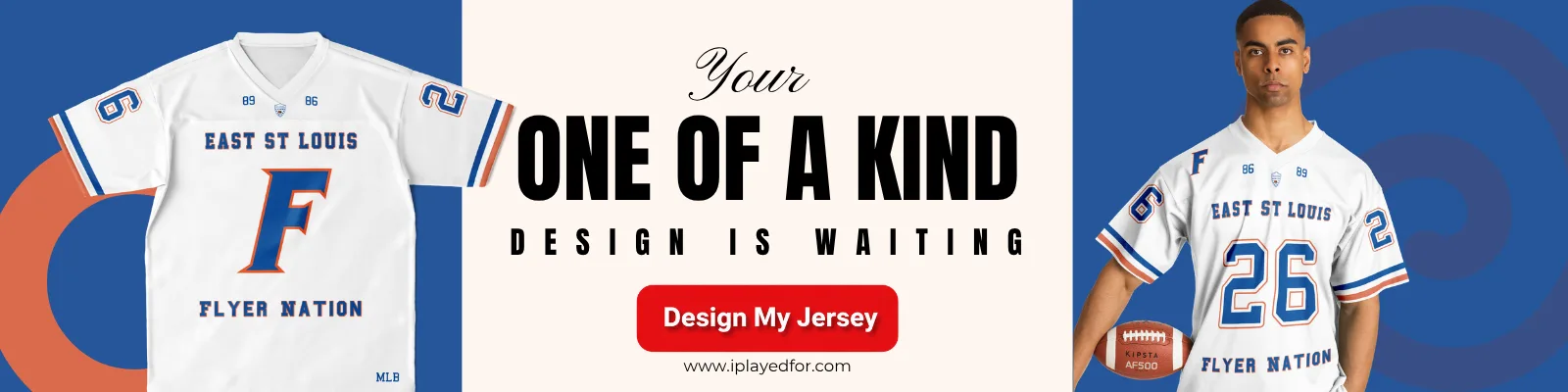
Your jersey is still out there waiting.
Design yours in minutes and see your name and number exactly the way you remember it.
Frequently Asked Questions
Is it normal to still feel like an athlete years after you stopped playing competitively?
Not only is it normal — it is one of the most consistently documented aspects of athletic psychology. Athletic identity forms through years of high-stakes repetitive experience and does not dissolve when formal competition ends. Many former athletes describe their competitive instincts as fully present throughout adult life, surfacing in professional settings, personal challenges, and recreational sport. The feeling that you are still, fundamentally, an athlete is not nostalgia. It is an accurate read of how you were shaped.
How do former athletes stay connected to competition after their playing days end?
The most common paths are recreational leagues, masters or age-group divisions in organized sport, coaching, and the informal competitive culture of fitness communities. What matters most is not the specific format but the presence of a genuine competitive frame — a context where performance is measurable, effort has consequences, and the outcome is uncertain. Any setting that provides those three elements can serve the same psychological function that formal sport once did.
Does competing in recreational leagues count as real competition?
It counts as much as you need it to. For many former athletes, recreational competition delivers the same psychological return as organized sport — genuine focus, honest effort, the specific pleasure of executing well under pressure. The level of play is not what determines the value. The presence of real stakes, however small, is what activates the part of athletic identity that requires activation. If it feels real when you are in it, it is real.
Why do former athletes so often apply competitive thinking to non-sport areas of life?
Because the competitive framework was never sport-specific to begin with. The mental habits formed through years of athletic training — effort calibration, pressure response, accountability to performance standards — become default operating patterns. Former athletes frequently apply competitive logic to career challenges, creative problems, and personal goals without consciously deciding to. The lens doesn't get put away after the final game. It becomes how you see everything that follows.
See also: the identity crisis that hits when your sport ends | adult recreational leagues where former athletes can still compete | how to get back into training after years away from your sport | the gap between how you remember your body and how it performs today