

You signed up on a Tuesday night. Maybe it was a text from someone you hadn't spoken to in years, or a flyer on a break-room bulletin board, or your kid's coach casually mentioning that the adult division still had open spots. Whatever the path, you found yourself filling out a rec league roster — and for a rec league former athlete, that moment carries more weight than it probably should.
You told yourself it was just for exercise. Just to stay in shape. Just to have something to do on weeknights.
But the night before the first game, you couldn't sleep.
The Feeling That Never Fully Goes Away
Every former athlete remembers the last game they played before it became unofficial. Not the last game they knew was the last. Those are rare, and often only understood in retrospect. The last real game. The one where they were still being counted on, still part of something with stakes, still someone their teammates depended on.
After that, there's a long quiet.
It doesn't feel like loss at first. Life fills in. Career, family, responsibilities that are genuinely meaningful. The calendar gets crowded in ways that used to seem impossible when practice was a fixed point around which everything else had to orbit. You stop thinking about it the way you used to think about it.
And then someone mentions the rec league, and your stomach does something it hasn't done in a while.
That response isn't quite nostalgia. Nostalgia is warm and soft: the highlight reel from a comfortable distance. What a former athlete feels when they hear about a chance to play again is something sharper. Something closer to recognition. The part of you that was shaped by competition, by the specific physics of a sport you spent years learning with your body, by the particular kind of clarity that only exists when a game is actually happening — that part hasn't gone anywhere. It's been waiting. It's why the athlete in you never really retires. Competition shapes identity in ways that don't wear off when the eligibility expires.

The rec league is where it wakes up.
What You're Actually Looking For When You Lace Up Again
There's a version of this story that gets told at sports bars and in retirement speeches — the one where the athlete gracefully accepts that their playing days are behind them and finds peace in watching from the sideline. It's a fine story. It applies to some people.
But for a significant portion of former athletes, that story isn't the whole truth. What actually happens is quieter and more persistent. The competitive instinct doesn't retire when the eligibility does. It just goes underground.
When you rejoin a recreational league, whether it's basketball, volleyball, soccer, softball, or anything else, you're not chasing the past. You're answering something present-tense.
In my experience as a former player, there are a few things that consistently pull people back to organized competition, even in its most casual form. The rec league is just one of the practical ways former athletes reconnect with their sport, but it's the one that most directly mirrors the structure athletes spent years living inside:
The feeling of being accountable to teammates again. At work, you can have an off day and absorb it quietly. On a court or a field, your teammates can see exactly what you brought that night. That accountability, which once felt like pressure, is something many former athletes quietly miss without being able to name it.
The specific mental state that only competition produces. There's a focus that arrives when a game starts that simply doesn't exist in a gym, on a treadmill, or in a yoga class. Your attention narrows. The noise of the week drops away. You're just in it. Athletes who spent years living inside that focus don't lose the capacity for it — they lose the regular access to it.
The identity that sport built in you. Not the statistics. Not the trophies. The identity. The way you understand yourself in relation to challenge, to teammates, to opponents, to your own limitations. Sport built a self-concept that a career and a mortgage do not replace. The rec league is a place to inhabit that self-concept again, even briefly.
None of these are small things. They explain why Tuesday night in a community gym, with mismatched uniforms and a scoreboard that sometimes works, can feel like it means something.
Because it does.
The Unfinished Business Theory
Marcus T., 41, played two years of college soccer before a knee injury his junior year changed the trajectory of everything. He joined an adult coed league a decade later, mostly to stay active, he said at the time. Three seasons in, he described something that took him by surprise: "I realized I was still trying to prove something. Not to anyone else. Just to myself. That I could still read the game. That the injury didn't take everything."
That's a version of what a lot of rec league former athletes carry onto the field without fully acknowledging it.
There's a psychological concept sometimes called unfinished business — the open loops we carry from experiences that ended before we were ready for them to end. For competitive athletes, the end of a playing career often comes with just that quality. The last season was curtailed by injury. The team didn't go as far as it should have. The individual never quite reached the level they believed they were capable of. Something was left on the table, and the ledger never got closed.
The rec league is not a realistic venue for closing that ledger in any objective sense. The level of play is different. The context is different. The stakes, in the scoreboard sense, are different.
But the inner experience — the chance to compete, to execute well, to be a good teammate under pressure, to win something that required real effort — that part maps onto the original experience more closely than you might expect. The body still knows the sport. The competitive mind still functions inside it. And the feeling of competing well, of being in the game rather than watching it, provides something that no amount of gym time can match.
The unfinished business may never be formally closed. But it can be honored. The rec league is how a lot of former athletes honor it.
The Quiet Medicine of a Tuesday Night
Ask veteran rec athletes why they keep coming back and the score rarely tops the list. Push a little and the answers turn inward: less stress, a clearer head, a week that feels like it has a spine again. Player surveys of adults who return to organized team play rank mental health among the strongest motivators, often above staying in shape.
That shouldn't surprise anyone who has lived the alternative. When the competitive years ended, so did a specific kind of belonging, and the loneliness that can settle into that space is real. Isolation is a documented health risk in its own right. Team play pushes back on it directly, because you can't be a teammate alone. Somebody passes you the ball, and the distance between you and the rest of the world gets a little smaller.
Then there's the schedule. For years, practice was the fixed point that everything else orbited. Adult life erases that structure without ceremony and leaves a calendar full of things that matter to everyone but you. The rec league hands the fixed point back. One night a week, the week has a shape again — you know where you'll be, and who you'll be when you get there.
None of it shows up on the scoreboard. It shows up everywhere else: in how you sleep, in how you feel on the Wednesday after, in the quiet knowledge that part of the week belongs to you again.
The Jersey Is Not a Small Thing
If you think the uniform doesn't matter at the rec league level, you haven't been paying attention to the locker room.
Watch how people handle their jerseys before a game. The way they smooth the number with a hand. The way some of them hold it for a second before pulling it on. The way others quietly double-check their name on the back, even though they know it's right.
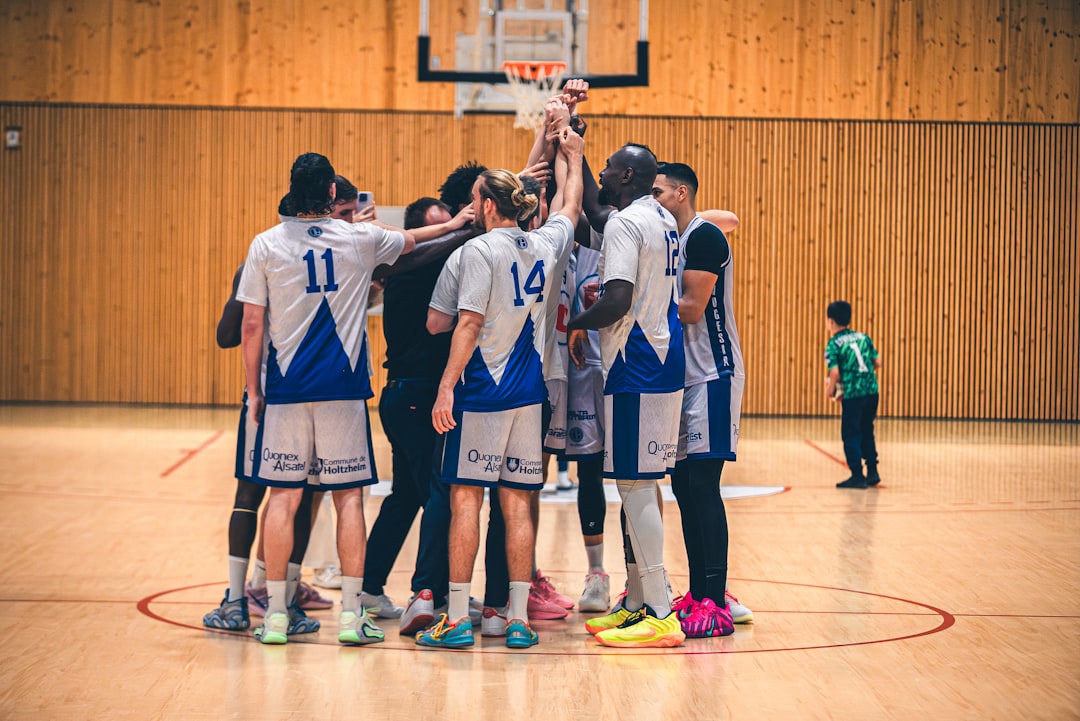
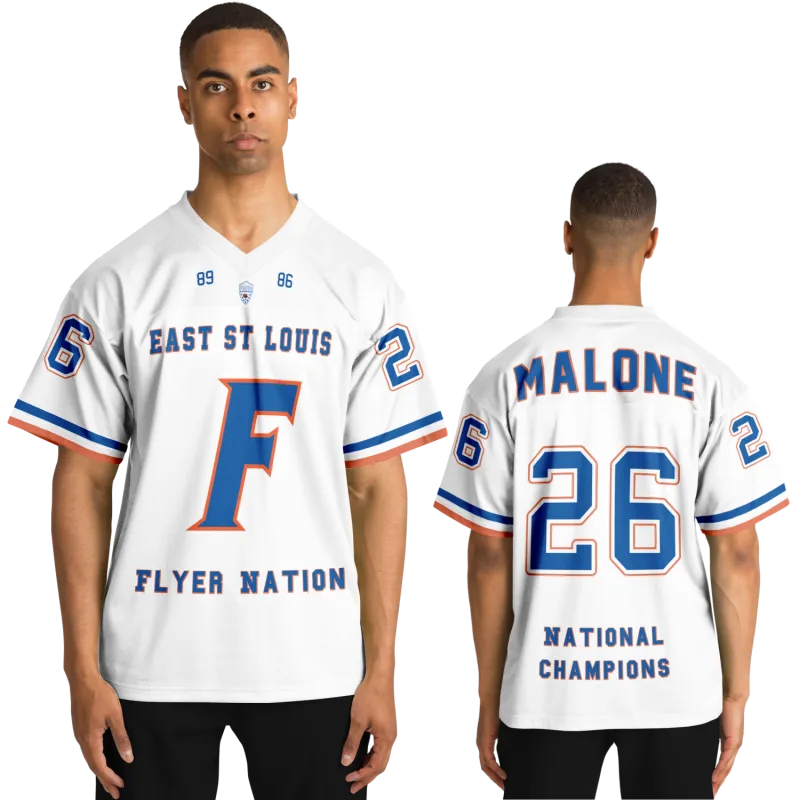
A jersey at the recreational level is not about looking professional. It's about declaring membership. It's about having a reason to walk into the gym as a player, not a spectator. It's a physical object that does something a gym membership card cannot do. It puts you inside the game rather than adjacent to it.
Former athletes understand this at a cellular level, because they remember what it meant to pull on a real jersey the first time. The weight of it. The smell of it. The way it changed how they stood.
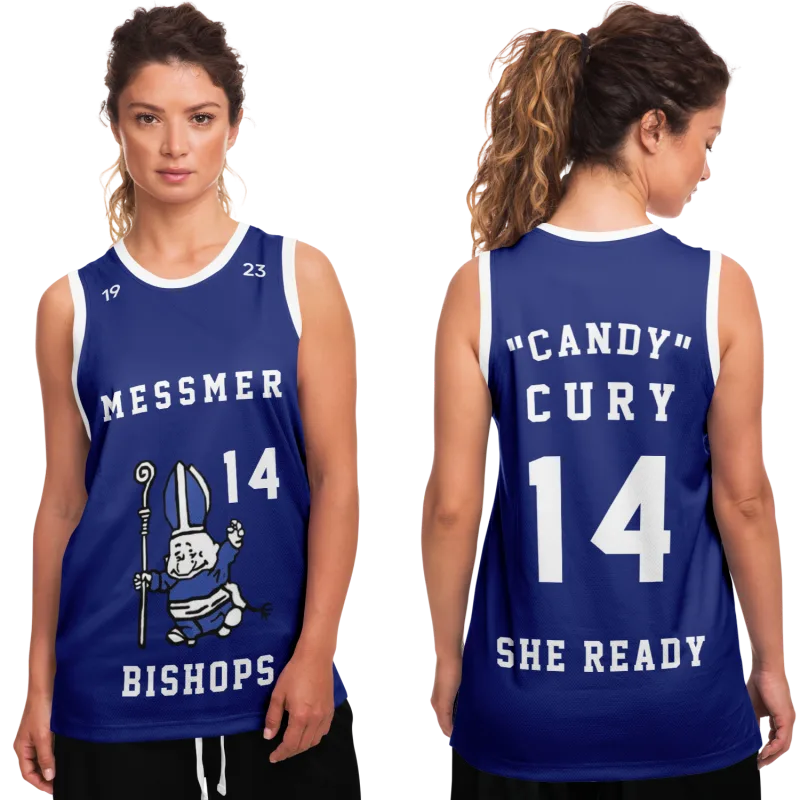
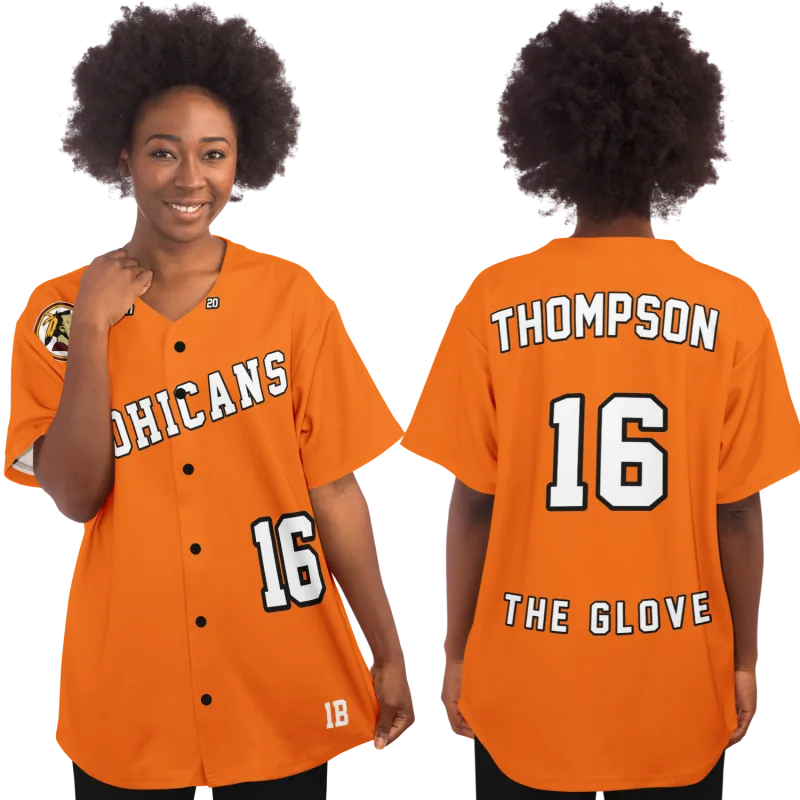
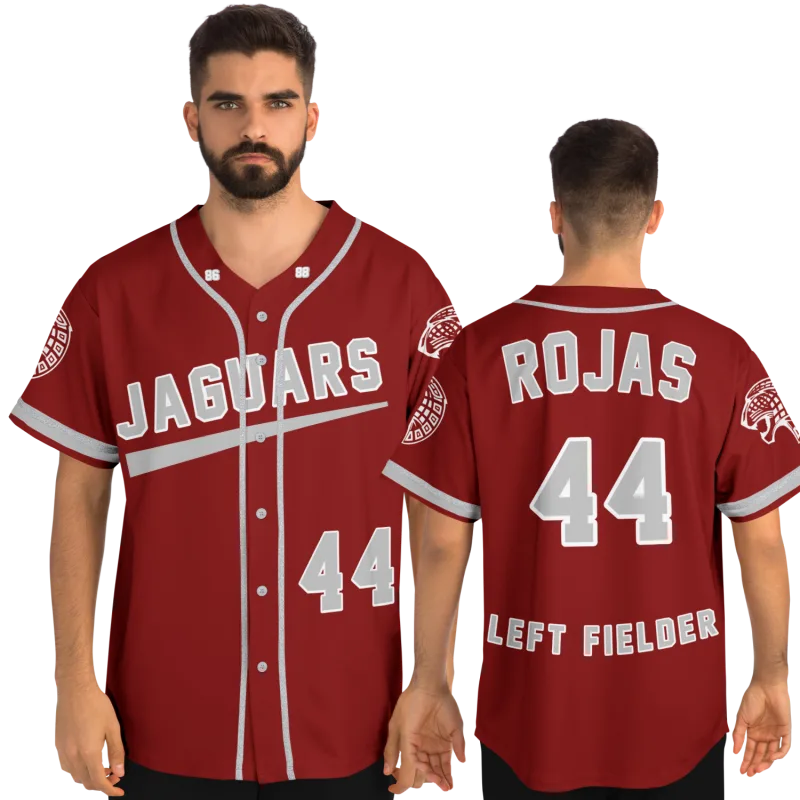
The rec league version of that experience is smaller in scale but not smaller in meaning. A custom jersey with your name and number on it says something about how seriously you take this — not to the other team, but to yourself. It says you showed up as a player.
That distinction matters more than most people admit.
What You Remember That You Didn't Know You Still Had
If you played, you know this moment: you show up to the first rec league game carrying a decade or more of rust, telling yourself to have realistic expectations, and then the game starts — and something clicks.
Not all at once. There's an adjustment period. The first few minutes, your legs remember before your brain does. Your positioning is slightly off. Your timing needs calibrating. But then there's a moment (a cut, a pass, a defensive read, a shot) where the thing you spent years drilling simply executes. Without thought. Without hesitation. The body memory is intact.
Athletes who haven't played in years consistently report surprise at this. They expected to start from near-zero. Instead, they discover that the foundational competencies they built — the spatial awareness, the decision-making under pressure, the physical coordination specific to their sport — didn't disappear. They were in storage.
Of course, what happens when the athlete comes back but the body complains is the other half of the story — the part where muscle memory collides with muscle reality, and the first game becomes a negotiation between what the mind remembers and what the body is willing to do.
The rec league is the key that unlocks the storage unit.
What you find inside isn't the athlete you were at seventeen. You're not as fast. Recovery takes longer. There are movements you've learned to substitute for others. That's honest, and it's fine. What you find is something more interesting: an athlete who has the body knowledge of a veteran and the perspective of someone who knows what this costs and chooses it anyway.
That is a different thing entirely from what you were at seventeen. In several respects, it's better.
The People Beside You in the Lineup
There's something that happens in a rec league locker room that doesn't happen many other places in adult life.
People who are accountants and teachers and nurses and construction managers and software developers walk in, put on jerseys, and become teammates. The organizational hierarchy of the rest of the week is irrelevant. What matters is who can guard the wing, who handles pressure situations, who shows up when it's third quarter and the team is down eight.
Former athletes tend to be good at reading teammates quickly. The years of playing taught pattern recognition that extends beyond the sport itself: the teammate who needs encouragement versus the one who responds to challenge, the player who freezes under pressure versus the one who gets sharper, the person who makes the team better by playing their role versus the one who disrupts it by playing outside it.
These are skills. Real ones. The rec league is one of the few adult contexts where they're fully deployed.
There's also the simple, underrated pleasure of being inside a winning play — a play that worked because five people did their jobs simultaneously, without a meeting or a memo or a performance review. Just the game, the count of two seconds, and the moment of execution that either works or it doesn't.
That pleasure is not available on a treadmill. It requires other people. It requires a game. It requires showing up as a player.
Your Jersey Is Still Out There Waiting
Design yours in minutes and see your name and number exactly the way you remember it — because the athlete who still shows up deserves to look the part.
Frequently Asked Questions
Is it normal to feel competitive in a rec league even though the stakes are low?
Completely normal — and more common than people admit. For former athletes, the competitive instinct isn't triggered by the stakes of a given contest; it's triggered by the structure of competition itself. When a game starts, the psychological system that was trained over years of playing activates. The score matters to that system even when the rational mind knows it "shouldn't." The healthiest approach is to channel that instinct into being a great teammate and competitor within the recreational context, rather than suppressing it.
How do you handle the gap between who you were as an athlete and who you are now?
The most useful frame is to stop treating it as a gap and start treating it as a different chapter. The athlete you are now has things the athlete you were at seventeen didn't have: perspective, patience, the ability to read a game rather than just react to it, and the knowledge that this is a choice rather than an obligation. You're slower in some ways and wiser in others. The rec league is asking you to be who you are, not who you were — and who you are is someone who still plays.
Does the uniform really matter in a recreational league?
More than most people expect. A custom jersey with your name and number on it changes how you carry yourself before the game, during warmups, and in the moments that test you. It's a physical signal to your own nervous system that you're here as a player. Former athletes in particular tend to respond to this — because they remember the first time pulling on a real jersey changed how they felt about being on the field. That mechanism doesn't expire. It just waits for the right uniform.
What if I haven't played in years and I'm worried about the skill gap?
The body memory is more intact than you think. The first few games will involve recalibration — expect that, and be patient with it. What consistently surprises former athletes returning to recreational play is how quickly the foundational competencies come back: the court awareness, the decision-making, the sport-specific movement patterns. What takes longer is the conditioning. Start showing up consistently, and within a month the rust is mostly off. The skill was never gone. It just needed a few games to remember where it lives.
Whether you're already on a roster or still deciding whether to sign up, one thing you can do right now: put your name and number on a jersey that means something. At iPlayedFor, you can design a custom commemorative jersey with the colors and layout you remember — not because the past needs to be re-lived, but because the player who still shows up on Tuesday nights deserves to look the part. Browse what other former athletes have created in the jersey gallery, or start your own and give your rec league season the uniform it's earned.
See also: adult recreational leagues built specifically for former high school athletes | the identity crisis that follows when you stop being an athlete | the grief that comes with the end of your athletic career | how to manage the gap between who you were on the field and who you are now