

How former athletes reconnect with sport is a more complicated question than most guides acknowledge — and if you've landed here, you probably already sense that.
The top search results will tell you to join a rec league or get back in the gym. That advice isn't wrong. But it addresses only one dimension of what actually went missing when your playing days ended. Because what ended wasn't just a physical routine. It was an identity — one of the most structuring, defining identities a person can build. Your sport shaped how you organized your time, who your people were, how you walked into a room, what you were working toward. When competition ended, something that had nothing to do with your fitness level went with it.
Reconnecting with your athletic identity requires a fuller toolkit than physical activity alone can provide. This guide covers that full toolkit — eight practical methods that span the complete spectrum, from the deeply personal to the community-facing, from the physical to the psychological. The custom jersey is in here. So is coaching, mentoring, alumni events, and something most guides miss entirely.
Here is what actually works.
The Identity Gap No One Prepares You For
Athletic identity is one of the strongest identity structures a person can build. The American Psychological Association has documented that former athletes who invested heavily in their sport often experience a measurable identity vacuum when competition ends, regardless of whether they played Division I or high school varsity. What determines the depth of the gap is how central the sport was to your sense of self, not the level of play.
The gap tends to surface in subtle forms before the obvious ones arrive. You catch yourself qualifying your past in conversation ("I used to play...") as if the past tense requires announcing. You feel vaguely restless on Friday nights in fall. You watch your sport on television and experience something that sits between joy and longing, and you can't quite locate where one ends and the other begins.

This is not a mental health crisis. It is a normal response to the loss of a structuring identity. Instead of pushing through it or treating it as a weakness, find meaningful, deliberate ways to bring your athletic identity back into your present life — in forms that fit who you are now, not who you were at nineteen.
For a deeper look at why athletic identity remains so durable across decades, and at what neuroscience and psychology reveal about the athlete you still are, read our full breakdown of the psychology of athletic identity.
1. Display Your Athletic Past Where You Live
Objects anchor memory in a way that internal recollection alone cannot replicate. There is a reason museums exist, and there is a reason the specific gear you wore during competition carries a weight that a trophy or a photograph approaches but rarely matches.
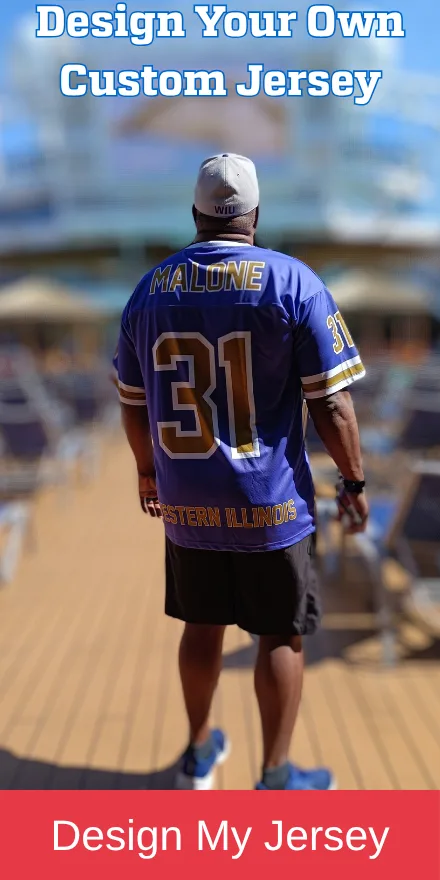
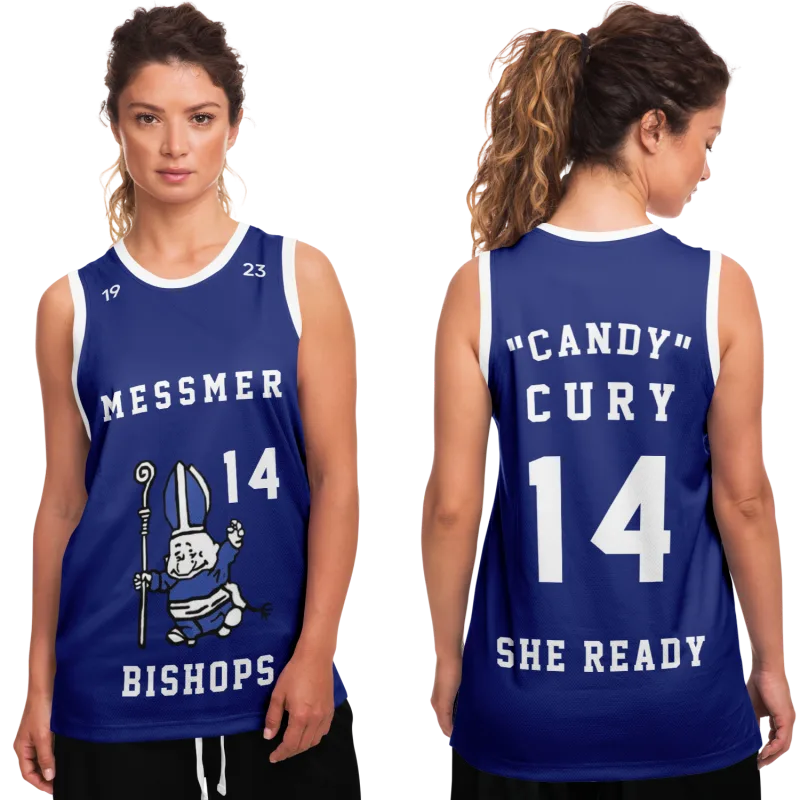
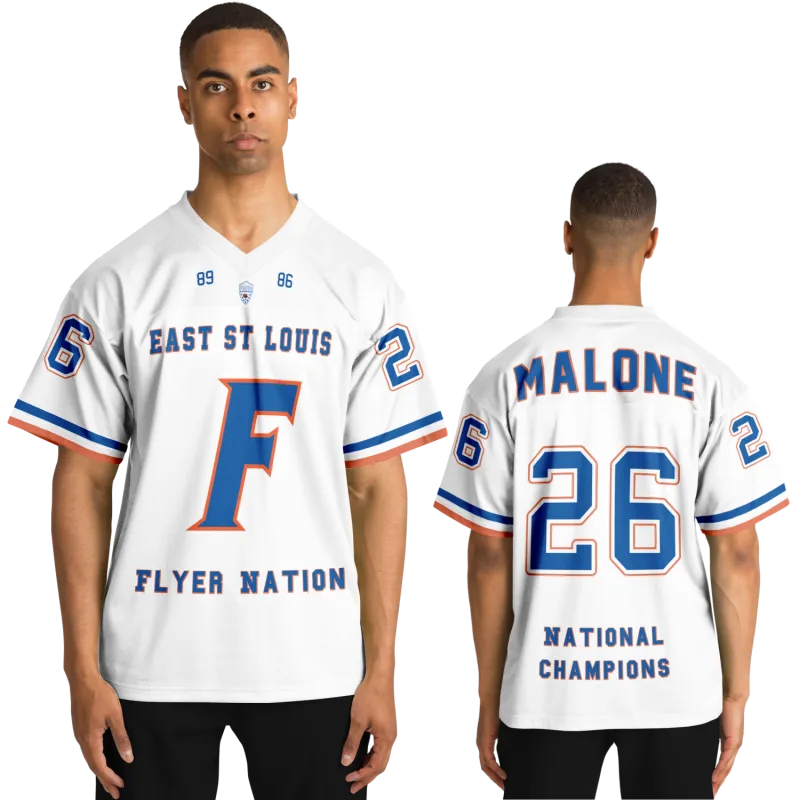
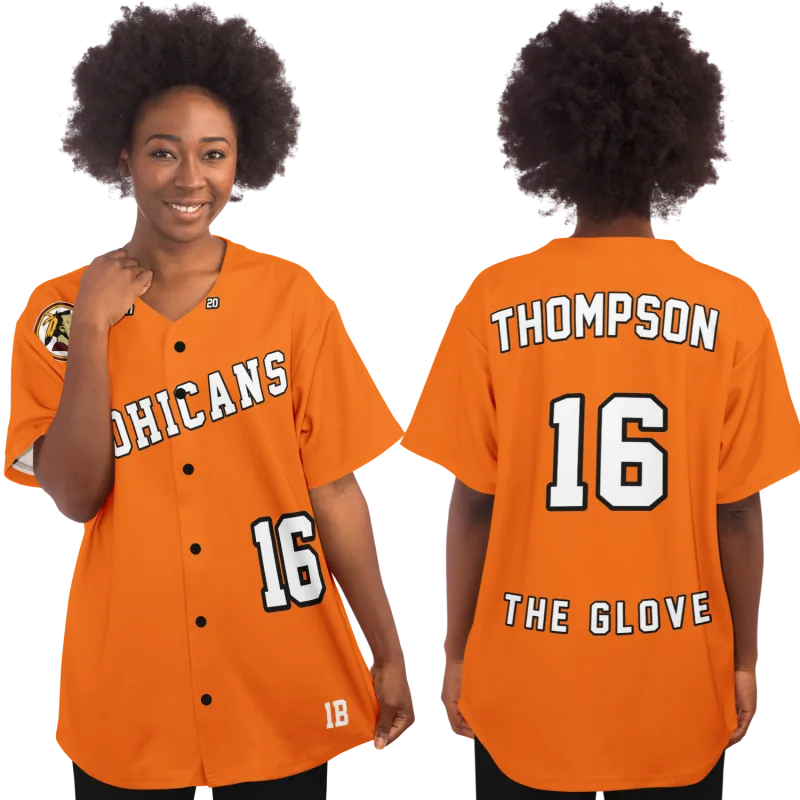
Your jersey, in particular, is unique. It has your name on it. Your number. The colors of your team. It is one of the few physical objects from your entire athletic career that was made specifically for you — not for the team, not for the program, for the player wearing that number.
The former athletes who maintain the strongest ongoing connection to their athletic identity are the ones who display it, not the ones who preserve their past in storage boxes — a framed jersey on a home office wall, a shadow box holding a game ball and a team photo, a shelf that tells the story without requiring a caption.
If your original jersey is long gone (worn through, lost in a move, returned at the end of your last season), a custom jersey is not a consolation prize. It is an act of reclamation. Having your name and number recreated in the authentic style of your sport and era is a direct, physical statement: this happened, and it still matters.
The display does something worth naming explicitly. It creates daily contact with your athletic identity. You see it every morning. Your kids ask about it. Guests notice it. You tell the story. Each telling is a small, genuine act of reconnecting — a reinforcement that the athlete you were is not a chapter you've closed, but a thread you're still carrying.
2. Return to the Arena as a Fan, Not a Competitor
One of the most consistently underrated reconnection strategies is the simplest one: go back and watch.
Not as a scout. Not as a critic tallying what the current players are doing wrong. As someone who genuinely loves the game — which you still do, even if you haven't given yourself permission to say so plainly.
Former athletes often resist returning to their old field or gym because the experience carries a complicated emotional texture. Watching from the bleachers when you used to be on the floor is not a neutral experience. But that texture is precisely the point. It is the place where your past and your present touch — and contact, even when it's uncomfortable, is how reconnection happens.
When you sit in those stands and feel the specific electricity before an opening tip-off or a kickoff, you are not mourning. You are recognizing. The love of the game does not live in your eligibility. It lives in you. Going back lets you feel that directly instead of inferring it from a distance.
Make it deliberate. Put it on the calendar. Attend your old high school's homecoming game. Go to a college meet or match in your sport. Bring your partner, your kids, a former teammate. Let the environment do its work without trying to manage the feelings it produces.
3. Mentor the Next Generation
This one tends to surprise people: not the idea of it, but the effect of it.
There is a specific quality to the reconnection that happens when a former athlete works with young players in a mentoring capacity. Not coaching in the technical sense. Being the person who pulls a struggling sophomore aside after a rough practice. Being the adult in the room who actually remembers what it felt like to be sixteen and afraid of letting your teammates down.
Keisha M., 38, swam competitively through college and spent most of her thirties telling herself she'd moved on from that chapter. She started showing up to help with a local age-group swim club after a friend asked her to fill in for one session. She came back the following week without being asked. "I kept thinking I was teaching them technique," she said. "But what I was actually doing was remembering that I had something worth passing on. Once I saw it that way, I saw myself differently."
That shift — from "I used to be an athlete" to "I carry something worth giving" — is one of the most powerful identity reconstitutions available to a former competitor. It takes what you built over years and makes it generative rather than archival. Your experience stops being something you look back at and starts being something you act from.
4. Attend Alumni and Reunion Events With Intention
Alumni events are frequently treated as social obligations — you go because you said you would, you make the rounds, you leave. That frame produces precisely the low-value experience it anticipates.
Approached with genuine intention, alumni events are among the most effective ways to honor your athletic past while grounding it in community. The specific people in that room are the only ones in the world who share the specific texture of your experience: that particular field, that particular coach's cadence, that particular ritual before the bus ride to away games. That shared specificity is recognition rather than nostalgia in the pejorative sense: the recognition that the experience was real, was formative, and was witnessed — and that you are not carrying it alone.
Bring something to contribute, not just something to receive. A photograph from a specific season. A story you've never told out loud. Your jersey, the original or the custom one you had made because the original disappeared sometime between your second and third apartment. Objects open conversations. Conversations open connection. Connection is what reconnecting with your athletic identity actually requires.
If you're ready to take this beyond showing up and actually organize an alumni game in your sport, our step-by-step guide on how to organize and play in a high school alumni sporting event walks through everything from tracking down former teammates to booking the field.
5. Coach Formally, Even for One Season
There is a meaningful difference between mentoring informally and committing to coach a team through a full season. Both have value. The formal commitment does something the informal version cannot: it puts you back inside the structure of your sport.
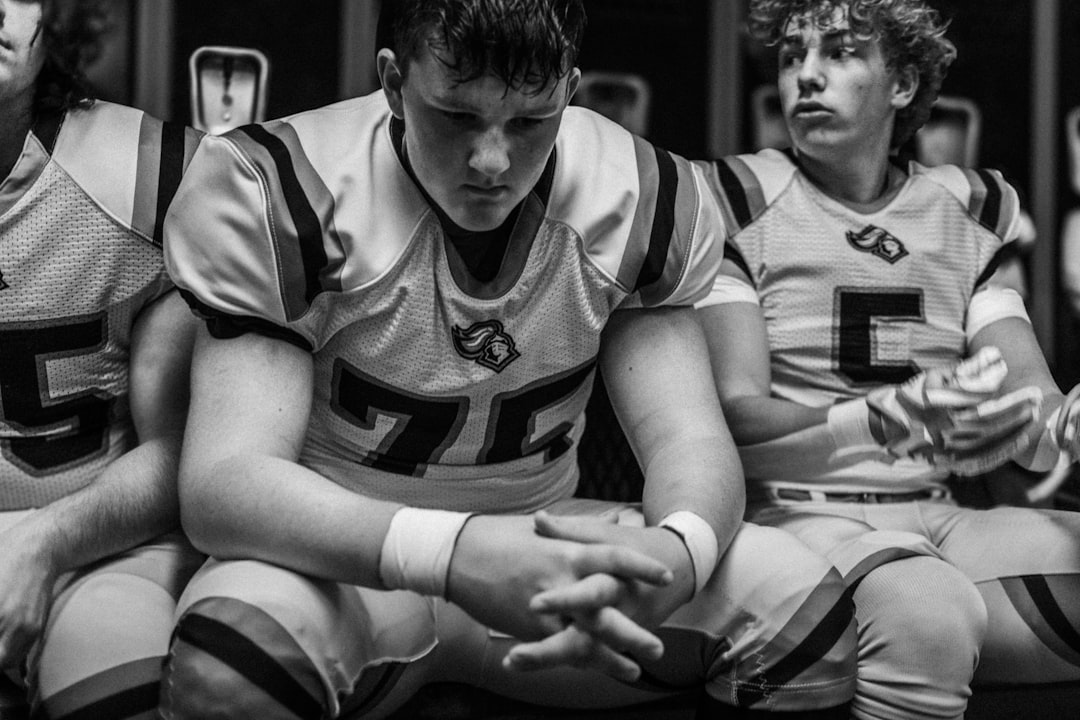
When you are a coach, even a volunteer assistant for a middle school team in your sport, you are living inside a season again. You have a practice schedule. You have games on the calendar. You have the specific, irreplaceable feeling of a pregame locker room and a postgame handshake line. You are not observing the sport from outside its rhythms. You are inside them.
Former athletes who return to their sport through coaching consistently report two things: it is harder than they expected, and it matters more than they anticipated. The difficulty comes from the perspective shift — you are now responsible for the experience, not just having it. The meaning comes from the discovery that the sport still has a claim on you, and you still have something to offer it.
One season is enough to find out whether this is your form of reconnection. You may find it becomes a commitment that spans decades. You may find it satisfies what you were looking for without requiring ongoing investment. Either result is genuinely useful information about yourself.
One coaching path that deserves its own conversation: coaching your own child's team. The dynamic shifts in ways most former athletes don't anticipate — your dual role as parent and coach, your child navigating your playing legacy, and the emotional terrain that opens up when the sport you love becomes something you're passing down. Read what nobody warns you about coaching your kid's team when you used to play.
6. Write, Record, or Create Something About Your Experience
Your athletic story belongs to you. And there is a specific kind of reconnection that only happens when you articulate it — not necessarily for an audience, but for yourself.
Write a few pages about the season that changed you. Record a voice memo about the game you still replay in your head. Start a blog about your sport from the inside perspective of someone who actually played it. Contribute to a podcast community built around former competitors in your sport.
The act of putting words to the experience does something that passive remembering cannot. When you describe a specific moment (specific details, specific names, the particular feeling of a specific play), you are not retreating into the past. You are bringing the past into full contact with who you are now. You are integrating your athletic identity into your present rather than storing it separately. That integration is what reclaiming your sports identity actually looks like in practice.
7. Build a Physical Practice That Honors the Sport Without Mimicking Competition
This is where the physical component belongs in the framework — not as the primary reconnection strategy, but as one genuine element within a larger whole.
Rec leagues work well for some former athletes and poorly for others. If returning to structured competition at a level that reminds you daily of what you've lost produces frustration rather than joy, that is useful information, not a character flaw. Find the physical expression of your sport that honors what you built without requiring you to perform against a mental image of yourself at your peak.
That might look like:
- Playing pickup games with no stakes and full permission to love the game without evaluating your performance
- Training in the movement patterns of your sport for fitness and continuity, the specific conditioning that keeps you connected to how your body felt in season
- Teaching the fundamental skills to your own children or neighborhood kids, not as a formal coach but as someone who plays
The goal is physical contact with your sport in a form that produces joy rather than judgment. Your body remembers the game. Give it the conditions to remember without the burden of being assessed.
8. Create a Dedicated Space for Your Athletic Identity at Home
This extends the jersey display concept into something more deliberately constructed: a physical space in your daily environment that holds your athletic story as a living part of your present life, not an archive of your past one.
Not a shrine. A space.
A corner of a home office where your framed jersey anchors the wall. A shelf holding a team photograph, a game ball, one piece of gear displayed rather than stored. The specificity of the objects is what does the work — a generic sports print means nothing; your name and your number on your sport's jersey means something nothing else can stand in for.
Former athletes who go through the process of ways to honor athletic past often find that creating this space is the single most emotionally immediate step available to them. It requires no schedule, no other people, no athletic ability. It requires only the decision that your athletic identity deserves to be visible in your life — and then making it visible.
If the original gear is gone, replace it with intention. A custom jersey recreated just as you remember it (your name, your number, your colors, your sport) is a statement of continuity, not a workaround. The player who wore that number is still here. The jersey makes that fact visible every day.
Reclaim It as One Thread, Not the Only Thread
One thing worth saying before you put the whole toolkit into motion: the goal here is not to become "the athlete" again at the expense of everything else you've become.
The research on how former athletes transition out of sport is clear on this. The people who adjust most smoothly are the ones who let their athletic identity sit alongside the other identities they've built since — parent, professional, partner, friend, volunteer. When your entire sense of self hangs on a single thread and that thread gets cut, the whole thing unravels. When your athletic identity is one honored thread among several, it can be woven back in without unstitching anything else.
That's the healthy version of reconnection, and it's what these eight methods are built to serve. They work best when your athletic identity complements who you are now rather than replaces it. You are not choosing between the person you were and the person you are. You are letting them share the same room.
The Complete Reconnection Framework
Here is the full spectrum of how former athletes reconnect with sport, the complete toolkit, spanning identity, community, physical expression, and creative output:
- Display your athletic past visibly where you live
- Return to the arena as a devoted fan
- Mentor young athletes in your sport
- Attend alumni events with intention and something to contribute
- Coach formally for at least one season
- Write, record, or create something that articulates your athletic story
- Build a physical practice that honors the sport without requiring competition
- Create a dedicated space at home that anchors your athletic identity in the present
The former athletes who reconnect most fully tend to draw from several of these methods over time, not simultaneously, but in a sequence that builds. Each one reinforces the others. Displaying the jersey leads to conversations. Conversations lead to a reconnection with a former teammate. That reconnection leads to a coaching conversation. The framework is cumulative.
Your jersey is still out there waiting.
Design yours in minutes and see your name and number just the way you remember it.
Frequently Asked Questions
Is it normal to feel the identity loss years or even decades after your playing days ended?
Completely normal — and more common than most former athletes realize. Athletic identity doesn't follow a predictable grief timeline. Some former athletes feel the gap immediately after competition ends; others don't notice it clearly until a specific moment years later triggers the recognition. The timing has no bearing on the validity of the feeling. What you built mattered. The gap is proportional to that.
Do I need to be in playing shape to reconnect meaningfully with my sport?
No. Several of the most effective reconnection methods in this framework (mentoring, coaching, creating a display space, attending games, building an alumni community) carry no physical requirement. The physical methods are one category among many, and for former athletes with injuries or physical limitations, the non-physical methods often produce equally strong reconnection results.
What if my sport doesn't have a formal alumni infrastructure to tap into?
Start with individuals rather than institutions. Find former teammates through social media and reach out directly. Contact a coach who was formative for you. Look for online communities built around your sport — most have active forums, podcasts, or social groups centered on former competitors. The community exists in some form; it may simply require more active construction than a sport with formal alumni programs. Your role in building that community is itself a genuine form of reconnection.
What if going back to watch my sport brings up more pain than joy?
That's worth taking seriously, but it's not a signal to avoid reconnection altogether. It usually means the right starting point is somewhere other than the competitive environment. Begin with the lower-intensity methods first — displaying a jersey, writing about a specific memory, reaching out to one former teammate. Rebuild your relationship with your athletic identity from the edges before moving toward the center. The goal throughout is reconnection, not re-exposure to unprocessed loss.
See also: athletic identity after high school | adult recreational leagues for former high school athletes | how to start training again after years away | the gap between your athletic memory and your current body | reconnect with former high school teammates