

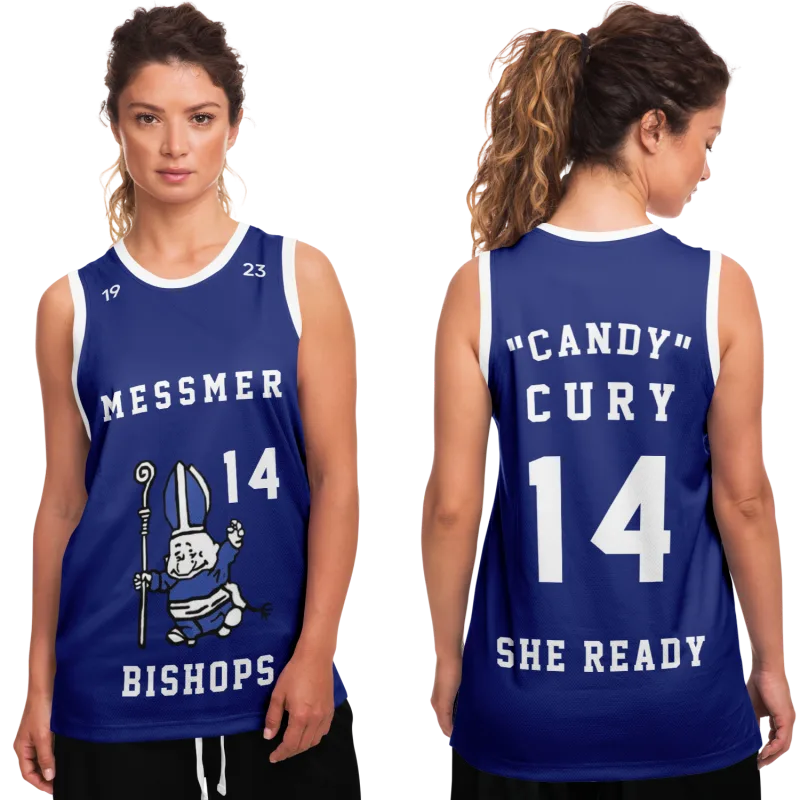
There's a specific moment former high school athletes know well. You're watching a pickup game at the gym, or standing on the sideline at your kid's soccer practice, and something in your chest tightens. The footwork looks familiar. The spacing, the cut, the release — your body recognizes all of it before your brain catches up. You played at a level where those details mattered. And somewhere between graduation and now, you stopped.
Adult recreational leagues for former athletes exist specifically for this moment. Not for the person who "used to be sort of active" in high school. For the person who ran two-a-days, who knew every defensive scheme, who still has opinions about proper form. This guide maps the full landscape — which sports have the strongest adult league infrastructure, how skill tiers actually work, what the gap between your competitive memory and your current body looks like in practice, and exactly how to find the right league in your area.
What the Adult Recreational League Landscape Actually Looks Like
The first thing to understand is that "adult recreational league" covers an enormous range — from Thursday night beer-league softball where the fielding is loose and the postgame matters more than the score, to USSSA-sanctioned adult baseball leagues with former college players, umpires in full gear, and championship brackets. The same label, wildly different experiences.
Most adult leagues organize around three informal tiers, regardless of sport:
- Recreational (Rec): Social-first. Skill is secondary. Mixed experience levels. Often co-ed. The emphasis is fun, consistency, and showing up.
- Competitive Recreational (Comp Rec): The middle tier where most former high school athletes land. Organized officiating, real competition, but still manageable for people balancing jobs and families.
- Open / Competitive: Former college players, serious athletes in their 30s and 40s, organized championships. The intensity here is genuine.
Former high school athletes frequently make the mistake of defaulting to recreational leagues, spending two seasons frustrated by the pace, and concluding that adult leagues "aren't for them." The real issue is tier mismatch, not the category itself. In our experience, the single most important decision a returning athlete makes is finding the right tier before committing to a league.
Most league platforms let you self-select your tier during registration. If you lettered in high school, played club sports, or were regularly the best player on your youth team, start at Comp Rec minimum. You can always move down. Moving back up after a season of underplaying is harder on your motivation.

Sport-by-Sport Breakdown: Where the Leagues Are Strongest
Adult league infrastructure is not equal across sports. Some have thriving national networks with local affiliates in most mid-size cities. Others require more digging. Here's what the landscape looks like for the sports with the strongest former-athlete participation.
Basketball
Basketball has arguably the strongest adult recreational infrastructure in the country. Local YMCAs, parks and recreation departments, and independent operators run leagues in virtually every metro area. The Basketball League runs sanctioned adult competitions across dozens of cities for players with serious competitive backgrounds.
For most former high school players, the YMCA adult league system is the easiest entry point — consistent officiating, structured seasons, and the ability to register as an individual if you don't have a team. Skill tiers vary by location, but most larger YMCA systems offer at least two divisions.
One underused option: many cities have pickup-to-league pipelines. Regular competitive pickup at a known gym often surfaces league invitations organically. If you're new to an area, showing up at the right gym Tuesday mornings can get you recruited faster than browsing a registration site.
Softball and Baseball
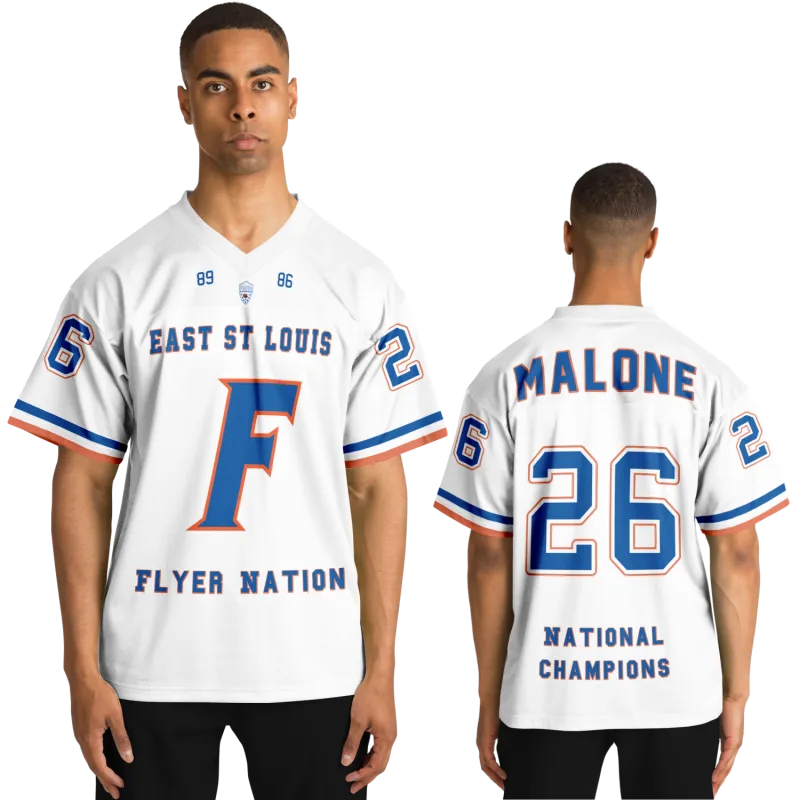
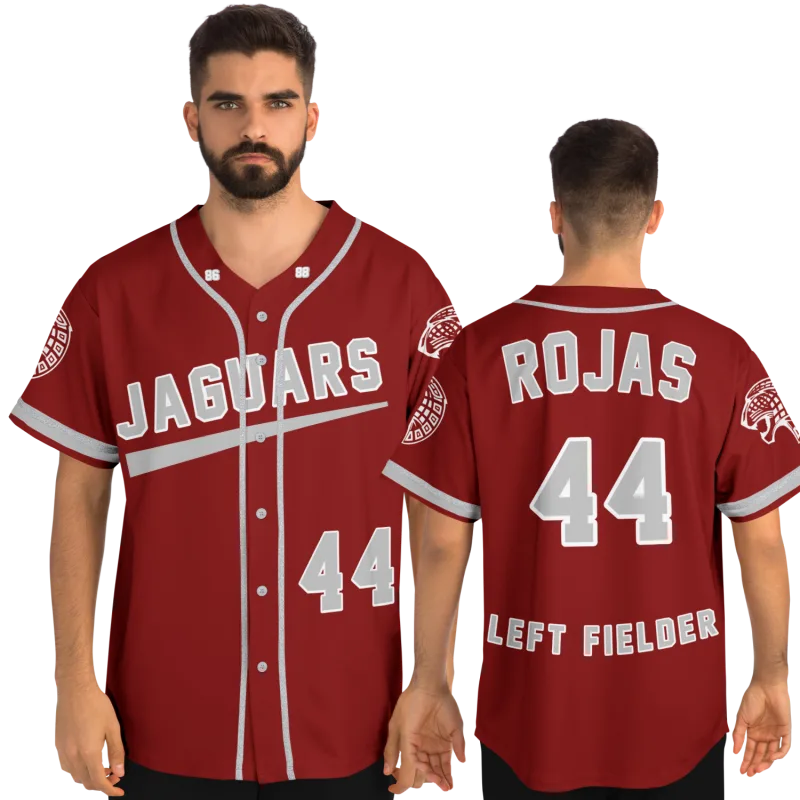
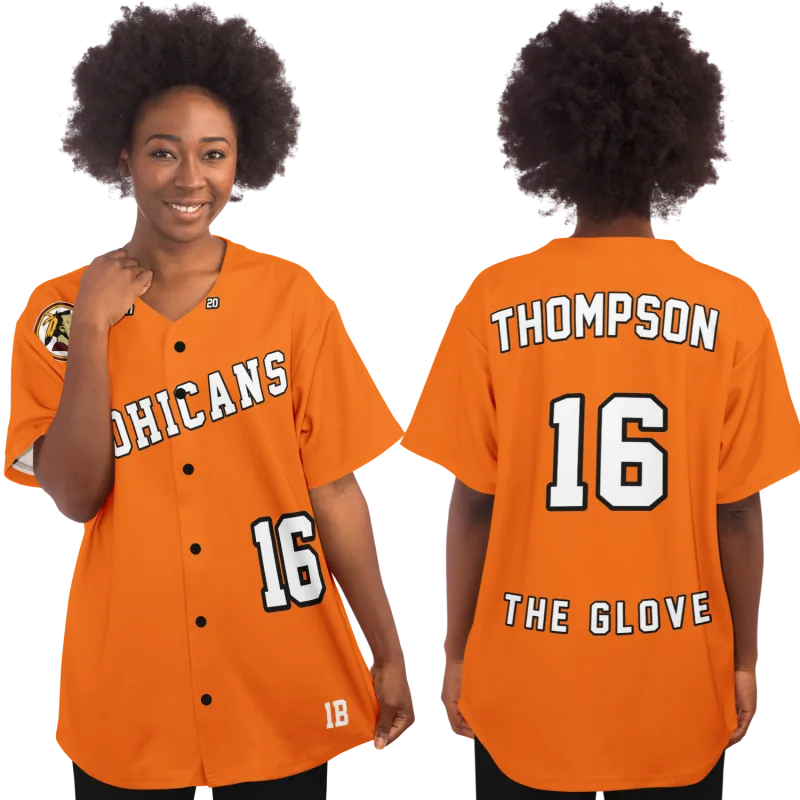
Adult softball has the widest geographic footprint of any team sport for adults. USSSA and NSA both operate national networks with local affiliates running divisions from social to elite. Former high school baseball and softball players consistently report that finding a competitive softball league is easier than finding adult baseball — there are simply more leagues, more divisions, and more players. And once you find your league, a custom softball jersey with your name, number, and team colors makes the experience feel official from the first game.
Adult baseball is more regionally concentrated but has grown substantially. The Roy Hobbs Baseball organization runs age-bracket tournaments nationally, and many metro areas have Men's Senior Baseball League (MSBL) affiliates with age divisions starting at 18+.
The skill gap in softball is real at the top tiers. A former high school shortstop will notice the difference between Comp Rec and Open divisions immediately — the Open level plays closer to the high school experience in terms of speed and execution.
Soccer
Adult soccer benefits from both the YMCA/parks system and a parallel network of private adult leagues that have grown significantly over the past decade. Cities with strong immigrant communities often have the most competitive adult soccer infrastructure — leagues organized around national backgrounds that play at a genuinely high level.
For former high school players, USTA/US Adult Soccer affiliated leagues offer structured play with age brackets. Co-ed leagues are widely available and often more competitive than their name suggests.
One sport-specific note: the physical demands of adult soccer at competitive levels are significant. Former athletes returning after a gap of five or more years often need four to six weeks of sport-specific conditioning before their joints and cardiovascular system match their skill memory. Playing through that adjustment without preparation is how injuries happen.
Volleyball, Tennis, and Individual-to-Team Sports
Volleyball has a strong adult recreational presence, particularly indoor and sand variants. USA Volleyball operates adult club and recreational programs, and most urban recreation centers run ongoing volleyball leagues with multiple skill divisions.
Tennis offers a uniquely structured adult return path through the USTA Adult League program, which uses a NTRP rating system (ranging from 2.5 to 7.0) to place players in appropriate competitive brackets. Former high school tennis players typically rate between 4.0 and 5.0. The rating system removes the guesswork from tier selection entirely — a genuine advantage over sports where self-reporting is the only placement mechanism.
The Gap Between Your Memory and Your Body: What to Actually Expect
This is the conversation that no directory listing or "how to stay active" article addresses directly.
If you played competitive sports in high school and you're returning to organized play in your 30s or 40s, your sport-specific intelligence is still largely intact. Reads, positioning, anticipating the play — those patterns are durable. What changes is the physical expression of those patterns. Your first step is slower. Your recovery time between sprints is longer. Joints that absorbed contact without comment at 17 now have opinions.
The athletes who return successfully understand this as a translation problem, not a decline problem. The goal is not to play like you did at 17. The goal is to play in a way that expresses your actual competitive intelligence at your current physical capacity — and to find a league where that combination is an asset.
In our experience, the biggest adjustment is not physical. It's the three-week period after you first return to organized play, when the gap between what your brain expects and what your body delivers is most jarring. Former athletes who push through that window almost universally report that the adjustment stabilizes faster than expected. Those who quit in weeks two and three never find out.
Practical calibration points by age bracket:
- 30–34: Skill execution is close to peak. Recovery time slightly longer. Primary adjustment: sleep and hydration requirements are higher than at 22.
- 35–39: First step speed and vertical have measurably declined. Intelligence and positioning compensate almost completely at the Comp Rec level. Warmup is non-optional.
- 40–44: The physical gap is real but manageable. Athletes who maintained any base fitness return effectively. Those returning from extended inactivity benefit from 6–8 weeks of general conditioning before league play.
- 45+: Age-bracket leagues become the better option for most sports. Playing against a 28-year-old in peak shape is a different experience than playing against a 47-year-old who also lettered in high school and also has two kids and a mortgage.
Marcus T., 38, Former High School Defensive Back
Marcus T., 38, played defensive back at a competitive suburban high school in Ohio — the kind of program that routinely sent players to D3 and occasionally D1. He stopped organized play after a knee injury his freshman year of college and spent the next 15 years coaching youth flag football on weekends. When he finally registered for an adult flag football league at 36, he started in the recreational division and spent one season fighting the pace. A coach in the league pointed him toward the competitive division the following year. "The rec guys were great people," Marcus said. "But I kept making reads before they'd even decided to run the route. I wasn't being competitive — I was just bored." Two seasons in the competitive division later, he's a team captain. The physical conditioning took six weeks. The competitive context clicked in the first game.
How to Find Adult Leagues Near You: A Practical Search System
The search for adult sports leagues near you is less straightforward than it should be. The landscape is fragmented across national organizations, local parks departments, private operators, and sport-specific bodies. Here's a search approach that surfaces options most people miss.
Start with sport-specific national organizations. Most major sports have a national adult recreational body with a local affiliate finder. USSSA for softball/baseball, USA Volleyball, USTA for tennis, US Adult Soccer. These directories are more reliable than generic "adult leagues near me" searches because they filter for sanctioned, organized play with consistent rules and officiating.
Check your city's parks and recreation department directly. Parks departments run adult leagues that often don't appear in Google searches or third-party platforms. A direct search for "[your city] parks and recreation adult leagues" surfaces programs that private operators and national directories miss. These leagues are typically subsidized, lower-cost, and well-organized.
Use YMCA league finders. The YMCA operates the largest network of adult recreational sports programs in the country. Most branches post seasonal league schedules online. The skill level varies significantly by location, but the infrastructure is consistent.
Search PlayMetrics, ZogSports, and local league operators. Private adult league operators have grown significantly in urban areas. PlayMetrics and similar platforms aggregate multiple local leagues. ZogSports operates in several major metros. These platforms lean social but increasingly offer competitive divisions.
Ask at the gym or facility. This sounds obvious and is consistently underused. The person who runs the competitive pickup basketball game on Saturday mornings knows which leagues the serious players are in. Staff at sport-specific facilities (tennis clubs, volleyball gyms, batting cages) frequently know the local competitive adult league landscape in detail.
Timeline expectation: Most adult leagues register seasonally — fall, spring, and sometimes summer. Building your search around the registration window for your target sport (typically 4–6 weeks before season start) gives you the most options.
Playing Sports Again After High School: The Competitive Athlete's Checklist
Before your first season in an adult league, this checklist addresses the specific variables that determine whether returning to competitive play goes well or goes badly.
-
Select your tier honestly. Underpaying your competitive history is as damaging to your experience as overestimating it. Former varsity athletes in Comp Rec leagues typically find their level within two to four games.
-
Do sport-specific conditioning for four weeks before the season starts. Not general fitness — sport-specific movement patterns. If you're not sure where to begin, our guide on how to start training again after years away from your sport walks through every phase from the first workout to your first game. A former soccer player needs lateral change-of-direction work and 40-minute cardiovascular intervals, not treadmill running.
-
Register as an individual if you don't have a team. Most leagues have individual registration that places you on a team needing players. This is standard and normal. You will not be the only person doing this.
-
Communicate your background to the team captain upfront. "I played varsity [sport] in high school and I'm returning after [X years" gives your new teammates context and prevents the awkward first-game adjustment.
-
Plan for the three-week adjustment window. The first three weeks are the hardest. Your physical execution does not yet match your competitive memory. This is temporary. Finishing the third week is the most important milestone in your first season.
-
Address the equipment gap before the first game. Fifteen years of not playing means your gear is either outdated, wrong-sized, or missing. Showing up to a competitive adult game with 2009-era footwear is a liability. Budget for this before registration. While you're digging through old athletic gear, you may also come across that varsity letter jacket sitting in the back of the closet — here's what to do with it.
Recreational Sports for Adults Over 30: Age-Bracket Leagues and What They Offer
The best-kept infrastructure secret in adult recreational sports is the age-bracket league system. Most major sports have age-bracketed competition — 30+, 35+, 40+, 45+, 50+ — and these divisions often produce the most genuinely competitive environment for former high school athletes who are aging out of open divisions.
The MSBL/MABL (Men's Senior Baseball League / Men's Adult Baseball League) runs age-bracketed baseball competition across hundreds of affiliates nationwide. The Roy Hobbs Baseball organization runs age-bracket tournaments in multiple sports. USTA's adult league system is explicitly structured around age brackets.
What age-bracket leagues provide that open leagues don't: everyone is navigating the same gap between competitive memory and current physical capacity. The competition is real. The intelligence and positioning of former athletes is visibly present. And the postgame conversation is frequently excellent — people who played seriously for a decade or more and are now navigating the same return have a specific kind of camaraderie that open leagues don't naturally produce.
For former high school athletes who are playing sports again after high school in their late 30s or 40s, age-bracket leagues are frequently the most satisfying competitive experience available. The level of play is lower than open competition. The quality of the experience is consistently higher. Many athletes in these leagues also find themselves wanting to display what the game meant to them — a custom sports shadow box with jerseys, photos, and other artifacts is one of the most common ways that impulse takes form.
Your jersey is still out there waiting.
Not sure you're still an athlete at heart? Here are 10 signs that say otherwise — the fact that you're here is already sign number one.
Design yours in minutes and see your name and number exactly the way you remember it.
Frequently Asked Questions
How do I find adult recreational leagues near me for a specific sport?
Start with the national organization for your sport — USSSA for softball and baseball, USA Volleyball, USTA for tennis, US Adult Soccer for soccer. Each maintains a local affiliate finder. Simultaneously, search your city's parks and recreation department directly, as publicly subsidized leagues are frequently absent from third-party platforms. For basketball, the YMCA's league finder covers the widest geographic footprint. Private operators like ZogSports and PlayMetrics cover major metro areas and aggregate multiple league options in a single search.
I played competitively in high school but haven't played in 10+ years. What division should I register for?
Competitive Recreational (Comp Rec) is the right starting point for most former high school varsity athletes returning after a significant gap. The recreational tier will frustrate you within three games. The open or competitive tier may be manageable physically, but the intensity is closer to college club sports than to what most adults returning from a long break are ready for in the first season. Register for Comp Rec, communicate your background to the league coordinator, and move up after one season if the pace isn't enough.
What's the best way to return to organized sports if I don't have a team?
Individual registration is standard across most organized adult leagues. You will be placed on a team with open roster spots — a common arrangement that works well at every level. Many adult league veterans specifically prefer individual registration because it builds new social connections rather than maintaining existing ones. Register individually, note your experience level and position on the registration form, and show up to the first practice prepared to introduce yourself. Within two or three games, the team dynamics establish themselves naturally.
Are age-bracket leagues worth it compared to open adult leagues?
For former high school athletes over 35, age-bracket leagues are typically the better competitive experience — not because the play is weaker, but because the competitive intelligence in the room is higher. Everyone in a 40+ league is navigating the same gap between their sport memory and their current body. The positioning, reading of plays, and execution of fundamentals is often sharper in age-bracket leagues than in open recreational leagues that mix serious athletes with genuine beginners. The MSBL (Men's Senior Baseball League), USTA adult age brackets, and Roy Hobbs tournaments are the most established national options across multiple sports.
How long does it realistically take to feel competitive again after returning to organized sports?
For most former high school athletes, the adjustment period is three to six weeks of actual organized play — not training, but games. The first two weeks involve the largest gap between competitive expectation and physical execution. By weeks four through six, the movement patterns reinforce themselves, the conditioning adapts to sport-specific demands, and the competitive instincts that were dormant begin expressing themselves reliably again. Athletes who maintain general fitness before returning adjust faster. Those returning from extended inactivity benefit from four to six weeks of sport-specific conditioning before the first league game.
See also: athletic identity after high school | what high school sports taught you that nothing else could | reconnect with former high school teammates | the grief that comes with the end of your athletic career