
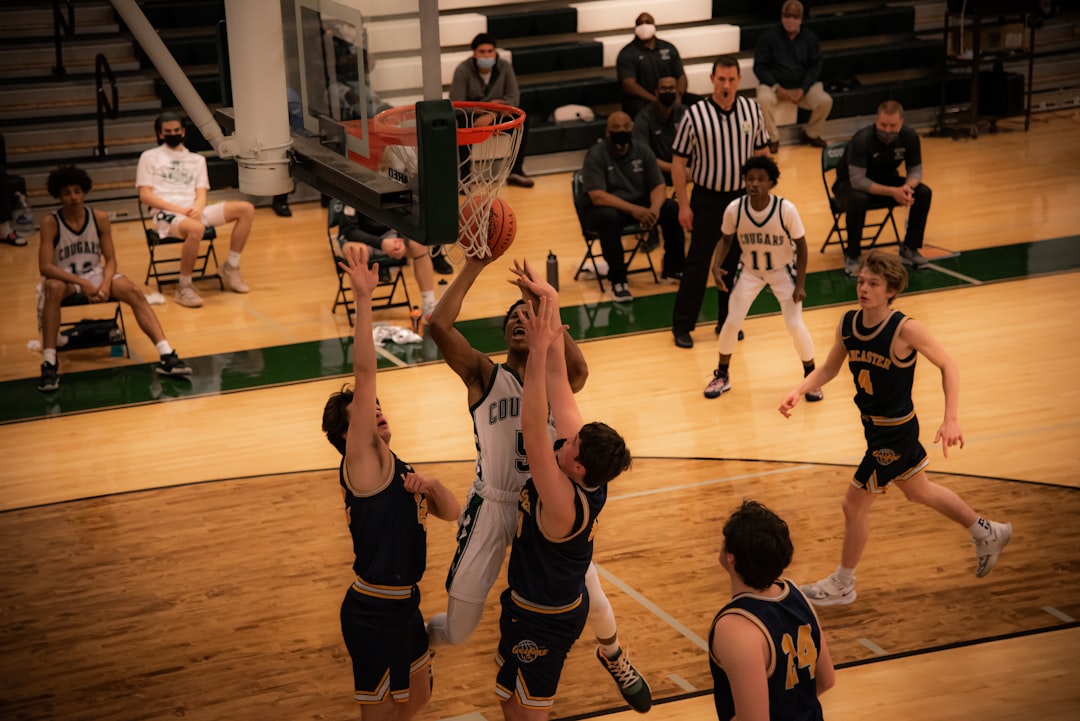
There's a group chat sitting on your phone right now. Someone floated the idea three weeks ago — "we should do an alumni game this year" — and seventeen people reacted with fire emojis. Then nothing happened.
That's how most alumni games die. Not from lack of interest. From lack of a plan.
If you've been tasked with turning that group chat into an actual event, this is the guide you need. Knowing how to organize a high school alumni game is less about athleticism and more about logistics, coordination, and a few phone calls that most people put off until it's too late. Get those right, and the game takes care of itself. Skip them, and you'll be scrambling the week before — or canceling altogether.
This is the complete playbook: how to coordinate with your school, handle insurance and liability, structure age brackets, promote through your alumni network, and make the day feel like more than just a pickup game.
Step 1: Lock In the School Before You Do Anything Else
Every other decision flows from this one. Until you have a confirmed venue and a date, nothing else is real.
Your first call or email goes to the school's athletic director — not the principal, not a coach you knew back in the day. The athletic director is the gatekeeper for facility access, and they've almost certainly handled alumni event requests before. They know the process.
What to ask in that first conversation:
- Is the facility available for an alumni event on [your target date range]?
- What does the school require from organizers — insurance certificates, facility use agreements, supervision requirements?
- Is there a faculty or staff liaison who needs to be involved?
- Are there any restrictions on who can participate (age minimums, student enrollment restrictions)?
Go in with two or three flexible date options. High school gyms, fields, and courts are in constant use — practice schedules, booster events, outside rentals. The school will appreciate your flexibility, and flexibility dramatically increases your chances of getting a yes.
A word on timing: For a fall football alumni game, start this conversation in late spring. For a basketball game timed to homecoming, reach out in August at the latest. The schools that say no are almost always responding to someone who called three weeks before the event.
Once the school confirms the venue, get everything in writing. A facility use agreement protects you, the school, and every player on the field.
What This Will Cost
Before you start collecting registration fees, get a realistic budget picture. Alumni games don't have to be expensive, but they aren't free — and organizers who skip this step usually cover surprise costs out of pocket.
Here's what a typical high school alumni game costs, from bare-bones to well-produced:
- Venue and facility fees: $0 to $500. Many public high schools waive facility fees entirely for alumni events, especially if a faculty member sponsors the request. Private schools and some larger public districts charge hourly rental rates, typically $50 to $150 per hour for gymnasiums and $100 to $300 for football fields. Always ask about a fee waiver before budgeting for the full rate — the answer is yes more often than you'd think.
- Event liability insurance: $75 to $300 for a one-day or weekend policy, covered in Step 2. Factor this into your total before committing to other spending.
- Officials and referees: $100 to $400. A single basketball official charges roughly $40 to $75 per game; football or flag football requires two to four officials at $50 to $90 each. If the school's athletic department is willing to provide officials from their regular rotation — which happens regularly — this cost drops to zero.
- Equipment and supplies: $50 to $200. Jerseys or pennies, basketballs or footballs, a first-aid kit, water and ice, and any signage. Borrow from the school's athletic department where possible; most are willing to lend basic equipment for an alumni event.
- Promotion and incidentals: $0 to $100. Facebook ads targeting local alumni can run for $25 to $50. Printed flyers, a small photographer stipend, or a thank-you gift for coaches adds modestly to the total.
Realistic total range: $200 to $1,500. On the low end, you have a school that waives fees, lends equipment, and provides officials — all you're covering is insurance and basic supplies. On the high end, you're renting a major facility, insuring a full-contact format, and producing a polished event with paid promotion. Most first-time alumni games land somewhere in the middle: $400 to $800.
The most reliable strategy for controlling costs is simple: ask for what you need rather than assuming you'll pay for it. Schools and athletic departments support alumni events regularly, and the resources — facility access, equipment, officials — often already exist. Someone just has to request them.
Step 2: Solve the Insurance and Liability Question
This is the step that kills more alumni games than any other — not because it's impossible, but because nobody wants to deal with it until it's too late.
Here's the direct answer: you need event liability insurance, and you need it before anyone sets foot on school property.
Most schools will require a certificate of insurance naming the school district as an additional insured. The coverage threshold varies by district, but $1 million general liability is a standard starting point. Some districts require $2 million.
Two practical ways to get covered:
- Short-term event insurance: Companies like Next Insurance, TULIP (Tenant User Liability Insurance Program), or K&K Insurance offer one-day or weekend event policies specifically designed for sports events. Expect to pay between $75 and $300 depending on the number of participants and the sport. Football carries higher premiums than basketball.
- Alumni association umbrella: If your high school has an active alumni association, contact them before purchasing your own policy. Many established associations carry blanket event liability coverage that extends to sanctioned alumni events. This can eliminate the cost entirely.
One additional layer worth considering: a participant waiver. Every player who registers should sign a release of liability acknowledging the physical risks of participation. This does not replace event insurance, but it adds a layer of protection and signals to the school that you're running a professionally organized event.
In our experience, schools that initially hesitate on facility access become significantly more cooperative the moment you mention you're handling insurance proactively. It tells them you've done this before — or at least thought it through.
Step 3: Build a Structure That Actually Works — Age Brackets, Rosters, and Rules
Here's where alumni games either stay fun or turn into something uncomfortable to watch.
The problem with an open-format alumni game is that a 22-year-old who played D3 ball and a 45-year-old who hasn't run a full court in a decade are technically eligible for the same lineup. That gap doesn't produce a competitive game. It produces injuries and frustration.
Age bracket options that work:
For basketball and similar court sports:
- Open division (18–29): Full-speed, competitive play. Standard game rules apply.
- Masters division (30–45): Modified pace. Consider extending shot clock or shortening game periods.
- Legends division (46+): Half-court or modified rules. This bracket keeps older players engaged without putting them in danger.
For high school alumni football games, the liability calculus changes significantly. Full-contact football involving non-current athletes is increasingly difficult to insure and increasingly hard to staff with officials. The format that works — and the one most schools will approve — is flag football, which can still be intensely competitive without the collision risk. Structure it the same way: younger graduates in one bracket, older alumni in another, with the option for a mixed-bracket exhibition game at the end.
Roster management: Set a registration deadline at least three weeks before the event. Cap rosters at a number your venue can handle safely — 20 to 30 players per bracket for basketball, 16 to 22 per flag football team. Use a simple Google Form or Eventbrite registration to collect names, graduation years, and emergency contact information. That last item matters more than most organizers think.
Step 4: Promote Through the Channels That Actually Reach Former Players
Marcus T., 38, organized his first alumni basketball game planning session for his class's 20th reunion and spent two weeks wondering why registration was stuck at nine players. He'd posted once on his personal Facebook page. Once he asked three well-connected classmates to personally text their networks, registration hit 34 players in five days.
The lesson Marcus learned is one every alumni event organizer figures out eventually: broadcast promotion doesn't work for this audience. Personal outreach does.
Your promotion strategy has two tiers.
Tier 1 — Direct network activation (start here):
Identify five to eight former players who are still well-connected within their graduation year cohorts. These are the people who still have group chats from back then, who show up to reunions, who respond to every "remember when" post. Give each of them a specific ask: "I need you to personally invite 10 people from our class. Here's the link and the date." Personal asks from trusted contacts convert at a dramatically higher rate than a flyer posted in a Facebook group.
Tier 2 — Broader alumni channels:
- The school's official alumni newsletter or email list (ask the front office or alumni association if one exists)
- The school's athletic department social media accounts — many will co-promote alumni events
- Local community Facebook groups for your city or county
- LinkedIn, which is increasingly effective for reaching alumni in their 30s and 40s who have drifted away from other platforms
What your promotional content needs to say:
Don't lead with the logistics. Lead with the feeling. "Your old teammates are coming back. Are you in?" covers more ground than "Alumni basketball registration now open." Include the date, location, registration link, and one clean photo — ideally a throwback image from an actual game, if you can source one from the school's yearbook archives.
One thing most planners skip: send a reminder to everyone who registered seven days out and again the day before. Registration drop-off between sign-up and game day is real. A personal-feeling reminder message ("We're two days out — see you Saturday") cuts no-shows significantly.
Step 5: Make the Day Feel Like More Than a Game
The logistics get people there. What happens on the day is what they'll talk about for the next ten years.
The alumni games that become annual traditions share a specific quality: they're designed with the experience in mind, not just the competition. Here's what separates the memorable ones from the forgettable ones.
Involve current players and coaches. If the school's current varsity team is available, have them participate in a skills competition or a brief scrimmage with alumni. Passing the torch — even informally — creates a meaning layer that a pure alumni game doesn't have. Check with the athletic director on eligibility rules before committing to this format.
Honor the history. A simple pre-game ceremony acknowledging former coaches, deceased teammates, or championship seasons costs nothing and means everything. Three minutes at center court or on the 50-yard line before the game starts. A moment of silence if appropriate. An acknowledgment by name of coaches who shaped the program. People will remember it.
Create a halftime or between-game social zone. Tables, food, a photo station with a school banner — anything that gives people a reason to linger and talk instead of leaving after their bracket finishes. The conversations people have at halftime are often the whole reason they came.
Document it. Designate someone — or hire a student photographer from the school's journalism program for a nominal fee — to capture photos and short video clips. Share them with participants within 48 hours. This is how the event builds its own momentum for next year.
Step 6: Set Yourself Up for Year Two Before You Leave the Building
The alumni games that happen once and never happen again usually fail at this stage. Not because the event went poorly — often it went great — but because nobody captured what made it work.
Before you leave the venue, do four things:
- Get a commitment from the school for the same date window next year. Athletic directors plan their facility calendars a year in advance. Locking in your slot on the way out the door is dramatically easier than trying to re-book from scratch twelve months later.
- Collect contact information for every participant. A simple sign-in sheet or digital check-in at the door. This is your list for next year's promotion.
- Debrief with your core planning team the same week. What worked, what didn't, what you'd do differently. Write it down. You will not remember the details in eleven months.
- Name a point person for continuity. Alumni games that become annual traditions almost always have one person who owns the institutional memory — the school contact, the insurance provider, the registration process. That person doesn't have to do everything. They just have to make sure it happens.
Your jersey is still out there waiting.
You spent years wearing that number. The alumni game is how you wear it again — but there's another way to bring it back.
Design yours in minutes and see your name and number the way you remember it.
Frequently Asked Questions
How far in advance should I start planning a high school alumni game?
For a full-scale alumni game with school facility access, insurance, and organized brackets, four to six months of lead time is the realistic minimum. The school coordination and insurance steps alone can take two to four weeks to resolve, and you want registration open for at least three to four weeks before the event to hit a viable participant number. If you're planning a smaller, more informal game at a public park with a loosely organized group of former teammates, you can move faster — but the school-sanctioned format requires the longer runway.
Do I need insurance if the game is held at a public park instead of the school?
Even at a public park, event liability insurance is worth having. Many parks and recreation departments require a permit for organized athletic events, and some require a certificate of insurance as part of the permit application. Beyond the permit requirement, any organized event where physical activity occurs carries injury risk. A one-day event policy through a provider like K&K Insurance typically costs less than $150 and protects the organizers personally if someone is injured and pursues a claim.
What's the best way to handle former players who want to participate but are significantly older or less physically prepared than other participants?
The age bracket structure in Step 3 addresses most of this, but you'll still encounter edge cases — a 55-year-old who was the best player in the school's history and wants to compete with the open division, or a 28-year-old recovering from surgery who wants a low-impact option. The right approach is to build flexibility into your bracket rules at registration rather than making case-by-case decisions on the day. Include a "please note any physical limitations or bracket preferences" field on your registration form. Let participants self-select into lower-intensity brackets without judgment. The goal is getting everyone on the floor — not enforcing strict age cutoffs that leave people on the sideline.
How do I find contact information for former players I've lost touch with?
Start with the people you're still connected to and work outward. A personal message to five well-connected former teammates will surface contact information for dozens of others within a week. For broader reach, the school's alumni association (if one exists) may maintain a contact database and may be willing to include your event in their communications. Social media graduation year groups — particularly Facebook groups organized around specific graduating classes — are often active and responsive to alumni event announcements. LinkedIn works well for reaching alumni who have moved out of the area.
Is flag football better than tackle for an alumni football game?
For a formally organized alumni event involving players across multiple age groups, flag football is the format that works. Full-contact tackle football with non-current athletes carries significant injury risk, is substantially more expensive to insure, and requires equipment, officiating, and medical personnel that informal organizers typically can't provide. Flag football is competitive, fast, and legible to anyone who played the game — it doesn't diminish the experience. Most high school alumni football events that have successfully become annual traditions run flag football formats.
See also: how to find and reconnect with former high school teammates | adult recreational leagues for former high school athletes | how to start training again after years away from your sport | why high school sports still matter to adults | the gap between your athletic memory and your current body