
The adult rec league former athlete is a specific kind of person — and if you are one, you already know it without needing it explained. You played. Seriously, for years, in a context where the scoreboard mattered and the effort was real. And then life did what life does, and the games stopped, and you told yourself that was fine.
It was mostly fine. Except for the part where it wasn't.
Re-entry into competitive sport, for someone with a real athletic background, isn't quite a decision. It's more of a capitulation to something that was already true. The question was never whether you'd come back. The question was which Thursday night would finally tip the scale.
The Part of You That Never Actually Retired
Every former athlete remembers the specific moment the active chapter closed. Maybe it was the last game of your senior season: the final whistle, the handshakes, the drive home that felt different from every other drive home. Maybe it was a move to a new city where the league you meant to join kept sliding to next month. Maybe it was a surgery, or a schedule, or a baby, or all three arriving simultaneously like some kind of coordinated adult ambush.
What nobody prepares you for is what happens to the athlete identity after the games stop.
It doesn't retire. It relocates.
It lives in the way you track a ball in the background of any televised game without meaning to. In the way a freshly lined field produces a specific, involuntary response somewhere in your chest: a recognition, a readiness, something that has no clean name but that every person who competed seriously understands on contact. It lives in your competitiveness about things that have nothing to do with sport: your project turnaround time, your parking, your deeply committed opinion about the most efficient route to the grocery store.
The American College of Sports Medicine has documented for years that adults who participated in organized sport earlier in life maintain higher baseline motivation for physical activity across their lifespan — not just because of the fitness habit, but because of the identity scaffolding that athletic participation builds. You don't just learn to compete. You learn that competition is part of how you understand yourself.
Rec league doesn't create that person. It gives that person somewhere to go.
What the Signup Actually Feels Like
There is a very specific emotional sequence that accompanies signing up for your first adult rec league as a returning former athlete. The sequence is almost universal, and it goes like this:
First comes the justification phase. You tell yourself (and anyone who will listen) that you're doing it "just for exercise," "not to be competitive about it," "just to have fun and get out of the house." You mean none of this sincerely. You are already thinking about your position.
Then comes the gear audit. You find your old stuff. Some of it fits. Some of it is a historical document. You hold up a jersey that was once a medium and has now taken on the dimensions of a fitted crop top, and you experience a complicated series of feelings about the passage of time.
Then comes registration. You type in your name and your experience level and you hit submit, and for approximately forty-five seconds you feel like an athlete again in a way that is disproportionate to the act of filling out a web form. You are not embarrassed by this. Or you are, but only a little.
Then comes the waiting — which is when your body begins to suspect that something is being planned without its full consultation.
The Body's Official Position on All of This
Your mind and your body are going to have a negotiation when you return to competitive play, and it will begin approximately ninety seconds into your first real sequence at game pace.
Your mind will be fully operational. The reads will be automatic. The spatial awareness is intact: where your teammates are, where the defense is overcommitted, where the gap is developing two seconds before it opens. You will look at the field and see exactly what you always saw. This part is genuinely remarkable. Athletic pattern recognition, once built through years of competition, proves remarkably durable. Research published in the Journal of Sport and Exercise Psychology has demonstrated that sport-specific perceptual skills (the ability to read game situations and anticipate play development) show substantially less decline over time than the physical components of performance. Your eyes and your brain are still players.
Your hamstrings will have a different document to file.
They are not refusing to participate. They are protesting the conditions. They would appreciate having been consulted during the planning phase. They have been doing steady, moderate, entirely reasonable activity for several years and consider a competitive sprint at game pace to be a change in the terms of the arrangement.
The lungs will be the most honest part of the experience. Every other component of the comeback can be softened — better warmup, smarter pacing, the right recovery protocol. The lungs will simply tell you the truth at the two-minute mark of your first hard sequence, and the truth will be that the gap between recreational fitness and competitive conditioning is wider than it looks from the outside.
None of this is failure. None of it is evidence that the comeback was a mistake. It is physics, applied to a body that has been living a full life, reporting for duty.
The interesting thing (the thing that surprises returning athletes who weren't expecting it) is how little the physical gap actually diminishes the experience. Yes, your first post-game morning will involve a personal reckoning with the concept of stairs. Yes, you will purchase foam rollers with the same focused energy you once brought to film study. Yes, the recovery math has changed, and knowing which common injuries former athletes face when returning to their sport helps you solve for fewer unnecessary variables, but you will adapt to the new math.
But you will also have played. And that matters in ways that are difficult to explain to people who haven't done it.
What Comes Back That You Didn't Know Was Gone
Marcus T., 41, signed up for an adult flag football league two years after telling his wife he was "done with all that." He showed up not knowing anyone, wearing a borrowed jersey two sizes too large, and spent the first two plays getting his reads wrong because the speed of the game was different than he'd been picturing. By the fourth play, his legs were burning and his lungs were filing their complaints and he had not felt that specifically like himself in three years.
"It wasn't about being good," he said afterward. "It was about being that again. I forgot I missed it until I was back in it."
This is what rec league returns to the former athlete that had quietly gone missing — one of the most direct ways former athletes reconnect with their sport: the experience of being defined, for a few hours, entirely by what you can do in space. Not by your title, your output, the version of yourself you perform in professional contexts. By whether you're in position. By whether your teammates trust you when the game is close. By the clean, uncomplicated accountability of sport — you either made the play or you didn't, and then you line up and try again.
Adult life is relentlessly about performance measured against other people's expectations and frameworks. Rec league, at its best, strips that down to something older. You are a player. The field is the field. For ninety minutes, nothing else is the subject.
There is also the specific pleasure (available only to people who played) of being around other people who played. People who don't need competition justified or explained. Who understand, without discussion, why winning a game with no stakes still matters. Who speak the same shorthand. Who trash-talk in the particular way that is indistinguishable from deep affection.
The Sport and Recreation Alliance has noted in its research on adult participation that social belonging is among the top three reported motivators for adults returning to organized sport — often ranking above fitness outcomes. Former athletes, in particular, describe reconnecting with a sense of community that their playing years provided and that proved difficult to replicate through individual fitness activity alone. You can run alone. You cannot have a team alone.
The Jersey Is Not a Small Thing
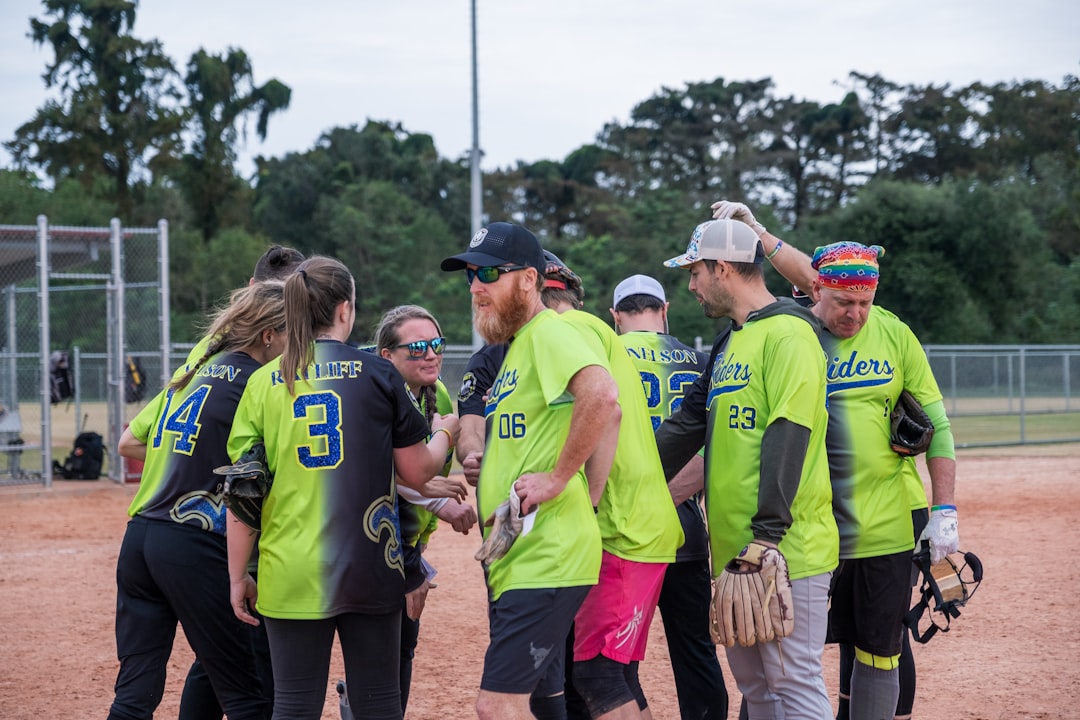
At some point in the rec league process, the conversation about jerseys happens. Sometimes it's in a group chat. Sometimes it's standing around after the first practice. Someone says, "We should get real jerseys," and the energy shifts in a way that's hard to describe but immediately recognizable to anyone who's been through it.
The jersey was never decorative. Not when you played, and not now.
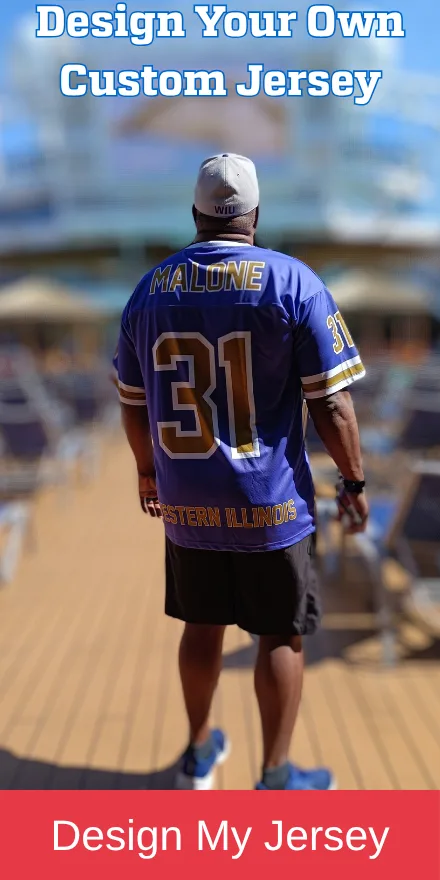
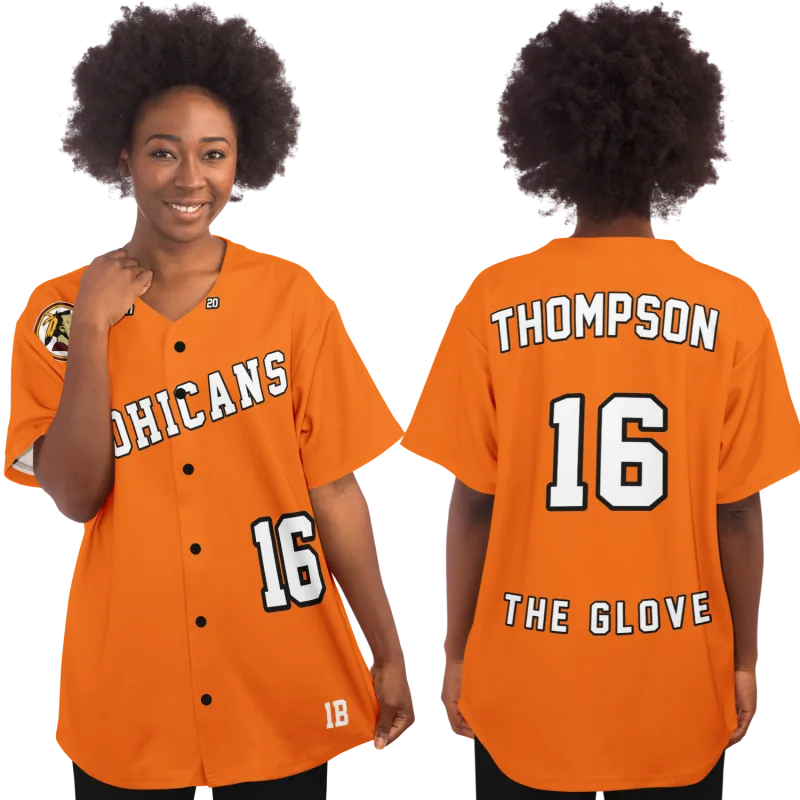
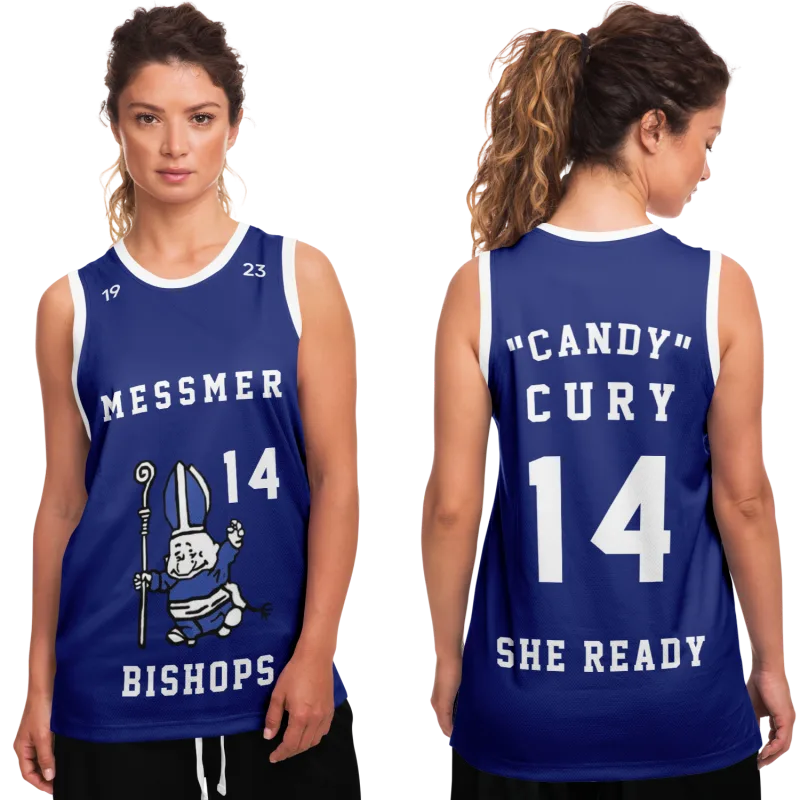
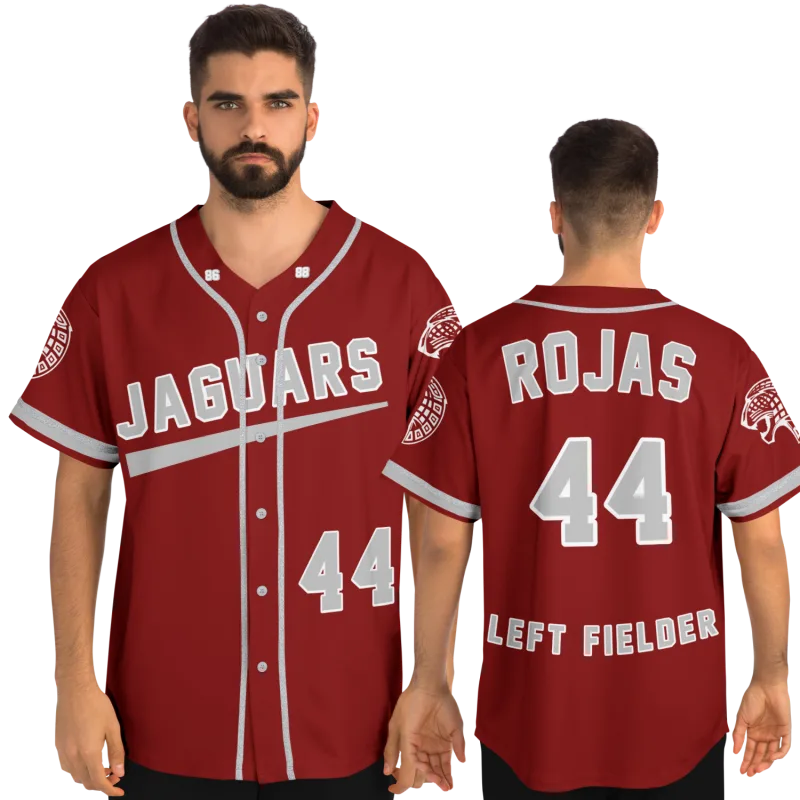
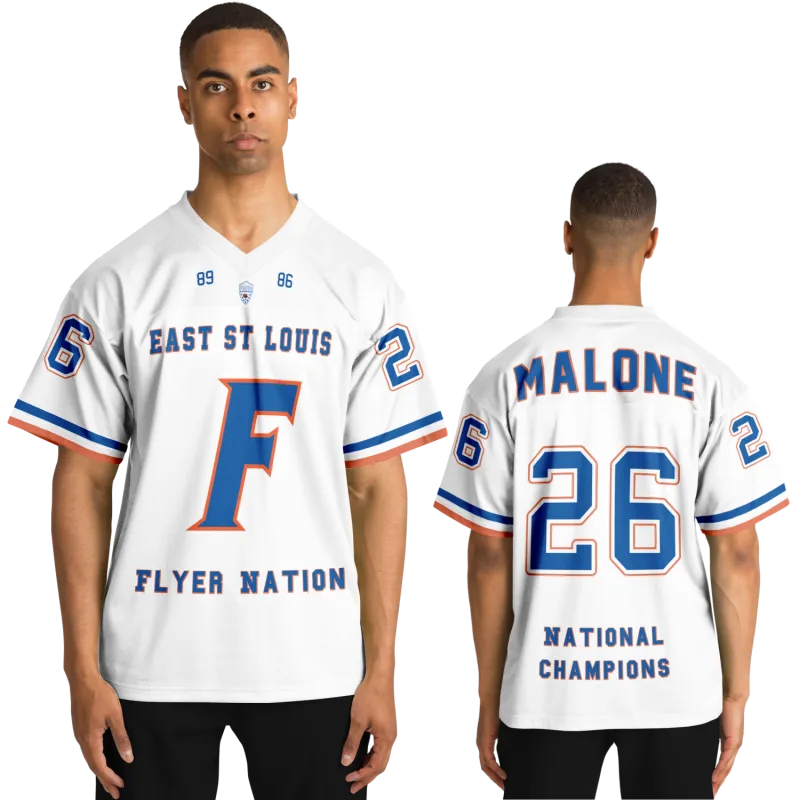
Putting it on was a specific act. Your name on the back. Your number. Your team's colors. These were the visible announcement of who you were in the context of the game — not your resume, not your credentials, just your name and your number and the team you were part of. That simplicity was its power.
Adult rec league jerseys carry the same weight, scaled to the context. They're the thing that converts a group of people showing up to the same field into a team. The thing that, when you look at the photo from last season, makes you recognize something you'd been missing without having had a word for it.
In my experience as a former player, the teams that invest in a real uniform — names on the back, numbers, actual colors — report a different kind of commitment to the season than the ones showing up in mismatched shirts. Not because the jersey makes you a better player. Because it signals, to yourself and your teammates, that this is real. That you showed up to do something that matters, even if only to the people on the field.
The Comeback Is the Point
Here is the thing that takes most returning athletes a season or two to fully absorb: you are not trying to recapture who you were.
The instinct at the start is to measure yourself against the younger version. The one who recovered overnight. Who never thought about activation work or sleep quality or what he ate the night before a game. That comparison is a trap — not because you've declined in any way that should embarrass you, but because it's the wrong frame for what you're actually doing.
What you're doing is playing as the person you are now. The person who has twenty more years of life in the reading. Who understands, in a way that twenty-two-year-old version of you genuinely could not, what effort actually means and what it costs and why it's worth choosing anyway. Who has context for the game — what it gave you, what it taught you, what it's like to have been away from it and to have come back.
The body complains. The athlete adapts. The adaptation — the same underlying dynamic that explains why pickup games hit different when you used to play competitively — is what makes the comeback worth writing about.
You are not a diminished version of the player you were. You are a different kind of player — one who knows what the game is actually for. One who shows up on a Thursday night, foam roller in the car, name on the back of the jersey, ready to play.
The field has been waiting. It always was.
Your jersey is still out there waiting.
Design yours in minutes and see your name and number exactly the way you remember it.
Frequently Asked Questions
Is adult rec league worth it if I haven't played competitively in years?
Yes — and the gap in years matters less than most returning athletes expect. The mental components of athletic performance, including game reading, spatial awareness, and competitive instinct, prove remarkably durable over time. The physical conditioning gap is real but closes quickly with consistent play. Most returning athletes report that within four to six weeks of regular competition, the game feels substantially more like it used to. The first few sessions are humbling. The payoff arrives faster than you think.
What sport should I return to if I played multiple sports seriously?
Start with the sport where your movement vocabulary is most automatic — where you don't have to think about the mechanics of what you're doing, only the game itself. For most former multi-sport athletes, that's the sport they played longest at the highest level of organization, because that's where the deepest pattern recognition lives. Rec leagues now exist for virtually every sport, including hybrid formats like flag football and indoor soccer that preserve the competitive feel while reducing the injury exposure of full-contact or high-impact versions of the game.
What skill level or division should I sign up for as a returning athlete?
Sign up one division below where your memory tells you you belong, and base the decision on your current conditioning — not the athlete you were a decade ago. The most common mistake returning athletes make is jumping into a high competitive division because they "played at that level once," which is the fastest route to frustration, discouragement, and soft tissue injury; instead, honestly assess your fitness, mobility, and game-speed conditioning as they are now, and let that determine the division. Most organizations offer beginner-friendly or returning-player divisions built for exactly this situation, and a fun-first rec league is the ideal on-ramp. Start there, recondition your body to live game pace for a season, then move up if you want to — the higher divisions will still be there, and you'll arrive at them ready to actually enjoy the competition.
How do I manage the physical adjustment period without getting hurt?
The two most common mistakes returning athletes make are skipping the warmup (because you never needed much of one at twenty) and playing at full competitive intensity before the connective tissue has reconditioned to the movement demands. A dynamic warmup of at least fifteen minutes — specific to your sport's movement patterns — dramatically reduces soft tissue injury risk. The National Athletic Trainers' Association recommends a graduated return-to-sport protocol for adults resuming competitive activity after extended breaks: reduced intensity for the first two to three sessions, allowing joints and tendons to adapt alongside the muscular and cardiovascular systems that may already be in reasonable shape from general fitness training.
Do rec league jerseys actually affect team cohesion?
More than most people assume before they experience it firsthand. Visual identity markers — uniforms, shared colors, names and numbers — consistently appear in sports psychology research as meaningful contributors to group cohesion and individual commitment. But beyond the research, the practical experience is straightforward: teams that look like teams tend to play like teams. The shared identifier signals shared investment, and shared investment changes how players show up — for each other, for the season, and for the game itself.
See also: adult recreational leagues for former athletes | how to start training again after years away from your sport | the gap between your athletic memory and your current body | athletic identity after high school