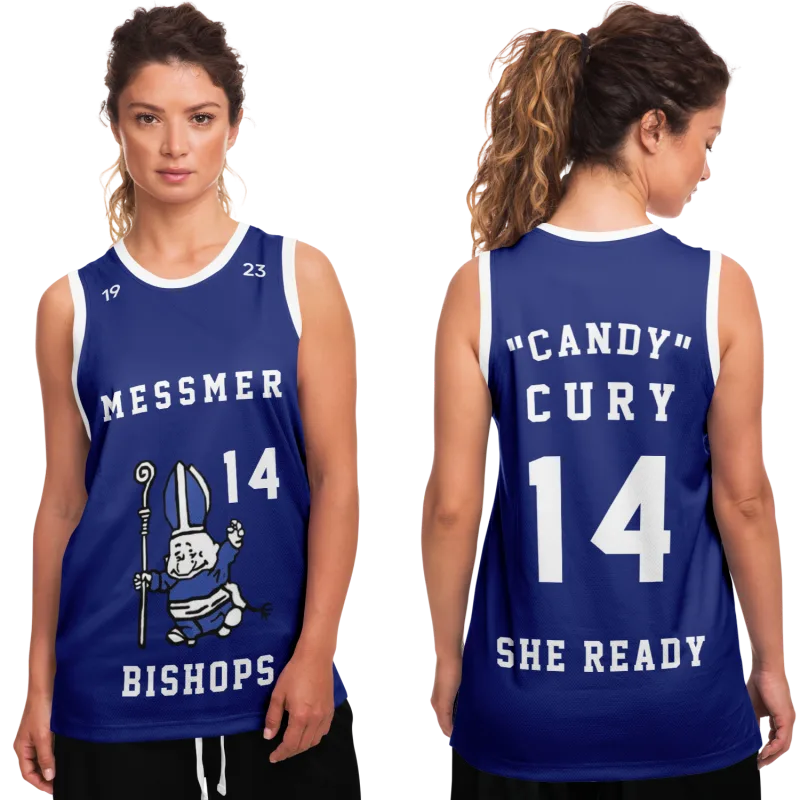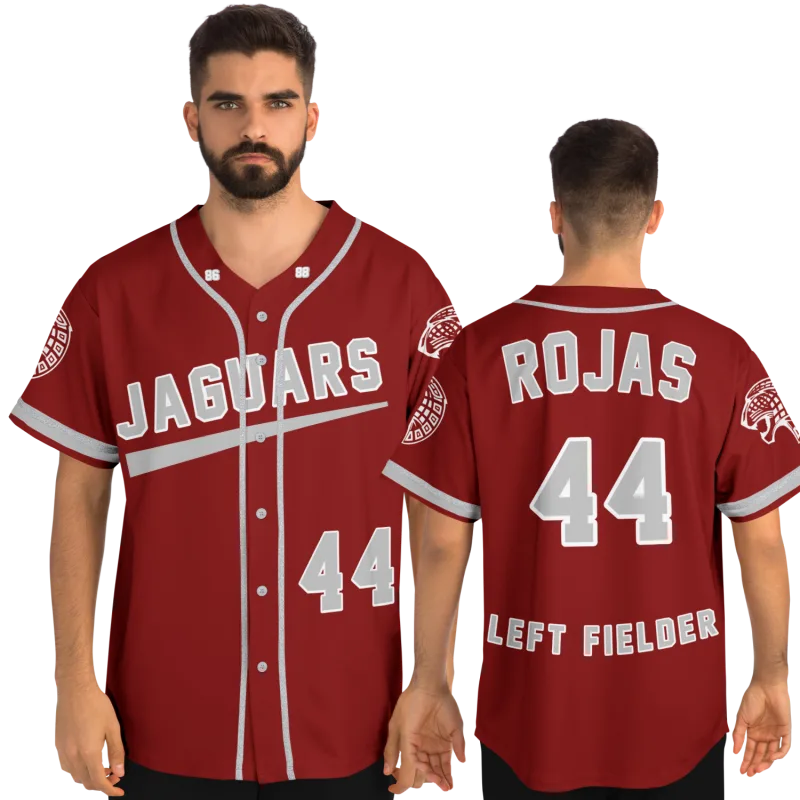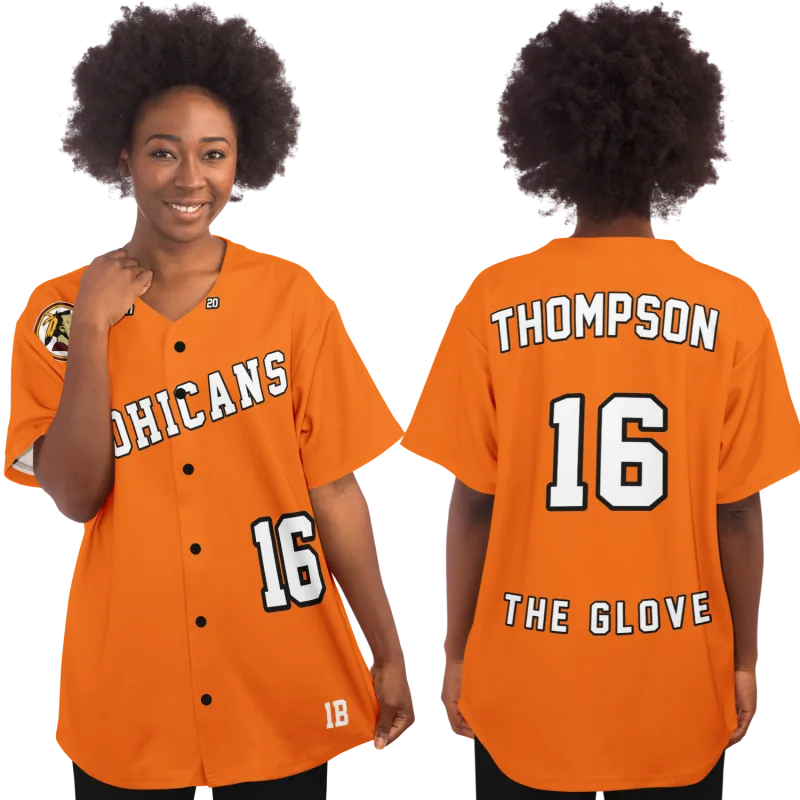
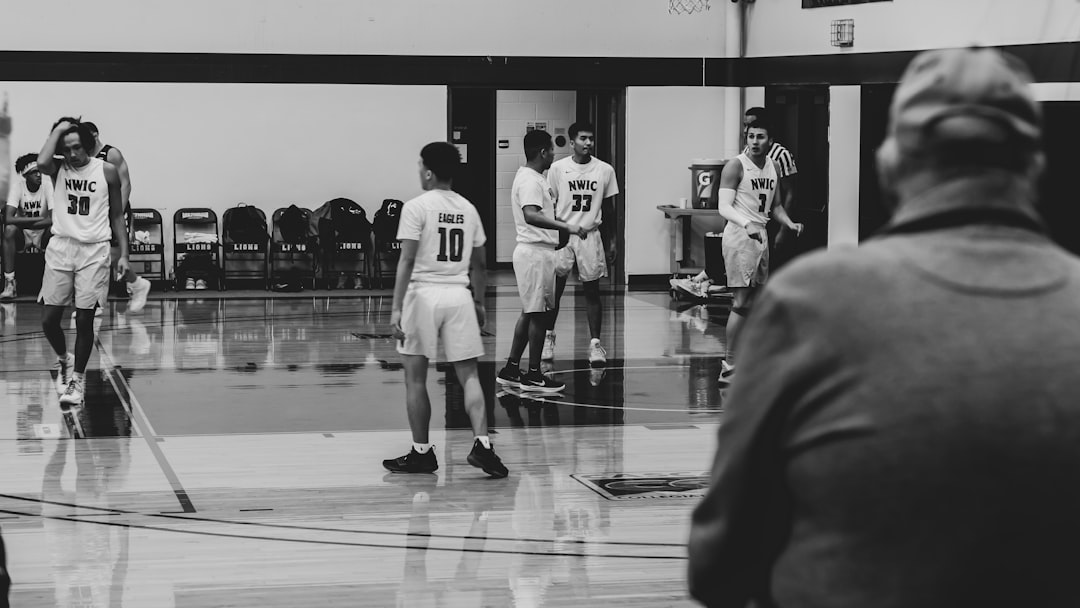
You felt it before you heard it. Maybe a sharp pull in the back of your calf on the third sprint. Maybe a slow, grinding wrong-ness in your knee after the third quarter of the alumni flag football game. Maybe you just woke up the next morning and couldn't straighten your arm.
Injuries when returning to sport after years off follow a pattern — and it's a specific, predictable, preventable one. The problem is that almost nothing written about this topic talks to the people it's actually happening to. Clinical orthopedic content covers surgical outcomes. Generic fitness injury guides cover casual exercisers who've never trained seriously in their life.
Neither of those is you.
You were a high school athlete. Maybe a college athlete. You trained hard, you competed, you understood your body at a level most people never reach. Then life happened — school, career, kids, the decade that somehow went faster than a single season — and now you're back on the court, the field, or the track, and your body is sending signals you don't entirely recognize.
This article is for the 30-to-45-year-old former competitor who is playing at a level their connective tissue cannot yet support. Here is what's actually happening inside your body, which injuries are coming if you don't adjust, and the specific prevention protocols that work for trained former athletes — not weekend warriors who've never done a two-a-day in their lives.
The Physiology of Detraining: What Changes and What Doesn't
This is the piece almost nobody talks about — and it's the entire reason former athletes get hurt in predictable ways.
When you stop training, different systems in your body detrain at completely different rates. Your cardiovascular fitness drops measurably within two to three weeks of inactivity but recovers relatively quickly when you return. Your muscle memory — the neuromuscular patterns that let you cut, pivot, and react — is surprisingly durable. Elite movement patterns learned during competitive training can persist for years, even decades, at a reduced but recognizable level.
Your connective tissue is a different story entirely.
Tendons, ligaments, and cartilage have notoriously poor blood supply compared to muscle. They adapt slowly to training loads, and they detrain slowly too — but "slowly" here means something specific: the degradation in tensile strength, tissue density, and collagen cross-linking that occurs over years of reduced activity does not reverse itself in the weeks or months after you return to activity. According to research published in the British Journal of Sports Medicine, tendon mechanical properties require sustained loading over months to adapt, not weeks.
Here's the dangerous gap this creates: your cardiovascular system feels fine after a few weeks of training. Your muscle memory tells your brain you can still make that cut. Your instincts are completely intact. But your Achilles tendon, your ACL, your patellar tendon, and your rotator cuff have not caught up. You are executing movements at a neurological level that your structural tissue cannot absorb at full speed under full load.
That gap — between what your brain remembers and what your connective tissue can handle — is exactly where former athletes get hurt.
The Injury Profiles: What Actually Happens and Why
Understanding the specific injury mechanisms doesn't just satisfy curiosity. It tells you which body parts to protect, how to protect them, and what warning signs to take seriously before a minor issue becomes a major one.
Achilles Tendon Rupture and Tendinopathy
The Achilles is the single most common serious injury in returning former athletes, particularly in court sports and any activity involving explosive push-off. Basketball, tennis, squash, volleyball — the pattern repeats constantly.
The mechanism is straightforward: the Achilles tendon responds to loading with a delayed adaptive response. The surrounding muscle — the gastrocnemius and soleus — recovers cardiovascular endurance relatively quickly and starts generating force at levels the tendon isn't ready to absorb. Add an explosive cut or sprint, and the accumulated microtrauma that's been building without adequate recovery crosses a threshold.
The warning sign most people ignore: a dull, stiff ache in the lower calf or just above the heel in the first 10-15 minutes of activity that "warms up" and disappears. That warming up is not recovery — it's the tendon's inflammatory response being masked by increased blood flow. Continuing to train through that pattern is how a tendinopathy becomes a rupture.
ACL and Knee Ligament Injuries
The torn ACL playing pickup basketball story is so common it has become a cliché — but the specific reason it happens to former athletes more than casual players is worth understanding.
Former athletes are more dangerous to themselves precisely because of their preserved movement instincts. A casual exerciser slows down on an unexpected surface change. A former basketball player instinctively plants and cuts at full speed because that's what the game requires and their nervous system knows how to execute it. The ACL hasn't been under that kind of loading in ten years. The result is predictable.
The higher-risk scenarios for former athletes specifically:
- First competitive game back after a long layoff (neuromuscular fatigue accelerates significantly faster in detrained tissue)
- Late in a session when proprioceptive feedback degrades with fatigue
- Wet or uneven playing surfaces where the foot can stick while the body keeps moving
- Any scenario involving deceleration under lateral load — the classic cut-and-plant pattern
Rotator Cuff Tears and Shoulder Impingement
For former overhead athletes — baseball, softball, volleyball, swimming — the shoulder is the primary injury site when returning after years off.
The rotator cuff muscles are relatively small, and the balance between the four muscles (supraspinatus, infraspinatus, subscapularis, teres minor) determines whether the humeral head tracks correctly in the shoulder socket during overhead movement. Years of reduced overhead training allows the posterior rotator cuff muscles to weaken disproportionately while the anterior structures remain tighter. The result is subtle but biomechanically significant: the humeral head tracks slightly forward, creating impingement on every overhead rep.
A former pitcher who hasn't thrown seriously in eight years will not feel this immediately. The impingement is gradual, the inflammation builds across multiple sessions, and by the time it becomes noticeable, there is already meaningful soft tissue irritation.
Stress Fractures and Bone Density
This one surprises former athletes because it doesn't feel like an acute injury. It feels like shin pain that doesn't go away.
Bone remodels in response to loading — specifically, the mechanical stress of weight-bearing activity triggers the bone remodeling cycle that builds density and structural resilience. After years of reduced loading, bone density in the weight-bearing regions of the foot, shin, and hip can decrease meaningfully. Return to running or court sports at competitive intensity means loading bones that have not been conditioned for that stress in years.
The result is stress fracture risk that former runners, soccer players, and basketball players frequently underestimate because the pain is diffuse, comes on gradually, and is easy to rationalize as "normal soreness."
Low Back Pain and Core Stability Deficits
Low back pain in returning athletes follows a distinct pattern — and it is not the same as the generic "threw my back out" that sedentary workers experience after a weekend of yard work. For former competitors in rotational sports, the mechanism is biomechanically specific, predictably triggered, and largely preventable.
During years of reduced sport-specific training, two things happen in parallel. The deep core stabilizers — the transverse abdominis, multifidus, and internal obliques that brace the lumbar spine during loaded rotation — weaken progressively without targeted maintenance. At the same time, the lumbar facet joints and surrounding soft tissue lose the sport-specific range of motion they once maintained. The joints stiffen. The stabilizers detrain.
When a former athlete returns to a rotational sport, the preserved motor patterns from competitive muscle memory generate rotational force at a level the nervous system remembers well. But the detrained core cannot brace the lumbar spine against that force, and the stiffened joints cannot distribute the load across the full range of motion. The result is focal overload on specific lumbar segments — the classic mechanical low back pain that sidelines returning golfers, tennis players, rowers, and softball or baseball hitters, often within the first few sessions back.
The sports with the highest cumulative risk for this pattern include golf (the rotational velocity of a full driver swing loads the lumbar spine at forces multiples of body weight), tennis and other racquet sports (repeated rotational loading with torso rotation against a planted lower body), rowing (prolonged lumbar flexion and extension cycling under resistance), and the hitting motions in softball and baseball (explosive rotational acceleration from a static stance).
Prevention centers on restoring core stability before exposing the lumbar spine to rotational loading. Three evidence-supported exercises form the foundation: plank progressions (front and side planks to recondition the deep stabilizers in anti-extension and anti-rotation positions), dead bug exercises (supine contralateral limb movements that train the core to resist spinal extension under load), and bird dogs (quadruped contralateral limb extension that rebuilds the multifidus and the posterior stabilizer chain). Two to three weeks of consistent core stability work — just ten to fifteen minutes per session, three to four times per week — meaningfully reduces the risk of mechanical low back injury when rotational loading begins.
The Former Athlete Injury Risk Factors: A Specific Profile
Generic injury prevention advice targets casual exercisers who are starting from a true baseline. The risk profile for older athlete injury looks different — because former athletes bring a specific set of physical and psychological factors that casual exercisers don't have.
The psychological factors:
Former athletes have trained through pain. This is not a compliment in this context — it is a specific liability. The ability to push through discomfort that was a competitive asset at 17 becomes a mechanism for ignoring the warning signals that would stop a cautious exerciser before they cross the threshold into real injury. The internal voice that says "you've played through worse than this" does not know the difference between competitive conditioning fatigue and tendon overload.
The competitive instinct that made you good also makes you more likely to play at a level your body isn't ready for. You're not playing against your current conditioning level — you're playing against your memory of what you used to be.
The physiological factors:
- Reduced tissue elasticity and slower inflammatory resolution compared to your teenage training years
- Neuromuscular firing patterns that execute complex movements at speeds your supporting tissue can't yet absorb
- Potentially significant reductions in cartilage health, particularly in high-impact joints, that don't show up as pain until they're loaded at competitive intensity
- Longer recovery requirements between high-intensity sessions — tissue repair in your mid-30s and 40s takes measurably more time than it did at 17
Injury Prevention Protocols Built for Former Competitors
This is not a generic "stretch before you play" section. Former athletes already know to warm up. What they don't have is a framework built around the specific physiology of detraining and the specific risk patterns outlined above.
The Return-to-Load Protocol
The single most effective injury prevention strategy for returning former athletes is managing load progression — not just cardiovascular intensity, but specifically connective tissue loading.
Here is the framework:
-
Weeks 1-4: Reduce playing intensity to 60-70% of your perceived maximum effort. Full range of motion, normal movement patterns, but deliberately conservative on explosive efforts — the cuts, sprints, and overhead throws that place peak load on connective tissue. This is not about being cautious in a general sense. It is about letting your tendons and ligaments begin the adaptive process before you expose them to peak loads.
-
Weeks 5-8: Introduce progressive loading on the high-risk movements. One or two near-full-intensity explosive efforts per session, with full recovery between them. Monitor for the "warm-up and disappear" pain pattern in the Achilles, any catching or grinding in the knee, or anterior shoulder pain with overhead movements.
-
Weeks 9-12: Return to full competitive intensity, with the monitoring habits and recovery protocols now established as non-negotiable.
Most former athletes who get hurt in their first season back do so in the first four weeks, at what feels like a completely manageable intensity. The tissue load has been building without the player feeling it — until it crosses the threshold.
Targeted Prehab for the Specific High-Risk Structures
For Achilles and calf complex: Eccentric heel drops — specifically the Alfredson protocol — have the strongest evidence base for tendon conditioning. Stand on a step, raise up on both feet, then lower slowly on the affected foot only. Three sets of fifteen, twice daily, for a minimum of 12 weeks. This is not a warm-up exercise. It is a structural conditioning protocol.
For ACL and knee stability: Single-leg neuromuscular control work is more protective than any stretching routine. Single-leg Romanian deadlifts, single-leg box step-downs with controlled deceleration, and lateral band walks address the specific stability deficits that accumulate during years of reduced sport-specific training.
For the rotator cuff and shoulder complex: Posterior rotator cuff strengthening with external rotation exercises — band pull-aparts, face pulls, prone Y-T-W raises — before any overhead throwing or hitting session. The goal is restoring the posterior-to-anterior strength balance before loading the shoulder in overhead patterns.
Recovery Requirements Are Not Optional
Marcus T., 38, played four years of varsity soccer before a decade-long gap. When he came back for a recreational league, he trained the way he remembered training — six days a week, high intensity, prioritizing volume. He had a stress fracture in his second metatarsal by week seven.
The recovery protocols that worked at 17 — playing on consecutive days, minimal cooldown, next-morning return to full intensity — are not the protocols your current physiology requires. Tissue repair takes longer. Inflammatory resolution takes longer. The specific numbers that matter:
- Minimum 48 hours between sessions involving high connective tissue load (court sports, explosive running, overhead throwing)
- Active recovery (walking, swimming, light cycling) replaces complete rest on off days — blood flow supports tissue repair in a way that sedentary rest does not
- Sleep is the highest-leverage recovery intervention available, with tissue repair concentrated during deep sleep phases
The Warning Signs That Mean Stop Today, Not Tomorrow
The former athlete's instinct is to manage pain while playing and reassess after. For the specific injury patterns covered in this article, that instinct is wrong. These are the signals that require immediate activity cessation and professional evaluation:
- Pop or snap: A pop or snap sound in any joint accompanied by immediate pain and swelling. This is structural damage, not a pulled muscle — continuing to play risks catastrophic extension of the injury.
- Warmth and point tenderness: Warmth, significant swelling, and point tenderness directly on a tendon (not the muscle belly, but the tendon itself). This indicates active tendinopathy that will progress to rupture under continued loading. Stop and get it evaluated.
- Escalating pain: Pain that increases during activity rather than stabilizing. Steady-state discomfort that stays level is different from pain that escalates with continued play. Escalating pain means the tissue is being actively damaged — not just irritated.
- Neurological symptoms: Any numbness, tingling, or weakness in an extremity. These are never normal and require same-day evaluation.
Your jersey is still out there waiting.
Design yours in minutes and see your name and number the way you remember it.
Frequently Asked Questions
How long does it actually take for connective tissue to recondition after years off?
Tendons and ligaments adapt more slowly than muscle or cardiovascular fitness. In our experience reviewing the sports medicine literature and talking to recreational athletes who've made successful returns, meaningful connective tissue adaptation takes a minimum of 8-12 weeks of consistent, progressive loading — and full conditioning to handle competitive-level loads can take 6 months or longer depending on the gap in training and the specific sport. This timeline is why the first season back is the highest-risk period, even if you feel completely ready by week three.
Is a torn ACL playing pickup basketball actually more common in former athletes than in people who never played competitively?
The research on this is consistent: athletes with higher pre-injury activity levels and preserved movement skill are at elevated risk for non-contact ACL injury when returning to sport after a significant layoff. The mechanism is the preserved neuromuscular pattern executing at a speed and load that the detrained ligament cannot absorb. Casual exercisers tend to self-limit intensity instinctively in ways former competitors do not. This is not a reason to avoid playing — it is a specific reason to implement the return-to-load protocol rather than going straight to full competitive intensity.
Should I get any baseline testing before returning to a sport after a long layoff?
For anyone over 35 returning to high-intensity sport after a layoff of more than three years, a sports medicine evaluation is worth the investment before the first competitive session. Specifically useful: a functional movement screen to identify asymmetries and stability deficits before they become injury patterns, and for overhead athletes, a shoulder strength and range-of-motion assessment. A baseline evaluation doesn't disqualify you from playing — it gives you a specific prevention protocol built around your actual current physical status rather than a generic one.
What's the difference between normal soreness when returning to sport and an actual injury warning sign?
Normal return-to-sport soreness is diffuse, in the muscle belly, peaks 24-48 hours after activity (delayed onset muscle soreness), and decreases with light movement. Injury warning signs are localized to a specific point (on or around a joint, directly on a tendon), may include warmth and swelling, do not follow the 24-48 hour delay pattern, and often worsen with continued activity rather than stabilizing. When in doubt: if you can identify a specific point you can press and reproduce the exact pain, that is not muscle soreness. Get it evaluated before your next session.
See also: how to start training again after years away from your sport | the gap between your athletic memory and your current body | adult recreational leagues for former high school athletes | what quitting felt like and why the sport still defines you If any of this sounds familiar — 10 signs you're still a high school athlete at heart.