Your feet moved before you thought about it.
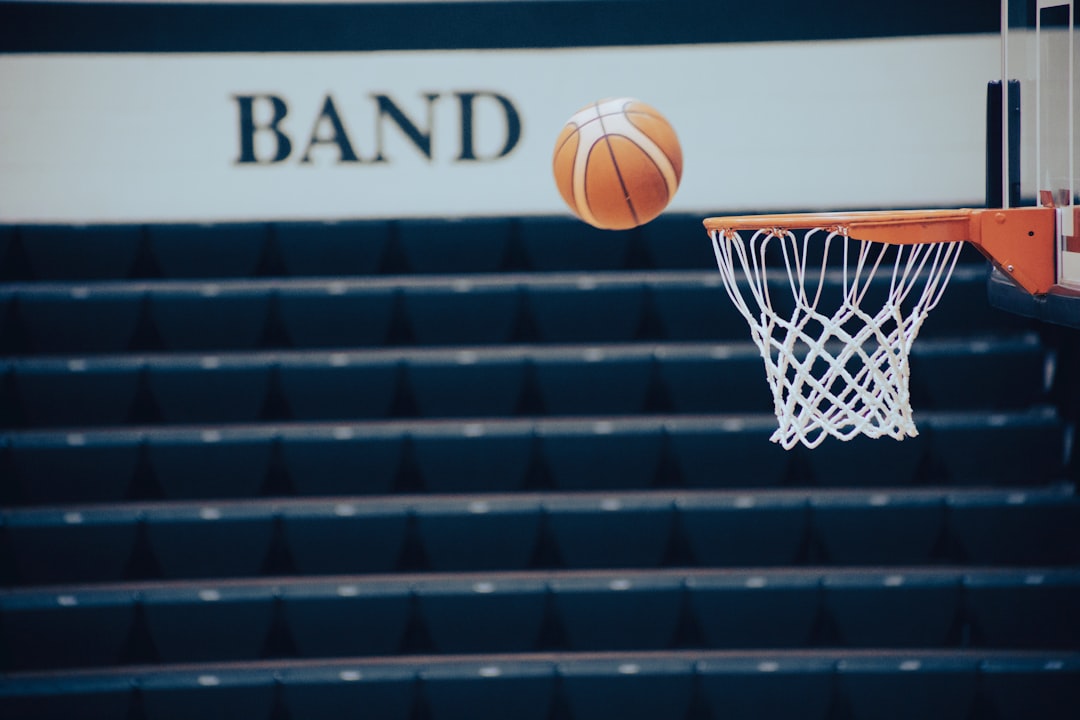
Someone you've never met pump-faked on the wing, and your hips dropped into a defensive stance that hasn't been called on in years — maybe a decade. The gym is a recreation center on a Wednesday night. The scoreboard doesn't work. Nobody in the stands knows your name. And yet, for a stretch of maybe four possessions, something that had been sitting very quietly in the back of your chest woke all the way up.
Pickup games as a former athlete are not casual exercise. They're something harder to name than that, and almost nobody writes about it honestly. Search for anything about pickup basketball as an adult and you'll find articles about etiquette, how to find a run, and whether to call your own fouls. What you won't find is someone sitting down and saying: this is what it actually feels like when your competitive body gets the signal again — and why a meaningless Wednesday night game can carry more psychological weight than anyone watching would ever understand.
This article is that conversation.
The Moment the Switch Flips
There's a specific instant in every pickup game where a former competitive athlete stops being a person exercising and becomes, briefly but completely, an athlete competing. It doesn't announce itself. One moment you're jogging back on defense, mildly winded, thinking about whether you stretched enough. The next, someone on the other team is talking a little too loud about how they're not guarded, and something ancient and reliable inside you responds.
The switch doesn't care that it's been seven years. It doesn't care that your knees have opinions about lateral movement now. It doesn't care that you drove here in a sensible car and have a 6am meeting tomorrow. The switch flips and you are, without negotiating it, back in the version of yourself that competed.
This isn't nostalgia. Nostalgia is passive — it's looking backward from a safe distance. What happens in a pickup game is active. It's the nervous system firing on a pattern it spent years building. Researchers studying motor memory have documented that skilled movement patterns can remain retrievable for decades after regular practice ends. The crossover you ran ten thousand times in high school isn't gone. It's indexed. And when the conditions are right — the ball in your hands, a defender closing out, a score that matters to nobody but still matters — your body retrieves it without asking permission.
That's not nostalgia. That's muscle memory doing what it was built to do.
Why Your Body Remembers What Your Mind Has Moved On From
Former athletes often describe a disorienting gap between what their brain expects and what their body delivers in those first few pickup possessions. Your mind, operating in the present, has a realistic and somewhat humbled appraisal of your current athletic capacity. Your body, running on a decade of competition training, has a different appraisal entirely.
This gap explains a few things that every former athlete has experienced:
- The first step that surprises you. You close on a shooter faster than you expected. Your body knew the angle before your conscious mind did.
- The moment you realize you're actually trying. You intended to coast. You're not coasting. The game has you and you are fully in it.
The competitive nervous system doesn't retire when you do. It waits.
What Nobody Tells You About Playing Recreational Sports After a Competitive Career
Here's the thing about former athlete playing recreational sports that doesn't get said enough: the transition is genuinely strange. Not in a way that requires therapy. In a way that's worth understanding.
When you played competitively — whether that was high school varsity, a travel program, a college club team, or anything in between — the sport was a container for your identity. If you played multiple sports in high school, you held more than one container across the seasons — and the multi-sport athlete is disappearing confirms how rare that breadth has become. Your number was yours. Your position was yours. The way you played held information about who you were. Then the season ended, or the eligibility ran out, or life just kept moving, and nobody formally closed that container. It was just... there. Holding its shape. Waiting.
A pickup game reopens it.
This is why the feeling of competing again after years isn't just physical exhilaration. It's also recognition. The person you were in that container wasn't a phase or a younger version of yourself to be nostalgically acknowledged. They were genuinely you. And in a Wednesday night gym with a score nobody's keeping correctly, you get to be them again — not in costume, not in memory, but in motion.
The Trash Talk Reflex Is Real and It Tells You Something
One of the more startling experiences for former athletes in pickup games is discovering that the competitive edge — including the edges with a little point on them — comes back intact. The trash talk reflex. The will to not get scored on even when there's no reason to care that much. The very specific irritation of an uncontested layup.
These responses aren't immaturity resurfacing. They're evidence of something important: you were genuinely formed by competition. The habits of competitive intensity don't hollow out when the season ends. They become part of your character. Former athletes tend to be more coachable employees, more resilient problem-solvers, and better at operating under pressure — and the same wiring that produces those qualities also produces the reaction you have when someone blows by you on a switch.
The trash talk reflex is just the most visible expression of a competitive identity that never actually went away. Let yourself find it a little funny. It means the wiring is still good. That same wiring is why the score from a rivalry game 20 years ago still matters — competitive memory doesn't fade just because the calendar moved on.
The Wednesday Night Game Is a Permission Slip
Marcus T., 31, played three years of varsity soccer in suburban Ohio and spent most of his mid-twenties convinced that the version of himself who cared about competition had aged out — until a coworker dragged him into a Wednesday night futsal league. He describes the first time he slid in on a tackle as involuntary. "I wasn't trying to go hard," he said. "My body just went. And afterward I sat in my car for ten minutes because I didn't realize how much I missed that feeling."
That moment in the car is what this is really about.
The pickup game — the recreational league, the Sunday morning run, the informal 3-on-3 in someone's driveway — is a permission slip. It gives the competitive self a legitimate setting to show up in. For former athletes who have spent years directing that competitive energy into careers, parenting, relationships, and everything else adult life requires, the permission slip matters. Not because those other arenas aren't meaningful. But because they don't speak the specific language the competitive self grew up in.
The competitive self learned its language in gyms and on fields, with a ball or a puck or a lane, in a space that had clear rules and a score and something actually at stake. A pickup game puts you back in that language. And for a few hours, you don't have to translate.
When the Body Disagrees With the Plan
Every former athlete also knows the other side of this. The thing that makes pickup games both wonderful and occasionally humbling: your body's willingness to retrieve the old patterns does not come with a warranty on the infrastructure. Knees, ankles, and the general suspension system have their own timeline. Muscle memory fires on the movement pattern it learned at 17. The joints file a formal objection. Learning how to manage the gap between your athletic memory and your current body is its own challenge — the mind remembers a version of you that the knees haven't met in a while.
This is not a reason to stop. It's a reason to be honest about the difference between competing hard and competing recklessly — a distinction that, ironically, was also part of the athletic formation. Knowing when to push and when to manage is a sports skill. Understanding the injuries that most often sideline returning athletes is part of that same intelligence — staying healthy matters more than proving a point in a game with no refs. The pickup game doesn't ask you to forget it.
In our experience, former athletes who find their long-term groove with recreational sports are the ones who make a private agreement: compete fully within the body's current range. Not the range from a decade ago. The range from tonight. That agreement is not a concession to age. It's the same athletic intelligence that made you good in the first place. Rebuilding that intelligence after years away takes patience — starting training again after a long break is its own skill, and it's one worth developing.
Why Pickup Games Matter to Former Athletes in a Way That Goes Beyond Exercise
There's a framing that gets applied to adult recreational sports that doesn't quite fit former athletes: the idea that these activities are primarily about health, fitness, or stress relief. For people who didn't play competitively, that framing is accurate and sufficient. For former athletes, it's true but incomplete in a way that matters.
The health benefits are real. The stress relief is real. But when a former athlete talks about what a good pickup game gave them, those things come third. What comes first is harder to explain to someone who didn't play, but anyone who did play knows what it is.
It's the feeling of being inside the competition. Not watching it. Not managing it from a distance. Inside it, where the stakes are simple and legible and entirely contained by the sidelines.
Adult life is full of stakes that are complex, diffuse, and impossible to fully resolve in a single evening. A pickup game is not. You play. The game ends. Something was won or lost or fought to a draw. And you leave with that specific, irreplaceable sensation of having competed — which is different from having worked hard, different from having achieved something professionally, different from having been a good parent or partner that day. Those things matter more. But they're not this.
Former athletes who have regular access to competitive outlets — pickup games, recreational leagues, anything with a score and some genuine opposition — carry something easier. The competitive self has a place to go. It doesn't have to find unsanctioned venues. For those ready to take it a step further, alumni games offer a specific kind of reunion — not just with the sport itself, but with the actual teammates and rivalries that defined your playing days.
The Game Is Different Now, and That's Not Entirely a Loss
Something changes when you play pickup as a former athlete that doesn't get acknowledged often enough: the game gets richer in some ways, even as it gets harder in others.
When you played competitively, you were inside the game so completely that you sometimes couldn't see it. The pressure, the coaching, the expectations, the identity stakes — they were all in the frame. In a pickup game with nothing officially on the line, you can see things you couldn't see before:
- The geometry of the play developing before you make the cut
- The specific pleasure of a well-timed pass that no stat captures
- The way a teammate who doesn't know your name trusts your cut anyway because you've been reading each other correctly for two possessions
There's a looseness to pickup competition that organized competition rarely allowed. And former athletes who find their way into it regularly often describe it as the thing that helped them actually love the game again — not just compete in it, but love it. That's not a small thing.
Pickup Culture Is Disappearing — and That Gives Your Wednesday Night Game New Weight
There is a quiet but significant shift happening in youth sports that most former athletes can feel even if they haven't read the research on it: kids today don't play pickup games the way previous generations did.
Unstructured play — the kind of basketball game that forms when enough kids show up at a park with a ball, no adults, no uniforms, no registration fee — has been in steady decline for decades. Between organized travel teams, year-round club seasons, structured practices, and the gravitational pull of screens, fewer and fewer kids are experiencing the particular kind of game that taught so many former athletes how to compete. The pickup game, for a growing number of young athletes, is a foreign concept. They know the sport. They don't know the run.
This matters for two reasons. First, it makes the experience you carry as a former athlete — the instinct for reading a game with strangers, the unspoken negotiation of teams, the ability to compete intensely and then shake hands and go home — genuinely rare. You are holding something that is not being reproduced at the same scale. Second, and more personally, it means that every time you show up for a Wednesday night run, you are not just exercising. You are keeping alive a form of play that is disappearing from the culture. The pickup game isn't just yours. It's becoming yours to pass on. And that gives the whole thing a weight the box score will never capture.
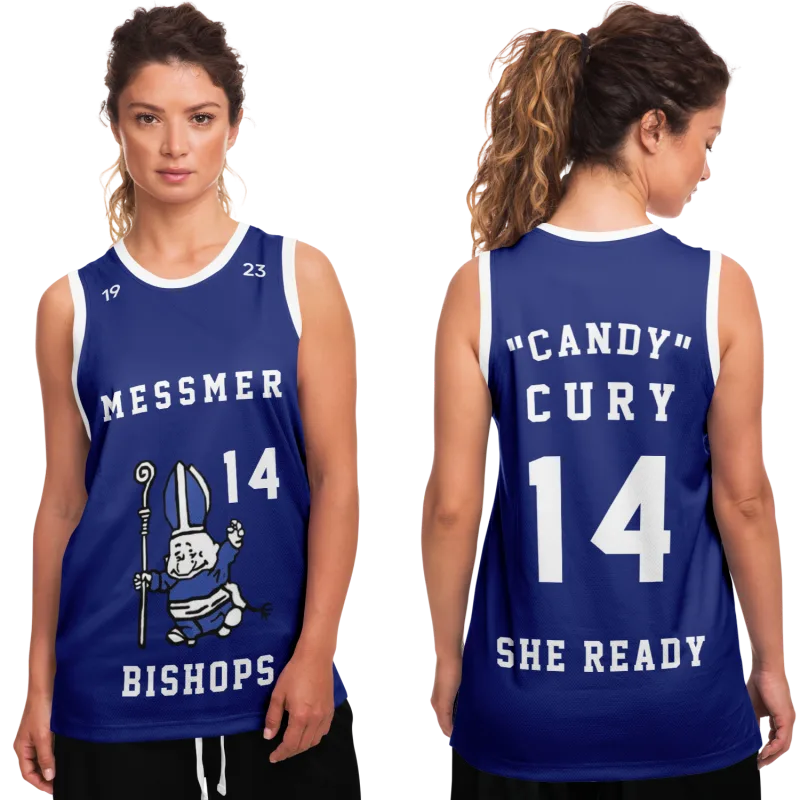
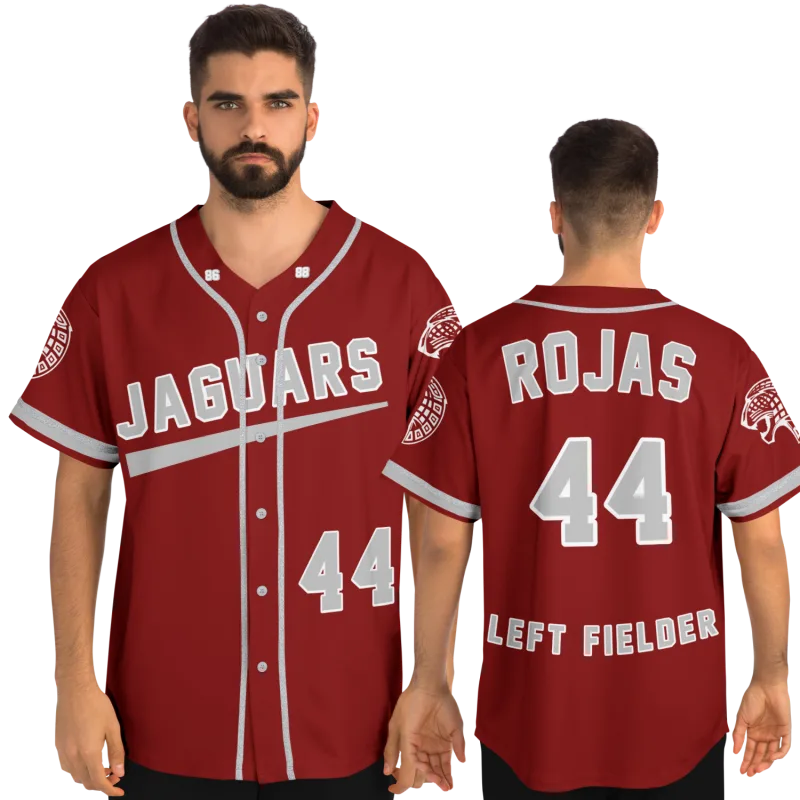
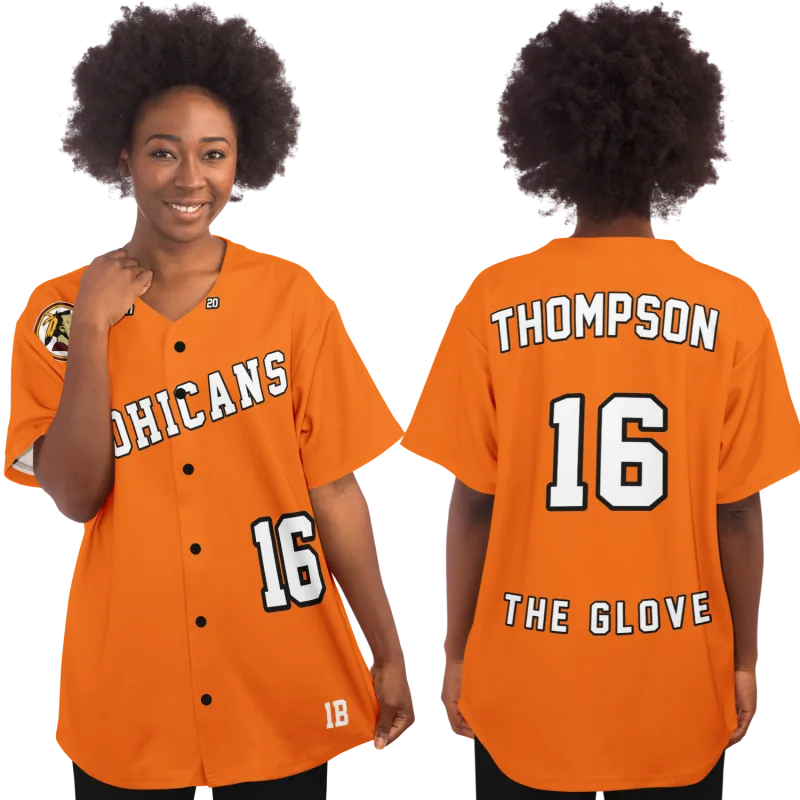
Your jersey is still out there waiting.
Design yours in minutes and see your name and number the way you remember it.
Frequently Asked Questions
Why do pickup games feel so intense even when nothing is actually at stake?
Because for a former competitive athlete, the game's value was never primarily external. The score didn't mean something because of what it won — it meant something because of what it revealed about the competition in the moment. That internal mechanism doesn't switch off when organized competition ends. In a pickup game, the nervous system reads the same signals it always did: a defender, a decision, a score. The intensity that follows is the honest response of a competitive system doing what it was trained to do.
Is it normal to feel emotionally affected by a recreational game as a former athlete?
Completely normal, and more common than most former athletes admit out loud. The competitive self is a genuine part of identity for people who formed themselves through sport. A pickup game that reactivates that identity — even briefly, even in a gym with a broken scoreboard — is touching something real. The feelings that come up, whether they're exhilaration, unexpected sadness, or a quiet satisfaction that's hard to explain, are proportionate responses to something that actually matters to you.
How do former athletes find their way back to recreational competition without getting hurt or burning out?
The most sustainable approach is one that most former athletes already understand from their playing days: separate the competitive intensity from the physical intensity. Compete fully — bring the mental engagement, the defensive attention, the genuine effort to win. But manage the physical output honestly against your current conditioning, not against a remembered baseline. Former athletes who treat the pickup game as a place to be athletically intelligent — not just athletically intense — tend to stay in the game longer and enjoy it more. The goal isn't to prove the old level is still there. The goal is to be genuinely inside the competition while you're in it.
What if I haven't played in years and I'm not sure I can keep up?
The muscle memory is more intact than you think. Conditioning returns faster in former athletes than it does in people who never built it — the neuromuscular patterns that make skilled movement efficient are still indexed, even after years of dormancy. Expect the first few sessions to involve a gap between what your body wants to do and what your current fitness supports. That gap closes. What doesn't require any closing at all is the competitive intelligence — the reads, the positioning habits, the instinct for the right moment. That was yours. It still is.
See also: athletic identity after high school | the grief of walking away from competitive sports | what playing under the lights actually felt like | the difference between watching and having actually played | adult recreational leagues if you want something more structured