




There's a specific moment most former high school athletes can pinpoint.
It's not graduation. It isn't the last game either. It arrives on a random Tuesday (maybe six months later, maybe two years later) when you realize you haven't broken a sweat in weeks, and something in your chest feels wrong. Not sad. Not nostalgic. Off. Like a frequency that used to run through everything and has gone quiet.
That's the competitive drive. And staying competitive after high school sports has less to do with recreating what you had than with figuring out what to do with something that doesn't just disappear because the season ended.
This is for the athlete who still thinks in terms of winning. Who still sizes up a situation and wants to be the best in the room at it. Who's never going to be the kind of person who's "fine" with coasting. You didn't lose that. You just lost the structure that gave it somewhere to go.
Here's how to rebuild that structure — on your own terms.
The short answer: You stay competitive by redirecting the drive instead of letting it idle. Find one structured competitive outlet (a league, a leaderboard, or a race with a date on it) and build your own feedback loop so your effort produces a result you can actually see. The scoreboard was never the point; the feedback was.
The Identity Shift Nobody Warns You About
In high school, your sport was something you were, not something you did.
Practice three days a week. Games on Friday. Film on Saturday morning. Your whole social ecosystem, your daily schedule, your sense of what a good week looked like: all of it organized around the team. Even the people who didn't love every minute of it knew who they were in relation to it.
Then it stops. And the weird part isn't the grief — it's the confusion. Because you still feel like an athlete. You still instinctively calculate whether you could beat someone in a footrace. You still get that particular irritation when you do something sloppily that you know you could do better. The competitive identity is intact. The container it lived in is gone.


This is what sports psychologists call athletic identity foreclosure — a term for what happens when an athlete's sense of self is tightly bound to their sport role, and then that role ends abruptly. It doesn't mean something is wrong with you. It means you were actually invested. You built something real.
The challenge isn't getting rid of the competitive drive. That would be like trying to get rid of your personality. The challenge is redirecting it — into structures, pursuits, and communities that give it somewhere honest to land.
What "Competitive" Actually Means Without a Scoreboard
Here's the reframe that changes everything: the scoreboard was never the point.
What the scoreboard gave you was feedback. A clear, immediate signal that your effort had produced a result — or hadn't. That feedback loop is what competitive people actually crave. Not the trophy. The information. The clarity of knowing where you stand and whether what you did mattered.
The reason staying competitive after high school sports feels so hard has nothing to do with losing the drive. It's about losing access to that feedback loop. Life after high school is full of efforts that produce murky, delayed, or invisible results. You study for an exam and maybe get a grade in three weeks. You work out alone in a gym and there's no opponent, no clock, no one keeping score. You start a new job and it's unclear for months whether you're actually good at it.
Competitive athletes hate this. And they're right to hate it. What's missing isn't maturity; it's simply a different kind of environment, one that requires a different kind of skill.
That skill is building your own feedback loops. Creating the conditions where your effort produces the kind of clear, trackable signal that your competitive drive can actually work with.
Four Ways to Rebuild the Competitive Edge
1. Find a Sport or Activity With a Real Leaderboard
The most direct path is the most obvious: find a competitive outlet that still has stakes.
This doesn't have to be a team sport, though recreational leagues exist in almost every city and most of them are starved for people who actually know how to play. Adult flag football, volleyball, soccer, basketball — the skill gap between "former high school athlete" and "random adult rec leaguer" is enormous, and if you played at any serious level, you will be immediately valuable. The trick is finding an adult league that actually matches your level instead of settling for whatever team happens to have an open roster spot.
But leaderboard-style feedback comes in other forms too. Brazilian jiu-jitsu has a belt system and competition circuit that gives you a precise, humbling, ongoing read on where you stand. CrossFit has the Open — an annual ranked competition that puts you on a worldwide leaderboard. Masters swimming, cycling, triathlon — every one of these has age-group rankings, regional competitions, and communities of people who came from other sports and still need to know where they stand.
Concrete examples of that published-results culture are everywhere once you start looking. USA Masters Swimming sanctions meets year-round and posts results by age group, so within days of racing you can see exactly where your times rank. Track meets, open and post-collegiate alike, publish full result sheets within hours. Adult figure skating championships post complete standings. Even a local rec league usually keeps an updated online standings table with your name, your stats, and your team's record on it.
The athletes who make this transition most smoothly aren't the ones who find a perfect replacement for their old sport. They're the ones who find any structured competitive outlet within the first six to twelve months — before the competitive identity goes fully dormant.
2. Set Outcome-Based Fitness Goals (Not Just "Stay in Shape")
"Stay in shape" is not a goal. It's a wish. And your competitive brain knows the difference.
An outcome-based fitness goal has four components: a specific number, a specific timeframe, a specific method, and a specific consequence for missing it. "Run a sub-22 minute 5K by April" is a goal. "Get in better shape this year" is not.
The reason this matters is accountability architecture. When you had a team, the accountability was baked in — if you didn't show up, the team felt it. You couldn't just opt out because you weren't feeling it. That external accountability is one of the most underrated things about organized sport, and most people don't try to replace it until they've already gone months without doing anything meaningful.
Building outcome-based goals gives you a proxy for that structure. Register for the race. Sign up for the powerlifting meet. Enter the golf handicap system. Give the drive something to work toward and a date to work toward it by.
If you're not sure where to look, national governing bodies like Team USA publish competition calendars and amateur pathways that make finding a sanctioned event a ten-minute job. And if the training itself feels foreign after years away, training again in your 30s comes with its own set of rules: better to plan around them than to discover them the hard way.
3. Transfer the Competitiveness Into Something You're Building
Some of the most driven former athletes direct their competitiveness entirely sideways, into academics, business, creative work, or craft, and find that it translates almost perfectly.
The same attributes that made you a competitive athlete (the ability to absorb and execute coaching, the tolerance for repetitive practice, the capacity to perform under pressure, the specific discomfort of knowing you underperformed) are not sport-specific. They're just how a certain kind of mind is wired.
Marcus T., 24, lettered in wrestling for three years at his high school in western Ohio. After graduation he started a small landscaping business with a friend, and within two years he'd turned it into a six-person operation running routes across three counties. He still talks about the business the way he talked about wrestling — off-seasons, peak seasons, who the competition is, what their weaknesses are. The drive didn't go anywhere. It just changed zip codes.
The key is choosing the new arena deliberately. Not just defaulting into whatever life hands you and hoping the drive follows — but actively identifying a domain where performance is measurable, where effort produces clear outcomes, and where being better than average actually matters to you. A lot of that work turns out to be redefining what winning means now — trading the scoreboard for a different, quieter set of wins.
For a lot of former athletes, that domain ends up being coaching — taking everything you absorbed over years of competition and using it to guide the next generation. It is rewarding in ways that are hard to explain, and harder in ways nobody warns you about.
4. Stay Connected to the Athletic Community
This one is easy to underestimate and hard to recover from if you skip it.
The team was never just a competitive structure; it was a social one too. A daily community of people who shared your values around effort, excellence, and the willingness to push through discomfort. When the team ends, that community disperses — and most athletes don't realize how much of their identity and motivation was sustained by being around other people who cared as much as they did.
Competitive environments don't just give you feedback on your performance. They give you a reminder, by proximity, of what kind of person you're trying to be.
The athletes who make the smoothest transition aren't always the ones who were best at their sport. They're the ones who figure out, deliberately, how to reconnect with the game on terms that fit their life now, not the life they had at 17.
Find those people again. The rec league team. The CrossFit gym with the whiteboard. The running club that actually races. The jiu-jitsu mat where everyone pushes each other. It doesn't have to be the same sport. It just has to be populated by people who still care about being good at something.
Go in with your eyes open — the reality check that comes with playing again is real, and it's far easier to handle when the people around you are going through it too.
The Homecoming Season Makes This Hit Different
There's something particular about this time of year.
Homecoming season has a way of surfacing everything. Old teammates posting photos. Game highlights making the rounds. The unmistakable smell of fall practice fields that the memory stores in a completely separate drawer from everything else. You didn't expect it to land as hard as it does.
That pull you feel during homecoming is more than nostalgia. It's information. It's your competitive identity telling you it's still there, still intact, still looking for somewhere to put all of that.
The athletes who use that signal well don't spend homecoming weekend mourning what's over. They use it as a reset point. A moment to honestly evaluate where the drive has been going, whether it has anywhere useful to go right now, and what one concrete step would look like in the next thirty days.
Not a complete life overhaul. One step. One registration. One league. One goal with a date on it.
What You Carry With You
Here's what stays true regardless of what you do next:
The years you spent competing at a high school level — the early mornings, the film study, the physical conditioning, the experience of performing under pressure in front of people who were watching — those don't expire. They are genuinely useful in a way that's hard to quantify until you're in a room with people who never had them.
The coachability. The pain tolerance. The muscle memory of being behind in the fourth quarter and not quitting. The specific knowledge of what it feels like to want something badly and have to earn it in public.
Other people spend years trying to develop those traits. You already have them. The question staying competitive after high school sports actually comes down to is this: are you using them?
The answer isn't always comfortable. But it's the right question.
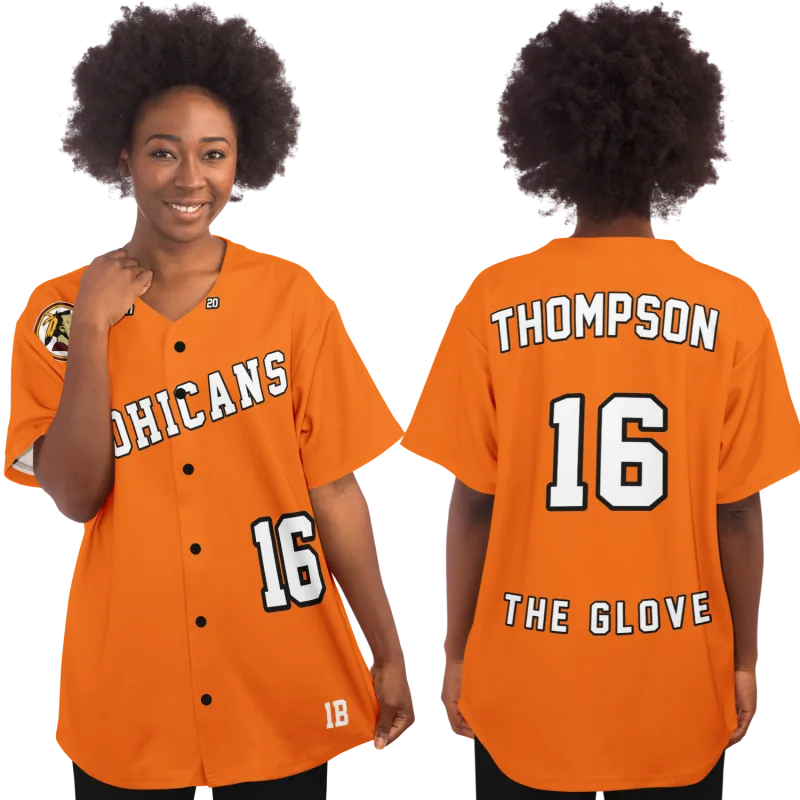
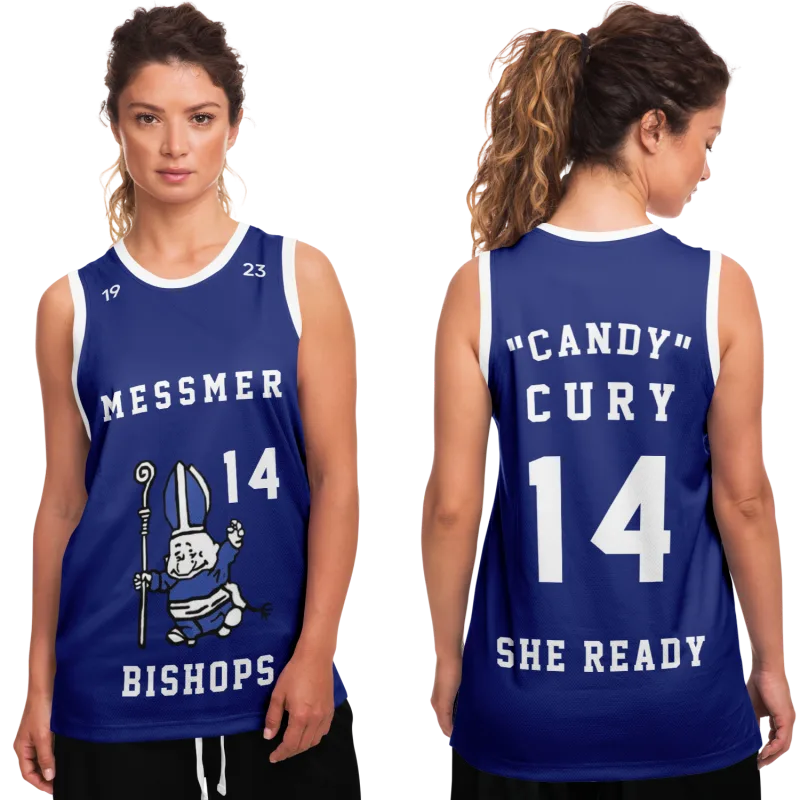
Your jersey is still out there waiting.
Design yours in minutes and see your name, your number, your school colors — just the way you remember them.
Frequently Asked Questions
How do I stay motivated to train when I don't have a team or a season to prepare for?
The most effective approach is to manufacture the external accountability that a team used to provide. Register for a specific event — a 5K, a rec league season, an open tournament — before you feel ready. The registration creates a deadline, and the deadline creates the motivation. Waiting until you feel motivated to start training tends to produce a very long wait. The motion creates the motivation, not the other way around.
Is it normal to feel lost or directionless after high school sports end?
Yes, and it's more common than most people talk about. The structure that organized your schedule, your social life, your sense of identity, and your daily feedback loop disappears almost overnight. Research on athletic identity transitions consistently shows that athletes who had the strongest identification with their sport role experience the most significant adjustment period after competition ends — which means feeling lost is actually a sign you were genuinely invested, not that something is wrong with you. The adjustment is real. It also has a clear path through it.
Can recreational or adult league sports really fill the competitive gap after playing at a high school level?
For many former athletes, yes — but the key is finding the right level and the right community. A casual rec league where nobody is keeping score won't satisfy a genuinely competitive athlete. Look for leagues and gyms where people are actually tracking results, where there's a ranking or a leaderboard or a bracket, and where the culture values effort and improvement. That combination — community plus real stakes plus trackable progress — is what makes recreational competition feel meaningful rather than like a consolation prize.
How do I stop comparing my current fitness to what I was capable of at 17?
This is one of the most honest questions former athletes face. The short answer: stop trying to get back to where you were and start building toward something you haven't done yet. Your 17-year-old athletic peak was built on five days a week of mandatory practice, a coaching staff, and a body with different recovery capacity. Comparing against it is like comparing your current car to a racecar you drove once. Instead, set goals based on what's achievable in your current life — and then compete hard against those. The drive doesn't need the same mountain. It just needs a mountain. Learning to work with a body that does not perform the way it used to — while still carrying an athlete's expectations — is a challenge worth understanding on its own terms rather than just pushing through.
See also: athletic identity after high school | adult recreational leagues for former athletes | how to start training again after years away from your sport | the gap between your athletic memory and your current body