




You walked off the field for the last time and didn't know it was the last time.
That's the part nobody tells you about. There's no ceremony for the ending — not a real one. There's a graduation, sure, but nobody hands you a script for what comes next when the thing that defined you for the last four years just stops. If you've been asking yourself what happens to athlete identity after high school, you're not having a breakdown. You're having an honest reckoning with something that millions of former players go through, and that almost nobody talks about clearly enough.
This is that conversation.
The Abrupt End Nobody Prepares You For
Professional athletes get retirement press conferences. College athletes get senior days, emotional interviews, final home games with their names announced one last time. High school athletes get a locker cleanout and a diploma.
The structural loss is real and it's immediate. One week you have practice at 3:30 PM every day, a team, a role, a number on your back, and a coach who knows exactly what you're capable of. The next week you have none of those things. The schedule evaporates. The hierarchy disappears. The social world that organized your entire adolescence — who you sat with at lunch, who texted you, what you were working toward — restructures itself completely, and you didn't vote for any of it.
This isn't a minor adjustment. Research on athlete identity and role exit published in sport psychology literature consistently shows that athletes with high athletic identity — those for whom the "athlete" role is central to how they see themselves — experience significantly more distress during sport retirement than those with broader, more diversified self-concepts. High school is the environment most likely to produce exclusively high athletic identity, because everything in that building reinforces it: your jersey in the trophy case, your name on the announcement board, the way underclassmen look at you, the way teachers ask about the game.

For four years, the institution of high school told you exactly who you were. Then it handed you a diploma and stopped.
The Three Things You Lost Simultaneously
When the sport ends, most former athletes name it as losing "the game." But working with and listening to former players, the sport itself is actually the third thing you miss — after the two losses that hit harder and faster.
The structure. Practice times, film sessions, weight room schedules, game days. The athletic calendar gave your week a shape, from the Saturday morning ritual to the final whistle. Without it, time feels formless in a way that's disorienting even if you don't immediately recognize why.
The identity shorthand. "I'm a soccer player." "I'm a wrestler." "I play point guard." That sentence — however you filled it in — did enormous social and psychological work. It told people who you were without requiring explanation. It told you who you were. Losing it doesn't just mean you have to find new activities. It means you have to find a new answer to the most basic question a person can be asked.
The team. Not just the friendships — though those matter — but the specific experience of belonging to something with a shared purpose, shared language, and shared stakes. The locker room is one of the few places in adolescent life where interdependence is total and celebrated. You don't get that back easily, and most 18-year-olds don't have language for how much they miss it.
The Emotional Timeline of Loss of Athlete Identity
It doesn't arrive all at once. The loss of athlete identity unfolds in stages, and knowing those stages in advance is the closest thing to armor you can carry into the transition.
Weeks 1–6: The Relief Illusion. Many former athletes report initially feeling relieved. The pressure is gone. You can sleep in. You don't owe anything to anyone's season. This phase is real — the demands of competitive sport are significant and release from them produces genuine rest. But relief is not resolution. The identity question hasn't been answered; it's just been postponed by the novelty of freedom.
Months 2–4: The Flatness. This is when it arrives. Not as dramatic grief — usually as a low-grade flatness. Things that used to feel exciting don't quite land the same way. Weekend parties that should feel like reward feel oddly empty. The competitive edge you carried everywhere has nowhere to go, and you're not entirely sure who you are in a room full of people who don't know you as an athlete. This is where the loss of athlete identity becomes undeniable, even if you're not using those words for it.
Months 4–12: The Identity Search. Some former athletes pour themselves into something new — a job, a relationship, a college major, a gym habit — with an intensity that mirrors their athletic focus. Others drift. Both responses are navigating the same underlying question: if I'm not an athlete anymore, what structures my sense of self?
The Variable Phase. After the first year, the trajectory splits depending on what identity work the former athlete does — consciously or not. Some arrive at a genuinely expanded self-concept: the athlete is part of who they are, not the whole of it. Others carry an unresolved "former athlete" identity for years or decades, measuring every experience against who they were at 17 — the same former-player identity that follows people into adulthood.
The Psychology Behind Why This Hits So Hard at 17 and 18
Adolescent identity development — what psychologist Erik Erikson called the central crisis of adolescence — peaks exactly at the age high school athletes graduate. The task of that developmental stage is answering "who am I?" and for young athletes, the sport has been doing most of that work.
This is why former athlete psychology at the high school level is distinct from what happens to college or professional athletes. A 22-year-old leaving college sports has spent four years in an environment that, despite the sport, also asked them to declare a major, live away from home, manage their own schedule, and build an identity outside the locker room. The 18-year-old leaving high school sports has done none of that. The sport and the institution handled the identity question together, and now both are gone at the same time — a transition that looks different again for the player who almost made the college roster.
Mariana V., 19, swam competitively from age 9 through her senior year of high school, logging more than 20 hours a week in the pool. "I didn't realize how much of my personality was just swimming until I didn't have swimming anymore," she said. "I didn't know what kind of music I liked. I didn't know what I did on weekends. I had to figure out who I was from scratch at 18, and it felt embarrassing to admit that."
That embarrassment is part of what makes this so hard. The loss is real, but the cultural permission to grieve it is limited. You're supposed to be excited about what's next. You're supposed to move on. The identity crisis after sports carries a stigma of immaturity — as if needing to process the end of a defining chapter means you didn't grow up enough. That stigma is wrong, and it keeps former athletes from getting the clarity they need.
What Former Athletes Actually Do With the Identity — And What Works
There is no formula, but there are patterns. After talking to and writing about former high school athletes across dozens of sports and backgrounds, the approaches that actually help fall into two categories.
Approaches that work:
- Naming it explicitly. The athletes who move through the transition most cleanly are usually the ones who can say, out loud or in writing, "I'm experiencing a loss of athlete identity and that's a legitimate thing to grieve." The naming doesn't solve it, but it removes the embarrassment that keeps people stuck.
- Finding competitive structure, not just competition. The gym, recreational leagues, intramural sports — these work not because they replicate the sport but because they replicate the structure. A goal to work toward, a measurable outcome, a community with shared standards. The specific sport matters far less than the organizational framework.
- Deliberately expanding the identity while honoring the athletic one. The goal isn't to stop being an athlete in your own story. It's to add more chapters. Former athletes who integrate their sports identity into a broader self-concept — "I'm someone who was a serious athlete and who also does [other thing]" — fare better than those who either cling exclusively to the old identity or try to bury it entirely.
Approaches that stall the process:
- Over-identifying as a "former athlete" in every new social context, leading every introduction with a sport that ended years ago.
- Avoiding any athletic activity because it feels like a painful comparison to the real thing.
Your Jersey Is Still Out There Waiting
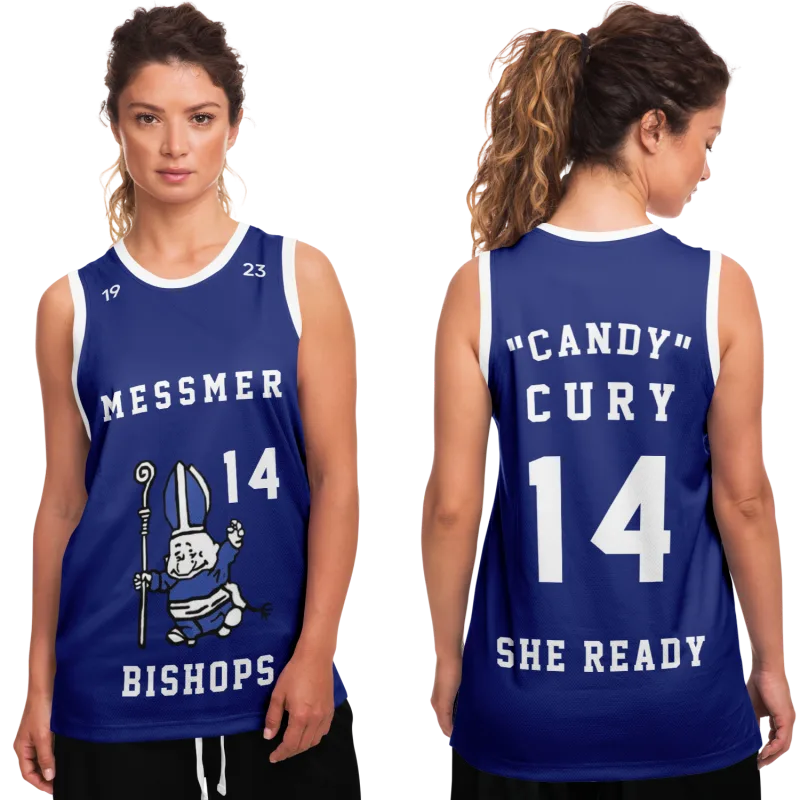
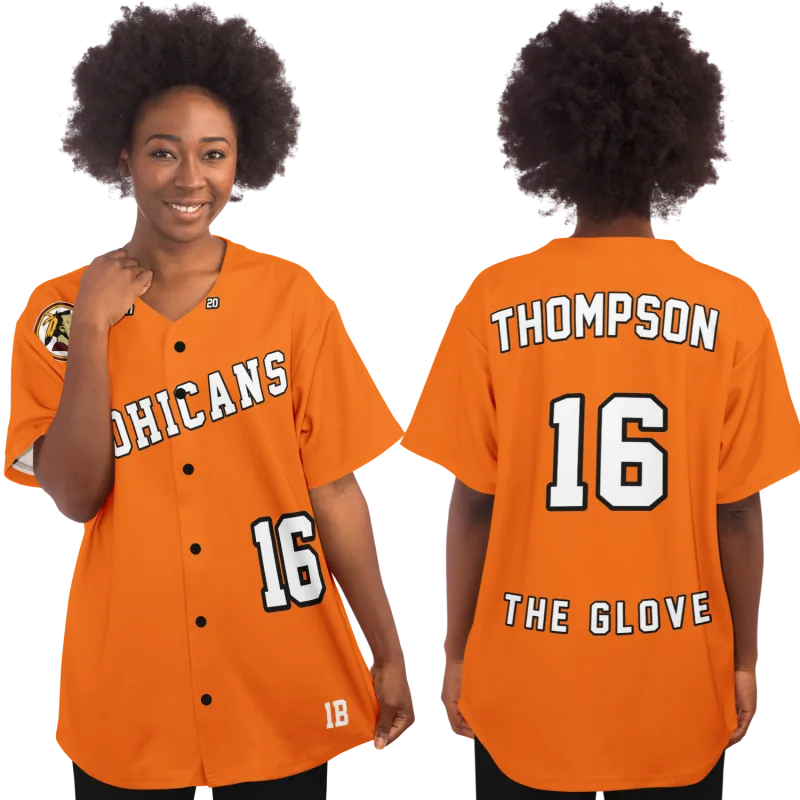
Your name. Your number. Your sport. The jersey you wore doesn't have to be a memory — it can be something you hold again.
Design yours in minutes and see your name and number exactly the way you remember it.
Frequently Asked Questions
How long does the athlete identity crisis after high school typically last?
There's no universal timeline, but the most acute phase — characterized by flatness, disorientation, and identity searching — typically runs between six months and two years for high school athletes. What determines the length more than anything else is whether the former athlete actively engages with the transition (naming it, finding new structures, deliberately expanding their identity) or avoids it. Avoidance tends to extend the duration significantly, sometimes pushing the unresolved identity question into the mid-twenties.
Is it normal to feel depressed after your high school sport ends?
Yes, and it's more common than most former athletes realize. The mood changes associated with loss of athlete identity — flatness, low motivation, a sense that things don't quite feel meaningful — meet clinical criteria for adjustment disorder in a significant portion of former athletes. This is not weakness. It is a predictable psychological response to the loss of a central identity structure. If the flatness persists beyond several months, talking to a counselor or sports psychologist is a legitimate and useful step, not an overreaction.
Does having a strong athlete identity in high school make you more likely to struggle after?
Yes, the research is consistent on this: the stronger and more exclusive the athletic identity during the playing years, the more difficult the transition tends to be afterward. This is why diversifying your identity while you're still playing — developing interests, relationships, and roles outside the sport — is protective. But if you're already past that window, the work can still be done. It just happens in reverse order: building the broader identity after the sport has ended rather than alongside it.
Can designing or wearing a custom jersey actually help with the transition?
More than it sounds like it should. Former athletes consistently report that being able to visibly claim their sports history — through gear, memorabilia, or a custom jersey — helps integrate the athletic identity into the current self-concept rather than leaving it as an abandoned chapter. The jersey isn't nostalgia for its own sake. It's a concrete way of saying: that was part of my story, and it still is. That kind of acknowledgment, small as it seems, is part of the identity work that helps.
See also: why quitting felt like losing yourself | the grief nobody talks about when your athletic career ends at 18 | why high school sports still matter to adults | rejoining adult recreational leagues as a way to reclaim that part of yourself