


Twenty years after your last real match, a ball still rolls across the parking lot toward your feet, and your body moves before your brain catches up. Your toe drops, your ankle softens, and the ball dies under your sole like it was always supposed to. That's the part nobody warns you about when you hang up the cleats: a former soccer player's identity doesn't leave when the whistle does. It rides with you straight into adult life, and it shows up in the smallest, most ordinary moments.
You don't have to be on a pitch anymore to still be a soccer player. You're a parent in the stands now, a coach on the sideline, a person who still flinches when someone yells "man on." You haven't played competitively in years, but the game never really left. It just went quiet, waiting for the next thing to roll toward your feet.
The First Touch Is Forever
Ask any former player what they miss most, and they won't say the goals. They'll say the first touch. That split second when the ball arrives — off a long pass, out of a rain game, skipping off a bad bounce — and your foot already knows what to do with it.
That isn't nostalgia talking. It's muscle memory, and it's real. Researchers describe it as procedural memory: a skill baked so deep into your motor system that you stop thinking about it entirely. You don't recall how to trap a ball the way you recall a phone number. Your body just does it, because you did it ten thousand times between the ages of eight and eighteen.
For most of us, those repetitions happened at 6am, when the grass was still wet and your breath hung in the air. Year-round cleats that never quite dried out between Saturday matches and Wednesday practices. The thump of a ball against your laces until it stopped feeling like hitting something and started feeling like catching it.

That's why the touch never leaves. It wasn't stored in your memory. It was stored in your legs.
You Didn't Quit Soccer — It Changed Shape
Here's the thing about being a former soccer player: the identity doesn't end. It migrates.
It migrates to the Sunday rec league, where you're slower but sneakier, and you finally understand the game well enough to play it with your brain instead of just your lungs. It migrates to the sideline, where you coach your kid's team and bite your tongue every time the ref misses an obvious call. It migrates to the couch on weekend mornings, where you wake up early not because you have to, but because somewhere inside you there's still a body clock set to game day.
The pitch looks different now — narrower, slower, a little harder on the knees. But the feeling of walking onto it hasn't changed. You still stand a little taller when the whistle blows. You still want the ball at your feet when it matters. Adult life built a schedule around all of it, but it never built you out of it.
The Little Moments That Give You Away
The proof that you're still a soccer player lives in the small stuff.
A pen rolls off your desk, and you trap it under your foot without looking. A bag of groceries slips, and you cushion it against your shin like a ball dropping out of the air. You walk past an empty field and can still feel where the penalty spot was, even though the lines faded years ago. Someone tosses you a set of keys from across the room, and you bring them down clean — chest, then thigh — like it's nothing. Because to you, it is nothing. You've been doing it your whole life.
These aren't party tricks. They're a quiet reminder that the person who dragged themselves to 6am practice is still in there. You traded the year-round cleats for office shoes and the pitch for a parking lot, but the touch is the same. It always was.
And if you're honest, there's a part of you that still wants to be seen that way — not as the kid who played, but as the player who never really stopped.
Wearing It Again
The good news is, the identity you still carry is surprisingly easy to hold onto. It fits on a hanger.
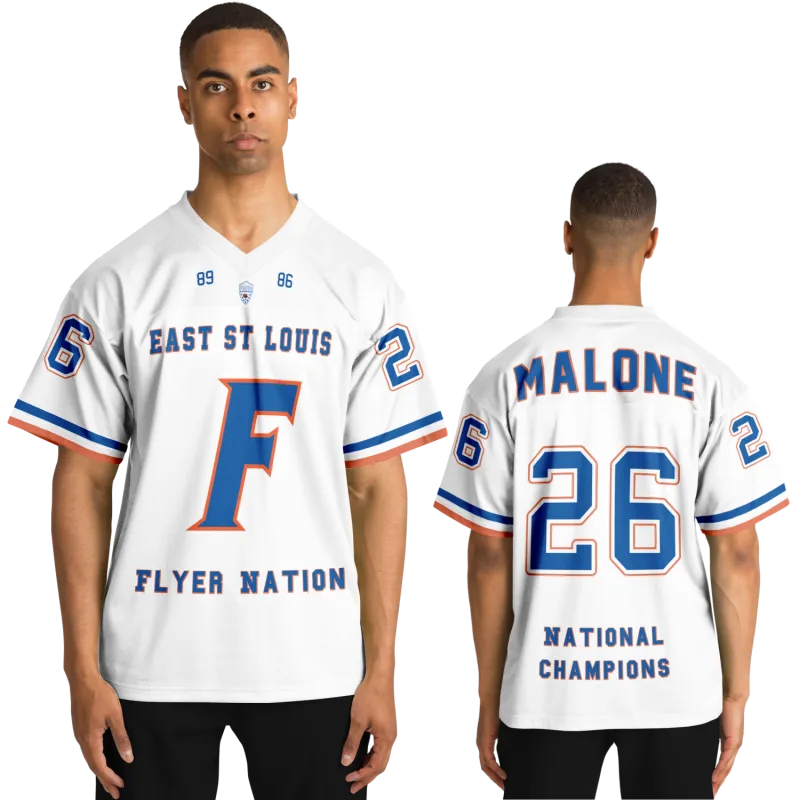
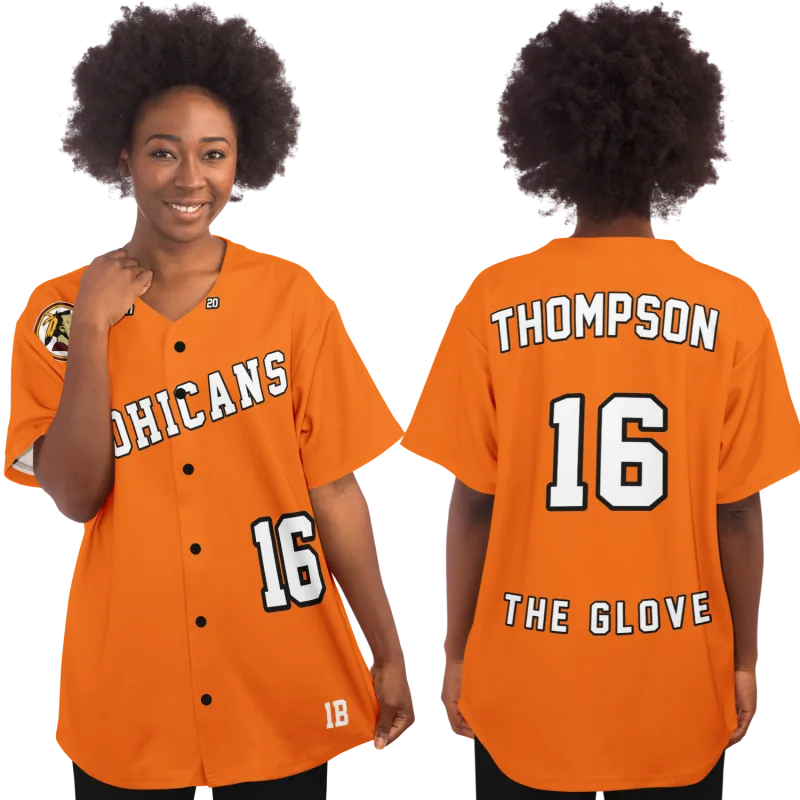
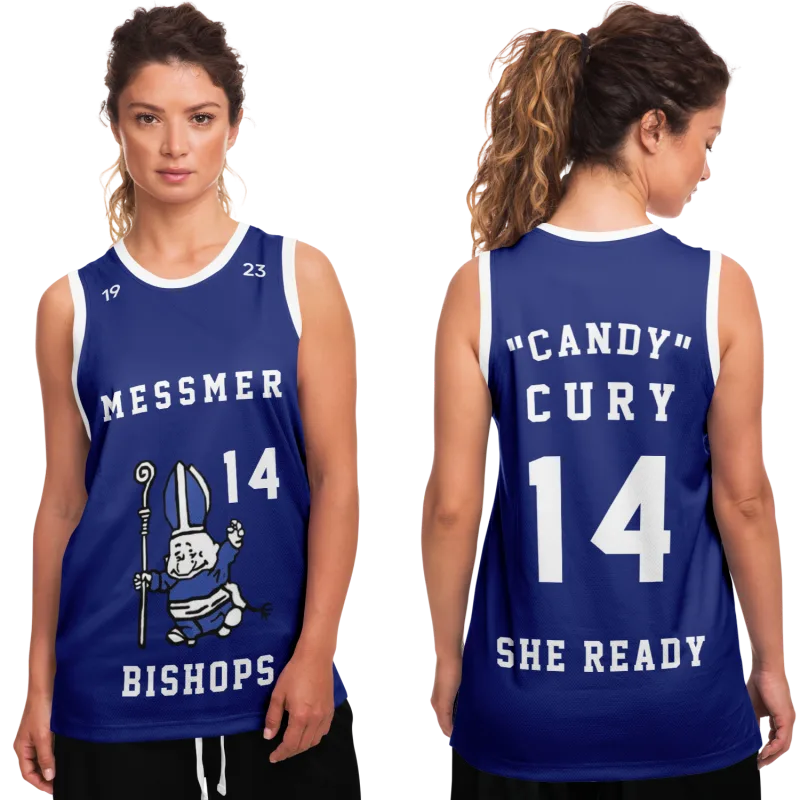
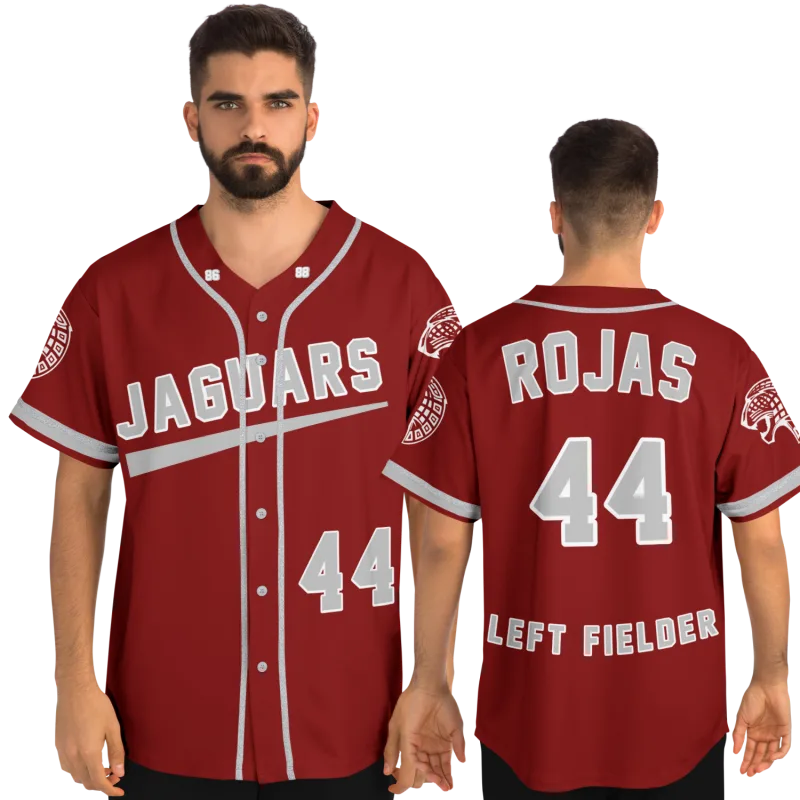
A custom soccer jersey isn't about pretending you're back on the starting lineup. It's about wearing the part of you that never left. Your number, the way it used to look on your back when you walked off the pitch after a rain game, everyone muddy and laughing. Your colors, on a jersey with colors that never crack, peel, or fade. Your name, spelled the way the announcer used to call it over the loudspeaker.
That's the whole idea behind what we build. You start with your own story — the position, the colors, the number that still feels like yours — and you re-create your style on a jersey that's yours alone. No team affiliation, no pretending. Just a jersey inspired by the game that shaped you, made for the adult who still carries it.
It Was Never Just a Sport
Here's the part that's easy to forget: nobody lies awake remembering their chemistry final. But forty-year-old adults can still tell you, in detail, about the goal that got called back in a quarterfinal, or the teammate who always showed up first and flipped on the lights.
Soccer wasn't a hobby you had. It was one of the first places you learned who you were — the kid who never backed out of a 50/50 ball, who talked to everyone on the pitch, who stayed after practice for twenty extra touches. That person didn't vanish when the final whistle blew. They just started wearing a different uniform to work.
Your former soccer player identity is still there, waiting under everything. It shows up when something rolls toward your feet. It shows up when you watch a match and your pulse still climbs with the counterattack. And it shows up, if you let it, every time you pull a jersey over your head and remember exactly who you were out there.
Your Number Never Left
So here's the invitation, plain and simple: don't leave the identity buried.
If the touch never left you, neither did the player. You can wear that person again — not as a costume, but as a claim. Your name, your number, your colors, on a jersey built around your story. It takes a few minutes, and it's the closest thing there is to walking back onto the pitch.