


Somewhere in the middle of a fall holiday Monday -- whether your town still calls it Columbus Day or has moved to Indigenous Peoples' Day -- there is a strange, stubborn thing that happens to a former athlete. The day is empty. No class, no practice, no whistle. And yet your body still wakes up at the hour it always did, expecting the field. That is the high school coach influence former player still carries -- the voice that lives in your head twenty-five years after you hung up the jersey.
You can take the athlete out of October, but October never really leaves the athlete. A holiday Monday in the fall still smells like something to you. Cut grass and cold air and the thin, gray light of a season turning over. You hear the wind off the practice field before you remember what it used to carry: the bark of a whistle, the thud of shoulder pads, somebody's voice telling you to stop leaning on the fence and move.
A Day Off That Still Smells Like October
Here is the thing about that particular Monday. You earned the day off, technically. The calendar says so. But nobody who ever ran a conditioning drill actually knows how to take it. You sleep in maybe twenty extra minutes, and then you lie there wide awake, because your legs remember a different schedule than your mind does.
Some towns still mark the day as Columbus Day. A growing number now observe it as Indigenous Peoples' Day. Wherever you stand, the day keeps doing the same quiet work in a former athlete: it hands you an empty block of time, and your memory fills it with fall.
That is when it comes back hardest. Not the games. The practices. The cold mornings in early October when the grass was still wet, when the wind cut through the thin cotton of your warm-up, when you stood on the line because he said stand on the line and you did not ask why.

And if your fall happened indoors, it smells different and still the same. Floor polish and sweat and the echo of a ball on hardwood before the first drill. You do not forget that either. A holiday Monday does not care what sport it was. It only cares that you once belonged to one.
The Coach You Never Actually Left
Let me tell you who "he" is. Or she. The coach. The one you spent four years convinced was impossible to please, and who -- you realize now -- was the only adult in your life who expected more from you than you expected from yourself.
He had a whistle and a clipboard and a voice that carried across the field like it had been built for wind. He could stand at the fifty-yard line and hear you mutter a complaint from the sideline, and you were never sure if it was hearing or instinct. He made you show up early. He made you run the extra lap when nobody else was watching, which meant he was always watching.
Here is what I want you to notice. Twenty-five years later, you have not heard that whistle in decades, and you can still feel it. Not in your ears. In your posture.
He is not a memory the way a game is a memory. A game fades to a score and a highlight reel. He is a habit. He is the reason you still warm up before you lift something heavy. He is the reason you still own a mistake out loud instead of hiding it. He is the voice you hear when the alarm goes off and you do not feel like being the reliable one today.
Discipline Was the Gift You Didn't Know You Were Getting
Nobody tells you in high school that the extra lap was a gift. It felt like punishment, and it felt personal. You ran it in the cold with your lungs burning, muttering things under your breath that you would never have said to his face.
But here is what that lap was actually teaching you, line by line. Show up before you are asked. Finish what you start. Do the boring thing correctly, because the boring thing is where games are won. Own your error without waiting to get caught. Those are not football skills. Those are the load-bearing beams of an adult life, and you were handed them one wind-burned October at a time.
That is the part that sneaks up on you now. You realize you have been quoting him for twenty-five years without ever meaning to. You hear his voice when you tell your own kid to run it back and do it right. You became the coach you once resented, and you would not trade a single lap of it.
Why the Jersey Still Matters Twenty-Five Years Later
So where does a jersey fit into any of this?
The discipline he drilled into you is invisible. It lives in your work ethic, your posture, the way you handle a bad day. But the identity he helped you earn was never invisible. It was stitched onto your chest. Your name. Your number. Your colors. That was the uniform of the person he was building you into.
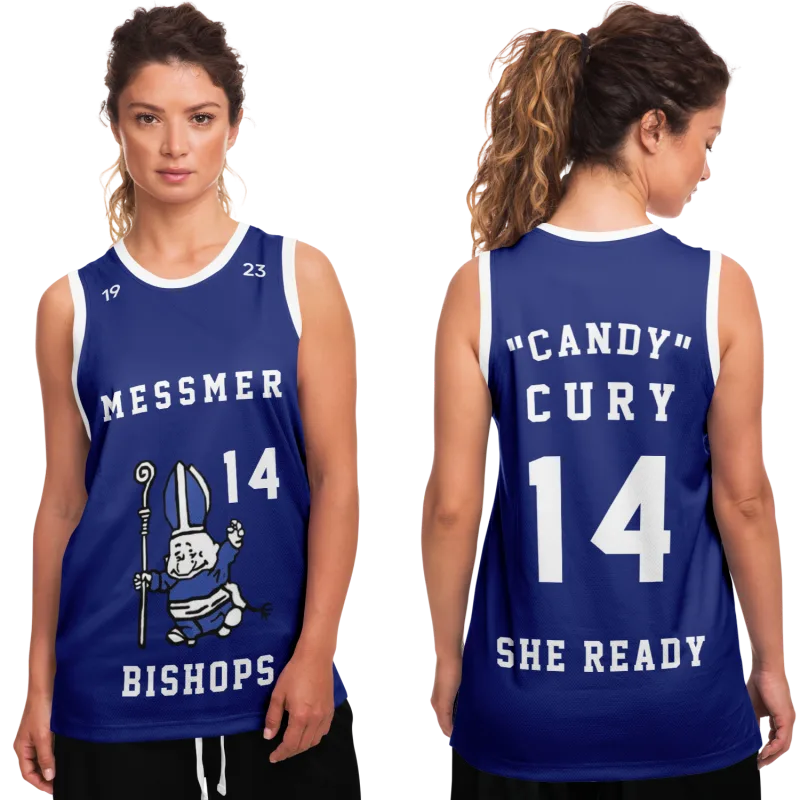
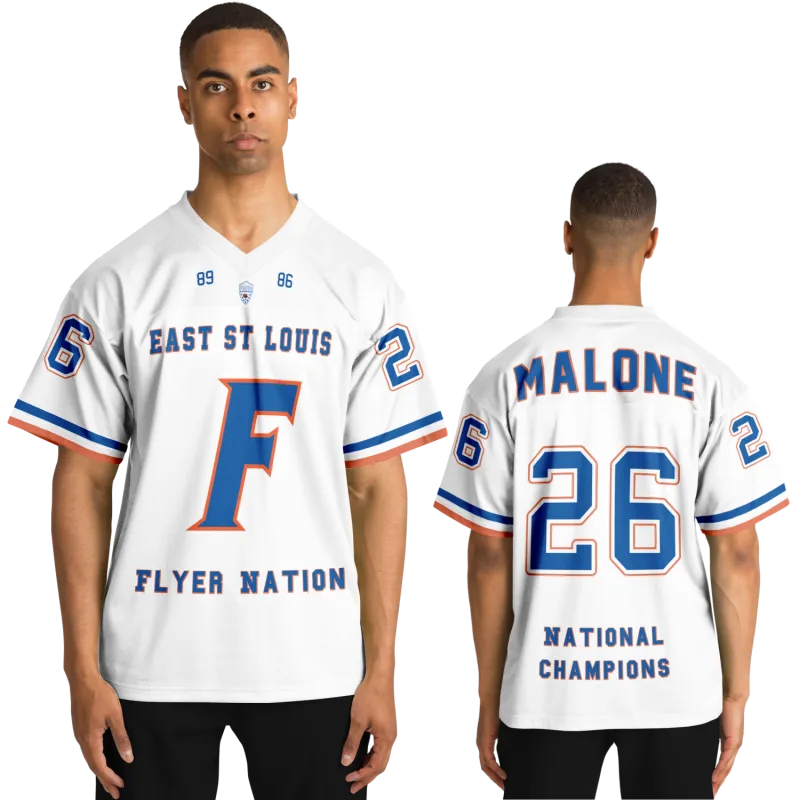
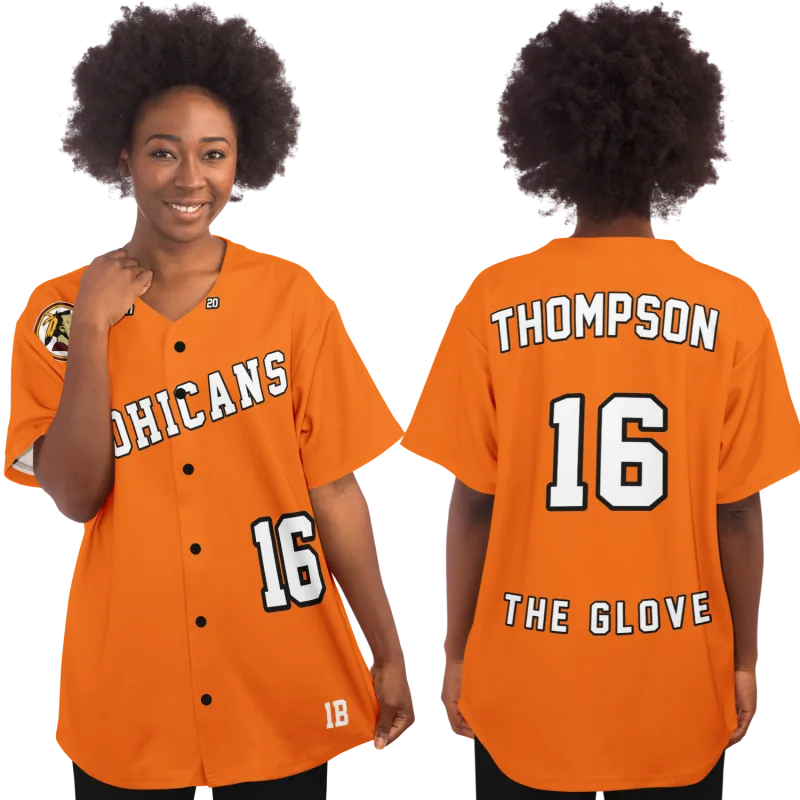
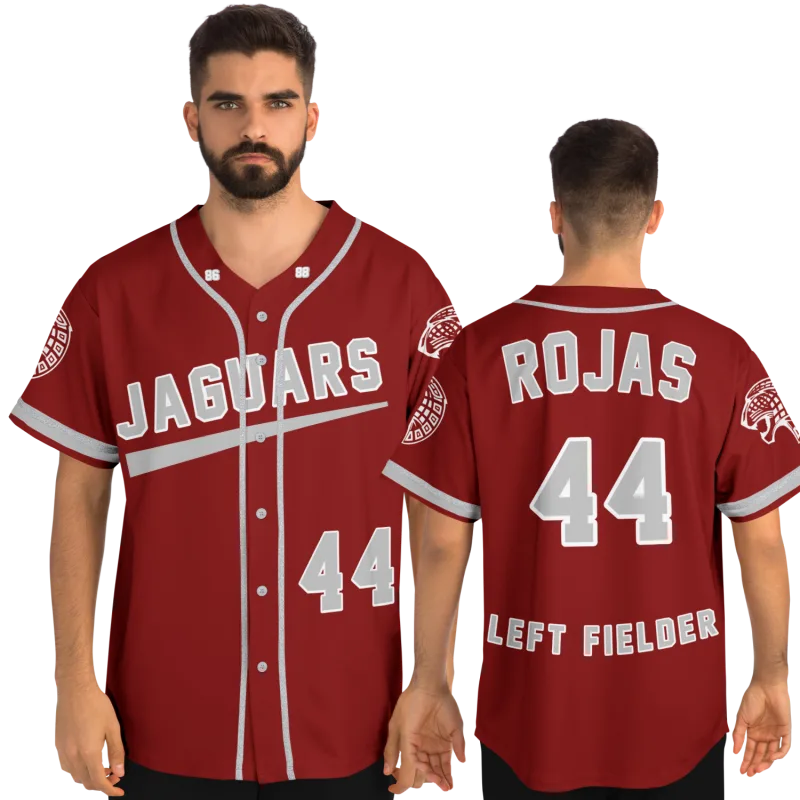
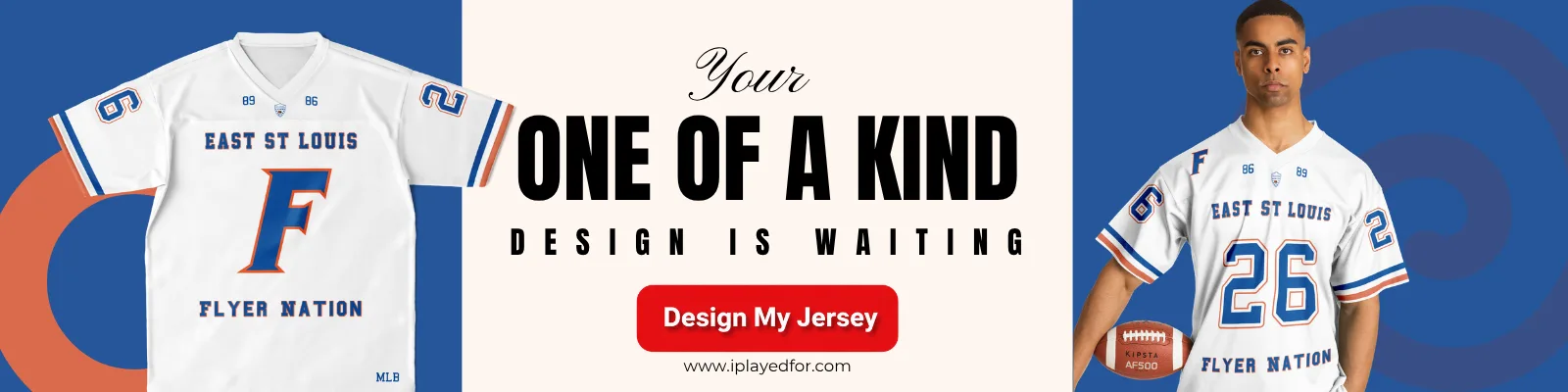
For a former athlete, the jersey is the only physical artifact of the whole thing. The trophies ended up in a closet. The photos live in an album you have not opened in a decade. But the jersey still means it. And you can have yours again -- made for the person you are now, not as a museum piece. Your glory days, worn again.
There is no one translating your memory for you. You build it yourself, the way you remember it -- your colors, your number, the little details that only matter to you.
If you spent your Friday nights on the field, start with football. If your season was a gymnasium winter or a dust-in-the-air spring, we build those too: baseball, basketball, and softball. You pick your colors, your name, your number, and we make it yours -- with colors that never crack, peel, or fade.
Wear It Again
Twenty-five years is a long time to carry a coach's voice around. Somewhere in there, you earned more than a day off. You earned the identity that voice was shaping -- the one you still answer to when somebody says your old number out loud.
Go ahead and design your jersey. It is one flat price of $79.99 with free shipping, and it arrives ready to wear -- not to hang in a frame and forget, but to put on the next time October rolls around and your body wakes up expecting practice.
Because here is the truth that holiday Monday keeps trying to tell you: you never actually stopped being the player that coach built. You just stopped wearing the uniform.
Wear it again.