



I can still smell it.
Somewhere in the second week of October, when the leaves in my town finally turned and the neighbors started burning them in the gutters, that smell would drift across the practice field. We all knew what it meant. October high school football was here — the real season, the one that counted.
And if you ask almost any former player who grew up in a town like mine, they'll tell you the same thing: that smell never leaves you.
The Season That Smelled Like Change
By October, the easy part was over.
September football is warm. It's early games, long bus rides, guys still figuring out where to line up. You can get away with a lot in September. October doesn't let you get away with anything.
The air turns cold enough that your breath shows under the lights. The ground goes hard, then soft with rain, then hard again. Leaves blow across the field and somebody has to rake the sidelines before kickoff. The whole town smells like burning leaves, cut grass, and the last of the summer finally giving up.
And by now the standings matter. Every game is a division game, or it might as well be. A loss in October can end your season, and everybody in that huddle knows it. That's the weight you carry into every snap once the leaves start falling.
Practice in the Dark
Nobody tells you this when you're fifteen, but the best football you'll ever play happens in the dark.
By mid-October, the sun is gone long before practice ends. You're out there under the failing lights with cold hands and a muddy jersey, running the same play until it stops being a play and becomes something your body just does. Your fingers are numb. Your nose is running. Coach is yelling about the same block he's been yelling about since August.

And you're happier than you've ever been, even if you'd never have said it out loud.
I remember standing in that cold, steam coming off everybody, listening to the whistle and the pads and the leaves skittering across the field, and knowing — without putting it into words — that this was exactly where I was supposed to be.
That's what the smell of burning leaves brings back. Not a game. A Tuesday.
Friday Nights and Your Whole Town
Then Friday comes.
If you played in a town that cared, you know what Friday nights meant. The town shut down. The stands started filling before the JV game ended. Teachers you'd seen that morning were suddenly in the bleachers screaming your name. Little kids stood at the fence with your number painted on their cheeks. Alumni who graduated twenty years earlier came back and leaned on the rail like they'd never left.
Under the lights, everything looked bigger than it was. The grass was greener. The crowd was louder. Your town — the same town you were bored of every other day of the week — became the center of the universe for three hours.
You didn't earn that by being special. You earned it by showing up to all those dark, cold practices when nobody was watching. That's the deal. October is where the season gets earned. Friday night is where you find out that you did.
Saturday Was for Paying the Price
Saturday morning, you woke up sore in places you couldn't name.
That's the other half of October football nobody talks about. Friday night was the reward. Saturday was the bill. You limped out of bed, ate everything in the house, and sat through film watching yourself miss the block you knew you missed. Then you went home and raked the leaves, and the whole neighborhood smelled like smoke, and every dad on the block wanted to talk about the game like he'd called the plays himself.
And the truth is, that was the good part too. The ache in your shoulders was proof. The leaves burning in the yard were the soundtrack. Saturday was the day you got to just be a kid in a town that had watched you play the night before — sore, tired, and quietly proud.
Some towns played their big games on Saturday afternoons, and if yours did, you know the smell even better. Raking leaves in the morning, the game in the afternoon, the lights coming on early as the days got shorter. October didn't care what day you played. It just made sure you'd remember it.
Why October Still Hits Different
I stand at the fence on Friday nights now and watch the kids run out under the lights. I smell the leaves and the grass, and for one second I'm seventeen again.
High school football is still one of the biggest participatory sports in American schools, with more than a million students suiting up every fall. But numbers don't explain why it stays with you. What stays is the cold, the mud, the lights, the brotherhood, and the fact that for a few months every fall, you knew exactly who you were and what you were there to do.
The guys standing next to you in October were the reason you could stand at all. That's the part you miss the most — not the scores, but the people. You'd trade a lot to be back in that cold with them one more time.
October is when you find out. And if you were one of the ones who found out — who made it through a whole October season — you carry that for the rest of your life.
Wear What You Earned
That memory doesn't just live in your head. It lives in a color and a number.
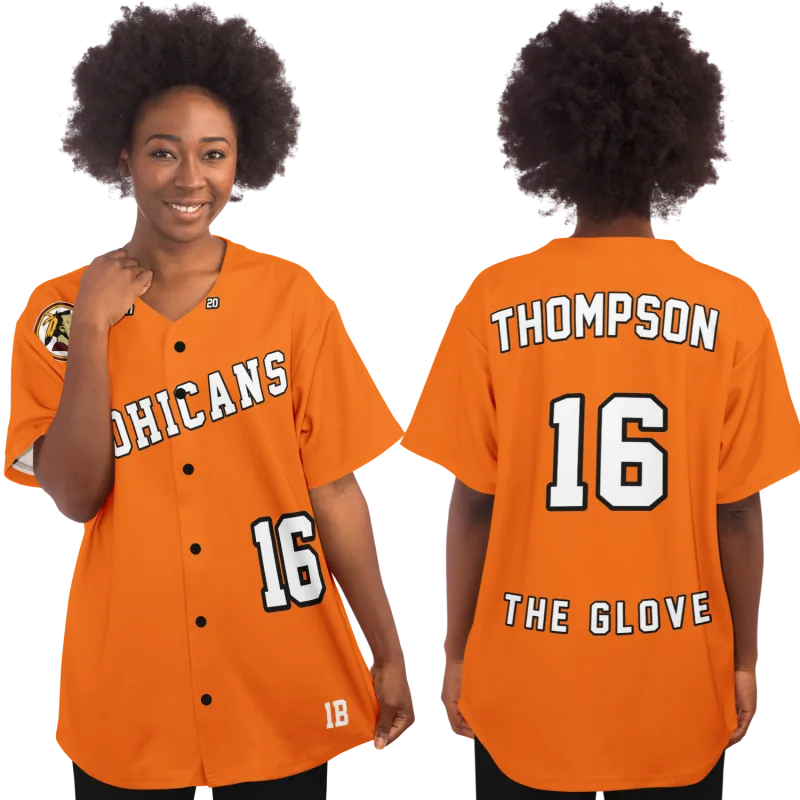
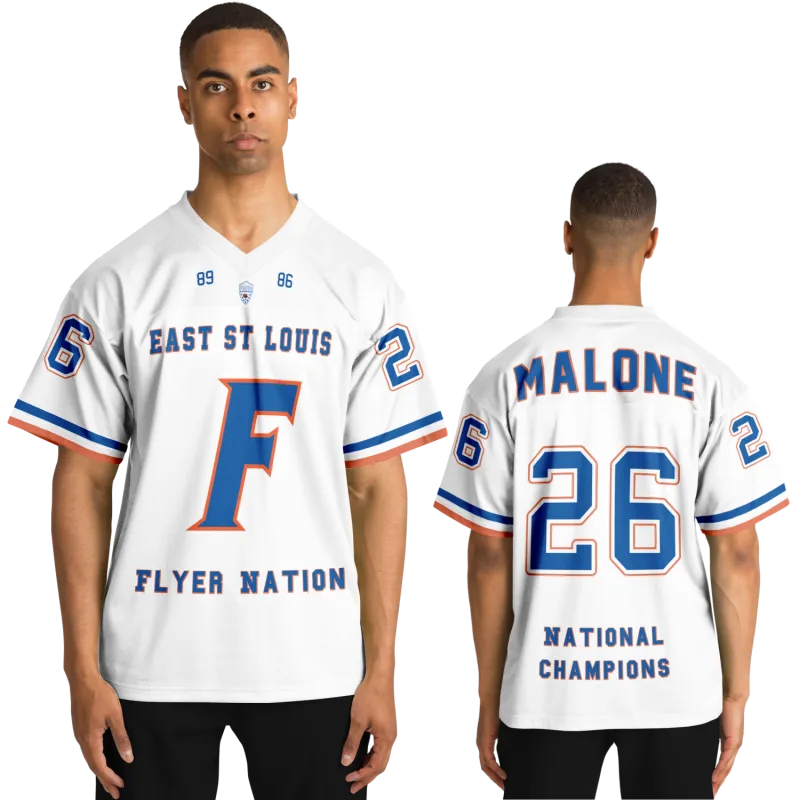
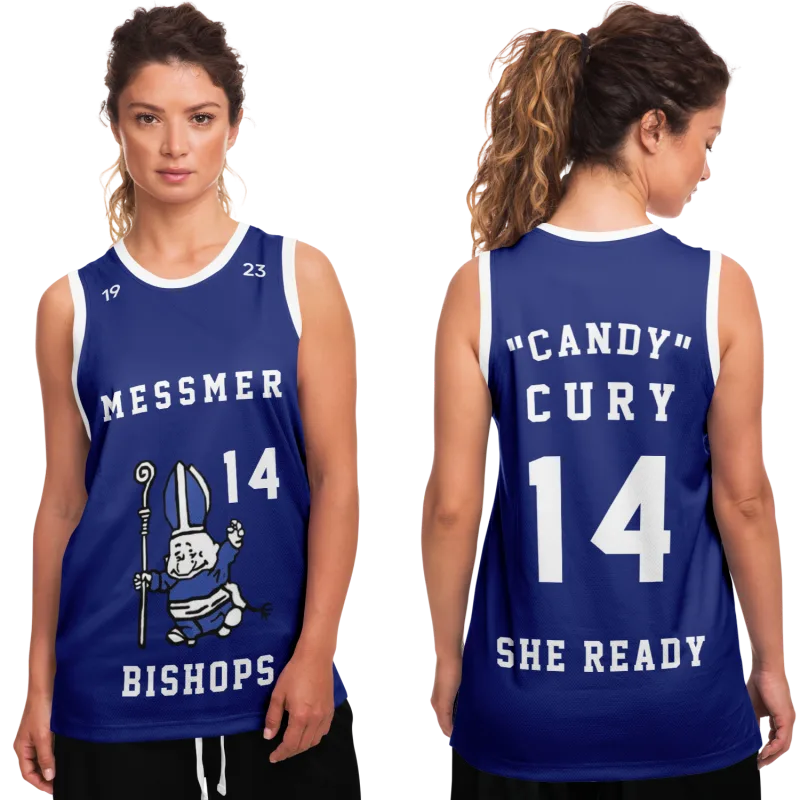
You remember your jersey. The number you wore. The colors you bled for. The name stitched across the back in that block font. That jersey was a receipt for everything October asked of you — and then you turned it in at the end of the season and it was gone.
You can't go back and replay that season. But you can put the number back on.
Our custom football jerseys are built around your name, your number, and your colors — the ones from your town, your school, and your era. Not a costume. Your receipt. Printed in colors that never crack, peel, or fade, so it holds up the way your memory does. Something you can wear to the alumni game, hang on the garage wall, or hand to your kid who's just starting to understand what October means.
Pick your colors. Put your number back on. Design your jersey and see it come back to life.
The leaves are already falling. The season's already here. Go get yours.