


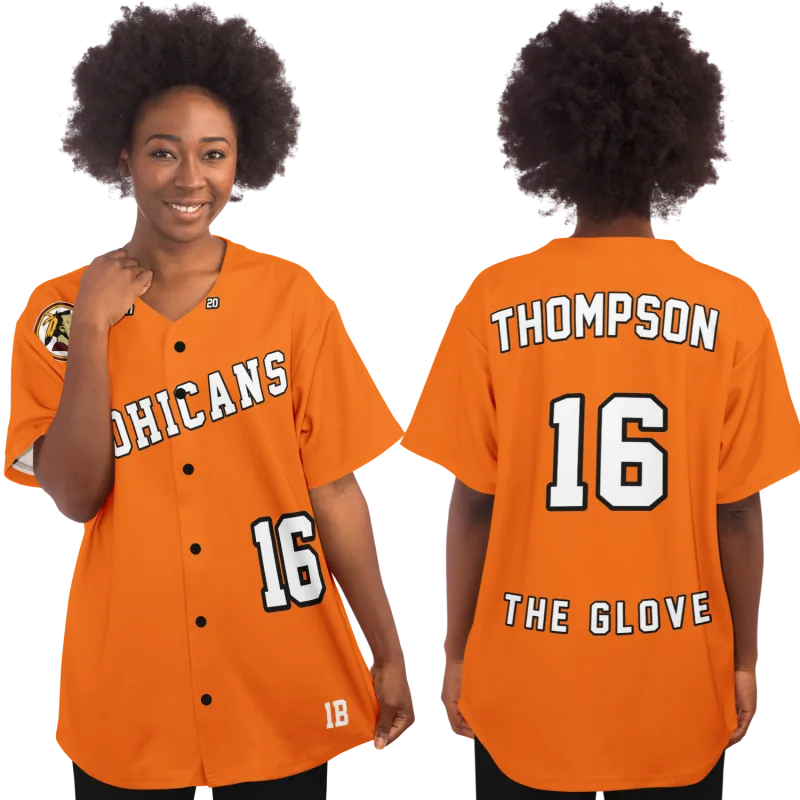
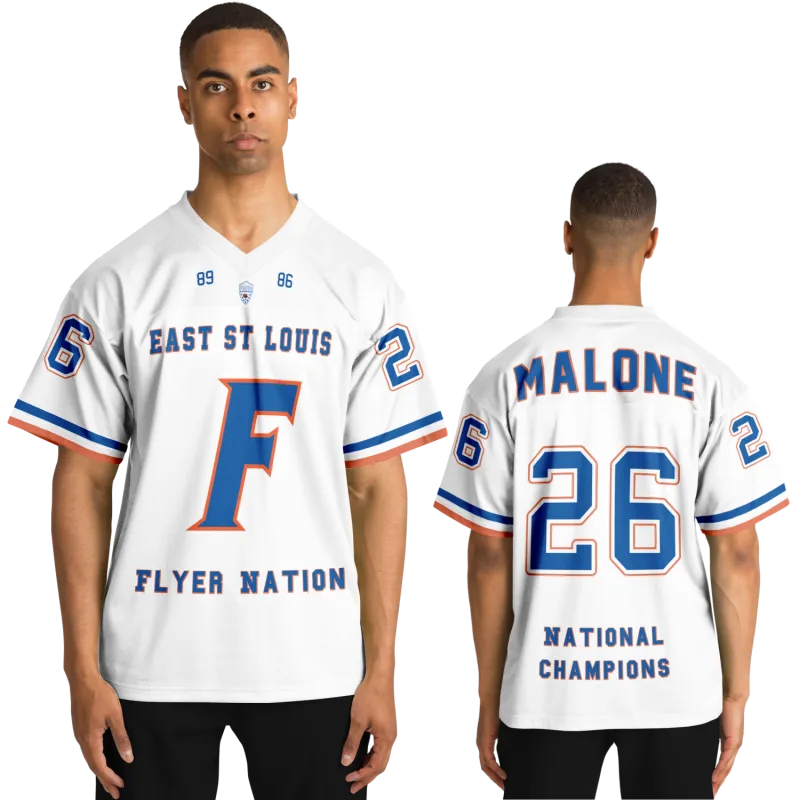
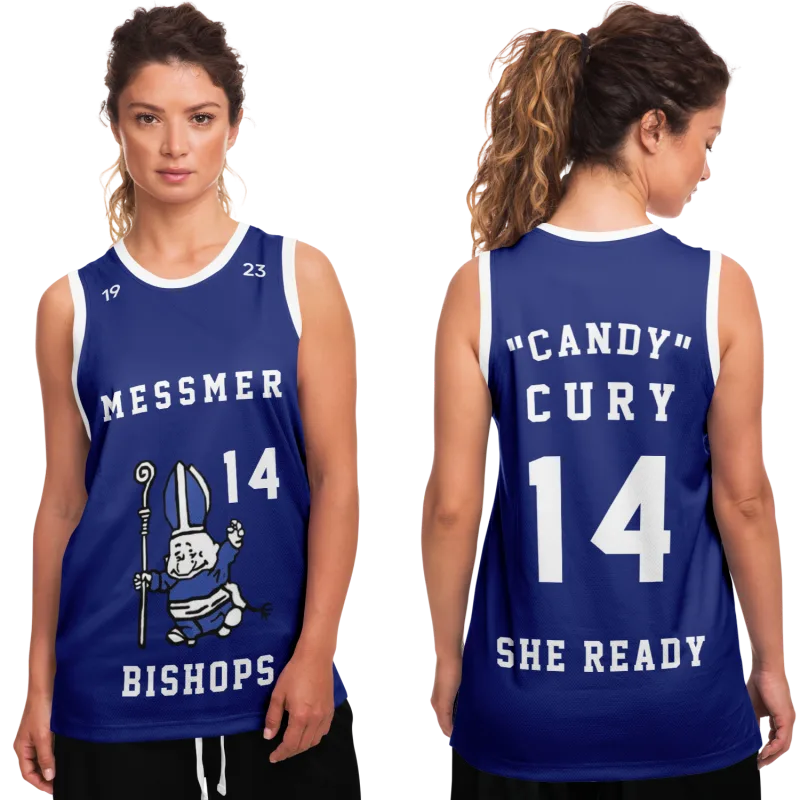

There's a version of you that still wakes up at 6:00 on a crisp fall Saturday, years after your last snap, with a body that remembers the game better than your brain does. For the high school football saturday morning former player, the weekend never started with sleeping in. It started with sore legs hanging off the side of the bed, the smell of cut grass still buried in the collar of an old hoodie, and a quiet pride you never had to say out loud.
Friday night ended in the dark — under the lights, in the mud, in the roar that still echoes when you close your eyes. Saturday morning is what came after. And here's the part the highlight reel never shows: Saturday morning is where the real work happened. This is a Week 2 kind of memory, the kind that settles in once the season finds its rhythm and the games start to carry real weight. By Week 2, you weren't a fresh story anymore — you were a season in progress.
The Saturday Morning Nobody Filmed
The cameras rolled on Friday night. On Saturday morning, the only things recording were the film projector and your own memory, and both of them were merciless. You'd file into the field house smelling like grass and sweat that one shower could never fully wash out, and the whole team would cram onto cold metal benches to watch the game play back in grainy slow motion. The room smelled like damp turf, old leather, and the faint metallic tang of the training table.
Coach would freeze the tape on the block you missed, the read you made a beat too late, the tackle you half-finished. Nobody cheered in that room. Nobody filmed this part. But that hour of quiet correction is where players actually got made. The highlights got posted. The film session got absorbed — into your eyes, your habits, and your next Friday night. You left a little sharper than you came in, even if your legs argued about it the whole walk back to the truck.

The smell of fresh-cut grass has a way of throwing you straight back into that room. It's not a memory you summon on purpose. It ambushes you while you're driving or folding laundry, and suddenly you're sixteen again, standing on a wet practice field with dew on your cleats. That's a rabbit hole all its own — one we went deep on when we wrote about the senses that throw you straight back to the game.
The Walk Into the Field House
You don't forget the walk from the parking lot to the field house on a Saturday morning. Your knees were stiff. Your shoulders were bruised. There was a spot on your forearm that would sting for a week and a half, and your hip flexors made themselves known on every single stair. That walk taught you something nobody can hand you in a classroom: you can be hurting and still show up. It was a small, stubborn act, and you did it without a single person asking.
The cold air would hit your face, and somewhere between the car door and the locker room door, the soreness turned into something else — proof. Proof that you'd done the thing. Sore muscles are a strange kind of memory; they fade, but the feeling they leave behind doesn't. Decades later, a former player can still point to the ache of a Week 2 Saturday and tell you it taught him that the pain was the point, not the price. Nobody had to explain it. You carried it.
The Quiet Pride You Couldn't Name
Nobody tells you what to call the feeling of walking out of that field house into a Saturday morning that's finally yours. It wasn't bragging — you wouldn't have dreamed of bragging. It was quieter than that. It was knowing you'd done something hard the night before, that your name sat on the back of a jersey, and that a whole town had watched you carry it. That feeling is hard to describe and even harder to shake.
That feeling doesn't leave when the pads come off for the last time. You didn't know it then, but you were learning the thing that would carry you through everything that came after — showing up, doing the unseen work, holding a standard when nobody was cheering. The National Federation of State High School Associations has spent decades documenting what participation does for young people, but you didn't need the research. You'd already felt it in your bones on a Saturday morning.
How Those Mornings Made the Players Who Came After
Here's the part that still gets me: you were always being watched. The middle-school kid in the stands on Friday night, the younger brother who helped rake the field on Saturday, the freshman lugging the water jugs — they were all learning what it looked like to be a player. They watched the way you limped through the field house door and still said good morning. They watched the way you took film correction without flinching. They watched you show up when your body was begging you not to. That's what they copied.
The heroes who came after didn't inherit your stats. They inherited your Saturday mornings. Somewhere right now, in a high school in your hometown, a kid is waking up sore and walking into a field house, becoming the player someone else will remember someday. You're part of that chain, whether or not you ever wore the jersey again. The field lights go out. The chain doesn't.
Carry It With You
That version of you never really went anywhere. It's still there on Saturday mornings — in the quiet, in the smell of cut grass, in the pride you earned one snap at a time. And it's worth wearing again. Not some off-the-shelf jersey from a big-box shelf — your name, your number, your colors, inspired by the team that made you. We build custom commemorative jerseys with colors that never crack, peel, or fade, so the memory stays as sharp as the morning you walked out of that field house.
If you ever pulled on a jersey and left a piece of yourself on a Friday night, build yours in minutes with our design tool. Your name, your number, your colors — the Saturday mornings deserve to be worn, not just remembered.