

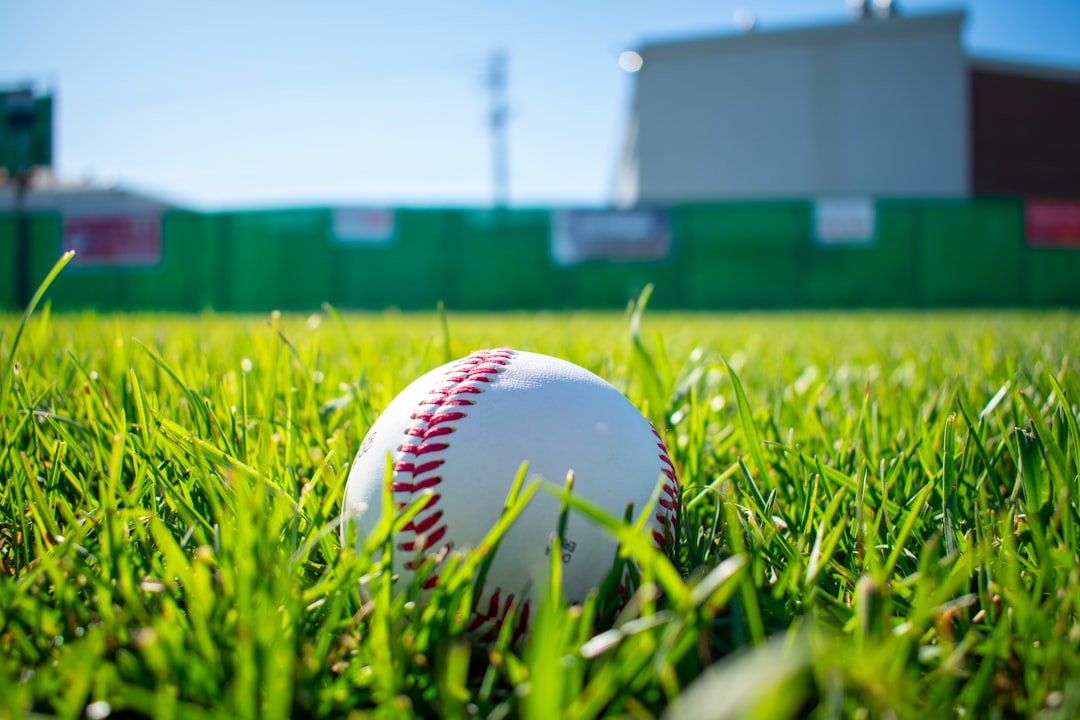




You're not thinking about it. You're driving, or folding laundry, or walking past a park on a Thursday afternoon — and then it hits you. The smell of cut grass, thick and green and particular. And suddenly you're sixteen again, cleats digging into the turf, the game not yet started, your whole body taut with the specific tension of waiting for a whistle.
That's not a coincidence. That's not sentimentality. That's your brain doing something genuinely remarkable — and if you've ever wondered why sensory memories of playing sports feel more vivid and more physical than almost any other kind of memory, there is a real and fascinating answer. This article is that answer. We'll walk through the specific sensory triggers — smells, sounds, textures, even taste — that pull former athletes back to the field, court, or pool, and explain the neuroscience that makes it feel less like a memory and more like a visit.
Why Sports Memories Live in Your Body, Not Just Your Brain
Most memories are stored as information. You remember what happened, in roughly what order, with varying degrees of accuracy. But sensory memories of playing sports operate differently. They are encoded with the full physiological context of the moment — the adrenaline in your bloodstream, the muscle tension, the ambient sound, the specific smell of the air — because your brain was under heightened arousal at the time.
The mechanism is this: emotionally charged experiences activate the amygdala, the brain's threat-and-reward processing center, which flags the hippocampus to store the event with extra precision. When athletes compete — especially in high-stakes moments, especially as adolescents whose emotional systems are running at maximum sensitivity — the amygdala is deeply engaged. The result is a memory trace that is richer, more multi-sensory, and more durable than a typical autobiographical memory.
This is why the sounds of a high school game, decades later, don't just remind you of playing — they put you back in playing. The crowd noise, the ref's whistle, the specific acoustic signature of a gymnasium — these are not retrieval cues pointing to a memory file. They are the memory itself, partially reconstructed, sensory layer by sensory layer.


What makes smell the most powerful trigger of all is anatomy. Every other sense is routed through the thalamus before reaching the emotional and memory centers of the brain. Smell is not. Olfactory signals travel directly to the olfactory cortex, which is in immediate contact with the amygdala and hippocampus. There is no filtering step. When you smell fresh-cut grass, the signal arrives at the part of your brain that stores emotional memories before your conscious mind has processed what you're smelling. Research published in the journal Chemical Senses has consistently shown that odor-evoked memories are rated as more emotionally intense and more involuntary than memories triggered by any other sense. You don't choose to remember. It just arrives.
The Specific Smells That Carry Athletes Home
The smells that remind you of sports are not generic. They are almost insistently specific. Former athletes, asked to name the smell that most vividly returns them to their playing days, rarely give a vague answer. They say exactly which smell, from exactly which context. That specificity is the mechanism at work — your brain encoded the smell in association with all the surrounding context, and when the smell returns, the context returns with it.
Cut grass. It has become almost a cliché, and yet it is a cliché because it is true. The smell of a freshly mowed field — and specifically the particular sharp, green note of a game-day morning, when the groundskeeper has cut it that morning and the dew is still in it — is, for outdoor athletes, one of the most potent retrieval cues in existence. Soccer players, football players, lacrosse players, baseball players: the exact same smell, the exact same response. Not just memory. The specific pre-game feeling. Anticipation mixed with nerves. The particular clarity of a morning when something important is about to happen.
Leather. Baseball players and softball players often describe the smell of a well-worn glove — broken in, worked with neat's-foot oil, shaped over hundreds of hours of use — as the single most concentrated portal to their playing days. The smell of a leather ball, the smell of a baseball mitt heated by the summer sun. It doesn't just evoke the game; it evokes the specific relationship with a specific piece of equipment that felt like an extension of the body. Golfers describe it with the same reverence about their first set of clubs. Boxers describe it about the gym — that particular combination of leather and sweat and canvas.
Chlorine. Swimmers occupy a separate olfactory universe from field and court athletes. For a competitive swimmer, the smell of pool chlorine — dense, chemical, slightly acrid — is not unpleasant. It is home. It is 5:30 AM practice and lane lines and the sound of the water moving. Former competitive swimmers report that walking into any indoor pool, decades after their last race, produces an immediate and visceral return to the specific feeling of race-day readiness. Tight cap, goggles indenting the face, that particular hyperventilating breath before the starting block.
The gymnasium floor. Indoor athletes — basketball players, volleyball players, wrestlers, gymnasts — often name a smell that is harder to describe but instantly recognized: the specific scent of a wooden gym floor, waxed and dusty at the edges, overlaid with the smell of rubber soles and the compressed warmth of bodies in motion. It is an indoor smell, an institutional smell, but for the athletes who competed in those spaces, it is the smell of belonging to something.
Sunscreen and synthetic turf. For the generation of athletes who came of age on artificial turf and played summer tournaments from early morning to evening, the smell of athletic sunscreen combined with the specific petroleum-and-rubber smell of synthetic turf creates a sensory signature that is entirely its own. Heat amplifies both. The smell of a hot turf field on a July afternoon is a very specific thing — and for the athletes who lived in it, entirely unforgettable.
The Sounds of a High School Game — and Why They Hit Differently
Sound may be the second most powerful sensory trigger for athletic memory, but it operates differently from smell. Where smell arrives involuntarily and total — the entire memory arriving at once, like a wave — sound tends to rebuild memory sequentially. You hear one thing, and it leads to the next. The way a building blocks of reconstruction.
The sounds of a high school game, specifically, carry a weight that professional or collegiate sport sounds rarely match. This is not nostalgia bias. It is the combination of developmental timing and emotional stakes. High school is when most athletes are at the peak of their emotional investment in sport — when the stakes feel absolute because the reference frame is absolute. You have not yet seen the larger world. This game, this season, these teammates: this is everything.
Which is why the sound of a gym PA system — tinny, slightly distorted, playing the same pregame songs it played twenty years ago — can stop a former athlete cold in a way that the sound of an NFL stadium cannot. The stadium is impressive. The gym PA system is theirs.
The specific sounds that carry the memory:
- Sneakers squeaking on a hardwood floor — the particular pitch of it, the way it signals the burst of a cut or a defensive slide, the communal noise of a full practice in motion
- The crack of a wooden bat connecting cleanly — not a glancing hit, but the center-of-the-barrel sound that every baseball player feels in their hands before they hear it
- The referee's whistle — not the sound alone, but the specific kind of whistle and what it meant: the pause before a free throw, the start of a half, the call that went against you
- The crowd going quiet right before something important — the shared inhalation of a gymnasium holding its breath for a last-second shot, which many athletes describe as the single most electrically charged silence they've ever experienced
- The sound of your own name over a PA system — first name, last name, number, position. Once heard, essentially never forgotten.
The Texture of the Game: What the Hands and Body Remember
Maria C., 34, played Division III volleyball through college and still coaches at a local club level. She keeps one thing from her playing days that she has never used and will never use again: her first kneepads, worn almost through at the knees, the foam inside compressed to a permanent shape. "I don't keep them because I'm sentimental," she says. "I keep them because when I pick them up, I'm back on the court. It's not a thought — it's a physical thing. My hands remember the weight."
What Maria is describing is haptic memory — the encoding of tactile experience in procedural memory. Athletes develop highly specific tactile relationships with their equipment and their sport's surfaces: the exact grip pressure on a racket, the specific weight of a ball in the palm before a free throw, the feel of turf underfoot versus grass versus hardwood. These are not stored the same way semantic memories are. They live closer to reflex — which is why, when the tactile cue returns, the body responds before the mind catches up.
Former athletes who return to a field or a court often report the feeling of muscles remembering — the instinctive shift of weight, the automatic positioning of the hands, the specific posture that the sport required. The body was trained over thousands of hours. The body does not forget.
The texture of game-worn equipment carries its own particular memory. The way a jersey fabric feels — the specific weight of it, the way it sits on the shoulders — is tied to the memory of wearing it for the first time, for the biggest game, for the last time. Equipment that has seen real use develops a specificity that new equipment does not have. A helmet worn through a season has a different relationship with the player who wore it than a helmet worn once. The wear is the record.
The Taste and Temperature of Competition
Two often-overlooked sensory channels carry athletic memory with surprising power.
Temperature. The cold of an early-morning ice rink. The specific dry heat of a desert cross-country course in September. The warm wet air of an indoor pool natatorium. The particular cold of a November Friday night football game, the sideline air carrying the smell of hot chocolate and the sound of a band. Temperature creates the ambient container for a memory — and when the body encounters that temperature again, the container reconstructs.
Taste. This sounds strange until you name the specific tastes: the metallic taste of exertion pushed past comfort — what athletes describe as "tasting" a hard sprint. The specific taste of a sports drink so linked to practice that the drink's flavor carries the memory of the practice itself. The taste of a post-game orange slice at halftime of a youth soccer game, which for many athletes is among the most specific and inexplicably powerful sensory memories they carry. Simple, exactly sweet, linked to a specific moment of rest and belonging.
Nostalgic Sports Memories and What They're Really Telling You
The fact that nostalgic sports memories hit this hard is not an accident of sentiment. It is your brain communicating something specific: that this period of your life had extraordinary density of meaning. You were learning at a high rate. You were part of a team — a collective that required your specific self in order to function. You were tested. You rose to tests, or you failed tests, and both kinds of tests mattered. You had a number. You had a position. You had a name that meant something specific in a specific context.
That density of meaning is what the smell of the grass, the squeak of the sneakers, the weight of the equipment is pointing back to. Not a naive wish to return. Something more accurate than that: a recognition that something real happened in that time, and that you were a real version of yourself in it.
In our experience, the athletes who carry their playing days most vividly are not the ones who peaked early and missed it afterward. They are the ones who understood, even at the time, that what was happening was worth paying attention to. The sensory memories are the evidence of that attention. Your nervous system was fully awake. You were fully there. The body remembered because the mind was present.
Your jersey is still out there waiting.
Design yours in minutes and see your name and number exactly the way you remember it.
Frequently Asked Questions
Why do smells trigger sports memories more powerfully than sounds or sights?
The olfactory system has a direct anatomical connection to the amygdala and hippocampus — the brain's emotional processing and memory storage centers — that bypasses the thalamic relay used by all other senses. This means smell signals arrive at emotional memory storage before conscious awareness catches up. The result is memory recall that feels involuntary and total: not a retrieval, but a reconstruction that arrives fully assembled, carrying the emotional context of the original experience intact.
Is it normal to feel an intense physical reaction — not just an emotional one — when a sensory cue triggers an athletic memory?
Yes, and it is well-documented. Emotional memories encoded during high-arousal states (competition, physical exertion, significant wins or losses) are stored with their physiological context intact. When the retrieval cue activates the memory, the associated physical state — increased heart rate, muscle tension, proprioceptive positioning — can be partially reconstructed. Athletes often describe the sensation as muscle memory responding before conscious thought. This is your nervous system accurately reconstructing the original event's physical signature, not an emotional overreaction.
Why do high school sports memories feel more vivid than college or adult league memories for many athletes?
Adolescence is a period of heightened amygdala sensitivity and heightened emotional investment in peer belonging and identity formation. The brain is, in a literal neurological sense, more emotionally reactive during this period, which means memories formed during adolescent athletic experiences are encoded with greater emotional intensity. Additionally, for most athletes, high school represents the peak of their competitive investment — the stakes felt absolute because the reference frame was absolute. Both factors produce a density of memory encoding that later, more contextualized athletic experiences rarely match.
Can you deliberately use sensory cues to access athletic memories — like using smell or sound intentionally?
Yes. The retrieval mechanism works in both directions. If a specific sensory cue is associated with a high-intensity athletic memory, deliberate exposure to that cue — the smell of a leather glove, the sound of game-day warm-up music, the specific feel of a ball in the hands — can partially reconstruct the psychological and physiological state of competition. Some coaches and sports psychologists use this principle when working with athletes on pre-performance routines, anchoring a confident state to a specific sensory input that the athlete can access before competition.
See also: why high school sports still matter so much to adults | why your senior season memories are so unusually vivid | still dreaming about high school games | what playing under the lights actually felt like