



You're watching the game from the stands — or from your couch — and something happens that nobody around you seems to catch.
The running back cuts left, loses his defender, and breaks into open space. The crowd erupts. Your friends are on their feet. But you were already on your feet three seconds earlier, when you saw the linebacker cheat toward the center and knew — knew — what was coming before it happened.
That's the difference between sports fan and former athlete. And once you've lived on that side of it, there's no going back to watching the way everyone else does.
You Don't Watch the Game. You Read It.
There's a kind of watching that happens from the outside, and a kind of watching that happens from the inside — from muscle memory, from years of practice reps, from being screamed at by a coach until your body understood something your brain had to catch up to.
Fans watch outcomes. Former athletes watch process.
When a point guard drives the lane and kicks out to the corner, a fan watches the three-pointer. A former basketball player watches the two dribbles before the drive — the shoulder fake that froze the defender, the weight shift that opened the angle. The made shot is almost beside the point. The read is what matters.
This isn't something you choose. It's something that gets built into you over years of repetition. Every practice you ever ran, every film session you sat through, every correction a coach gave you about footwork or positioning or court vision — it all deposits into a kind of perceptual account that pays interest every time you watch your sport. You see things other people don't see, because you've done the things other people have only watched.
In our experience talking with former athletes, this is the detail that surprises people when they first articulate it: it's not that you know more than fans. It's that you see differently. You're watching a different game, on the same field, at the same time.
The Body Still Knows
Here's what nobody prepares you for: the physical response.

You're watching a close game, fourth quarter, and your team's running a two-minute drill. And your heart rate goes up. Your palms get a little damp. You're on a couch in your living room, or in a stadium seat twenty rows up, and your body is responding the way it did when you were in that situation — because to your nervous system, the difference between doing and watching isn't as clean as you'd think.
Athletes develop what sports psychologists call motor resonance — a mirroring response in the brain where watching a movement activates some of the same neural pathways involved in executing it. It's why a former pitcher flinches when a batter crowds the plate. It's why a former soccer player's leg twitches when a penalty kick is set up. The body hasn't forgotten. It's just waiting.
Fans feel excitement. Former athletes feel something closer to memory — vivid, specific, physical memory — triggered by what they're watching. It's the same machinery behind the physical sensations only a high school athlete remembers — the body keeping a record you didn't know you were keeping.
The Nostalgia That Lives in Your Body, Not Your Head
Most people think of nostalgia as a mental thing. A photograph. A highlight reel. Something you look at.
For former athletes, nostalgia is often physical. It lives in the smell of a locker room, in the specific weight of a uniform, in the particular way turf feels different from hardwood. It gets triggered not by thinking about the past but by experiencing something in the present that unlocks it.
Marcus T., 44, played four years of college baseball before a shoulder injury ended his playing days. He describes sitting in the bleachers at his nephew's high school game and smelling the combination of cut grass and leather from the dugout. "I wasn't thinking about my playing days," he says. "I was in them. For about thirty seconds, I was 20 years old and in the lineup again. And then it passed, and I was 44 in the bleachers. But it was completely real while it lasted."
That's not nostalgia. That's recall — involuntary, sensory, specific.
This is the part of athletic identity that doesn't translate to spectator experience, no matter how devoted the fan. A lifelong supporter of a team can feel deep emotional connection to that franchise, can know every statistic and remember every championship and bleed the team colors. But they cannot have their body remember what it felt like to be in it. That's a different kind of knowing, and it belongs exclusively to the people who played.
When the Game Ends, the Identity Doesn't
Here is the thing about being a former athlete that takes time to understand: the "former" part is incomplete.
You stop having a schedule. You stop having a team, a practice plan, a season, a weight room you're required to be in at 6 AM. All of that ends. But the way you move through the world — the way you process challenge, the way you respond to pressure, the discipline patterns you built, the specific pride you take in doing something precisely when you could have done it sloppily — that doesn't retire when you do.
Fans are fans when the team is playing. Former athletes are athletes on Tuesday morning, when they're running a meeting or problem-solving under pressure or refusing to take the shortcut because they were trained, for years, that shortcuts compound into losses.
The identity is load-bearing in a way that fandom isn't. It has shaped how you think, how you work, what you demand of yourself, how you respond when you're losing. Fandom adds to a person. Athletics builds the structure underneath — which is why what happens to your athlete identity after high school is rarely a clean break and more often a quiet reshaping.
This doesn't make athletes better people. It makes them differently shaped people — people for whom competition was formative rather than recreational, for whom belonging to a team was mandatory rather than chosen, for whom the specific joy of executing something difficult correctly was trained into them before they were old enough to understand what was being installed. There's a reason being part of a team is something those who never played will never fully understand — the feeling has to be lived to be known.
What "Going Back" Actually Means
Every former athlete has a version of a specific conversation. It usually happens at a reunion, or at a game, or when someone asks the right question after enough years have passed. And the conversation is some version of: I didn't realize what it was when I was in it.
Not the wins. Not the losses. The texture of it — the daily-ness of it, the team of it, the specific combination of misery and belonging that only exists inside a competitive season. The way Tuesdays had a particular feel when there was a game on Friday. The way you knew every person in your program not as a social connection but as someone you had been through something with.
Priya S., 31, ran cross country and track at a Division III school in Ohio. She didn't think of herself as particularly sentimental about her athletic career until her younger sister started racing competitively. "I went to one of her meets, and I stood at the start line while they were setting up, and I thought: I would give a lot to have this back. Not the racing specifically. Just the belonging to something with stakes. The fact that it mattered every single week."
That's what going back means for most former athletes. Not recapturing performance. Recapturing the stakes, the belonging, and the specific version of yourself that existed inside the structure of a season.
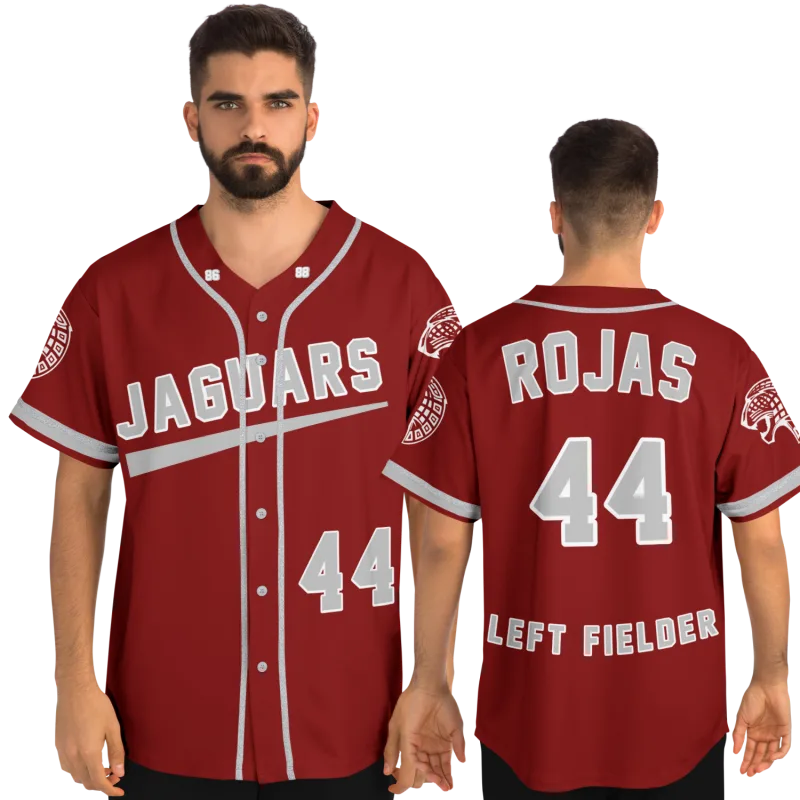
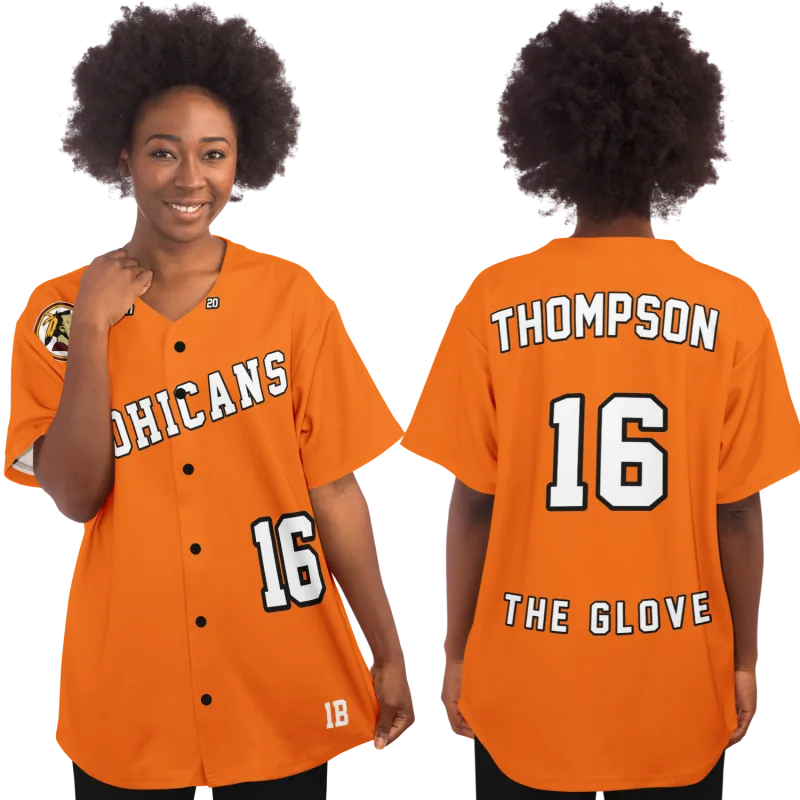
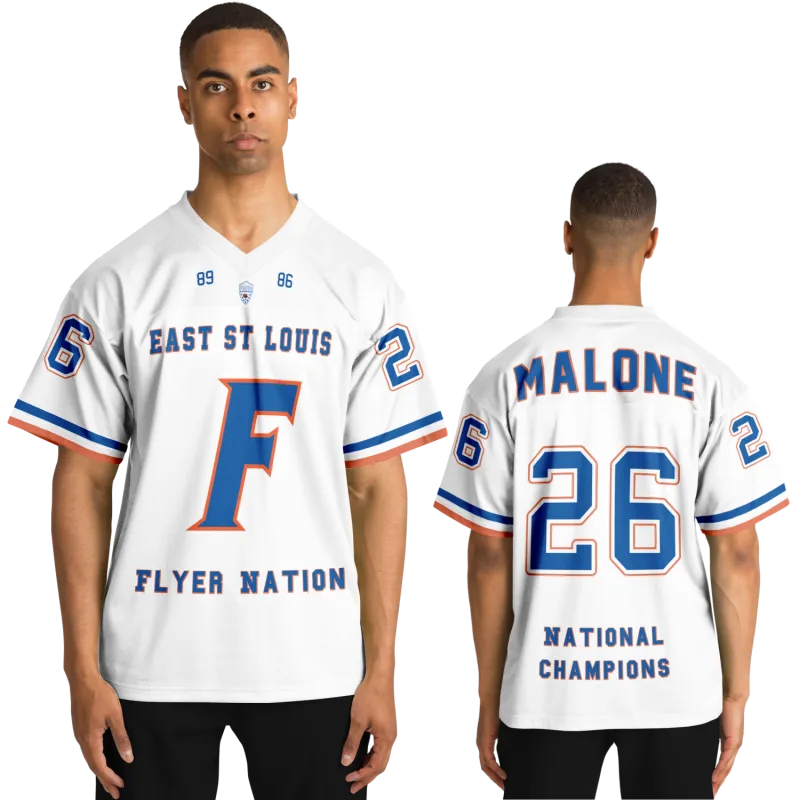
The jersey is part of that. Not as a costume — as an artifact. Something that exists in the physical world and says: this was real, and I was in it. A number, a name, a team. Proof that the stakes existed.
The Watch-Together Gap
Here is a tension that doesn't get talked about enough: former athletes and fans watching the same game are often having a genuinely different experience, and this can create a subtle friction that neither side fully names.
The fan wants to feel the game emotionally — the ups and downs, the hero moments, the disaster plays. The former athlete is also doing that, but simultaneously parsing technique, reading strategy, reacting to things invisible to the untrained eye, and occasionally getting pulled into a very private place that has nothing to do with the current game at all.
This is not better or worse. It's just different. And it can make the social experience of watching sports feel slightly lonesome for former athletes, especially when the people around them don't share the fluency.
The former athlete sitting in a sports bar during a playoff game is watching, yes. But they're also in about four other places at once — the gym where they first learned this play, the field where they first ran this scheme, the version of themselves at 17 who genuinely believed the gap between good and great was closeable with enough work. A fan doesn't carry all of that into the room. A former athlete always does.
It's also why losing hurts more for players than it ever could for fans — the stakes were once personal, and some part of you still feels them that way.
What That Background Gives You (That Money Can't Buy)
There's a reason former athletes are sought after in coaching, in business, in any environment where the ability to function under pressure and inside a structure matters. It's not sentiment. It's installed capacity — a set of lasting identity markers shaped by how your sport shaped your personality.
Four specific things transfer across every field:
- Coachability — the trained ability to receive critical feedback without taking it as an attack on your identity. This is rare, and athletes develop it out of necessity.
- Calibrated effort — the specific knowledge of what maximum effort actually feels like, which makes it possible to recognize when you're short of it. Most people have never actually been at their physical or mental limit. Former athletes have, repeatedly.
- Team operating system — knowing how to subordinate individual preference to group outcome, how to read roles and respect them, how to show up for people who are counting on you on a day when you feel nothing like showing up.
- Loss processing — the trained capacity to lose visibly, in front of others, and return to preparation. Most people never develop this because most contexts don't require it with regularity.
None of these are available by watching. They're available only by doing — by being in the structure long enough that it becomes how you're wired. That's the discipline the practice as sanctuary quietly installed in you — the 4 AM runs and a hundred grueling situps that shaped you before you had a word for it.
Your jersey is still out there waiting.
Design yours in minutes and see your name and number the way you remember it.
Frequently Asked Questions
Does the feeling of being a former athlete fade over time?
For most former athletes, the identity doesn't fade — it transforms. The acute feelings of missing practice, missing the team, missing competition tend to soften over the first few years after playing ends. What remains is more structural: the way you process challenges, the standards you hold yourself to, the specific way you experience watching your sport. Many former athletes report that the identity becomes more settled and less painful with time, even as it remains a defining part of how they understand themselves.
Is there a meaningful difference between someone who played at a high level versus recreationally?
Yes, with nuance. The kind of experience differs significantly — competitive sport at a serious level involves external pressure, team accountability, and performance stakes that recreational sport doesn't reproduce. But the core of what makes someone a former athlete rather than a fan — the physical memory, the process-level perception of the game, the belonging to a team — exists across levels. Someone who played recreational soccer for a decade carries a different relationship to the game than someone who only ever watched it, regardless of how competitive the soccer was.
Why does watching your old sport feel so emotionally intense compared to watching sports you never played?
This is the motor resonance effect at work. When you watch a sport you've played, your brain activates motor pathways associated with performing those movements — you're not just observing, you're partially simulating. This produces a significantly more intense emotional and physical response than watching a sport you have no embodied connection to. Former athletes often describe watching their sport as uniquely exhausting for this reason: it's not passive. The body is doing something, even from the stands.
What is it about the jersey specifically that matters to former athletes?
A jersey is a physical record of a time when you belonged to something with stakes. It carries the number you wore, the name you answered to in that context, the team identity you were part of. For former athletes, it's less about the garment and more about what the garment represents: that the experience was real, that the team existed, that you were genuinely in it. Many former athletes describe wearing or seeing their old jersey — or recreating it — as a way of honoring the specific version of themselves that lived inside that experience.
See also: athletic identity that doesn't disappear when the season ends | why high school sports still matter to adults decades later | the grief that comes with the end of your playing days