

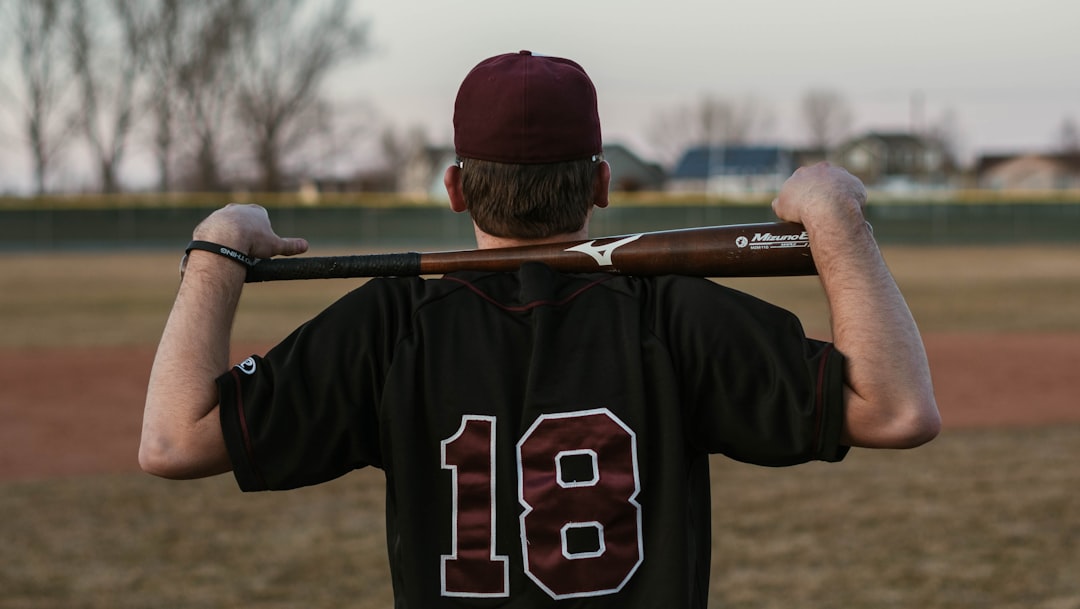


You were mid-sentence when you caught yourself. Someone asked how you got into baseball, or why you still follow your old high school team, or what that faded photo on your desk is from — and you started telling the story. Then you pulled back. I don't want to be that person, you thought. The one who never left.
Talking about high school sports glory days carries a strange social tax that almost nobody talks about. The stories are real. The experiences shaped you. But somewhere along the way, the cultural script decided that fondly remembering sports from your past is either nostalgia that needs a disclaimer or evidence you peaked too early. Neither one is true.
This article is about giving yourself permission to tell those stories — and understanding why they matter, not just to you, but to the people listening.
The Lie We Tell Ourselves About Nostalgia
There's a version of the "glory days" story that is genuinely a problem. We've all met that person — the one who hasn't updated their personality since 1998, who turns every conversation back to the season they went to regionals, who seems to be living in perpetual replay. That person exists. And the fear of becoming that person is what makes the rest of us go quiet.
But here's what actually happens when someone cuts off a good story because they're afraid of oversharing: the people around them lose something. The dinner table gets a little quieter. The connection that could have been made doesn't get made.
Nostalgia for sports — real nostalgia, the kind that surfaces a particular memory with particular clarity — isn't a symptom of being stuck. According to research published in the journal Personality and Social Psychology Bulletin, nostalgia functions as a psychological resource that strengthens social bonds, increases feelings of continuity and meaning, and — critically — connects people to each other. It is not emotional quicksand. It is a bridge.


The person telling a high school baseball story isn't trying to relive a moment that's gone. They're translating a formative experience into language that lets someone else understand who they are. That's not bragging. That's connection.
What Past Athletic Achievements Actually Represent
When someone shares a high school sports memory — the game-winning hit, the season-ending injury, the championship they lost in extra innings — they're not reporting a box score. They're narrating a chapter in their own development.
Think about what those years actually contained:
- The first time you performed under real pressure. Not a test, not a presentation — a physical moment with teammates watching, an outcome that mattered, a result you couldn't take back.
- The specific texture of belonging. That particular locker room smell, the bus rides, the shorthand language that developed between people who practiced together five days a week.
- Failure that didn't end you. The error in the fifth inning. The slump that lasted three weeks. The coach who benched you. And the fact that you kept showing up anyway.
- The version of yourself you were becoming. High school athletes don't just play sports — they use sport as the laboratory where they discover what kind of person they are under stress, in a team, in a position of responsibility.
Sharing high school stories from that period isn't self-aggrandizement. It's shorthand for all of that. When someone says I played third base my junior year and we went to state, they're not just talking about baseball. They're saying: I know what it feels like to be part of something that demanded something real from me.
That's worth saying out loud.
The Difference Between Bragging and Remembering
In our experience, the people who hesitate most before sharing a sports memory are actually the least likely to be bragging. They're the ones who remember the complexity — the hard parts alongside the highlights, the teammates who worked as hard as they did, the coach who made it possible. Bragging tends to flatten experience into a highlight reel. Remembering keeps the whole thing intact.
Here's a practical way to feel the difference:
Bragging sounds like: "I was the best shortstop in our county. Nobody played defense like I did."
Remembering sounds like: "We had this infield my junior year — four of us who had played together since Little League. I don't know that I'll ever feel as locked-in with a group of people as I did that season."
One is a performance. The other is an invitation. The second version makes room for the person listening. It gestures toward something universal — the feeling of belonging, of being in sync with people you've trained alongside, of a moment in time that had weight. Anyone who's ever been part of a team in any context recognizes that feeling, whether or not they ever set foot on a baseball diamond.
Sharing high school stories the right way doesn't center you. It centers the experience — and experiences are things other people can enter.
How to Talk About It Without Losing the Room
The hesitation most people feel before sharing a sports memory is really a legitimate social skill question: How do I bring this up without making it feel like I'm dominating the conversation?
There's a real answer to that.
1. Start with the feeling, not the fact. "I played softball in high school and we had this season where everything just clicked" lands differently than "I played softball in high school and we went 22-4." The feeling is connective. The stat is comparative. Lead with the experience, not the résumé.
2. Make the other person part of the story. The best sports stories have a natural question built into them. Did you ever play? or Do you know what I mean? or Have you ever had that feeling where you're in a group and everyone is just dialed in to the same thing? These aren't rhetorical — they're genuine invitations. They signal that you're not narrating a highlight reel. You're sharing something because it reminds you of something human, and you're curious whether the other person has felt it too.
3. Let the story have a specific detail, not just a general shape. Specific details are what make a memory feel real to the person hearing it. Not we had a great coach but our coach had this thing where she would never give a pep talk before a game. She'd just ask one question: what are you actually nervous about? And then she'd wait for you to answer it. That's a story. That's a person. That's something the listener can hold onto.
4. Know when you're done. One story, told well, is worth five stories told at length. The instinct to over-explain — to justify why the memory matters, to preemptively defend it against accusations of nostalgia — kills the story. Tell it clean. Stop when it's finished. Let the other person respond.
One Story That Gets It Right
Marisol V., 38, played centerfield for her high school softball team in a small Texas town where the team was one of the few things that brought the whole community together on a weekday night. She spent years deflecting questions about it — oh, that was a long time ago — until a colleague mentioned they were coaching their daughter's travel team and asked if Marisol had ever played. This time she didn't deflect. She told the full story: the travel, the tournaments, the one game where they played in a thunderstorm and the umpire refused to call it because both teams refused to leave the field. The colleague laughed and said it was the best thing they'd heard all week. Marisol said later that she'd waited fifteen years to find out if that story was worth telling.
It was.
The Identity Beneath the Jersey
Here's something worth sitting with. The athletes who played high school sports didn't just have an experience — they were shaped by a specific kind of structure. Early mornings. Repetitive practice. The gap between how good you think you are and how good you actually perform. The physical fact of a uniform with your name on it and the weight of what that means.
That structure leaves a mark. And the people who carry it often find that past athletic achievements aren't just memories from a specific time — they're access points to a whole way of engaging with difficulty, with teamwork, with the particular satisfaction of executing something you've practiced a hundred times in a moment that counts.
When someone who played high school baseball talks about that time, they're often not actually talking about baseball. They're talking about discipline. About belonging. About the specific kind of identity that gets forged when you're young and the stakes feel enormous and you're doing it alongside people you'll remember for the rest of your life.
That's not something to apologize for bringing up. That's a foundation. And foundations are worth naming.
Making Peace With the Person You Were
The version of you who played, who ran, who practiced until your hands blistered or your arm ached — that person wasn't a lesser version of you. They weren't a prototype. They were you, at a formative moment, doing something that required your whole self.
You don't have to pretend that person was perfect. You don't have to insist it was the best time of your life. You don't have to defend the choices made by a sixteen-year-old doing their best under the lights on a Friday night.
But you also don't have to apologize for them.
The memory of high school sports — the real memory, the one with the specific smell and the specific sounds and the specific people — isn't a sign of arrested development. It's evidence that something happened to you that was worth happening. Something that built you in ways that still show up in how you move through the world.
Fondly remembering sports isn't living in the past. It's carrying something forward.
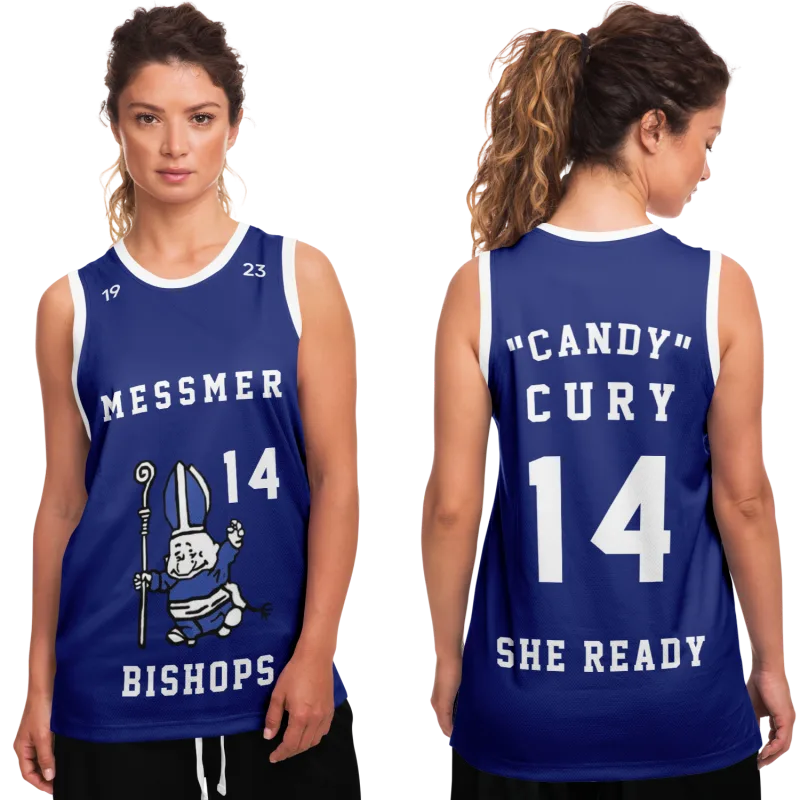
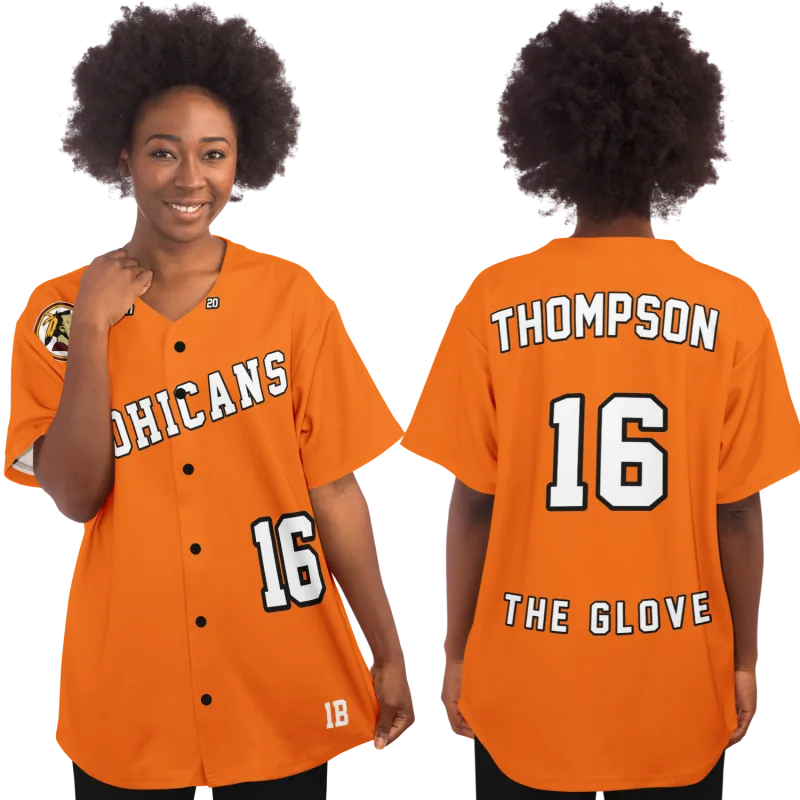
Your jersey is still out there waiting.
Design yours in minutes and see your name and number exactly the way you remember it.
Frequently Asked Questions
Is it normal to feel emotional when sharing high school sports memories?
Completely normal — and worth understanding. Those years were often the first time you performed under genuine pressure, built deep team bonds, or navigated real failure. The emotional weight attached to those memories reflects how formative the experiences were, not how dramatic you're being. Feeling something when you remember them means they mattered.
How do I know if I'm sharing a sports memory appropriately or going on too long?
A useful benchmark: if the person you're talking to is asking follow-up questions, you haven't gone too long. If their eyes are moving toward an exit, you have. More practically, a well-told sports memory has a natural ending — a punch line, a resolution, a specific image. Tell the story to that point and stop. Resist the urge to editorialize extensively after the story finishes. The story should speak for itself.
What if I worry my accomplishments weren't impressive enough to mention?
This is the wrong frame. Sports memories aren't worth sharing because they're impressive — they're worth sharing because they're yours and they're real. The JV season, the year you came off the bench, the team that went 7-14 but somehow became the best group of people you ever played with — those stories are as worth telling as the championship seasons. What makes a memory worth sharing is specificity and honesty, not the score.
How can I share past athletic achievements without it sounding like I'm stuck in the past?
The simplest way: connect the memory to something present. "I think about that season when I'm managing a project and the team is stressed — there's something about how our coach handled that situation that I still use." When you draw a line between then and now, you're not living in the past. You're showing how the past built the present. That's not nostalgia as escape. That's narrative continuity.
See also: why high school sports still matter to adults | athletic identity after high school ends | why your senior season memories feel so vivid