

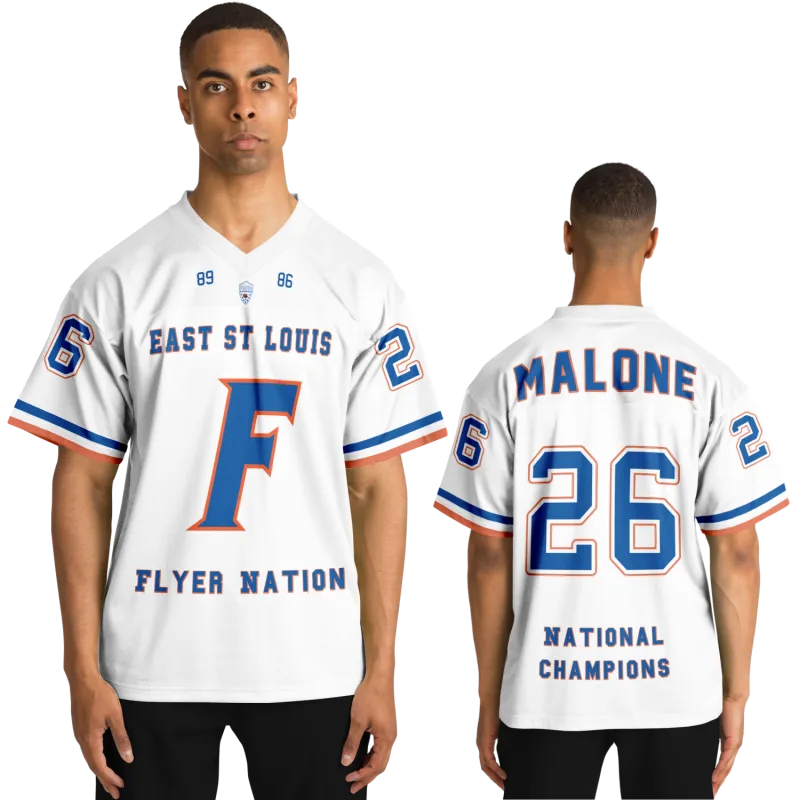

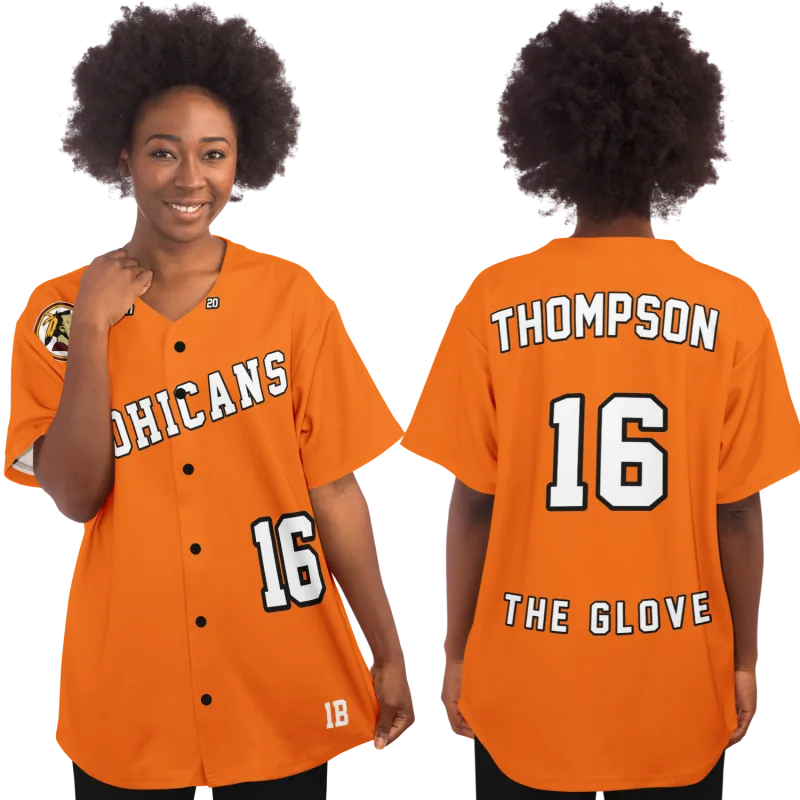
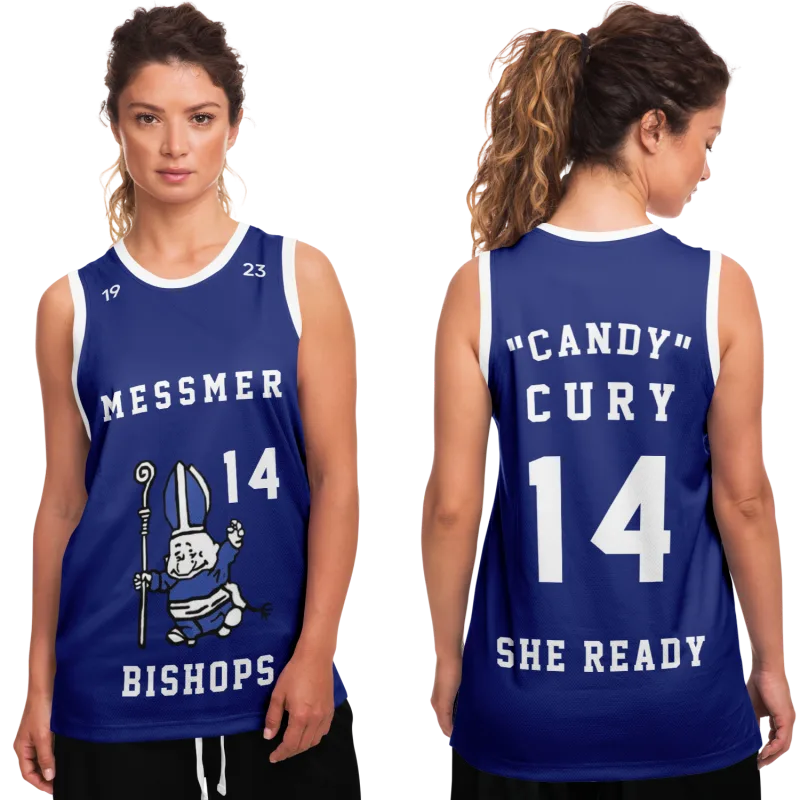
It's in a box somewhere. Or folded in a drawer. Or hanging in a closet behind the winter coats, still in the bag from the last time you moved. But your jersey belongs on the wall, not in a box in the attic.
You know which one we're talking about.
If you've been thinking about how to display a sports jersey at home — the one with your name on the back, your number, the colors you wore — the hesitation usually isn't about the jersey itself. It's about not wanting it to look wrong. Not wanting it to look like a college dorm room, or a sports bar, or like you're still trying to prove something to people who come over.
You're past that. You want to honor it. There's a difference.
This guide is for former athletes who want to get that difference right — the specific framing, mounting, and placement decisions that turn a jersey into a piece of your home rather than a piece of sports memorabilia that happened to end up on your wall.
The Problem With How Most Jerseys End Up Displayed
Every former athlete remembers the first time they saw their jersey displayed badly. Maybe it was someone else's. A teammate who stapled their high school jersey directly to the wall with thumbtacks through the shoulders. A relative who bought a plastic shadow box from a big-box store and crammed a jersey into it, wrinkled, number half-hidden, mounted crooked next to a kitchen.
The jersey looked smaller than it was. It looked like an afterthought.
What most basic jersey display approaches get wrong comes down to two things: they treat the jersey as decoration rather than as an object with weight, and they skip the framing decisions that tell guests — and tell you, every time you walk past it — that what's on that wall meant something.

The good news is that the gap between "dorm room" and "this belongs here" is not expensive or complicated. It's intentional. It's a handful of specific decisions made in the right order.
Framing: The Choice That Changes Everything
The frame is doing more work than you think. Not just visually — structurally, contextually, emotionally. When someone walks into a room and sees a framed jersey, their brain processes it differently than an unframed jersey. A frame signals: this was chosen. This was deliberate. This is not the same category as a poster.
Shadow Box vs. Acrylic Case vs. Standard Frame
These are the three display formats worth knowing, and each serves a different version of your story. Framing is one of the best ways to display a custom jersey without ruining it, and it works best paired with the right hanging and preservation choices.
Shadow boxes are the format most people default to, and for good reason — the depth of a shadow box accommodates a jersey's bulk without compressing it. A quality shadow box has a recessed interior of at least three to four inches, which lets the jersey breathe. The jersey isn't pressed flat against glass; it's suspended in space, which is part of what makes it feel three-dimensional and intentional. The mistake most people make with shadow boxes is choosing one that's too small. A full-size adult jersey requires a shadow box of at least 30 × 36 inches for the jersey alone. Go smaller and you're folding it, which immediately signals "afterthought."
Acrylic display cases — the kind used for game-worn memorabilia — have become more accessible and more aesthetically considered. A UV-protective acrylic case protects the jersey from fading while presenting it behind clear material on all sides. These work exceptionally well if you're displaying the jersey with context: a team photo, a program, a patch, a printed nameplate. The visibility from multiple angles rewards placement on a freestanding shelf or built-in niche rather than a flat wall.
Standard deep frames — sometimes called jersey frames — use a combination of foam backing and a lip deep enough to hold the jersey's fabric without contact with the glazing. This is the leanest, most architecturally clean option. When the frame's finish matches your room's existing hardware or furniture tones, the jersey integrates into the space rather than announcing itself as sports memorabilia in a non-sports room.
The Glazing Decision
If you choose a framed option, the glazing — the material over the front — matters more than most display guides acknowledge.
Standard glass is reflective, which means in most home lighting conditions, you'll see yourself and the room before you see the jersey. Museum-quality UV-filtering acrylic glazing eliminates reflection and blocks the ultraviolet light that causes fabric to yellow and printed numbers to fade. For a jersey that holds real meaning, the upgrade is worth it. The difference in daily experience — being able to see the jersey clearly from across the room, in any light — is immediate.
Mounting: Where, How High, and What It's Sitting Next To
The mounting decisions are where most home jersey displays either earn their place or quietly undermine themselves.
Height and Eye Line
The standard interior design principle applies here with one modification: artwork and display pieces are typically hung so their center sits at 57 to 60 inches from the floor — roughly average eye level. For a jersey, we'd adjust that slightly upward, to 60 to 64 inches to center, because a jersey's visual weight is carried in the chest and number rather than the geometric center of the frame. Hanging it at standard art height often makes the number feel low and slightly deflated.
Hang it a few inches higher than you think you should. Step back. The number should sit at eye level or just above — the way a number reads when it's across the field, not when it's folded on a shelf.
The Wall Behind It
This is the decision most people skip entirely, and it's the one that most dramatically separates a jersey display that reads as intentional from one that reads as incidental.
A jersey mounted on a white wall in a room full of white walls is competing with everything else on every other white wall. It doesn't win that competition.
Consider these two approaches before you mount:
- Accent wall color: A deep, neutral background — a charcoal, navy, forest green, or warm dark gray — behind the jersey creates contrast that pulls the jersey forward visually. This doesn't require repainting an entire room. A single wall treated with paint, board and batten, or even a large-format tile or paneling panel creates the backdrop that transforms a jersey from "thing on wall" to "focal point."
- Dedicated alcove or niche: If your home has a built-in shelving unit, a fireplace alcove, or a stairwell wall, these are naturally framed spaces that give the jersey a context that a flat open wall doesn't. The architecture becomes the frame before the frame even arrives.
What Should and Shouldn't Surround It
If you played, you know that context changes meaning. A number in a box score means one thing. The same number on a jersey you wore for four years means something else entirely.
The items you choose to display around your jersey tell the viewer — and remind you — which context they're in.
Items that work alongside a displayed jersey:
- A team photo from the season (framed consistently with the jersey frame)
- A single printed nameplate with position, team name, and years played
- One piece of hardware — a medal, a championship ring display, a game ball
- A printed program cover from a significant game, framed minimally
Items that tend to undercut the display:
- Unframed photos tacked around a framed jersey (the inconsistency reads as unsettled)
- Multiple jerseys from different sports or eras on the same wall without clear organizational logic
- Sports posters — especially commercial ones — mixed in with a personal jersey display
The personal display and the fan display are different genres. Mixing them on the same wall creates a room that reads as neither.
The Room Question: Where Does This Actually Belong?
Marcus T., 41, played college baseball and spent two years after graduation with his jersey in a box before deciding where it actually belonged in his house. He'd assumed it was a home office item — somewhere out of the way, for him alone. He was wrong. The jersey ended up in the main hallway, framed in a dark walnut shadow box on an accent wall painted in deep slate blue, and it became the first thing people commented on when they came over. Not because it was loud. Because it was clearly, specifically his.
The room decision is often framed as a question of where a jersey "fits." The more useful question is: where in your home do you want this part of your story to live?
Four Rooms That Work — and One That Rarely Does
Home office or study: The most common choice, and it works because the space is personal and often has wall real estate that isn't already committed. The risk is that a jersey in a home office stays private — only you and occasional guests see it. If the display is for you, that's right.
Primary hallway or entryway: Counterintuitive but often the best choice. A hallway jersey gets seen every day — by you, by your household, by everyone who enters. It becomes part of the home's identity rather than a personal artifact tucked away.
Family room or living room: Works when the display is integrated into the room's aesthetic rather than added to it. A jersey in a living room that's styled around it becomes a conversation piece. A jersey in a living room that already has competing focal points becomes clutter.
Finished basement or dedicated sports space: The right choice when you have multiple pieces to display and want them to tell a complete story together. A single jersey in a basement often reads as exiled rather than honored.
Kitchen or dining room: Rarely works. The context mismatch is significant, and the humidity and temperature fluctuations in kitchen spaces accelerate fabric and print degradation. This is the one we'd steer away from consistently.
Preparation: Before It Goes Behind Glass
The display decisions matter. So does the state of the jersey that goes inside the frame.
If you're working with a jersey from your playing days — especially one that was actually worn — the preparation steps before mounting are worth taking seriously.
Cleaning: A jersey going into a shadow box or frame is going to stay there for years. Any existing odor, stain, or soil becomes permanent once it's sealed. For athletic fabric, a cold-water hand wash with a gentle, color-safe detergent followed by air-drying flat is the appropriate approach — the full washing, drying, and storage rules for athletic fabrics will keep the fabric looking new before it goes behind glass. Never machine dry a jersey you're about to display — dryer heat sets wrinkles that don't fully come out.
Pressing: The jersey should be lightly steamed before mounting, not ironed — an iron's direct heat can damage tackle twill numbers and screen-printed graphics. A garment steamer held a few inches from the fabric removes fold creases while protecting the surface.
Positioning the jersey in the frame: This is where the final visual result is determined, and it's worth spending time on. The number should be fully visible and centered. The nameplate should be readable. The shoulders should sit naturally, not pulled or stretched. Many framing services offer jersey-specific mounting where the fabric is secured with stainless pins through the interior seams — invisible from the front, holding position permanently. If you're mounting yourself, archival foam board cut to shoulder width provides internal structure that keeps the jersey's shape without contact to the front surface.
Your jersey is still out there waiting.
Design yours in minutes and see your name and number just the way you remember it.
Frequently Asked Questions
What size shadow box do I need for a full-size adult jersey?
For a full-size adult jersey displayed flat and unfolded, plan for a shadow box interior of at least 30 × 36 inches. If you want matting around the jersey — which creates a finished, gallery-quality look — size up to a 36 × 42 frame with a 3-inch mat on each side. A shadow box that's too small will require folding or bunching the jersey, which undermines the entire display.
How do I keep my jersey from fading once it's displayed?
Two factors drive jersey fading: UV light exposure and direct sunlight. If your display location receives direct sun at any point during the day, UV-filtering glazing — either museum acrylic or UV-filtering glass — is essential. For indirect light conditions, UV-filtering glazing still extends the life of printed numbers and fabric color significantly over standard glass. Keep the jersey away from heating vents and humid environments, both of which degrade fabric and adhesive on tackle twill over time.
Can I display a jersey I'm still using, or does it need to be a retired one?
There's no rule that says a displayed jersey has to be retired. Some athletes order a custom jersey made to look like the one they wore — through a service like iPlayedFor — and keep it up as a permanent piece while their current game jersey stays in rotation. A display-quality jersey recreating their number and colors, framed intentionally, often looks cleaner than an actual game-worn jersey because it hasn't accumulated the wear that can make a worn jersey harder to press flat and mount cleanly. The story on the wall is still yours — the number, the name, the colors. The jersey being new doesn't diminish that.
Should the jersey be mounted with the front or back facing out?
Almost always the back — and here's the specific reason: the back of a jersey carries the two most identity-specific elements, the name and the number. A front-facing jersey shows the team logo or chest graphic, which is generic to every player on the roster. The back is the one that says you. If you're displaying a jersey specifically to honor your playing identity, the back is what belongs on the wall.
Is it worth hiring a professional framer versus doing it myself?
For a jersey you care about, a professional framer who works with memorabilia is worth the cost. The specific value is in the mounting: a framer with memorabilia experience will use archival-quality materials, UV-protective glazing, and stainless steel pins through interior seams — none of which will damage or yellow the fabric over decades. A DIY shadow box from a craft store uses acidic cardboard backing and standard glass, both of which degrade jersey fabric and color over time. The professional option typically runs $150 to $400 depending on frame size and materials. For something you're going to look at every day for the next twenty years, that math tends to work out.
See also: personalized sports gifts that actually make a former athlete feel seen | build a custom sports shadow box | what to do with your old varsity letter jacket | your jersey belongs on the wall, not in a box