

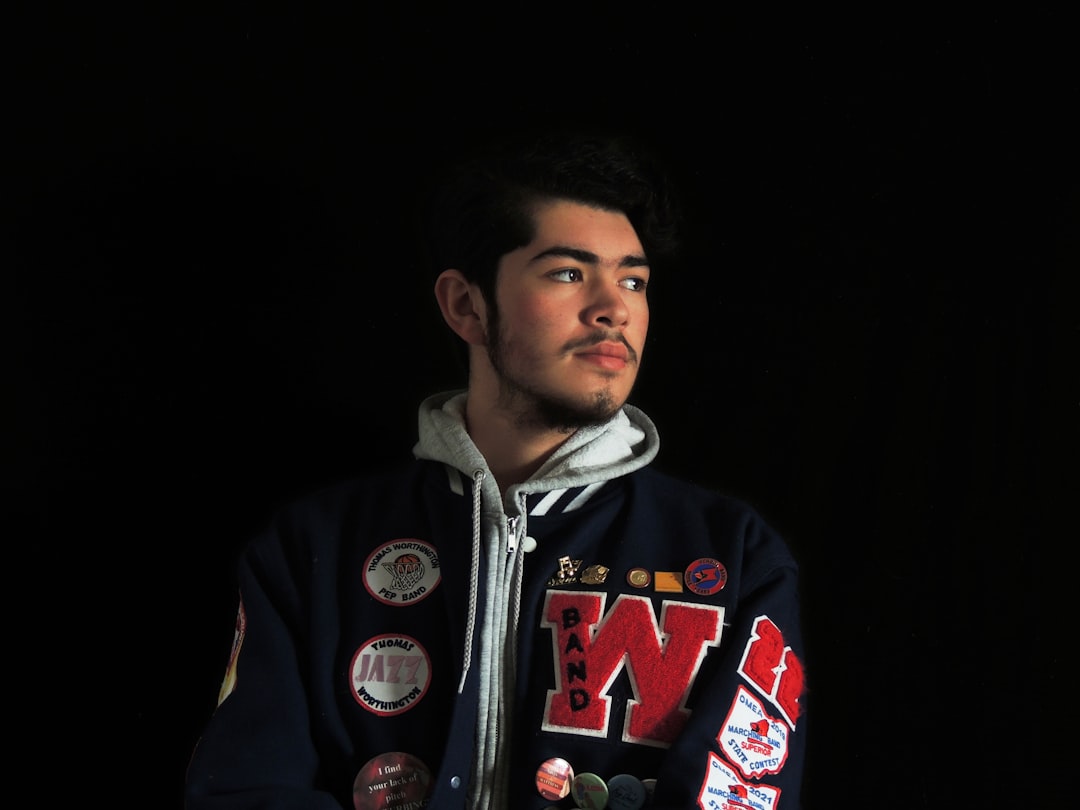




What to do with your old varsity letter jacket is a question most former athletes eventually face — usually while standing in front of a closet, holding something they've moved three times and never once considered throwing away.
That instinct to keep it is not nostalgia for its own sake. It's recognition. The jacket is physical evidence of a chapter that doesn't have much other documentation — and it deserves a better fate than slow deterioration in a storage bin. This guide covers every real option: display, proper long-term preservation, restoration, and passing it on with intention. By the end, you'll have one clear path forward and the specific knowledge to follow it without accidentally damaging a jacket that may already be decades old.
You Still Have It for a Reason
Let's settle this before anything else: keeping your letterman jacket is not weak sentimentality. It's accuracy.
That jacket documents something specific — a season, a roster, a version of yourself that operated at a level most people in your current life have no framework to fully appreciate. The chenille letter on the chest wasn't handed out. The pins on the sleeve weren't purchased. The name sewn into the collar was earned through a specific accumulation of practices, games, and moments that don't exist anywhere else in physical form.
Why athletes keep their letter jackets isn't complicated. Trophies become generic-looking over time. Plaques get hung and ignored. The jacket stays personal in a way those objects don't — because it went where you went, carried your number, and fit your body during the years when the real work was happening.
So the question you're actually asking isn't "should I keep this?" You answered that already, years ago, every time you moved it instead of discarding it. The question is what to do with it now — because leaving it folded in a plastic bin is neither honoring what it represents nor protecting it from the slow, invisible damage that will eventually make the decision for you.


What Time Is Actually Doing to Your Jacket
Most people don't know what's happening inside a stored varsity jacket — which is why jackets that could have been saved end up beyond repair. Understanding the specific vulnerabilities changes what you do next.
Traditional letterman jackets are built from two distinct materials: a melton wool body and leather or vinyl sleeves. Each has its own failure mode in storage.
Melton wool is a tightly compressed fabric that holds up well under normal wear but is vulnerable in sealed storage. When folded and contained, wool traps ambient humidity against itself. Over years, that moisture creates conditions for mildew and fiber breakdown even when no visible damage is present. The chenille letters — tufted yarn loops sewn onto a felt base — begin to loosen at the edges as the felt contracts and the adhesive backing loses bond strength. Color fades unevenly, with the raised chenille lightening faster than the flat wool beneath it.
Leather sleeves fail through oxidation. The natural oils in leather evaporate gradually, especially in climate-controlled environments with low ambient humidity. Cracking starts at the seams first — the flex points — then spreads to the flat panels. Once seam cracking begins, structural repair is significantly more involved than preventive conditioning would have been.
Vinyl sleeves, common on jackets from the 1980s and 1990s, crack through a different mechanism: the plasticizers that keep vinyl pliable migrate out of the material over time, leaving it brittle. Fold lines become permanent cracks. Warm storage environments accelerate this process considerably.
Most jackets stored for ten to twenty years are still in recoverable condition. The point isn't alarm — it's that doing nothing is a choice with consequences that compound quietly, and understanding those consequences makes the case for moving in one of the four directions below.
Option 1 — Display It in a Shadow Box
Displaying a varsity jacket in a shadow box converts it from a stored object into a permanent, visible record. For a step-by-step walkthrough of setting up a full memorabilia display beyond just the jacket, see our guide to building a custom sports shadow box for a former athlete. It also happens to be the best preservation environment for a jacket you're not planning to wear, because it removes the jacket from the fold-and-compress cycle entirely.
A proper letterman jacket display case is not a standard picture frame. The jacket requires four to six inches of depth to hang naturally without the back panel being pressed flat against a mounting surface. Most custom framing shops can build to this depth on request. Several companies specialize in athletic memorabilia cases with UV-protective acrylic fronts — and that UV protection matters more than most people expect.
Wool fades under prolonged light exposure. The color differential between the body and the chenille lettering becomes visible faster than you'd think on a sunlit wall. UV-filtering acrylic blocks the specific wavelengths responsible for dye breakdown. Over a decade or two of display, that difference is significant.
What works well inside the case alongside the jacket:
- A team or game photo from the season the letter was earned
- The original letter certificate, if you have it separately
- A program or ticket stub from a significant game
- Championship or achievement pins displayed alongside the jacket
- A brief handwritten card naming the year, the sport, and what the season meant
The result isn't decoration. It's a document. The jacket in context communicates its weight to anyone who sees it — including you, every time you walk past it.
One specific thing to ask your framer: whether they've mounted textile garments before. The jacket should be supported by an internal acid-free form or mounted against acid-free backing material — not pinned to standard foam board, which off-gasses compounds that transfer to wool over time.
Option 2 — Long-Term Storage Done Right
If display isn't the right move for you right now, proper varsity letter jacket preservation in storage is significantly better than what most jackets are currently experiencing. The difference between correct and incorrect storage is often the difference between a jacket that's fully recoverable in twenty years and one that isn't.
1. Clean it before it goes away. This is the step most people skip, and it matters more than any other single action. Stains that are faint or invisible when a jacket goes into storage become permanent set stains over years. Body oils in the collar and cuffs accelerate fiber breakdown. Before long-term storage, the jacket needs professional cleaning — not a standard dry cleaner, but one with specific experience in wool garments and leather or vinyl sleeves. Ask directly: "Do you clean leather-sleeved varsity jackets?" A cleaner who answers without follow-up questions is worth a second look.
2. Condition the sleeves before storage. For genuine leather sleeves, a lanolin-based conditioner applied lightly and buffed out restores oil content before the jacket goes away for years. For vinyl sleeves, a vinyl protectant product maintains flexibility at the fold points. This step takes ten minutes and can prevent damage that costs $150 to repair later.
3. Hang it — don't fold it. Fold lines in melton wool deepen and become permanent under years of compression. If closet space allows, the jacket should hang on a wide, padded hanger that supports the full shoulder seam without stretching it. Cover it with a breathable cotton garment bag — not plastic, which traps moisture against the fabric.
4. Cedar, not mothballs. Cedar blocks or cedar rings on the hanger repel moths without depositing chemical residue on the fabric. Mothballs work, but the active compounds penetrate fiber over time and are difficult to fully remove. You'll smell them on the jacket years later, and so will anyone else who handles it.
Marisa T., 34, kept her varsity swimming jacket from her state qualifier season folded in a storage tote for eleven years before pulling it out to find the leather shoulder trim cracking along the seam. A local leather restoration shop stabilized the damage before it spread further, and the jacket now lives in a deep display case above her desk at home. "I'd been treating it like it was going to take care of itself," she said. The restoration cost less than she expected. The display case cost more. She has no regrets about either.
Option 3 — Restoration
If your jacket has visible damage — cracking leather, fading chenille, lifting patches, or a persistent musty odor from years in sealed storage — restoration is a real and often affordable option. Most people assume damage means the jacket is past saving. Most of the time, that assumption is wrong.
Restoration falls into two categories.
Textile restoration addresses the wool body: cleaning set stains, re-blocking the shape if the jacket has lost structure, re-securing chenille letters that have lifted from the felt base, and replacing patches whose adhesive has failed. Most custom tailors with experience in athletic wear can handle chenille re-securing — the letter perimeter gets re-stitched with matching thread, which is more durable than adhesive alone and the correct long-term fix.
Leather and vinyl restoration addresses cracking, surface oxidation, color loss, and seam separation. For minor cracking, a leather repair compound fills and seals the damage before a matching dye restores color. For seam separation, re-stitching with the correct thread weight is the standard repair. The Leather Conservation Centre maintains guidance on finding qualified conservators for more significant leather work.
What to expect on cost: textile cleaning and chenille re-securing typically runs $60–$120 depending on scope. Leather crack repair on a single sleeve ranges from $80–$200 depending on severity and whether color matching is required. Get an estimate before concluding the jacket is beyond saving — the number is almost always lower than people expect.
One practical step before handing the jacket to anyone: photograph it thoroughly first. Document the existing damage, the placement of every patch and pin, and the current color of the chenille lettering. This protects you and gives the restorer a clear reference point for what the finished work should match.
Option 4 — Pass It On With the Story Attached
Some jackets have a second chapter that isn't about you keeping them.
If you have a child, a niece or nephew, or a younger family member who played the same sport at the same school, the jacket carries a specific meaning that no reproduction can replicate. It's not vintage clothing. It's a family athletic tradition made tangible — and passing it on deliberately is a different act than simply getting rid of it.
Passing a letter jacket to someone who will understand what it represents, and who can be told the story of the season behind it, extends your connection to that chapter rather than ending it. The jacket stays in the family. The story travels with it.
If the jacket is going to a family member, write down what it was for. The year. The sport. The season record if you remember it. The game that mattered most. Who was on the team with you. Even two paragraphs on a notecard tucked inside the jacket turns a keepsake into a story — and gives the person receiving it something to hold alongside the object itself.
If there's no family connection that fits, consider a local high school athletic department, a program alumni group, or a regional sports history archive before defaulting to a resale platform. A jacket that represents a specific program's history carries more meaning in that context than it does as inventory.
The One Thing Not to Do
Don't let the default keep making itself.
A jacket left in a plastic bin without cleaning or conditioning for another five years will be in measurably worse condition at the end of that period. The leather cracking will have progressed. The chenille will have loosened further. The set stains will be permanent. "I'll deal with it later" is, in practice, a slow decision to let the jacket deteriorate past the point where any of the options above remain available.
Pick one path. Display it properly. Store it correctly. Restore the damage before it compounds. Pass it on with the story attached. Each of those is the right answer for a different person in a different situation. The one that isn't right is the one that keeps making itself.
Option 5 — Repurpose the Jacket Into Something You'll Actually Use
If the jacket itself no longer fits — literally or figuratively — varsity jacket upcycle ideas offer a path between keeping it intact and letting it go. The key principle is to start with a photograph of the jacket intact before making any cuts. That single image preserves the full object as it was, so whatever comes next doesn't erase the original record.
Frame the chenille letter in a shadow box. A local framing shop can separate the letter from the jacket body and mount it in a small desk-sized shadow box, typically $30 to $50 for a basic frame with acid-free backing. The result is a focused, personal piece — the letter that mattered most, without the bulk of the full jacket. It fits on a shelf, a desk corner, or a wall alongside other achievements without dominating the space.
Repurpose the letter jacket into a throw pillow. A tailor familiar with heavy fabrics can transform the jacket's wool body into a decorative pillow, positioning the chenille letter panel on the front face. Expect $40 to $80 depending on the complexity of the work and whether zippers or removable covers are included. The pillow retains the jacket's visual identity — the letter, the school colors — while becoming something that lives on a couch or chair instead of in a bin. If the sleeves are leather or vinyl, ask the tailor to salvage the patches or pins from the sleeves and attach them to the back of the pillow, keeping the full history attached even in its new form.
Sew the chenille letters onto a tote, blanket, or keepsake. If the wool body is damaged beyond use or you want a more portable keepsake, the raised felt-backed letters can be carefully removed and stitched onto a canvas tote bag, a corner of a throw blanket, or the front of a simple fabric storage bin. This is the most accessible option — a local seamstress can handle letter transfer in under an hour for $20 to $50. It's also the most flexible: those same letters can be moved again later if you want them somewhere else.
None of these approaches destroy what the jacket meant. They compress it into a form that fits where you are now — which is its own kind of preservation.
Your jersey is still out there waiting.
Design yours in minutes and see your name and number the way you remember it.
Frequently Asked Questions
Can I wash my varsity letter jacket at home?
Not recommended — particularly for the wool body. Melton wool will shrink, distort, or lose its density in a standard machine wash cycle, even on a gentle setting. Spot cleaning with a damp cloth and mild detergent is acceptable for small, fresh stains on the wool panel. For a full clean, take it to a dry cleaner or textile specialist with specific experience in wool garments. If the jacket has leather or vinyl sleeves, confirm the cleaner handles those materials — not all do, and attempting leather without the right process can cause damage that exceeds the original stain.
How do I stop the chenille letters from coming off?
Chenille letters are secured with both stitching and an adhesive backing. When the backing fails, the stitching is usually still partially intact — the letter won't fall off immediately, but it will lift and eventually tear away from the felt base under any handling. The correct fix is re-stitching the letter perimeter with matching thread, which a tailor or seamstress can do in a single appointment. Fabric adhesive alone is a temporary solution that will fail again within a few years. Re-stitching is the durable repair.
Is it worth having an old varsity jacket professionally restored?
For most people, yes — if the jacket has personal significance and the damage is limited to leather cracking, chenille lifting, or set stains. The cost of professional restoration is almost always less than the cost of custom reproduction, and the original jacket carries history that a reproduction cannot replicate. Get assessments from both a leather repair shop and a textile tailor before deciding the jacket is beyond saving. Most jackets that have been in storage for a decade or more are in better condition than their owners assume when they first pull them out.
What's the best way to display a varsity letter jacket without damaging it?
A deep shadow box with UV-filtering acrylic front is the best long-term display option. The jacket should be supported internally by an acid-free form or mounted against acid-free backing — not pinned or stapled directly to foam board. Position the display case away from direct sunlight and away from high-humidity areas. A custom framer with experience in textile display is the right person to handle the mounting. Ask specifically whether they've framed garments before and confirm they're using acid-free materials throughout.
Should I remove the pins from the sleeve before storing or displaying the jacket?
For display, leave the pins in place — they're part of the complete record of what the jacket represents, and removing them creates visible holes in the wool. For long-term storage, there's a practical case for removing them: metal pin backs can leave rust marks on wool fabric over time if the storage environment has any humidity fluctuation. If you do remove them, keep them in a small cloth pouch inside the garment bag with the jacket so they stay associated with it and don't get separated over years.
See also: personalized sports gifts that actually make a former athlete feel seen | turn it into a custom sports shadow box | the psychology behind why high school sports still matter to adults | losing your athletic identity after high school