


There is a specific moment that nearly every former athlete knows.
You're watching a game (maybe from the stands, maybe on your couch) and a player makes a cut you recognize, or a team runs a formation you once ran yourself, and something in your chest does a thing that's hard to explain to someone who never played. What it is, closer than anything else, is recognition — not jealousy, and not grief. That's still me, it says. That thing on that field — that's still part of who I am.
Former athlete identity expression isn't a niche topic for sports psychologists; it's an everyday reality for millions of people who gave years of their lives to a game and came out the other side with something permanent — a way of moving through the world, a set of values forged in practice and competition, a number on a back that felt, at least for a while, like your actual name.
This article is for those people. If you played, at any level and in any era, here's how former athletes are keeping that identity visible, what it actually means to express it, and why it matters more than most people outside the athletic world ever understand.
The Identity You Built Didn't Disappear When the Season Ended
Athletic identity is one of the most thoroughly researched phenomena in sports psychology. What researchers consistently find is that the identity formed through years of competitive sport doesn't simply dissolve at the final whistle — it becomes a foundational layer of the self that persists long after the cleats come off. That transition, the identity shift that happens when you stop being a high school athlete, is rarely as clean as the word "retirement" implies.
A landmark framework from Brewer, Van Raalte, and Linder (1993), "Athletic identity: Hercules' muscles or Achilles heel?" (International Journal of Sport Psychology), describes athletic identity as a cognitive schema: a core belief structure around which people organize their sense of self, their social roles, and their behavior. The higher the investment in athletic identity during playing years, the more durable that schema tends to be.
Which is to say: if you played seriously, you probably still think like an athlete. You still show up early. You still run the scenario before it happens. You still feel the pull of competition in situations that have nothing to do with a scoreboard.
The question former athletes actually wrestle with is how to express that identity in a world that mostly stopped asking about it — not whether it survived.
The Gap Between Who You Were and How You're Seen
There's a specific social friction former athletes navigate that gets talked about too rarely.
The people you work with, live near, and meet at social events don't know you played. Or they know it abstractly ("oh, you played in college?") in the same way they might know you once lived in another city. It registers, and then it doesn't. It doesn't carry the weight it carries for you.
You know that you ran two-a-days in August heat. You know that your team made it to the regional final and lost by three in overtime and you still think about that game. You know that your jersey number was 14 and that wearing it felt like armor.
They don't know any of that. And there's no natural mechanism in ordinary adult social life to bridge that gap, which is why knowing how to talk about your athletic past without sounding like you're stuck in the past becomes one of the few reliable ways to close it.
This is the core of former athlete identity expression: the search for authentic, visible ways to carry that history into the present, not as nostalgia but as identity.
How Former Athletes Actually Express That They Played
Former athlete identity expression takes a range of forms, and they exist on a spectrum from the internal and invisible to the external and unmistakably public.
The Internal Expressions
Some of the deepest expressions of former athletic identity happen entirely inside the athlete's own behavior and mindset — invisible to observers but structuring to the person living them.
Competitive framing: Former athletes often report that they approach non-athletic challenges through athletic frameworks — breaking goals into seasons, treating setbacks as film sessions, measuring progress in splits and percentages. This is the actual cognitive structure that athletic training built, repurposed for the situations life provides. Not metaphor.
Community loyalty: The pull toward former teammates, former coaches, former opponents — the people who share the specific context of your playing career — is a form of identity expression that persists for decades. The group chat that goes wild during bowl season. The annual alumni scrimmage that half the neighborhood attends. The teammates whose weddings you drove six hours to attend because something in the bond from that team felt more permanent than most adult friendships.
The physical language: Athletes carry themselves differently — not better, just differently. A softball player's pivot. A swimmer's relationship with stillness. A lacrosse player's way of scanning space. These physical habits were trained for years and they don't fully leave. They are the body's expression of an identity the mind never released.
The External Expressions
Then there are the visible, wearable, displayable expressions — the ones that communicate athletic history to the world without requiring a conversation.
The photos: Every former athlete has them. The team photo from the championship year. The action shot a parent captured from the sideline that somehow caught exactly the right moment. These don't stay in boxes — they go on walls, on desks, on phone screensavers. They are visible statements of a lived reality.
The gear: Worn training gear from playing years takes on a different quality than regular clothing. A former college player wearing a practice shirt from their program isn't just comfortable; they're wearing evidence of something real. Coaches' gifts. Team-issued gear. The hoodie from the conference tournament. These items circulate through daily life as low-frequency identity signals. That impulse isn't about fashion — why former athletes wear gear that says they played is rooted in identity, and the psychology behind it runs deep.
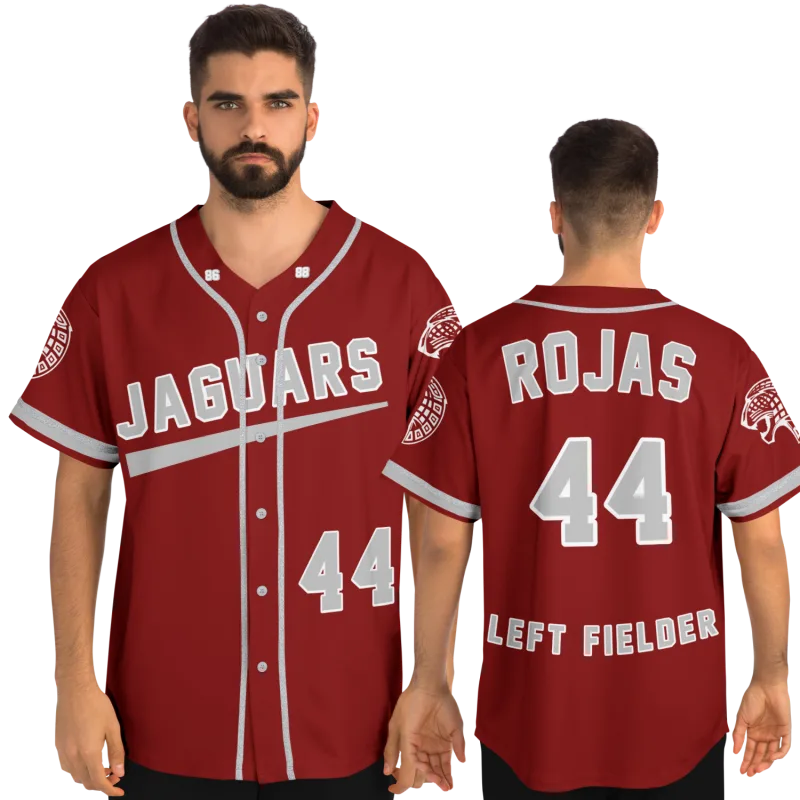
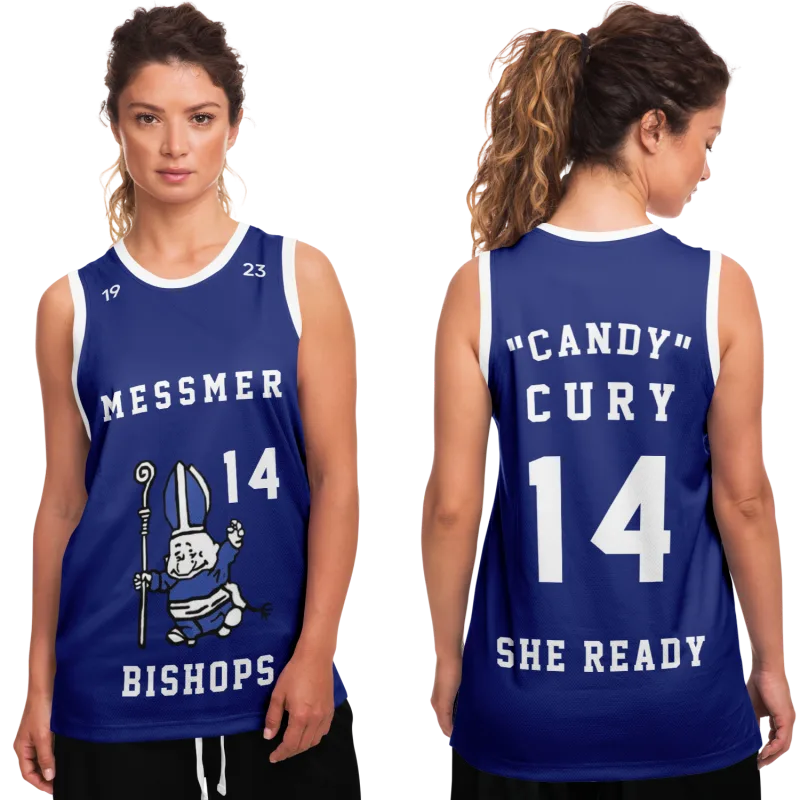
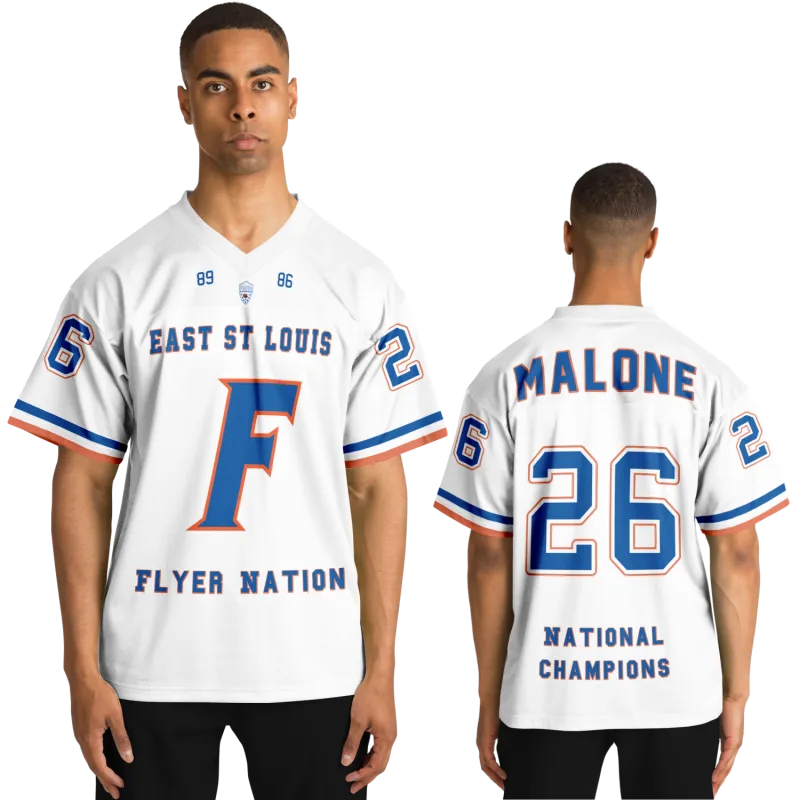
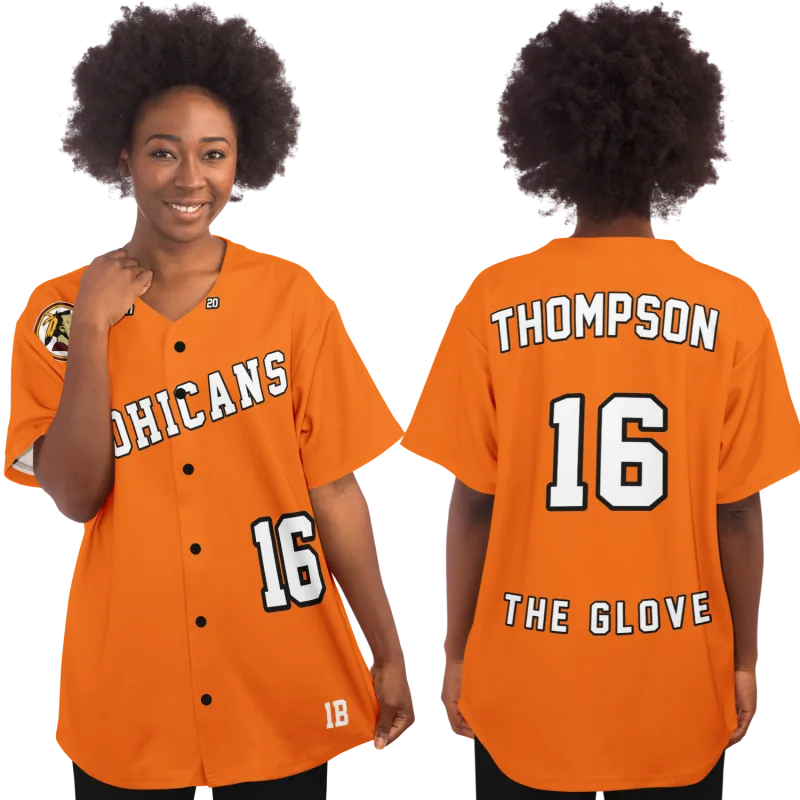
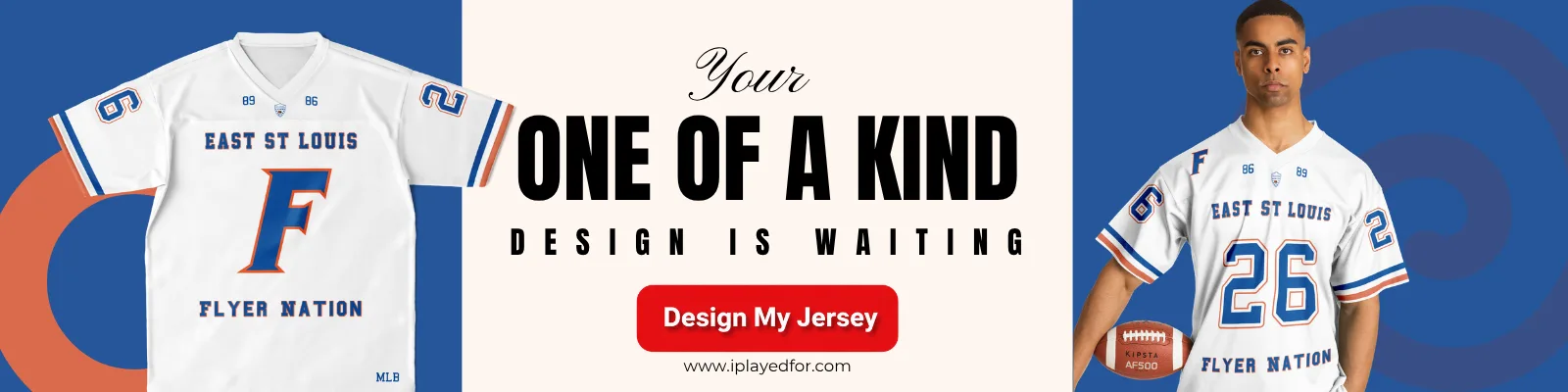
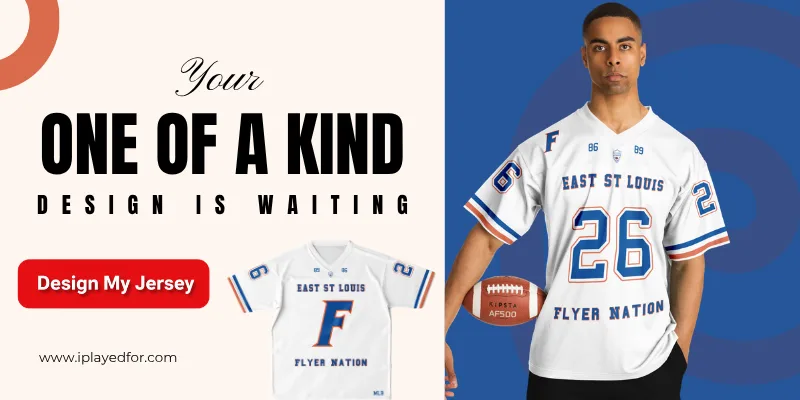
The jersey: At the apex of visible former-athlete identity expression sits the jersey. Not the team-store fan jersey. Not the souvenir. The re-creation of the actual jersey, your name, your number, your team, says with complete specificity: I played. This was me.
Homecoming and the Reunion as Identity Ritual
There is no context in former-athlete life where identity expression becomes more concentrated than a homecoming weekend or athletic reunion.
Homecoming is a specific social ritual that does something unusual: it creates a space where athletic identity is not only visible but expected, celebrated, and shared. The gap that former athletes feel in ordinary social life — the invisibility of their playing history — closes for a weekend.
Marcus T., 44, played defensive end at a Division II program in the Midwest and hadn't been back for his school's homecoming in eleven years. When he finally returned for his team's 20-year reunion, he wore a custom jersey bearing his name and number from his senior season. "I walked into that alumni tailgate and three guys from my defensive line immediately recognized the number," he said. "We hadn't talked in almost a decade. That number opened the door."
The jersey is a reunion shorthand that no other garment provides. It carries the year, the position, the number, and the name — the complete athletic identity — in a form that teammates and opponents recognize immediately without explanation. It does the same work at a homecoming game, where a number on your back can pull you straight back into a sideline you haven't stood on in years.
The Specific Social Function of the Custom Jersey at a Reunion
At a homecoming or alumni event, your custom jersey performs several distinct social functions simultaneously:
- It identifies you to people who knew you by number more readily than by face
- It signals which era of the program you belong to, which quickly establishes shared context with teammates and near-contemporaries
- It anchors your current self to your playing self in a way that photographs and conversation cannot fully achieve
- It gives you something to point to — literally — when someone asks "did you play?"
In my experience as a former player, the custom jersey is the single most efficient expression of playing history available to former athletes. It requires no explanation, no context-setting, and no conversational heavy lifting. It speaks for itself.
The Difference Between Nostalgia and Identity
A word that comes up often in conversations about former athlete expression is nostalgia, and it's worth separating that from what's actually happening for most former athletes.
Nostalgia is a longing for the past, a wish to return to something that no longer exists. It's oriented backward. It has a kind of sweet melancholy to it.
What former athletes most often describe is something different. There's no wish to go back in it. It's a recognition that those years are permanently part of who they are. What they formed didn't close like a chapter; it layered into the self and still operates in the present. The way you frame that story shifts from past tense to present tense, and that shift is the whole difference.
When a 52-year-old former soccer player wears her number to her daughter's high school tournament, she's not wishing she were 19 again. She's expressing a continuous identity — I played this game, and playing this game is part of who I am, and that's still true today.
That distinction matters. Nostalgia stays passive and private. Identity expression, by contrast, is active and social. Former athletes seeking to express their athletic identity aren't retreating into the past. They're bringing the past forward into a present where it belongs.
When Identity Expression Stays Healthy — and When It Doesn't
There's a question that sits underneath a lot of this: am I still an athlete if I'm not competing anymore? The honest answer is yes. The identity doesn't evaporate the day you stop playing, and it shouldn't have to. It's an earned, legitimate part of who you are — not a problem in itself. Researchers frame retirement from sport as a major life transition in which athletes redefine their identities, not a clean break where the old self simply ends.
What matters is how you carry it. Expression stays healthy when it's active and present-facing — the jersey at the tailgate, the teammates you still talk to, the stories you still tell, staying close to the game in whatever way fits your life now. That version points forward. It says this is part of who I am, and I'm still building the rest of my life.
It tips toward being stuck when the identity becomes exclusive — when nothing else in life is allowed to matter as much. That's not a lecture; it's what the research keeps finding. A 2023 study by Roberts and colleagues in the Journal of Sport Rehabilitation followed athletes through retirement and found that a strong athletic identity was linked to more mental health symptoms after the transition — but not during the playing years. The risk doesn't live in being an athlete. It lives in the moment of having to be something else and finding there's nothing else there.
That's exactly why expression matters so much. A jersey is an active, present-tense act rather than a retreat. You're not climbing back into the past when you wear your number; you're carrying it forward into a life that keeps growing around it. That's the healthy form — and it's what this whole thing is about.
Carrying the Number: Why the Specific Details Matter
One of the consistent patterns in former athlete identity expression is the specificity that matters to the athlete themselves — details that would be invisible to an outsider but are irreducibly important to the person who played.
The number isn't interchangeable. Number 23 is not number 32. For some athletes, a number was assigned. For others, it was chosen deliberately — worn in tribute to a family member, inherited from a mentor, selected as an expression of something personal. Either way, it became attached to the athlete's identity through thousands of repetitions: jersey checks, roster calls, film review, the way opponents learned to find you on the field.
The name on the back carries its own weight. For athletes who wore a program uniform — where the name is the family name, the name you grew up with, the name that connects athletic identity to broader personal history — seeing it on a jersey is a recognition, not a casual experience.
This is why generic sports gear doesn't serve the former athlete's actual need. A fan jersey bearing a famous professional player's name and number, however high-quality, expresses nothing about the person wearing it. It expresses admiration, fandom, affiliation. All legitimate. None of it is identity. The identity expression that former athletes are seeking requires the specific name, the specific number, the specific colors.
The custom jersey built to re-create what the athlete actually wore is the only version of the garment that does that work.
Building a Practice of Athletic Identity Expression
For former athletes who want to be more intentional about keeping their athletic identity visible (not just at reunions but in daily life), a few approaches tend to work consistently.
Connect with the playing community. Alumni associations, sport-specific networks, recreational leagues in your sport: these are the contexts where athletic identity doesn't require explanation. They also tend to reconnect former athletes with the competitive framing and community loyalty that made sport meaningful in the first place. Coaching is another pathway, and one of the most common — signing up for your own kid's team, or any youth or rec team that needs a hand. It puts you back inside the game, close enough to smell the grass, without asking you to be nineteen again.
Create physical representations. The photos, the gear, the jersey: these aren't mere decoration. Former athletes who create visible representations of their playing history in their physical space (home, office, gym bag) report a more consistent sense of continuity between their athletic past and present identity. The representation makes the identity real in the present tense.
Tell the stories. This sounds simple and is often underestimated. The specific stories (the game that went to overtime, the practice that broke you and remade you, the teammate you'd trust with anything) carry the identity forward in the most human way available. They communicate to the people in your life who didn't see you play what that chapter actually was.
Wear the number. Not every day, and not performatively, but at the moments when it fits. The homecoming tailgate. The alumni day. The pickup game at the field where you grew up. The moments when expressing athletic identity is not just appropriate but natural. Wear the specific number that was yours. Let people ask about it.
Your jersey is still out there waiting.
Design yours in minutes and see your name and number exactly the way you remember it.
Frequently Asked Questions
What is former athlete identity expression and why does it matter?
Former athlete identity expression refers to the ways in which people who played competitive sport at any level maintain and communicate their athletic identity after their playing career ends. It matters because athletic identity (the self-concept formed through years of sport participation) doesn't disappear at the final game. Research consistently shows it remains a core component of the self. When former athletes can't express that identity in their current context, they often experience a quiet sense of invisibility that affects their sense of continuity and belonging. Expression — whether through behavior, community, or physical representation — allows that identity to remain active and visible.
Does former athlete identity expression apply to people who played at lower levels, not just college or professional athletes?
Absolutely, and this is an important distinction. The durability of athletic identity correlates with investment and meaning, not necessarily with the level of competition. A high school player who gave four years to a program and formed deep connections through that experience carries as real an athletic identity as a Division I competitor. The level of play changes the shared cultural references, but it doesn't change the authenticity of the identity formed. Former athletes at every level — youth, high school, recreational competitive leagues, college — find meaning in expressing that history.
Is wearing a jersey to a homecoming or reunion considered appropriate, or does it come across as living in the past?
Homecoming and athletic reunions are precisely the contexts where wearing a jersey that represents your playing career is not only appropriate but expected. These events exist specifically to celebrate the shared identity of former athletes: the jersey is one of the clearest ways to participate in that celebration. Outside of that context, the answer depends on the individual and the moment: many former athletes wear their number at their children's games, at recreational leagues, or at events tied to their sport community, and it reads as authentic identity expression rather than nostalgia. The distinction is intention: wearing a jersey because it represents who you are reads differently than wearing it as a costume.
What should a custom jersey include to accurately represent my playing career?
A custom jersey built to express your athletic identity should include at minimum your actual last name as it appeared on your playing jersey, your actual number, and the colors of the program or team you played for. If you played for a team where the jersey didn't include a name (common in some programs and sports), the number alone carries the identity. The goal is specificity: the details that distinguish your jersey from any other player's jersey on that team, in that era. That specificity is what makes the garment an identity expression rather than a generic sports item.
How do former athletes reconnect with their athletic identity if years have passed since they played?
Reconnection typically happens through one or more of four pathways: returning to the physical practice of the sport (recreational leagues, coaching, pickup games), reconnecting with the community of people who shared the playing experience (teammates, coaches, alumni networks), engaging with the sport as a spectator in a way that triggers the recognition discussed earlier, or creating a physical representation of the playing career: a framed jersey, a photo display, a custom re-creation. Of these, the community pathway tends to be most powerful for identity reconnection, because athletic identity was fundamentally social. It was formed in the context of a team, and it tends to come alive most fully in that context again.
See also: how athletic identity can unravel after high school ends | personalized sports gifts that actually make a former athlete feel seen | the difference between watching the game and having actually played it | what to do with your old varsity letter jacket