
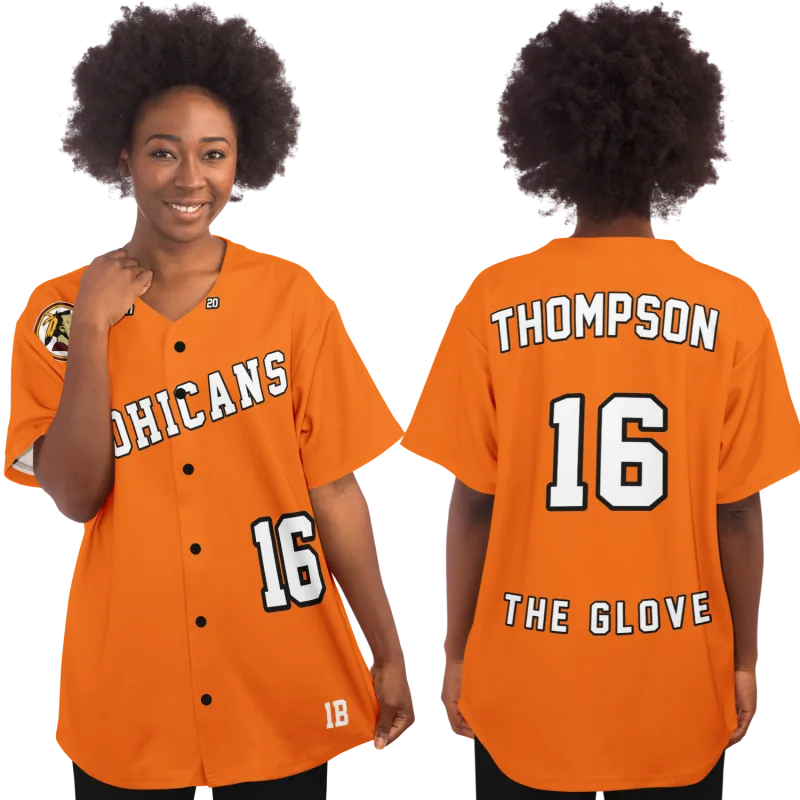
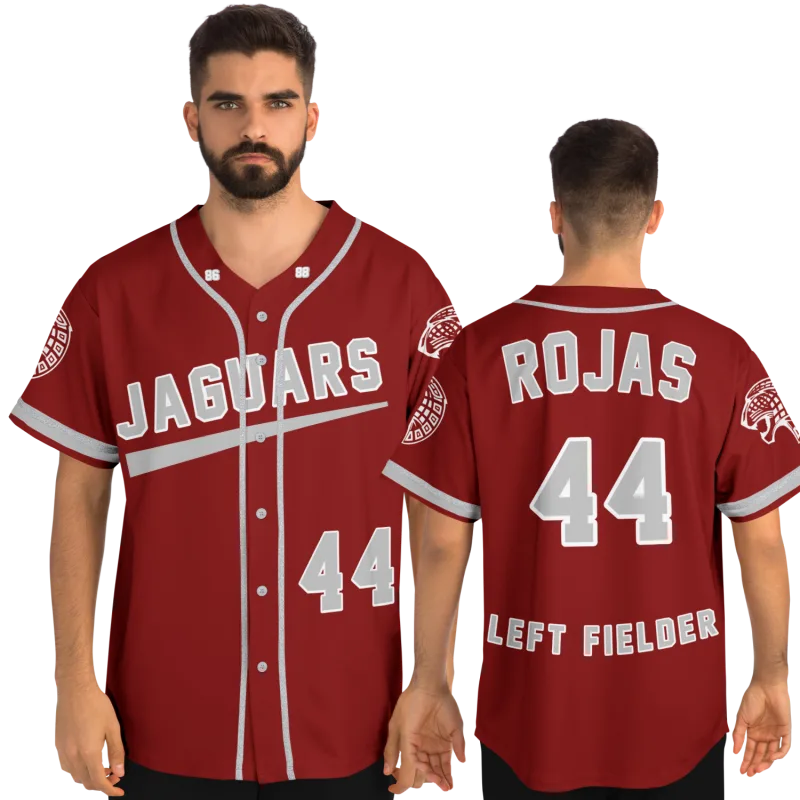
You still have the jersey. Maybe it's folded in a bin in the garage, or hanging off a hook in the closet behind the winter coats. You've kept it because getting rid of it never felt right — but you also haven't done anything with it, because doing something right takes planning.
That's what this guide is for. Learning how to make a sports shadow box is one of those projects that sounds complicated until someone breaks it down into steps you can actually follow. By the time you finish reading, you'll know exactly what materials to gather, how to plan your layout before you touch a single piece of memorabilia, how to mount everything so it stays put, and how to add lighting that turns a DIY display into something that genuinely stops people in the room.
This isn't about crafting. It's about honoring something real.
The Problem With Most Shadow Box Attempts
Most former athletes who try this project start in the wrong order. They pull out the memorabilia first — the jersey, the game ball, the program, the medals — spread it across the kitchen table, and then go looking for a frame that fits what's already in front of them. The result is a cramped display where the jersey is folded too small, the frame is a half-inch too narrow, and the whole thing gets abandoned before anything gets mounted.
The second most common mistake: buying a generic shadow box from a craft store without accounting for depth. Standard shadow boxes run about 1.5 to 2 inches deep. A folded jersey, a baseball, and a pair of cleats all stacked in the same frame? You need at least 3 to 4 inches of depth, or pieces will press against the glass and look crowded.
The approach that works starts with the frame size and works backward from there. Decide the display's dimensions first. Then plan what fits. Then gather what you're actually going to use.
What You'll Need: Supplies Checklist
Before you start, gather everything. Half-finished shadow boxes happen when you're three steps in and realize you're missing a key supply.
Frame and backing: - Deep shadow box frame (3–4 inch depth minimum for multi-item displays; 2 inch depth works for jersey-only) - Foam board or acid-free mat board cut to backing dimensions - Acid-free adhesive or conservation-quality mounting squares
Mounting hardware and tools: - T-pins or stainless steel corsage pins (for fabric mounting — these don't rust or leave stains) - Fishing line or thin monofilament (for suspended 3D items like balls or helmets) - Picture-hanging hardware rated for the frame's weight - A level - Measuring tape - Pencil or chalk marker
Display materials: - The items you're featuring (jersey, photos, programs, medals, patches, ticket stubs — more on selection below) - Acid-free tissue paper for wrapping any items that touch the backing - Optional: nameplate or engraved label for the bottom of the display
Lighting (optional but high-impact): - Battery-powered LED strip lights (warm white, 3000K color temperature) - Command adhesive strips rated for the frame's interior surface
One note on the frame itself: solid wood frames hold up significantly better than MDF composite frames when you're adding weight from multiple items. If you're displaying a helmet or a bat alongside a jersey, the frame's structural integrity matters. Our team recommends checking the weight rating on any frame before committing — most manufacturers list this on the packaging or product page.
Step 1: Curate Before You Commit
The most meaningful shadow boxes are edited, not exhaustive. The temptation is to include everything — every photo, every program, every piece of equipment. The displays that actually move people are the ones that tell one clear story.
Before you touch the frame or the backing board, spend time with your collection and ask one question about each item: does this make the display better, or does it just fill space?
A practical selection framework:
-
The anchor item — this is the centerpiece, usually the jersey or the most significant piece of equipment. Everything else orbits it. Pick one.
-
The context items — two or three things that date and locate the anchor: a team photo, a program cover, a season patch, a newspaper clipping. These give the anchor its story.
-
The personal detail — one item that means something specific to you that wouldn't mean anything to a stranger: the handwritten note from a coach, the wristband from a championship game, the ticket stub from the first time you played in that stadium.
That's it. Three categories, one item each at minimum. You can expand within categories, but if you find yourself arguing to include a seventh item "just because," edit it out. The restraint is what makes the display land.
Step 2: Plan Your Layout on Paper First
This step saves more frustration than any other. Do not skip it.
Cut a piece of paper to the interior dimensions of your shadow box. Lay it flat. Trace or cut out paper stand-ins for each item you plan to include — a rectangle for the folded jersey, smaller rectangles for photos and programs, circles or ovals for medals or coins. Move them around on the paper until the arrangement feels right.
Layout principles that work:
- Place the largest item slightly off-center rather than dead center. Dead center reads as formal and static. Slightly off-center creates visual tension that draws the eye.
- Leave breathing room. Items crammed to every edge look anxious. Aim for at least half an inch of visible backing between items and the frame's inner edge.
- Put the items with the most visual detail — photos, programs with text — where the eye naturally travels first: upper left or center.
- Items with dimensional depth (a medal, a coin, a patch) can layer in front of flat items. Use this to create foreground and background rather than placing everything at the same plane.
Once the paper layout works, photograph it with your phone. You'll reference this photo when you're mounting.
Step 3: Prepare the Backing and Mount Your Anchor Item
Cut your foam board or mat board to fit the interior of the shadow box. If the frame came with a backing, you can often use it directly — check that it's acid-free before mounting anything you care about preserving. Lignin-based backings off-gas over time and will yellow paper items and damage fabric.
Mounting the jersey:
This is where most people spend the most time, and it's worth getting right.
Fold the jersey so the number, name, or most significant graphic is fully visible from the front. Standard approach: fold in the sides so the jersey is roughly the width of a sheet of paper, then fold up from the bottom to create a clean rectangle. Secure the fold with T-pins pushed through the fold and into the backing — not through the visible face of the jersey.
If you want the jersey to look more dimensional (the way it would look on a body rather than folded flat), place a thin layer of acid-free tissue paper inside the fold before closing it. This gives the jersey slight loft without creating bulk that presses against the glass.
Pin the jersey to the backing through the backing material rather than through the jersey fabric wherever possible. Where you must pin through fabric, use stainless steel T-pins only — standard straight pins will rust and stain.
Step 4: Place and Secure Supporting Items
With the jersey mounted, work outward from your paper layout photo.
For flat items (photos, programs, ticket stubs): Use acid-free photo corners or conservation mounting squares. These allow removal later without damage — important if you ever want to update the display or pass items along. Press firmly and allow the adhesive to set before moving to the next item.
For dimensional items (medals, pins, patches, coins): Medals with ribbons can be arranged with the ribbon flat against the backing and the medal itself slightly overlapping the jersey or another item — this creates depth. Secure with mounting squares on the ribbon and a T-pin through the ribbon into the backing.
Coins and patches mount well with conservation-grade adhesive directly to the backing, or with small clear acrylic mounts if you want them to stand off the surface slightly.
For 3D objects (game balls, small equipment): This is where the depth of your frame matters most. A baseball, hockey puck, or golf ball can be suspended from the top of the frame interior using thin monofilament tied to a small eye hook screwed into the frame's inner top edge. Thread the line through the item or around it depending on shape, adjust the length so the item sits at the right depth, and tie off. The fishing line becomes nearly invisible against most backgrounds and the item appears to float.
The Display That Made the Trip Worth It
Marcus T., 41, played four years of college basketball and kept his away jersey from the season his team won their conference title. He'd had it in a plastic storage bin for nearly fifteen years. When he finally built his shadow box — using a 24×36 frame, a navy mat board, and warm LED strip lighting along the top interior edge — he said the thing that surprised him most was how much his teenage son wanted to know about the stories behind each item.
"He'd seen the jersey a hundred times and never cared. The minute it was on the wall with the program and the team photo, he started asking questions I hadn't thought about in years."
That's the function a shadow box actually serves. It doesn't just display — it invites.
Step 5: Add Lighting and Close the Frame
Lighting is the difference between a shadow box that looks like a school project and one that looks intentional.
Battery-powered LED strip lights installed along the interior top edge of the frame — before you close it — cast even, warm light across the entire display without creating hot spots. Warm white (around 3000K) flatters fabric and paper better than cool white, which can make colors look washed out.
Installation: 1. Cut the LED strip to length along a designated cut point (marked on most strips every few inches). 2. Peel the adhesive backing and press firmly along the interior top edge of the frame, facing downward toward the display. 3. Test the lights before closing the frame. Battery packs typically tuck into the top corner of the frame interior behind the backing material. 4. Route the on/off switch so it's accessible from the frame's edge — most battery packs have a small toggle that can be reached without opening the frame.
With lighting in place, carefully lower the backing with your mounted items into the frame. Secure the backing clips or turn the metal tabs to hold everything in position. Attach picture-hanging hardware rated for the total weight — measure twice, especially if you're mounting into drywall without a stud. A 24×36 shadow box with multiple items can weigh 15 to 20 pounds fully assembled.
Troubleshooting: When Something Isn't Working
The jersey is sliding or sagging: Add more T-pins, particularly along the bottom fold. For heavier fabrics (thick cotton, mesh with heavy embroidery), use wider-head pins or small binder clips pinned through the backing to hold the fold in place.
Items look too flat and the display feels boring: Add depth variation. Move one or two items forward so they overlap others. Use small foam adhesive squares to lift photos slightly off the backing — even 2mm of elevation creates shadow and dimension.
The lighting creates glare on the glass: Shift the LED strip position back slightly from the glass edge, or switch to a matte-finish glass or acrylic front panel. Anti-glare acrylic is available as a replacement from most framing supply retailers and makes a significant difference in rooms with overhead lighting.
The frame feels too heavy for the wall anchor used: Always use wall anchors rated for at least twice the frame's actual weight. For anything over 10 pounds, a toggle bolt into drywall or a direct-stud mount is the right call.
Your jersey is still out there waiting.
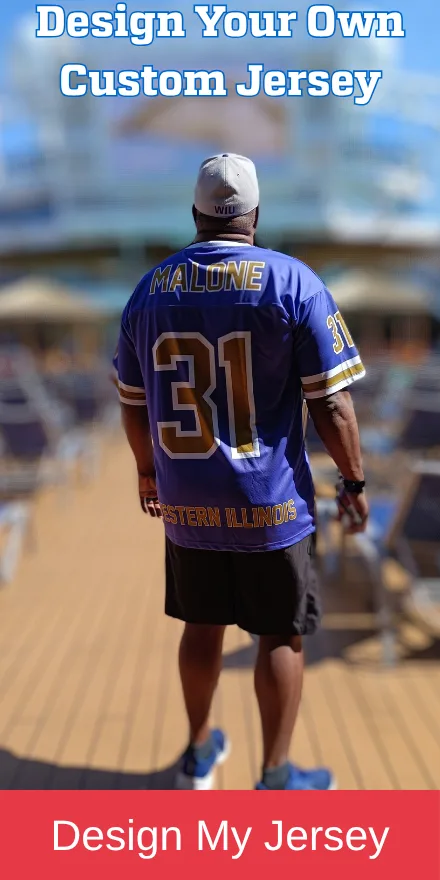
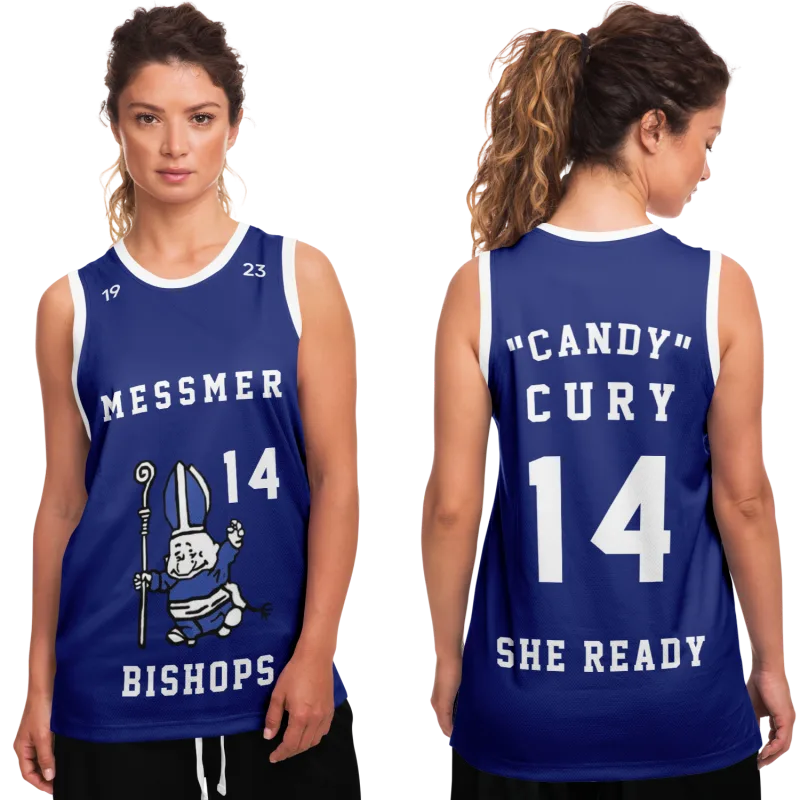
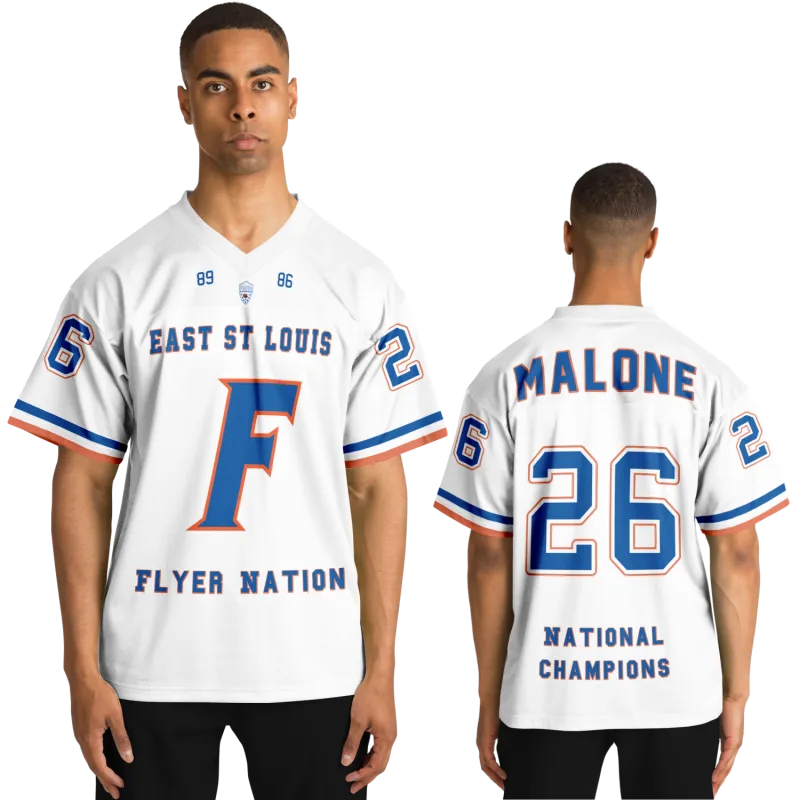
The shadow box gives your memorabilia the wall space it deserves. But if the jersey you're working with is worn, faded, or just not the version you'd want displayed — the one from your best season, with the right number, the right colors — that's a story we can help finish.
Design yours in minutes and see your name and number exactly the way you remember it.
Frequently Asked Questions
How deep does a shadow box need to be for a jersey?
For a folded jersey displayed alone, a 2-inch depth is workable. If you're adding dimensional items alongside the jersey — medals, a game ball, equipment — plan for at least 3 to 4 inches of interior depth. Crowding items against the glass because the frame is too shallow is the most common reason shadow box displays look unfinished.
What's the best way to preserve a jersey long-term inside a shadow box?
Use acid-free backing material and acid-free mounting hardware throughout. Keep the display away from direct sunlight — UV exposure fades fabric and paper faster than almost any other factor. If long-term preservation is a priority, ask a local framer about UV-filtering glass or acrylic as a front panel. It runs slightly more than standard glass but meaningfully slows color degradation over years of display.
Can I build a sports shadow box without woodworking skills?
Yes. The project requires no cutting, drilling, or joinery beyond installing picture-hanging hardware. Pre-made deep shadow box frames are available at craft retailers and online in a wide range of sizes. The skills involved are measuring, layout planning, and careful mounting — all of which this guide covers. Most people complete their first shadow box in an afternoon.
How do I choose the right frame size?
Start with your anchor item — typically the jersey — and measure its folded dimensions. Add at minimum 4 inches to both height and width to give the jersey breathing room and space for supporting items around it. A folded adult jersey typically runs about 14×18 inches; a 20×24 or 24×30 frame gives you comfortable working space for additional memorabilia without crowding.
Is battery-powered LED lighting safe inside a closed frame?
Battery-powered LED strips generate very little heat — far less than incandescent or halogen alternatives — and are safe for use inside enclosed frames when installed correctly. Use strips rated for enclosed spaces and check batteries periodically. LED technology has made interior shadow box lighting practical for home use without fire risk concerns that would apply to older lighting types.
See also: sports shadow box ideas for former athletes | personalized sports gifts vs generic ones | finding your old high school game film and highlight footage | what to do with your old varsity letter jacket