

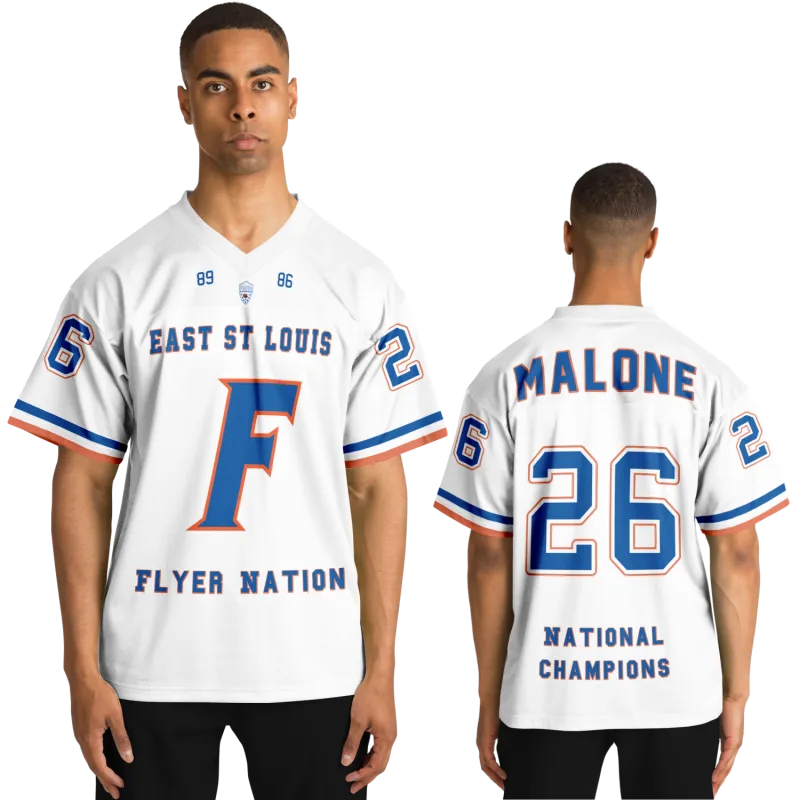
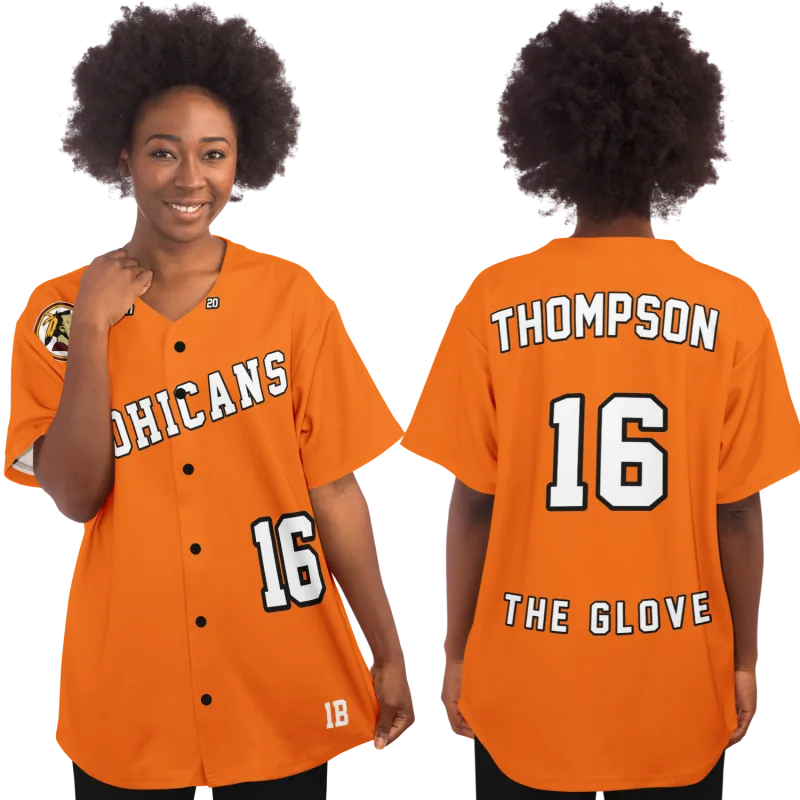
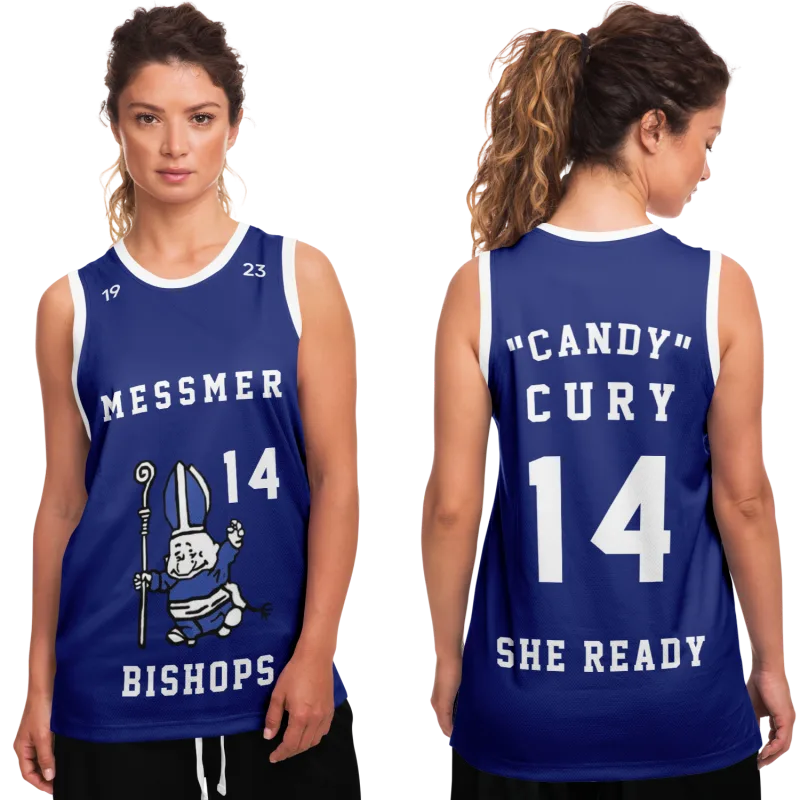
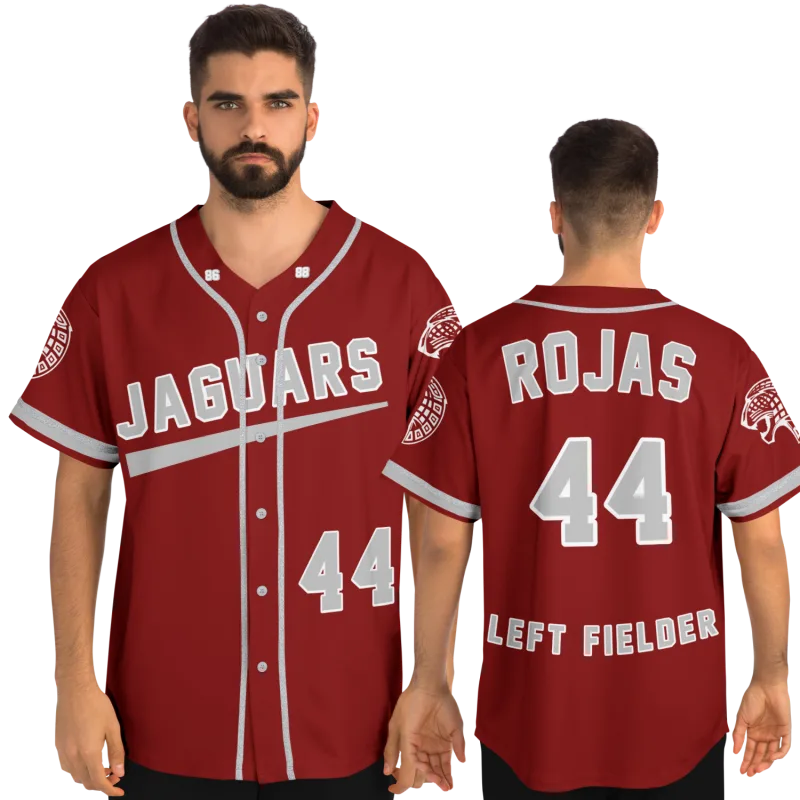
You still remember exactly how that jersey felt when it arrived.
The weight of it in your hands. Your name across the back in letters that actually looked right. Your number — your number — printed clean and solid like it belonged there, because it did. You earned that number. And now it's stitched or pressed into fabric that you want to keep looking exactly like this, not like something that survived a year of wrong wash cycles.
If you've searched for how to wash a custom jersey, you already know that standard laundry instincts can wreck a custom piece fast. The cracking, the peeling, the fade that turns a bold color into something that looks borrowed from a thrift bin — that doesn't happen to jerseys that were poorly made. It happens to jerseys that were washed wrong. The good news is that the entire process is genuinely simple once you know the rules.
This guide covers everything: the right washing method, what to avoid in the dryer, and how to store your jersey so it still looks sharp years from now — whether it's hanging on a wall or getting worn on game day. You protect it this carefully because what the jersey still means doesn't fade the way fabric does.
The Enemy Isn't the Washing Machine — It's Heat and Friction
Before getting into the specific steps, it helps to understand what's actually destroying custom jerseys at the material level. Most custom jerseys are made from polyester, moisture-wicking mesh, or a polyester-spandex blend. These fabrics are engineered to perform under athletic stress — but they have a specific vulnerability: sustained heat.
Heat is what causes printed lettering to crack. Heat is what separates tackle twill numbers from their adhesive backing. Heat is what causes the subtle color shift that makes a once-vibrant jersey look faded after a year of washing.

The second enemy is friction. Rough agitation cycles, washing alongside items with zippers or hardware, or stuffing a jersey into an overpacked load — all of these create abrasive contact that degrades the surface of printed or embroidered elements over time.
Every care rule in this guide traces back to one of those two enemies. Understand that, and the rules stop feeling arbitrary and start making mechanical sense — the foundation of long-term jersey care that keeps colors from cracking, peeling, or fading.
How to Wash a Custom Jersey: The Step-by-Step Process
This is the section most guides rush through. We're not rushing. Each step has a specific reason, and knowing the reason makes you more likely to follow it consistently — which is how jerseys stay intact for years.
Step 1: Turn the jersey inside out before anything else.
This is the single most protective thing you can do before the jersey touches water. Turning it inside out means that whatever agitation happens in the wash cycle is applied to the interior of the jersey, not to the printed numbers, name, or decorative elements on the exterior. The surface that took the most care to produce is now facing away from direct friction.
This applies whether you're hand-washing or machine-washing. Always. No exceptions.
Step 2: Check the label and sort by like materials.
Every custom jersey should have a care label. Read it before the first wash and treat it as the baseline. If the label says cold water only, cold water only is non-negotiable — not because the manufacturer is being cautious, but because the specific dye or heat-transfer process used in that jersey has a temperature ceiling.
Sort your laundry before loading. Jerseys should never share a cycle with denim (rough texture, metal rivets), items with Velcro (acts like sandpaper on mesh), or towels (heavy agitation and lint transfer). Wash jerseys with other lightweight athletic wear or soft items. If it's a particularly valuable piece, wash it alone.
Step 3: Set the machine to cold water and a gentle cycle.
Cold water. Gentle cycle. These are not interchangeable with "cool water" and "normal cycle." The specific combination matters.
Cold water — typically 30°C or below — prevents the thermal stress that degrades dye bonds and softens the adhesive used in heat-pressed numbers and lettering. A gentle or delicate cycle reduces the mechanical agitation that creates friction against embellishments.
If your machine has a "hand wash" or "sportswear" setting, use it. These settings are specifically designed for athletic fabrics and typically combine low-temperature water with reduced spin intensity.
Step 4: Use the right detergent — and use less of it than you think.
Choose a mild, liquid detergent without bleach, optical brighteners, or fabric softener additives. Powder detergents can leave residue in the mesh of athletic fabrics. Optical brighteners — the compounds that make whites look whiter — can react with dyed polyester and cause long-term color shift. Fabric softener coats the synthetic fibers in a way that reduces moisture-wicking performance and, over time, creates a slightly sticky surface that attracts lint.
A detergent marketed for activewear (there are several widely available options) is the right call here. Use roughly half the recommended dose for a standard load. Athletic fabrics are engineered to release dirt efficiently — they don't need aggressive chemical concentrations to come clean.
Step 5: Skip the fabric softener and bleach entirely.
This deserves its own step because both of these are common instincts that cause real damage.
Fabric softener breaks down the elastic properties of spandex blends and degrades the surface adhesion of heat-pressed elements. Bleach — even "color-safe" bleach — is chemically aggressive enough to affect dyed polyester over repeated use. Neither belongs in the same cycle as a custom jersey.
If odor is a concern (particularly common with jerseys that have been worn for athletic use), add half a cup of white distilled vinegar to the rinse cycle. Vinegar neutralizes odor-causing bacteria without leaving residue or reacting with athletic fabric chemistry.
The Dryer Is Where Most Custom Jerseys Die
Every former athlete has a story about this. You play through a season, store the jersey safely, then one day decide it needs a quick refresh before wearing it to a reunion or a homecoming event. You put your jersey in the dryer for 20 minutes on medium heat.
That's when the cracking starts.
Marcus T., 34, played wide receiver through high school and kept his varsity jersey pristine for years. When he had it reproduced as a custom piece through iPlayedFor before his ten-year reunion, he followed every washing rule — and then ran it through a standard dryer cycle once. The corner of the number 11 cracked clean across. A 20-minute dryer cycle undid months of careful washing.
The reason is straightforward: the adhesive and ink compounds used in modern custom jersey production are heat-stable at body temperature and standard washing temperatures, but not at dryer temperatures. Most residential dryers operate between 125°F and 135°F on a medium setting. That's enough heat to begin degrading the bond between applied elements and the base fabric after only a few cycles — or in one high-heat cycle.
The rule: air dry only.
Lay the jersey flat on a clean, dry surface out of direct sunlight. Flat drying preserves the shape of the fabric and prevents the gravity-induced stretching that happens when a wet jersey is hung from its shoulders. If you need to hang it, use a wide, padded hanger and hang it from the hem, not the collar.
Direct sunlight creates its own problem: UV exposure accelerates color fading in dyed polyester. A jersey left to dry in a sunny window repeatedly will lose vibrancy over time in the exact areas where the light hits most directly. Dry indoors or in indirect light.
Air drying typically takes two to four hours depending on fabric weight and ambient humidity. Yes, this is slower than a dryer cycle. It's also the difference between a jersey that looks new after ten washes and one that looks worn after three.
Storage Rules That Protect the Investment Long-Term
How you store a custom jersey between uses matters almost as much as how you wash it. These aren't complicated rules — but ignoring them produces slow-developing damage that's harder to trace back to a specific decision. If it's headed for the wall instead of a drawer, displaying it without the dorm-room look is the piece that keeps it looking intentional, not accidental.
Fold, don't hang (for long-term storage).
This runs counter to what feels intuitive. Hanging a jersey looks neat and keeps it visible. But for storage periods longer than a few weeks, hanging causes the fabric to stretch gradually along the shoulder seams and collar. For jerseys with applied numbers and lettering, that gradual stretch can create micro-stress in the adhesive bond over time.
For long-term storage, fold the jersey with the printed side facing inward — which continues the "inside out" protection principle — and store it flat in a cool, dry location. A clean drawer or shelf works. A sealed container adds protection in humid environments.
Avoid plastic bags for long-duration storage.
It seems protective. It isn't. Plastic bags trap moisture, and moisture in contact with synthetic fabrics over extended periods creates the conditions for mildew and odor that don't wash out easily. If you want additional protection, use a breathable fabric storage bag — the kind used for garment storage — which allows airflow while keeping dust and insects out.
Keep it away from heat sources.
Storage near radiators, heating vents, or exterior walls that get significant sun exposure introduces the same heat degradation that the dryer creates — just more slowly. A closet shelf on an interior wall, away from direct heat, is the right environment. Consistent cool temperatures preserve both the fabric and the applied elements.
Special Situations: Hand-Washing and Spot Cleaning
Some custom jerseys — particularly display pieces, heavily embellished items, or jerseys made from delicate blended fabrics — benefit from hand-washing rather than machine cycles. The process is simple and takes about five minutes.
Fill a clean sink or basin with cold water. Add a small amount of mild liquid detergent — about a teaspoon. Submerge the jersey (inside out) and gently agitate by hand for two to three minutes, focusing on any visibly soiled areas. Rinse thoroughly with cold water until no soap remains. Press excess water out gently — never wring or twist, which distorts the fabric and stresses seams. Lay flat to dry.
For spot cleaning between full washes, use a damp cloth with a tiny amount of mild detergent applied directly to the stained area. Work from the outside of the stain inward with light, dabbing pressure. Avoid scrubbing motions, which spread the stain and create friction against the printed surface.
In our experience, spot cleaning handles the majority of between-game situations and reduces how often a jersey needs a full wash cycle — which is itself a form of preservation. The fewer wash cycles, the longer the jersey lasts.
A Quick-Reference Checklist Before Every Wash
For those who want the condensed version to keep near the laundry area:
- Turn jersey inside out
- Sort away from denim, Velcro, and towels
- Cold water, gentle or delicate cycle
- Mild liquid detergent — half dose, no fabric softener, no bleach
- Air dry flat, out of direct sunlight
- Store folded, printed side in, breathable container
That's the complete protocol. Everything else in this guide is the reasoning behind each item on that list.
Your jersey is still out there waiting.
Design yours in minutes and see your name and number exactly the way you remember it.
Frequently Asked Questions
Can I put my custom jersey in the dryer?
No — the dryer is where most custom jerseys die. Most residential dryers run between 125°F and 135°F on a medium setting, which is enough heat to begin breaking down the bond between applied numbers and the base fabric after only a few cycles — or in a single high-heat cycle. That's how a twenty-minute cycle can crack a number clean across. Air dry it flat, out of direct sunlight, instead.
Can I put a custom jersey in the washing machine, or does it have to be hand-washed?
Machine washing is fine for most custom jerseys — the key is using the right settings. Cold water and a gentle or delicate cycle protect both the fabric and the applied elements. Turn the jersey inside out first and keep it away from rough items like denim or anything with Velcro. Hand-washing is the safer option for particularly delicate or heavily embellished pieces, but a properly set machine cycle is not harmful to a well-made custom jersey.
How do I stop the numbers and lettering from cracking?
Cracking almost always comes from heat — specifically dryer heat. The adhesive and ink compounds used in heat-pressed lettering and numbers have a temperature threshold that standard dryer cycles exceed. Air drying is the primary prevention. Turning the jersey inside out before washing adds a second layer of protection by reducing direct friction against the applied elements during the wash cycle. Using cold water rather than warm or hot also helps, because repeated thermal stress degrades adhesive bonds over time even at washing temperatures.
How often should I wash a custom jersey?
If the jersey is being worn for athletic use, wash it after each wear — odor-causing bacteria accumulate quickly in athletic fabric and become harder to remove the longer they're left. If the jersey is a display or keepsake piece worn occasionally, wash it only when visibly soiled or after sustained wear. Spot cleaning between full washes reduces how often a full cycle is needed. The fewer wash cycles over the jersey's lifetime, the longer the applied elements stay intact.
Is it safe to iron a custom jersey to remove wrinkles?
Direct iron contact with a custom jersey — particularly over printed or heat-pressed areas — can cause irreversible damage. The heat from a standard iron far exceeds the temperature threshold for most applied decorative elements. If wrinkles are a concern, use a garment steamer on a low setting held several inches from the fabric, or lay the jersey flat under a light weight for a few hours. Never iron directly over numbers, lettering, or any embellished area.
What's the best way to store a jersey I want to display?
For wall display, use a shadow box or a jersey frame with UV-protective acrylic glazing. UV protection prevents the gradual color fading that comes from ambient light exposure over months and years. Make sure the jersey is clean before framing — residual oils or sweat left in the fabric will cause long-term discoloration even in a sealed display case. For non-framed display, folding and storing flat between display periods preserves the fabric better than extended hanging on a standard hanger.
Protect it so it's still worthy of the wall. Every rule above exists for one reason: a jersey you cared about deserves to stay looking the way it did the day it mattered. If there's one from your own playing days that deserves to exist again — your name and number, done right — start designing yours or see how others turned out in the gallery.
See also: what to do with your old varsity letter jacket | jersey size chart to find the right fit | custom softball jerseys