

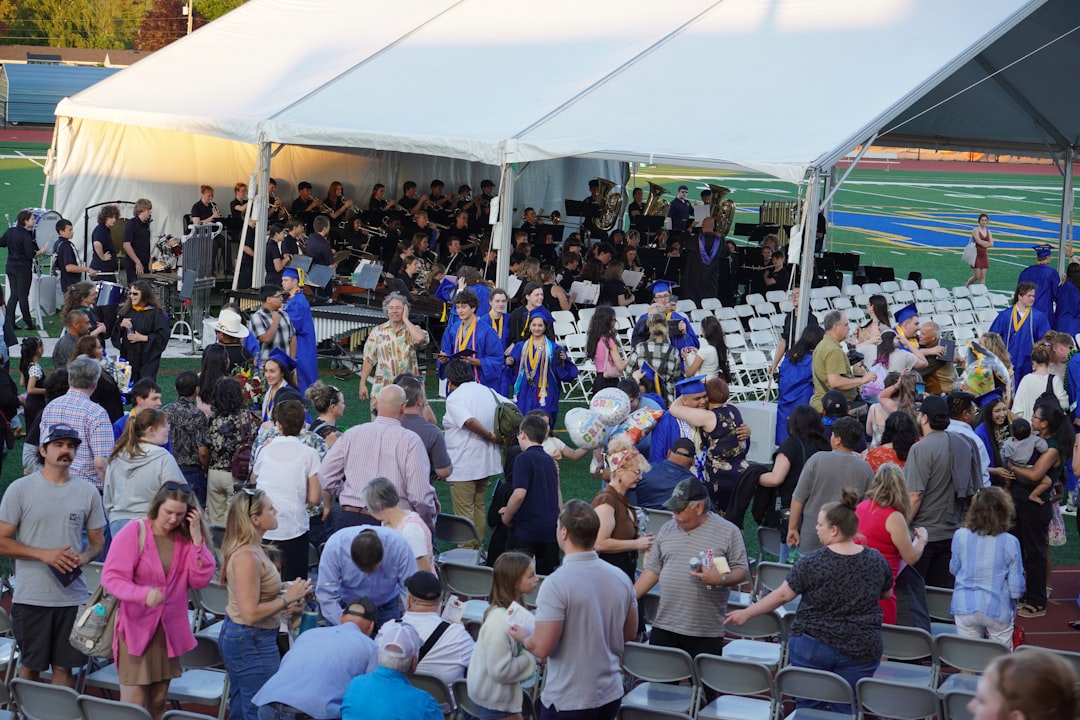

Most former athletes can name the moment — even years after it happened.
Was it the last game, the final out, the last whistle, the long ride home afterward? The moment that lingers is quieter than all of that. It's the first Monday in June when practice simply doesn't exist anymore. No place to be at 3:30. The alarm doesn't go off, and you lie there wondering why that feels less like freedom and more like something hollow has opened up where your purpose used to be.
How high school sports shape identity isn't something coaches address in the preseason. It doesn't surface in recruiting conversations or film sessions. But it operates as one of the most powerful psychological forces in a young person's life, shaping how they see themselves, how others see them, and what happens to both when the final season ends.
This piece is for anyone who has lived inside that silence. The one that comes after the sport stops.
The Jersey Was Never Just a Jersey
Think back to the first time you pulled it on.
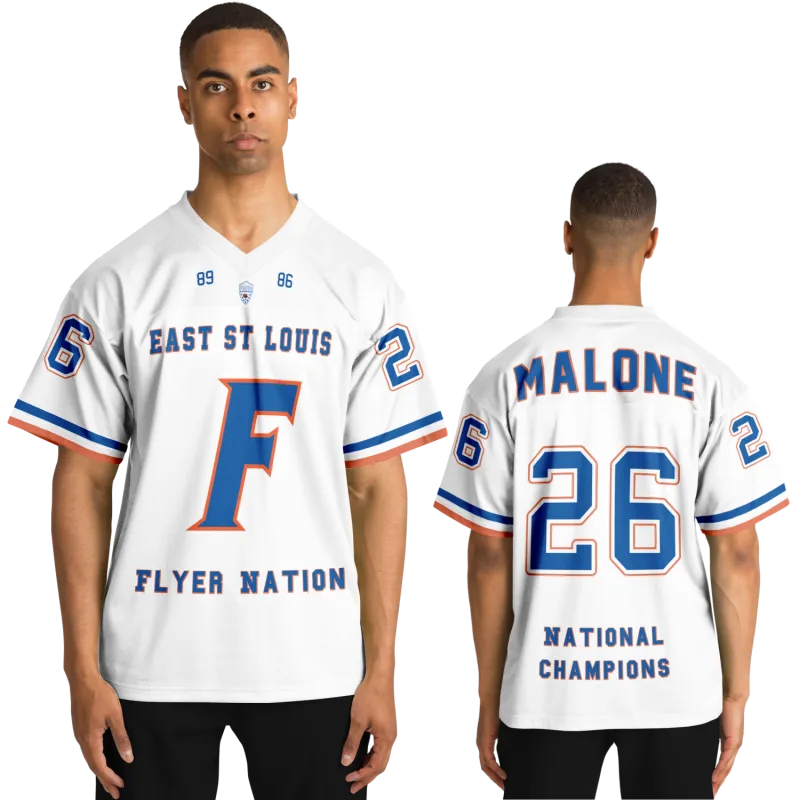
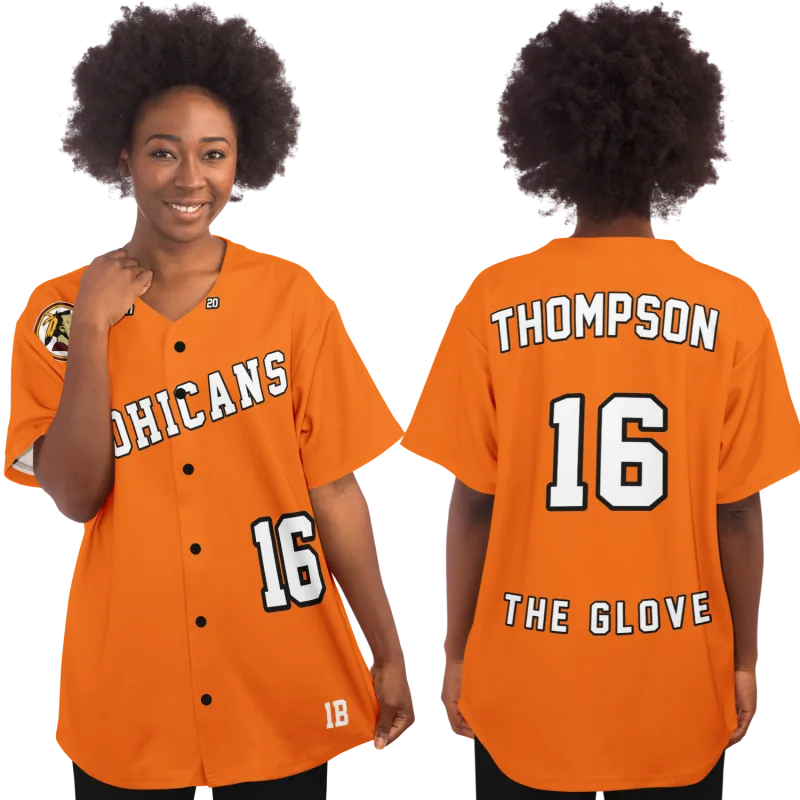
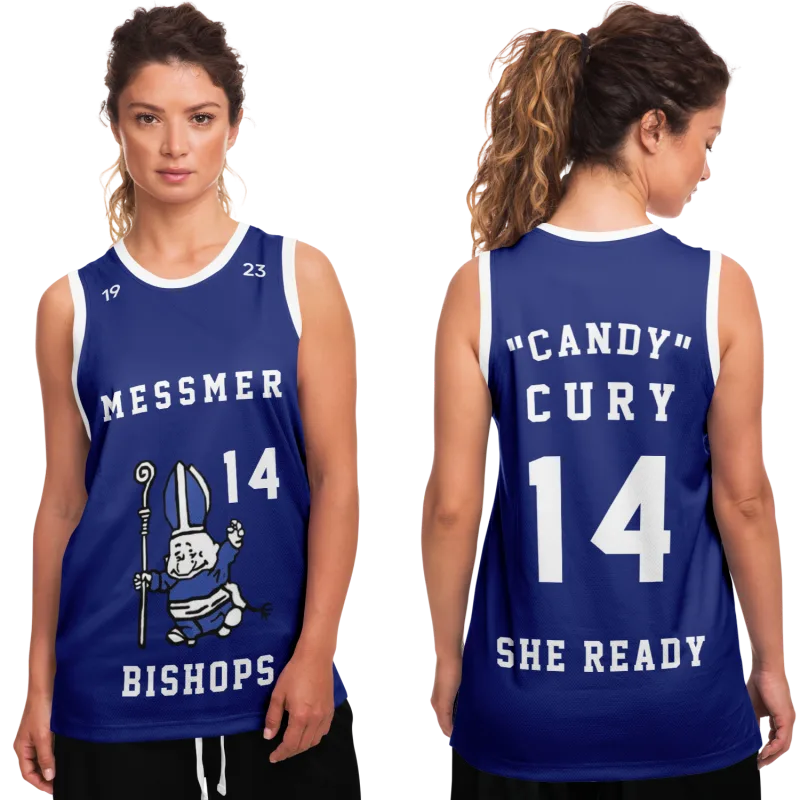
Not the uniform itself: the feeling underneath it. The weight of having a number. A name on the back that announced something. A team color that carried meaning specific to your town, your school, your family. That jersey was a declaration: this is who I am. The fabric and thread were incidental.
For most high school athletes, having an athletic identity takes root long before they're old enough to name it. It starts with how adults respond to early athletic ability — the coach who pulls you aside after tryouts, the parent whose pride looks different after a good game, the way the hallway carries a different charge after you crack the varsity lineup as a sophomore. Those signals stack up. Over hundreds of practices and dozens of seasons, they harden into something that feels less like an opinion and more like a fact: I am an athlete. That is what I am.
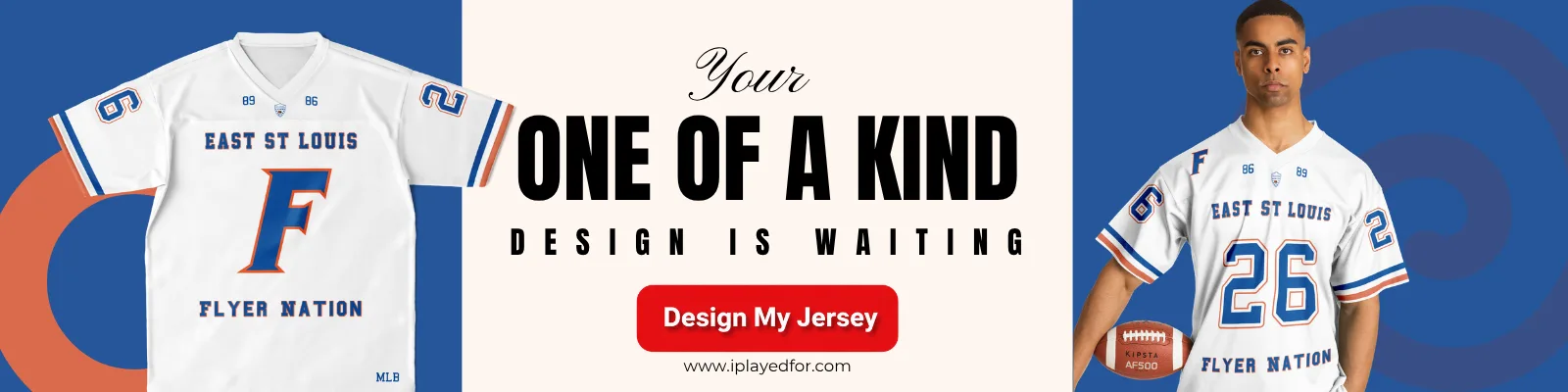

Psychologists call this role identity: the portion of your self-concept defined by a role you occupy. In high school, the athlete role is among the most socially reinforced identities available to a young person. Coaches, peers, teachers, parents, entire communities pour investment into the athlete identity in ways few other adolescent roles receive. The Friday night spotlight. The jersey framed in the trophy case. The local paper photograph. The school-wide announcement the morning after signing day.
None of that is vanity. It's human. Identity formation during adolescence is genuinely shaped by social feedback — by what the people around you reflect back. For young athletes, what gets reflected back, repeatedly and with real intensity, is: you are the athlete.
The jersey becomes shorthand for everything that identity holds.
What the Identity Actually Contains
Here's what most people — including the athletes living inside it — don't recognize until it's gone.
The athletic identity isn't only about the sport. It functions as a container. Inside it lives:
- A daily structure that gives every afternoon shape and direction
- A peer group built on shared language, shared suffering, and shared stakes
- A performance framework that answers, in real time, the question of how you're doing
- A clear, socially legible response to the question every teenager is quietly carrying: who am I?
When you're deep inside a high school sports career, you don't notice how much of your life runs on these tracks. You have somewhere to be. People who need you to show up. A role with defined expectations, and when you meet those expectations, you receive feedback that is unambiguous. Three-run home run. Ground ball turned into a double play. A strikeout in the seventh with runners on. The sport delivers clarity in a language that leaves no room for interpretation.
This is what makes sports and identity so deeply entwined. The clarity itself, more than the trophies or the highlight reel. The athletic identity is, among other things, a relief from the ambient uncertainty of growing up.
When it ends, what follows is ambiguity as much as loss.
The Transition Nobody Prepared You For
Mia D., 19, had been a pitcher since she was nine years old. She threw a no-hitter her junior year and walked onto a D3 roster her first semester of college. When shoulder tendinitis ended her playing career at 19, she said what she was really grieving was not knowing who she was when she walked into a room without cleats on. The softball was almost beside the point.
Mia's experience reflects something sports psychology has documented in ways that match what many former athletes feel intuitively: athletes who strongly and exclusively identify with their sport show greater psychological distress during the transition out of competitive athletics. The word "exclusively" carries the weight there. It's not the depth of the athletic identity that creates difficulty — it's the narrowness. When the jersey is the only answer you have to the question of who you are, hanging it up can feel like losing yourself entirely.
For high school athletes, this transition often arrives at the worst possible developmental moment: right when adulthood starts demanding that you construct a self that belongs to you — not borrowed from a role. College. First jobs. First relationships without a team structure holding the architecture together. The questions get larger at the same moment the old answer — I'm the athlete — stops being available.
What results doesn't have a clean name. Depression comes close, and so does grief, but neither one quite fits. It is the experience of losing your athletic identity — and not yet knowing what comes next.
The identity shift that happens when you stop being "the football player" at 18 rarely announces itself. It shows up as a schedule change, then a quiet ache, and takes years to fully name.
What the Athletes Who Navigate It Do Differently
Not every former high school athlete struggles with this shift. Some move through it with a groundedness that surprises even them. And a pattern shows up consistently in the ones who do.
They don't replace the sport. They expand the identity.
This distinction matters more than almost anything else in this conversation. The athletes who stay stuck longest are often the ones who spend years searching for a substitute: the gym regimen designed to recreate the structure, the recreational league meant to recreate the competition, the persistent comparisons to who they were at 17. None of it satisfies, because none of it is the original thing.
The athletes who move through it recognize that the athletic identity was never only about the sport. It was carrying:
- Discipline. Showing up when you don't want to. Doing the uncomfortable thing before the comfortable one.
- Team. Knowing your role in something larger than yourself and executing it with integrity, regardless of how you feel that day.
- Identity under pressure. Knowing who you are when the moment is hard and the outcome isn't guaranteed.
- The capacity to fail publicly and return. Practice the next morning. Film session Tuesday. Game Friday.
These are human skills — and they do not retire when the jersey does. The athlete mindset you carry into work doesn't look the same in every room — some of it transfers cleanly, and some of it needs translating. The athlete who committed everything to softball didn't only learn how to field a ground ball. She learned how to exist under pressure, how to fail in front of people and come back the next day, how to want something badly and work toward it without a guarantee of the outcome.
That person doesn't disappear when the cleats come off. She's still present, waiting to be introduced to the rest of her life.
The first question is who am I after sports?
The better question is who do I get to be, now that I'm not limited to one answer?
The Jersey as a Starting Point, Not an Ending
There's something worth sitting with here for a moment.
The athletes who carry their high school sports career most gracefully into adulthood are rarely the ones who leave it behind. They're the ones who have genuinely metabolized it. They can look back at those years as the first clear chapter in understanding who they could become, rather than the peak of who they were.
The jersey meant something real. That isn't nostalgia distorting memory. It meant daily commitment to something that mattered, in front of people who were watching, in a context where the outcome had weight. That experience — however young, however local, however many years ago — is a genuine credential. Not for a résumé. For a self.
The high school athlete identity doesn't have to be something you leave behind in the equipment room. It can be the first chapter you read clearly enough to understand what the whole book is about. Reclaiming your identity as an athlete, even years later, is less about living in the past than about letting the past do its proper work in the present.
Here's what sports taught, even when nobody said it out loud:
- You know what it feels like to want something and work toward it without a promise it works out.
- You know what it feels like to fail in front of people and show up the next morning regardless.
- You know how to belong to something larger than yourself and carry your role with seriousness.
- You know the weight of a jersey with your name on the back — and what it cost you to earn the right to wear it.
That's not a footnote. That's the foundation an adult identity gets built on.
Your jersey is still out there waiting.
Design yours in minutes and see your name and number the way you remember it.
Not sure where to start? Take a look at jerseys other former athletes have designed for a little inspiration.
Frequently Asked Questions
Is it normal to feel lost after high school sports end?
Yes — and it's more common than most former athletes realize. When a significant portion of your identity, social structure, and daily routine is organized around a sport, its absence creates a real psychological gap. What you're experiencing isn't weakness or immaturity. It's a natural response to losing a primary identity role at the same developmental moment that role was doing the most work. The difficulty isn't a sign something is wrong with you — it's a sign the sport meant something real while it lasted.
How do I begin figuring out who I am after sports?
Start by recognizing what the sport was actually providing — not the game itself, but the qualities it built underneath the game: discipline, team orientation, the capacity to perform under pressure, the ability to fail and return. Those qualities are yours. They didn't belong to the sport or the program or the coaching staff. Then look for contexts — work, creative pursuits, community, relationships — where those same qualities have room to operate. You're not starting over. You're redirecting something that was already there.
Does the athletic identity ever fully fade?
For most former athletes, no — and it probably shouldn't. The experience of being a high school athlete shapes how you process challenge, competition, and belonging in ways that remain active for decades. What shifts, for the healthiest former athletes, is that the athletic identity becomes one layer of a more complex self rather than the entire answer. You were an athlete. You are also a great deal of other things. Both of those things can be true at the same time.
What if I genuinely feel like my best years are already behind me?
This is one of the most painful versions of the post-sport identity question, and it deserves a direct answer. The years when you played were real and they mattered. But the belief that peak experience belongs exclusively to your athletic years is something the sport's structure trained you to feel — because sports do organize around peaks. Seasons. Championships. Career bests. Life doesn't follow that architecture. The character and skills built in those years are not behind you. They are what you are made of right now. The best application of them is almost certainly still ahead.
See also: athletic identity after high school | why high school sports still matter to adults | what high school sports teach you that nothing else could | the grief of leaving your sport behind at 18