



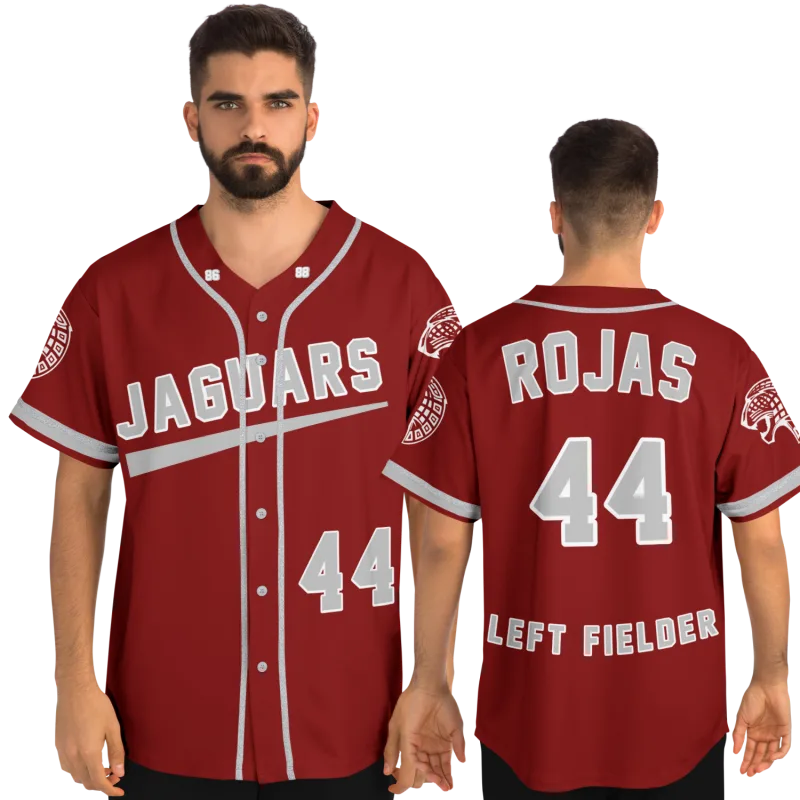
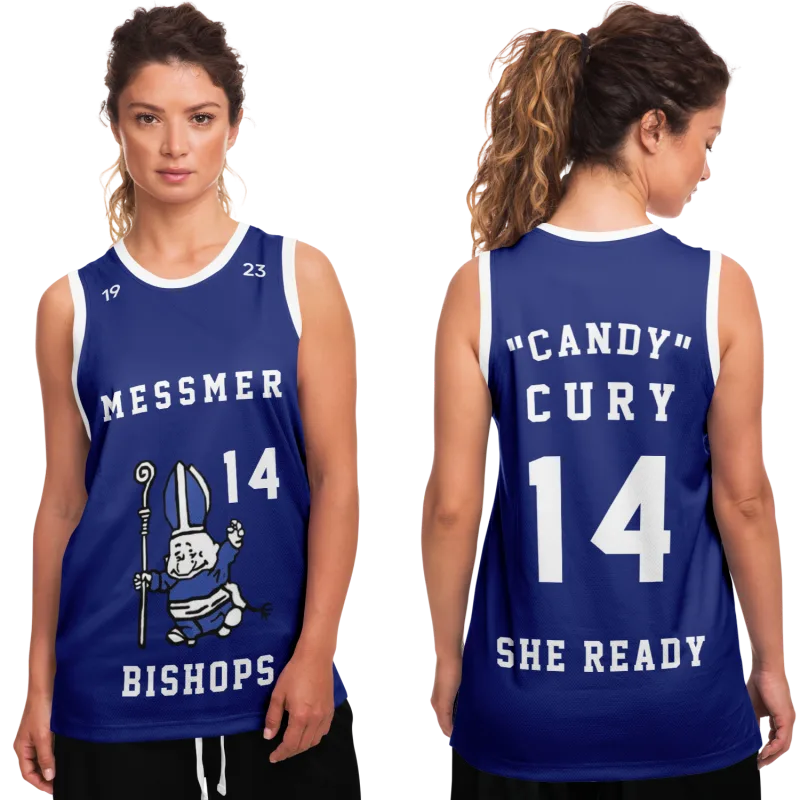
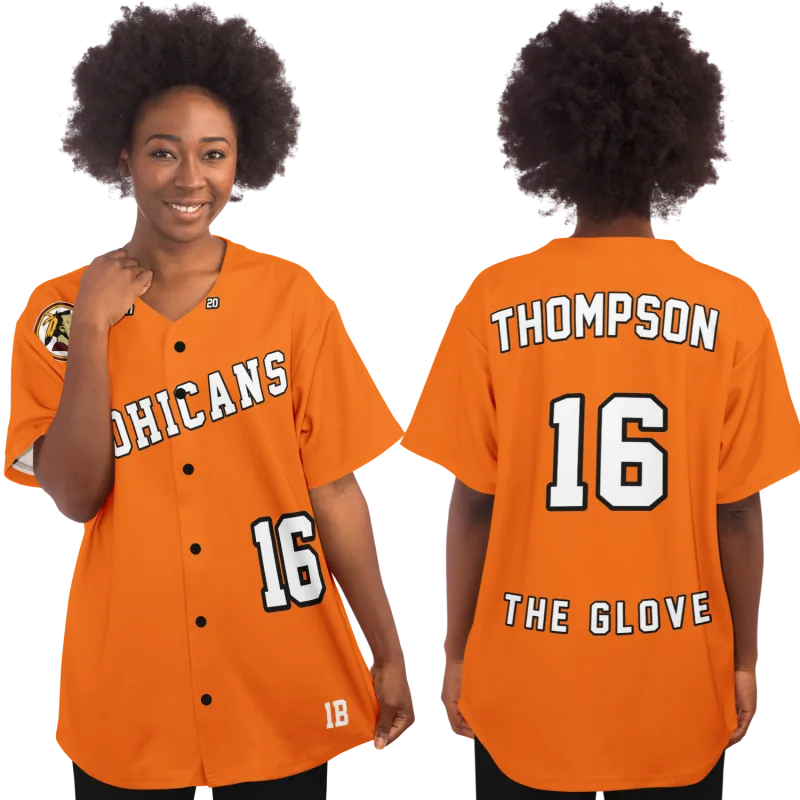
There's a specific moment most former athletes recognize. You're watching a game — maybe your kid's, maybe a college matchup on a Saturday afternoon — and something tightens in your chest. Not sadness exactly. Not jealousy. Something older than either of those. Something that says: that used to be me. And I still don't know what to do with that.
If you've searched for how to reclaim athlete identity, you already know the standard advice. Find a new hobby. Channel your competitiveness into your career. The game had to end eventually. That advice is well-meaning. It's also fundamentally wrong — or at least incomplete — for a large portion of former athletes who don't feel finished so much as interrupted.
This article takes a different position: you don't need to replace your athlete identity. You need to reconnect with it. Those are not the same thing, and the distinction matters more than most sports psychology conversations are willing to admit.
What follows is a five-step process drawn from real narratives of men and women who successfully reintegrated their athletic self-concept into adult life — not by pretending the playing years didn't matter, but by honoring exactly how much they did.
The Problem With "Moving On" — And What the Research Actually Shows
The cultural script for former athletes is clear: you played, it ended, now you transition. Coaches, counselors, and well-meaning family members all tend to push in the same direction — forward. The implicit message is that lingering attachment to athletic identity is something to be managed, even outgrown.
But research published in the Journal of Sport and Exercise Psychology has consistently found that athletic identity — the degree to which a person defines themselves as an athlete — doesn't simply dissolve when competition ends. For athletes who held strong athletic identities during their playing years, that self-concept persists, often uncomfortably, because it was never replaced. It was merely suppressed.

The athletes who navigate this transition best are not the ones who most successfully "move on." They're the ones who find legitimate ways to keep the athlete part of themselves alive — integrated into adult life rather than archived as a memory.
That's the premise this article is built on. And it changes everything about how you approach the steps.
Step 1: Name What You're Actually Missing
Most former athletes describe what they've lost in vague terms: the competition, the camaraderie, the structure. Those descriptions are accurate, but they're not specific enough to work with.
Regaining athletic identity starts with precision. Because what you're missing is almost never "sports" in the abstract. It's something much more particular.
For some people, it's the daily ritual of physical preparation — the alarm at 5:30, the body that knew exactly what it was for. For others, it's the clarity of a role: you were the point guard, the setter, the anchor leg. Identity was simple because your job was specific. For others still, it's the feedback loop — you trained, you competed, you got a result. The rest of life rarely offers that kind of clean causality.
Take ten minutes and write down the three most specific things you miss. Not "the team" — what specifically about the team dynamic made you feel most like yourself. Not "the competition" — the exact moment during competition when you felt most completely present.
This matters because the reconnection strategies that follow work differently depending on what you're actually trying to recover. An athlete who misses ritual needs different inputs than an athlete who misses feedback. An athlete who misses identity clarity needs something different still.
You can't reclaim what you haven't specifically named.
Step 2: Watch the Footage — But Watch It Differently
Here's the step that surprises people: go find old film. Game tape, highlight clips, even grainy footage someone's parent shot from the stands. Watch yourself play.
Most former athletes either avoid this entirely (it hurts) or watch it only for nostalgia (it fades). Neither approach does the work. What actually helps is watching it as a witness rather than a mourner.
The question you're bringing to the footage isn't "remember when." It's "who was that person, and what specific things did they know how to do?"
When you watch yourself compete with that lens, something shifts. You start to see capability rather than lost time. You see a person who understood how to prepare under pressure, how to communicate nonverbally in real time with teammates, how to manage fear and still execute. Those are not athletic skills that expired when the season ended. They're character traits that happened to be forged in athletic competition.
This step is about reconnecting with your former athlete self-concept as a source of real information about who you are — not as a highlight reel of who you used to be.
In our experience, athletes who complete this step report that the footage feels less painful than they expected, and more clarifying. The grief that comes up is real, but it's different from the anticipatory grief of avoiding the footage entirely.
Step 3: Put the Body Back in the Conversation
Marcus T., 41, played Division I soccer until a knee injury ended his junior season. For fifteen years after, he exercised — ran 5Ks, went to the gym — but he described it as "exercising like a civilian." There was no competitive frame, no team, no stakes. He was fit, but he didn't feel like an athlete.
The shift came when he joined an adult recreational soccer league at 38. Not because the level was high — it wasn't — but because for the first time since his injury, he was competing again. "The first time I made a run and the ball came to me in stride," he said, "I remembered something about myself I'd completely forgotten."
This is the body knowledge that formal exercise doesn't restore. When you move your body in the specific patterns that athletic competition demands — laterally, under pressure, in coordination with other people — neurological and emotional memories activate that straightforward fitness routines don't reach.
The specifics matter here. The activity you choose should have at least two of the following four elements:
- A competitive structure with a defined winner and loser
- A team or partner who depends on your performance
- A skill component that rewards practice (not just effort)
- A physical demand specific to the sport you played
Adult recreational leagues, masters-level competition, pickup games, and sport-specific training camps all qualify. A solo run, however valuable for fitness, does not do this particular job.
You don't need to compete at the level you once did. You need to compete in a way that activates the same self-concept that competition always activated.
Step 4: Transfer Athletic Identity Into a New Container
Reconnecting with your athletic side doesn't require competing forever. At some point — whether because of injury, time, or the honest reality of your body at 45 — direct competition may become limited. The move that matters at that point is transferring the identity, not abandoning it.
The most effective transfer containers former athletes describe:
Coaching or mentoring — This is the most direct transfer available. Volunteering as a youth coach, assistant coach, or even informal mentor to a young athlete in your sport keeps you inside the competitive structure as a participant rather than a spectator. Many former athletes report that coaching reactivates the athletic identity more completely than they expected, because it requires all the same cognitive skills: reading situations in real time, managing pressure, communicating under constraint.
Technical expertise development — Some former athletes find that going deep on the technical or analytical side of their sport — coaching certifications, referee training, sports analytics, even sports journalism — provides a legitimate container for athletic identity that doesn't depend on physical performance. The identity element isn't "I compete" — it's "I know this game at a level almost no one does."
Physical culture mentorship — Teaching fitness, running strength programs, or guiding others through the physical preparation process activates the "athlete as expert" self-concept in a way that pure personal training often doesn't. The key is that the focus is on athletic performance, not just aesthetics or general health.
The common thread in all three: you remain inside athletic culture, not observing it from outside. That inside position is what sustains the identity between competitive moments.
Step 5: Let the Jersey Mean Something Again
This one is quieter than the others, but former athletes who've been through this process consistently name some version of it.
There's a physical dimension to athletic identity that often goes unaddressed in the psychological conversation. The uniform, the number, the visual language of the sport you played — these aren't trivial. They were the external markers of a self-concept that was very real, and treating them as merely sentimental is a mistake.
Maria C., 36, played club volleyball through college and spent her twenties completely detached from anything related to the sport. At 33, going through a career transition that left her uncertain about who she was professionally, she pulled out her old team photo. Her number — 14 — had been on every uniform she'd worn since she was twelve.
"I didn't want to cosplay my past," she said. "But I wanted something that acknowledged that this part of me was real. That it counted."
She designed a custom jersey with her name, her number, and her college team colors — not to wear to games, but to hang in her home office. "It sounds small," she said. "But it's the first thing I see every morning. And it reminds me that I know how to do hard things. Because I spent years proving it."
The physical artifact of athletic identity is not nostalgia. It's a daily anchor to a self-concept that is still yours — because it always was.
Your jersey is still out there waiting.
Design yours in minutes and see your name and number exactly the way you remember it.
Frequently Asked Questions
How long does it take to reclaim your athletic identity after years away from sport?
There's no universal timeline, and that's actually good news. Some former athletes report significant reconnection within weeks of returning to competition or coaching. Others describe it as a gradual process of years. What the research and personal narratives consistently show is that the reconnection accelerates when the steps are specific rather than general — naming precisely what you miss, returning to competition in a form that activates the same self-concept, and finding a container that keeps you inside athletic culture rather than observing it. The athletes who take the longest are typically those who wait for the "right" level of competition before re-engaging, when any authentic engagement would have started the process much earlier.
Is it possible to reclaim athlete identity without competing again?
Yes — but with an important qualification. Competition, even at low levels, is the most direct path back to the specific self-concept that athletic identity represents. That said, coaching, technical mentorship, sport-specific analytical work, and physical culture leadership all provide legitimate transfer containers for former athlete self-concept. The critical factor is remaining inside athletic culture in a role that requires real competence and accountability — not simply watching or following sports as a fan. Passive consumption of sport does not restore athletic identity. Active participation, in whatever form fits your life, does.
What if reconnecting with my former athletic self feels more painful than empowering?
This is more common than most former athletes admit, and it's worth taking seriously. If watching old footage, returning to a gym, or even thinking about your playing years consistently produces grief rather than reconnection, that's information worth paying attention to. For athletes whose career ended in trauma — sudden injury, forced retirement, a conflict with a coach or program — the identity reclamation process may benefit from working alongside a sports psychologist or therapist who specializes in athletic transitions. The steps in this article are designed for former athletes whose primary challenge is disconnection rather than unresolved loss. If the loss is still acute, the sequence still applies, but the pace and support structure need to be adjusted accordingly.
Can you reclaim athletic identity if you never played at a high level?
Absolutely — and this question reveals a common misconception about what athletic identity actually is. Athletic identity isn't a credential tied to the level at which you competed. It's a self-concept that forms when sport is a central, consistent part of how you understand yourself. Recreational athletes, high school players who never played beyond graduation, and club-level competitors all develop genuine athletic identities that deserve the same respect as those of Division I athletes. The reconnection process is identical. The specific form of athletic participation you return to may look different, but the identity work is the same.
See also: the grief that comes with losing your athletic identity after high school | what athletic identity after high school really means | getting back into training after years away from your sport | the gap between who you were as an athlete and who you are now