
There's a box in a lot of former athletes' closets. Maybe a plastic tub in the garage. A shelf in the basement that's quietly accumulating the physical evidence of years: a rolled-up jersey, a few trophies with the engraving facing the wall, a stack of game-day photos that never made it into frames. A newspaper clipping folded twice, yellowed at the creases.
The stuff is there. The story isn't going anywhere. It's just not told yet.
That's what sports memory wall display ideas are really about — not decoration, not man-cave aesthetics, not Pinterest mood boards with neon signs and team logos. The best athletic memory walls are narrative structures. They follow a sequence. They open somewhere and close somewhere. A person who never watched you play can walk up to that wall and understand, in three minutes, what your career meant.
This guide gives you the design framework to build that wall, the one that flows from your first season to your last, with your jersey at the center and everything else arranged around it the way a story is arranged around its turning points.
The Design Principle Most Guides Completely Miss
Every Pinterest board and home décor article will tell you to frame your jersey, add some photos, maybe hang a trophy or two. That's decoration. It looks fine. It means nothing to anyone who wasn't there — and honestly, after a few years, it starts to mean less to you too, because there's no thread connecting the pieces.
The design principle that actually works (the one our team has seen produce displays that stop people in the doorway) is chronological narrative architecture. Your athletic career had a beginning, a middle, and an end. The wall should too.
Think of it this way: a film about a playing career doesn't open with the championship. It opens with the first day of practice, the awkward freshman photo, the early-season loss that taught something. The championship lands harder because of everything that came before it.
Your wall works the same way.
The two things that make the difference between decoration and story:
- A clear left-to-right (or top-to-bottom) chronological flow that a visitor can follow without explanation
- One dominant visual anchor (almost always the jersey) that everything else responds to
That's the whole framework. Everything else is execution.
How to Map Your Career Before You Hang a Single Nail
Before you touch a wall, you need an inventory. Lay everything out on a table — every physical artifact from your playing days — and sort it into four categories:
-
Season anchors: items that are specifically dated or clearly tied to one year. Varsity letter from sophomore year. All-conference trophy with a year on the base. Team photo from the regional championship with the season on the border.
-
Career-wide artifacts: items that represent the whole arc rather than one season. The jersey itself. A collage someone made you. A stats scrapbook that covers multiple years.
-
Atmosphere pieces: items that create texture and context. Ticket stubs. Game programs. Newspaper clippings. A handwritten note from a coach. These are the pieces that make the wall feel lived-in rather than curated.
-
The one thing: every playing career has one object that holds more weight than anything else. The game ball from the win that mattered most. The MVP plaque. The photo from the moment. You'll know what yours is. It gets displayed differently than everything else — not necessarily larger, but positioned so the eye finds it naturally.
Sorting into these four categories before you think about layout tells you something important: what you have too much of, and what you're missing. Most former athletes have plenty of season anchors and atmosphere pieces. Very few have a clear career-wide artifact beyond the jersey. That's fine, knowing that shapes how you design the wall.
The Layout: Building Around the Jersey
Here's where sports memory wall design actually diverges from generic sports room décor. In a sports-themed room, the jersey is one element among many. On an athlete memory wall design, the jersey is the spine of the entire structure. Everything else is arranged in relationship to it.
Positioning the Jersey First
The jersey goes center-wall, at eye level. Not in a corner. Not above the doorway. Center-wall, eye level, framed or shadow-boxed with enough depth to show the number clearly.
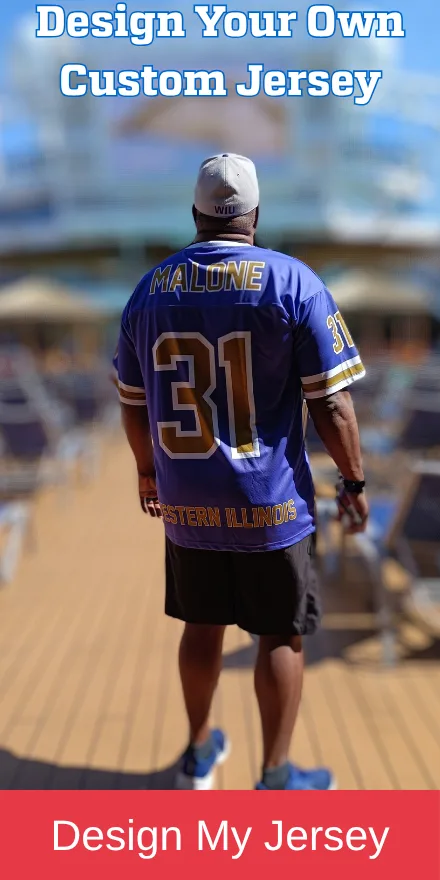
Standard jersey display frames come in two profiles: flat-mount (glass pressed against the jersey) and shadow box (jersey floats with space behind it). Our team recommends shadow box for any jersey you want to be the centerpiece of a wall. The depth reads as intentional from across the room. It signals that this is the anchor, not just another framed object. If the jersey is a custom piece you designed rather than something you wore on game day, the same standard still applies. Here's how to display a custom jersey at home without it looking like a dorm room.
One specific detail that matters: number facing out, name at the top. It sounds obvious, but jersey folding inside a frame is rarely as simple as it looks, because number placement varies by jersey style and rushed framing jobs sometimes obscure the name or crop the number. That prominence is earned. The number you wore said something about you that no name alone could. Mount it yourself or supervise the framing. If you're doing it yourself, read up on how to frame and display your jersey at home. That jersey is too important to hand off and pick up later. And a frame only protects what's already in good shape, so keeping your custom jersey looking new before it goes under glass is what stops the fabric from fading over the years it hangs there.
Building the Chronological Flow
Once the jersey is placed, divide the remaining wall space into left zone (earliest seasons) and right zone (final seasons), with the jersey at the center boundary between them.
The freshman photo — usually the most awkward, least polished image you have, which is precisely why it belongs here — anchors the far left. Your final season's best image anchors the far right. Everything else fills in between them chronologically.
This creates a wall that reads like a timeline. Left to right is freshman to senior, early to late, beginning to end. A visitor starts on the left with the version of you that was just starting out and follows the story to the right where it concludes. The jersey at the center is the constant — the thing that was true across all of it.
What goes in the left zone: - Freshman or first-year team photo - Early-season action shot (less polished, more raw, often with better energy than later photos anyway) - First letter or first award, if dated
What goes in the right zone: - Senior night or final season photo - Last championship, record, or award - Newspaper clipping from a defining late-career moment - Any "farewell" artifact: a signed program from a final game, a team-signed ball from senior night
What flanks the jersey directly: - Your single most important season artifact on each side - The atmosphere pieces (ticket stubs, game programs, handwritten notes) clustered closest to the jersey because they have the most personal weight
The Artifacts That Elevate a Wall From Good to Unforgettable
Marcus T., 34, built his basketball memory wall after finding his college warm-up jacket in a storage unit during a move. He'd planned a simple display: jersey, a few photos, done in a weekend. But once he started pulling other pieces out of that storage unit, he realized he had enough for something that actually told the story of four years at a mid-major program: practice logs with his coach's handwriting in the margins, a folded newspaper from a conference tournament upset, the player of the week certificate from the week he broke a 22-year-old scoring record. The wall took three weekends. He hasn't moved it since.
The artifacts that make the biggest difference aren't always the most visually striking. They're the ones that carry specific information — the date, the opponent, the context, the outcome.
Four categories of atmosphere pieces, ranked by narrative impact:
- Newspaper clippings with headlines: even a small community paper clipping with your name and a specific game detail carries more weight than a generic trophy
- Handwritten documents: a coach's note, a scouting report with your name marked, a lineup card from a significant game
- Game-specific programs or tickets: especially from playoff runs, rivalries, or final games
- Team-signed artifacts: a ball, a photo, a program with signatures from teammates adds the dimension of relationship to a wall that might otherwise feel like a solo achievement display
Before you mount any of it, digitize and preserve your old photos and clippings. Paper is the most fragile material on the wall, and a scan protects the memory even if the original fades.
The one category many former athletes skip: practice artifacts. The informal photos, the training logs, the worn-out equipment. These are often the most emotionally resonant pieces on a finished wall — they show the work, not just the results. The material carries meaning of its own: the stitching, dye, and fabric of a jersey carry emotional weight a photograph never can.
How to Display Sports Awards and Trophies Without Making It Look Like a Trophy Room
The phrase sports trophy and jersey display conjures a specific image: a shelf lined with gold-painted plastic figures, arranged by height. That's a trophy room. That's not what we're building.
Trophies and awards on an athlete memory wall have one job: to mark specific moments in the chronological story without competing with the jersey or the photos for visual dominance.
The rule: trophies at the base, photos at the eye line.
Mount your photos and framed clippings at eye level, the primary visual field. Place trophies and three-dimensional awards on a narrow floating shelf below the photos, at the bottom edge of the wall display. This keeps them present and honored without pulling focus from the narrative photographs above.
For engraved plaques: frame them. A plaque hung directly on a wall reads as hardware. The same plaque inside a dark wood frame reads as a document of achievement.
Two approaches that work:
- Single floating shelf across the full width of the display, with trophies arranged chronologically left to right, matching the photo timeline above
- Small shadow-box inserts for the smallest awards — pins, medals, patches — clustered near the atmosphere pieces closest to the jersey
One approach that doesn't work: mixing trophies with photos in the same visual tier. When a trophy sits next to a framed photo at the same height, neither reads clearly. Keep the planes separate — two-dimensional artifacts at eye level, three-dimensional artifacts below.
Apparel behaves a little differently from framed paper or a trophy on a shelf, and if a letterman jacket is part of your display, its details are doing quiet work: chenille letters, back patches, and sleeve numbers each carry a specific meaning.
Finishing Touches: The Details That Make the Wall Feel Complete
The difference between an athletic memorabilia display wall that looks designed and one that looks assembled is almost always in the finishing details. These are the elements most guides skip because they aren't about choosing what to display; they're about how the display reads as a whole.
Framing consistency. You don't need matching frames — in fact, mixed frames often feel more authentic. But you need consistent framing logic: same mat color throughout, or same frame finish (all black, all dark walnut, all natural wood). One rogue bright silver frame in a display of dark wood reads as an afterthought, even if the photo inside it is your best one.
Label plates. Small brass or brushed metal label plates mounted below key photos (season year, opponent, result) turn photos into documents. "Regional Finals, November 2009" below a game photo does more work than the photo alone. These cost almost nothing and add a level of intentionality that signals the whole wall was designed, not assembled.
Negative space. Leave breathing room between elements. A wall that is completely filled from edge to edge looks like an inventory, not a display. The space between a newspaper clipping and the photo next to it is part of the design — it tells the eye where to stop and where to move.
Lighting. A single picture light mounted above the jersey, angled to wash light across the center of the display, changes the entire character of the wall. That one addition does more for the perceived quality of a sports memory wall than any individual item on it.
Where the Wall Actually Goes
Placement decides more than most people expect. The best-designed wall in the wrong spot loses to a simpler one in the right spot.
Start with the room. A memory wall earns its keep where you actually spend time: a den, a home office, a stairwell, a hallway you pass twenty times a day. A basement corner or a garage wall nobody ever faces will hold the same objects and tell nobody the story.
Then think about how you will see it. The display reads best when you meet it head-on. A hallway viewed at a sharp angle flattens the shadow-box depth that makes the jersey feel like an anchor, so if the wall is only ever seen from the side, plan for a shallower frame and wider spacing. The jersey is the one element where sightline matters most: its center wants to sit around 57 to 60 inches off the floor, which holds as eye level whether you are standing or sitting in a chair across the room.
Keep it out of direct sun. This is the single most common way a display ages badly. Ultraviolet light fades fabric, yellows newsprint, and bleaches photo dyes, and no frame short of museum glazing stops it completely. A north-facing interior wall, or one shaded by a curtain through the bright part of the day, will protect the colors you chose.
Preserving What's On It
Everything on the wall is slowly reacting to the room around it, and a few inexpensive choices slow that down for decades.
For anything made of paper or fabric, acid-free is the baseline. Standard cardboard backing and cheap mats are acidic: they off-gas over time and leave a ghost image, a brown shadow burned into the back of a clipping that you cannot reverse. Choose acid-free mat board and an acid-free backing sheet, and ask the framer directly if you are unsure.
Glazing matters next. UV-protective glass or acrylic filters out the worst of the light damage and costs only a little more than plain glass. For the jersey and any photograph you cannot replace, it is not an upgrade; it is the point of framing in the first place.
Finally, mount without glue. Adhesives, tape, and spray mounts fail, stain, and cannot be undone. Photo corners, Mylar sleeves, and backing mounts hold paper safely and reverse cleanly, and a jersey hangs on a padded form or stainless pins rather than anything that touches the fabric with chemistry.
The Digital Layer: A QR Code That Opens the Game Film
Everything on the wall so far is physical — the jersey, the photos, the clippings. But most of what your playing career actually was now lives somewhere else: game film, a highlight clip, a box score from a night that mattered. One small, inexpensive addition can bridge the two.
Place a QR code at the bottom corner of a key frame (the jersey, or the single photo that means the most) and link it to footage or a page you control. A highlight reel uploaded to YouTube and set to unlisted, a shared folder of scanned game film, a stats archive. Generate the code for free, print it about two inches square on card stock, or order a small etched metal or acrylic tile that matches the frame. Anyone who visits the wall — including you, years from now — holds up a phone and watches the play instead of just looking at the number.
Apply it selectively. One code beside the jersey is enough for most walls; a second beside your most meaningful photo or clipping is about the ceiling. A wall covered in QR tiles stops reading as a memory and starts reading as an exhibit directory. And the code is only as permanent as the link behind it — host the footage somewhere you control, or keep a local copy, so the code doesn't point at a dead URL three years from now.
Before any of that works, the footage has to still exist. If you're not sure where your old tape ended up, start with how to find your old high school game film and highlight footage.
Your jersey is still out there waiting.
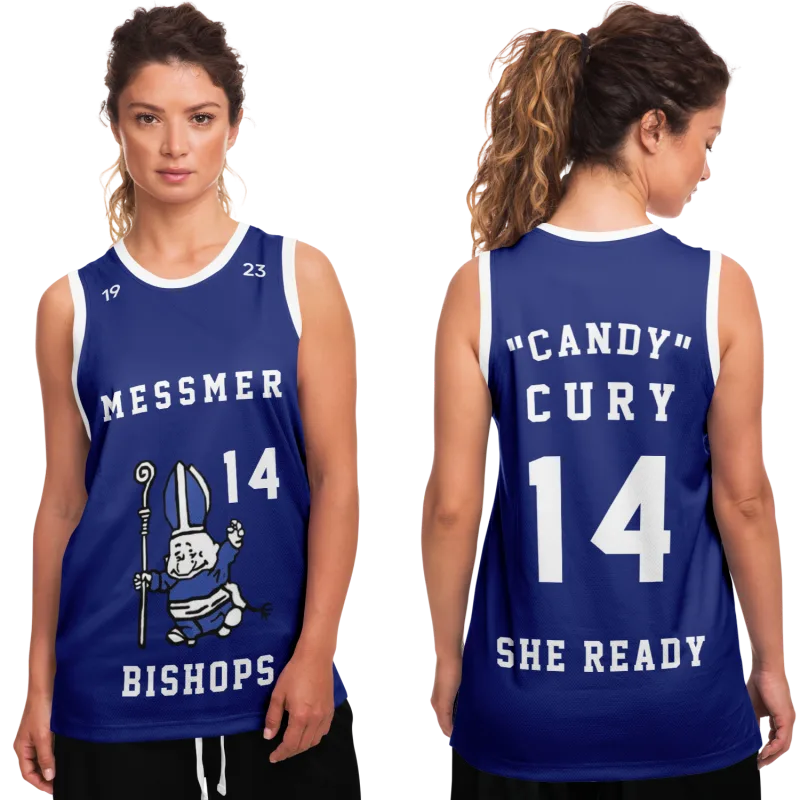
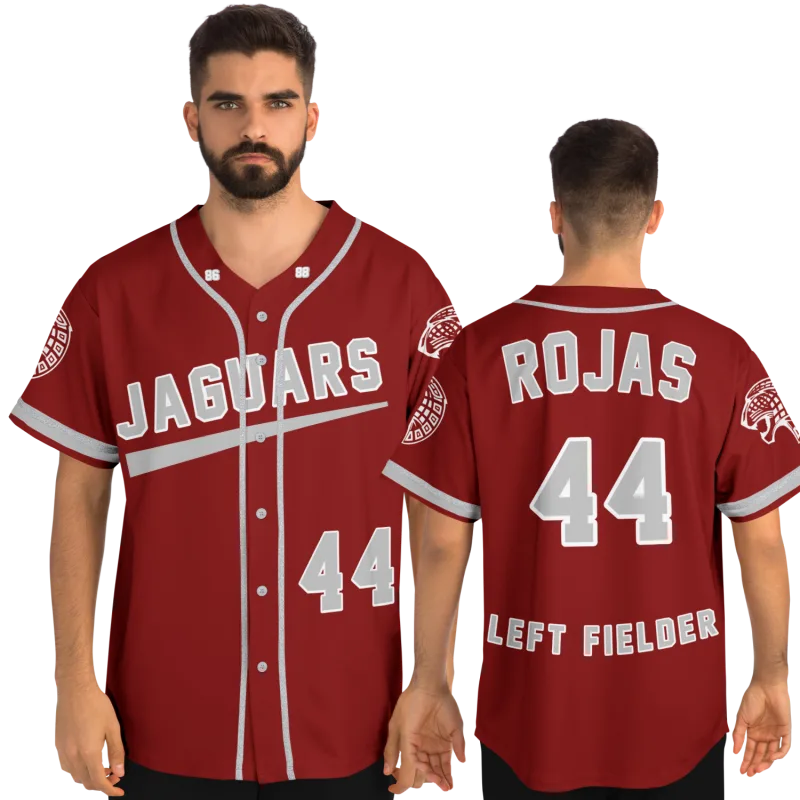
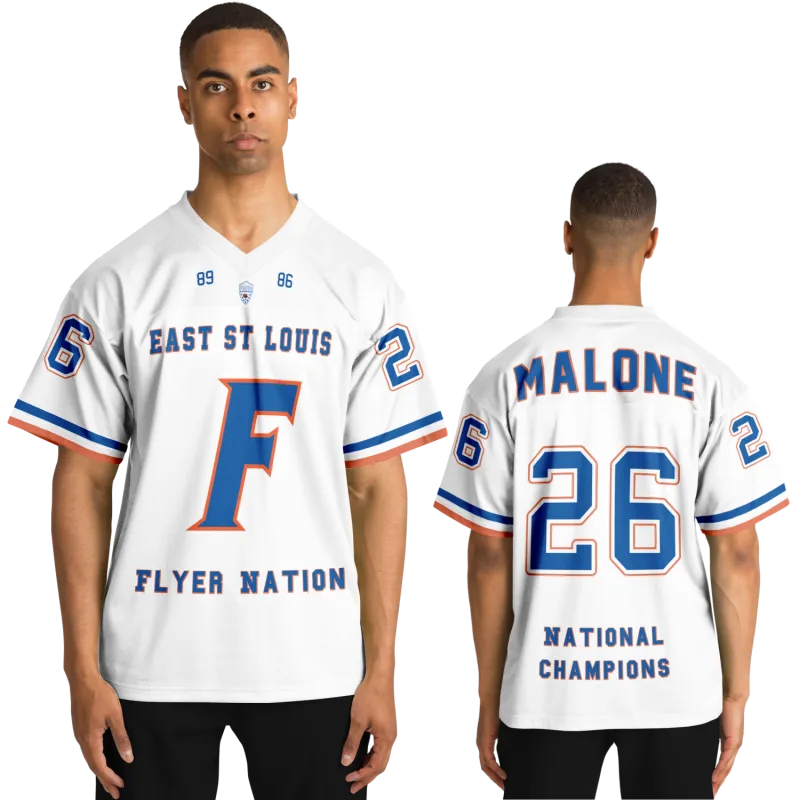
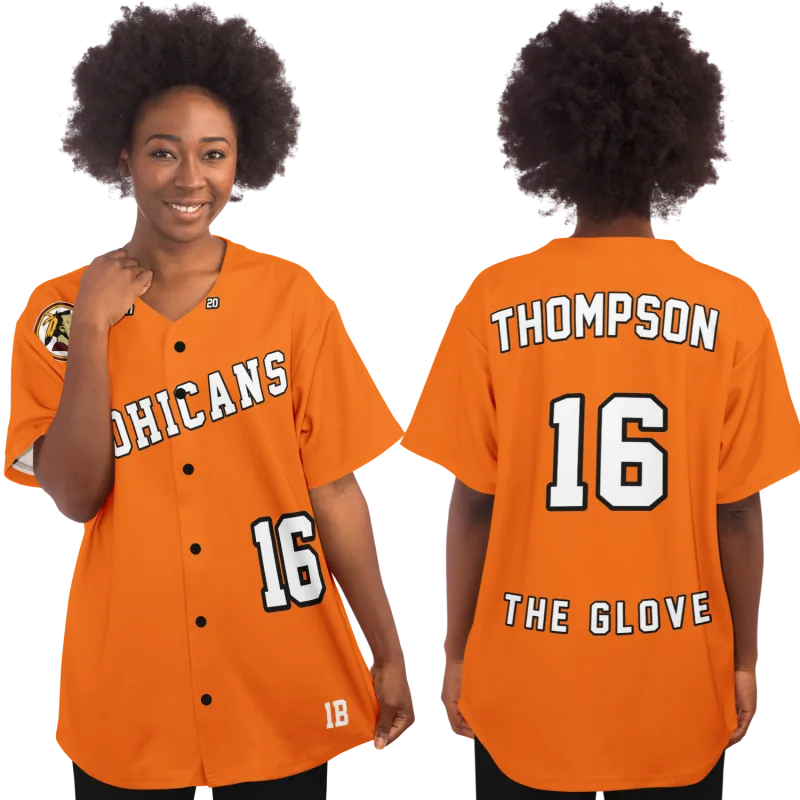
The wall you're building deserves a jersey that looks the way you remember wearing it — your name, your number, your colors. If you played in a jersey that wore out, got lost, or was never yours to keep, iPlayedFor lets you design your own jersey in minutes.
See your name and number the way they looked on game day, and give your memory wall the anchor it's been waiting for.
Frequently Asked Questions
How do I decide what goes at the center of a sports memory wall if I don't have the original jersey?
The jersey is the ideal centerpiece because it carries your number and name — the two things that make a sports display personal rather than generic. If the original isn't available, a custom jersey with your actual name, number, and team colors works just as well, and in some cases better. A custom jersey can be framed flat without the structural limitations of an aged original. The important thing is that the center piece carries specific identifying information: your name and number. A generic team poster doesn't do the same work.
What's the right size for a sports memory wall, and how much wall space do I need?
A functional narrative display requires at minimum six linear feet of wall space to give the chronological layout room to breathe. Most well-designed athlete memory walls run eight to ten feet wide, with a vertical range of about four feet (from the floating trophy shelf at the bottom to the top of the tallest framed photo). That said, a tightly edited three-sport display in a smaller space can work if you prioritize ruthlessly: one or two items per season rather than everything you've kept. Editing down is always better than crowding.
Should I hire a professional framer or frame things myself?
For the jersey, hire a professional, or at minimum work with a specialty sports jersey framing service rather than a general frame shop. The folding, mounting, and UV-protective glass for a jersey are not standard framing operations, and a badly folded jersey in a frame is immediately visible and nearly impossible to fix without disassembling the whole mount. For photos, clippings, and award documents, quality DIY framing with acid-free mats is completely appropriate and gives you more control over consistency across the display.
Can this framework work for a multi-sport career?
Yes, with one adjustment: use the jersey from your primary sport as the center anchor, and represent the secondary sports through their most specific artifacts — a key photo, a key award, a clipping — placed in the outer zones of the wall. The chronological flow still works across sports; what matters is that the timeline reads clearly and the center anchor is unambiguous. Trying to center two jerseys creates a wall without a spine.
See also: custom sports shadow box for a former athlete | what to do with your old varsity letter jacket | personalized sports gifts versus generic ones