


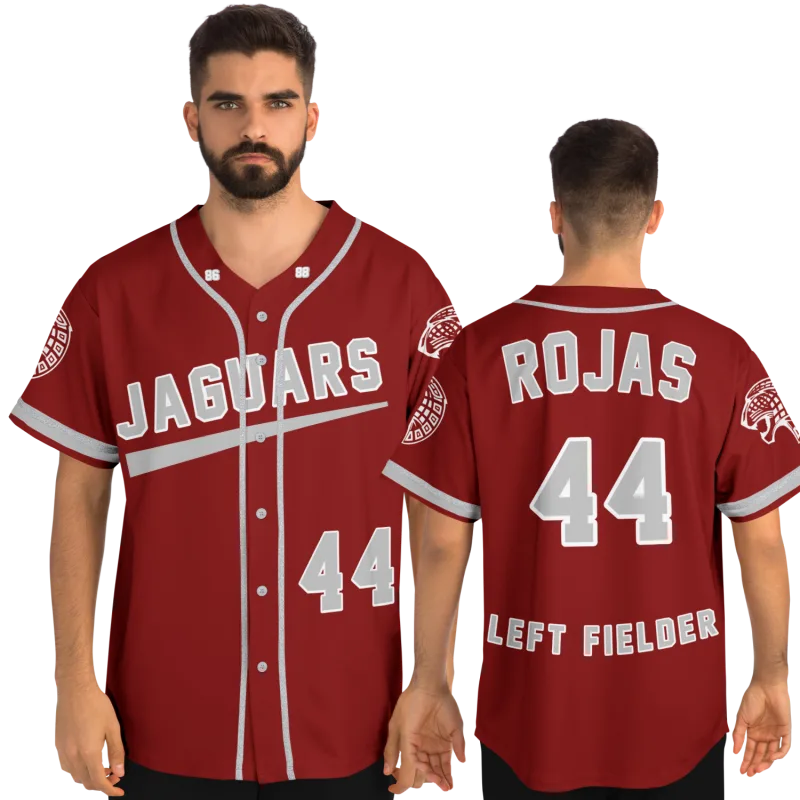
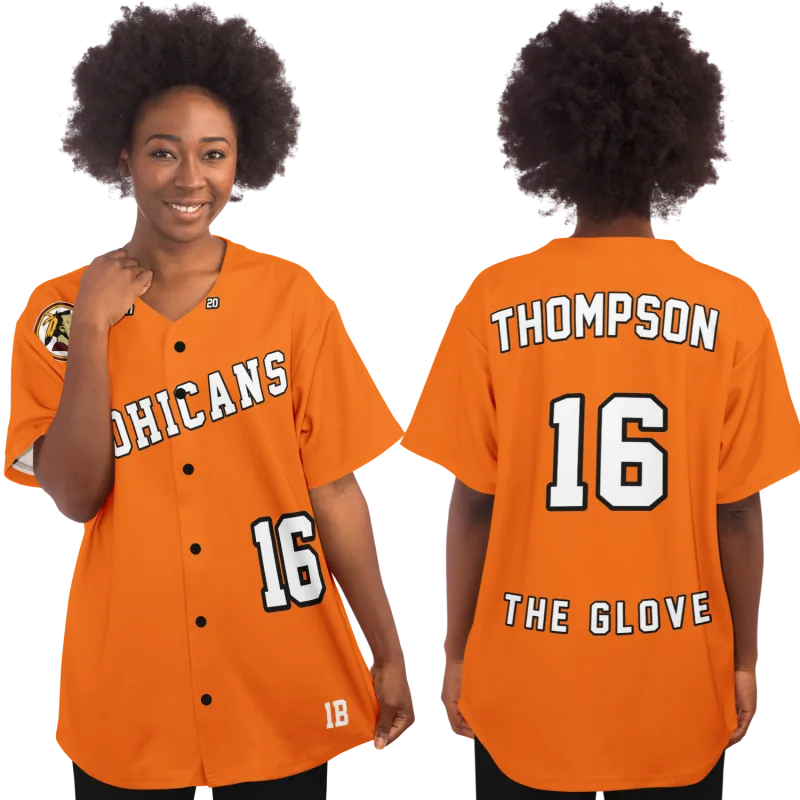
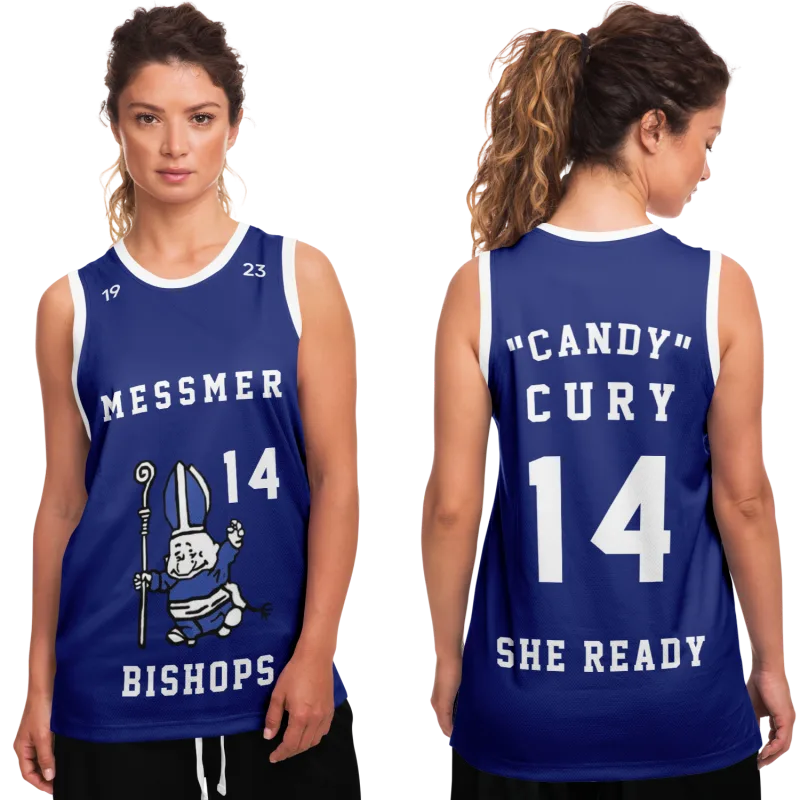
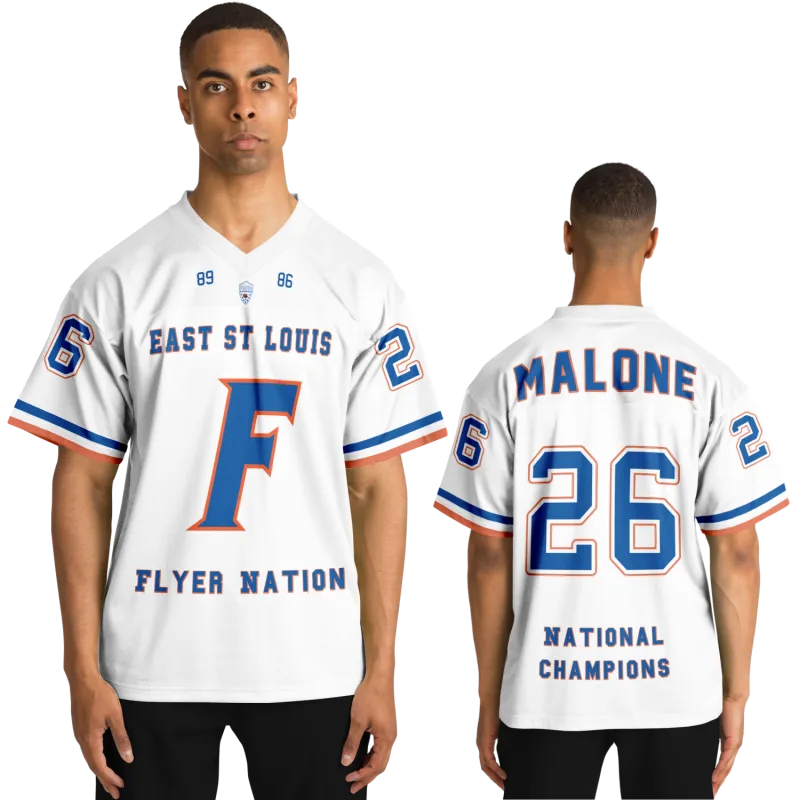
You pulled it out of the drawer and felt it before you even looked at it.
That subtle stiffness in the fabric. The slight resistance where the number used to lie flat. You held it up and there it was — a hairline crack running through the bottom curve of your 2, or a corner of the nameplate peeling back like a dog-eared page. The jersey is still recognizable. But it's not the same.
Custom jersey care and longevity is the difference between a piece of fabric that lasts a weekend and one that lasts decades — still bright, still sharp, still capable of stopping you cold when you pull it out and remember exactly what you were when you wore it. The good news is that this kind of damage is almost never inevitable. It's the result of three or four small habits that most people don't know are wrong — until the evidence shows up on the fabric.
This guide gives you the exact process to follow. Every step is specific. Every rule has a reason. By the time you finish reading, you'll know exactly what to do — and exactly what to stop doing — so your jersey looks the way it should for as long as you want it to.
The Real Reason Custom Jerseys Crack, Fade, and Peel
Most jersey damage isn't dramatic. It doesn't happen in one catastrophic wash. It accumulates — a little heat damage here, a little chemical abrasion there — until the sublimated ink loses its bond with the polyester fibers, or the heat-applied numbers lose adhesion at the edges, or the fabric itself starts pilling and losing its structural integrity.
Understanding the mechanism matters because it changes how you respond to care instructions. "Wash cold" isn't an arbitrary preference. It's the difference between heat that locks the dye into the polymer structure and heat that begins breaking that bond with every cycle.

There are two categories of custom jersey construction you'll encounter, and they behave differently under stress:
Sublimation-printed jerseys have the design literally bonded into the polyester fibers at the molecular level using heat and pressure. The image becomes part of the fabric, not a coating on top of it. These are generally more durable — but they are still vulnerable to UV exposure, harsh detergents, and high-heat drying, which can cause the colors to ghost and fade over time.
Heat-transfer and tackle-twill applied jerseys have numbers, names, and logos attached to the surface of the fabric using adhesive layers and pressure. The edges of these applications are the most vulnerable point — once an edge begins to lift, moisture and heat enter the gap and the peeling accelerates rapidly. The damage you're seeing on a cracked or peeling number almost always started at a lifted edge.
Knowing which type you have tells you exactly where to focus your protection — and if the terms are unfamiliar, how jersey fabric technology has changed since you played is worth a quick read so you know what you're holding. For sublimation jerseys, heat and UV are your enemies. For heat-transfer jerseys, edge protection and low-heat handling are everything.
Why the Common Approach Fails
If you've been washing your jersey the same way you wash a cotton t-shirt — warm water, regular detergent, standard dryer cycle — you've been running an experiment in accelerated aging.
Here's why that approach fails at every step:
Warm or hot water triggers polymer relaxation in polyester fibers. The synthetic material expands slightly under heat. If a heat-transfer application is present, this expansion and contraction cycle works at the adhesive bond every single time. Cold water doesn't eliminate movement entirely, but it dramatically reduces the stress applied to that bond per wash.
Standard detergents are formulated for cotton fibers and contain enzymes, optical brighteners, and surfactant concentrations that attack synthetic fabrics. The optical brighteners — the chemicals that make white cotton look whiter — are particularly damaging to colored polyester. They work by adding a UV-reactive coating that interferes with the base color over time.
The dryer is the single most destructive appliance a jersey will ever encounter. Even a "low heat" setting in a residential dryer runs between 125°F and 135°F. The heat-transfer adhesives used on quality custom jerseys begin softening at temperatures lower than that. What happens in the dryer isn't just drying — it's a repeated softening and re-hardening cycle that progressively weakens the bond at the application edges.
If you've been using all three of these — warm wash, standard detergent, dryer — the damage you're seeing is the predictable result. The correction is straightforward.
The Exact Process: Step-by-Step Jersey Care That Actually Works
This is the complete process. Follow it in sequence. Each step closes a specific vulnerability in the one before it.
Step 1: Pre-Treat and Turn Inside Out Before Every Wash
Before the jersey touches water, turn it completely inside out. Every time. This is non-negotiable.
Turning the jersey inside out does two specific things. First, it puts the abrasive friction of the wash cycle against the interior surface of the fabric rather than the printed or applied exterior. The agitation that scrubs soil out of the fabric works by mechanical friction — fiber against fiber, fabric against drum. When that friction acts on the outside surface where your sublimation print or heat-transfer numbers live, it introduces micro-abrasion that compounds over dozens of washes.
Second, for heat-transfer applied jerseys, turning inside out means the edges of the application face inward and are protected from direct contact with the drum wall, other items, and agitator contact.
If there's a specific stain — grass, dirt, sweat salt deposits — treat it before washing. Apply a small amount of a detergent formulated for synthetic fabrics directly to the affected area. Work it in gently with your fingers, not a brush. Brushes introduce exactly the kind of surface abrasion you're trying to avoid. Let it sit for 5 minutes, then proceed to washing.
Match the treatment to the stain:
- Grass — a paste of baking soda and cold water, worked in gently with fingers, then rinsed.
- Blood — cold water only; hot water sets the stain permanently. Hydrogen peroxide can help on white areas only.
- Sweat salt and odor — soak inside out in cold water with ¼ cup white distilled vinegar for 30 minutes, or add ¼ cup baking soda to the wash cycle.
- Bleach and enzyme-based stain removers — keep these off the numbers and nameplate; apply only to the mesh areas and rinse before washing. They're the same chemicals that attack the adhesive on heat-applied elements.
Step 2: Cold Water, Gentle Cycle, Sport-Specific or Synthetic Detergent
Set the machine to cold water and the gentlest available cycle — typically labeled "delicate," "gentle," or "hand wash" depending on your machine.
The detergent choice matters more than most care guides acknowledge. Sport-specific detergents like those formulated for technical fabrics — or a gentle synthetic-fabric detergent — contain lower enzyme concentrations and no optical brighteners. In our experience, the difference in color retention over 20+ washes between a sport detergent and a standard enzyme detergent is visible to the naked eye on deep colors like navy, burgundy, and forest green.
Use less detergent than you think you need. Polyester doesn't absorb detergent the way cotton does — excess detergent leaves residue on the surface that acts as a mild abrasive and traps odor-causing bacteria. Half the recommended dose for a single item is sufficient.
Do not use fabric softener. Fabric softener coats polyester fibers with a wax-like layer that reduces moisture-wicking performance and, more importantly for jersey care, can interfere with the adhesive bond on heat-transfer applications.
Do not wash the jersey with items that have zippers, hooks, velcro, or rough-textured surfaces. These create direct contact abrasion against the jersey surface even when it's turned inside out.
Better yet, wash the jersey inside a mesh laundry bag — an inexpensive step that keeps the number and nameplate from contacting the drum, zippers, or other items at all.
Step 3: Air Dry Flat or Hang — Never Machine Dry
When the wash cycle finishes, remove the jersey promptly and turn it right-side out.
The only acceptable drying method for a custom jersey is air drying. Hang it on a wide plastic hanger — not a wire hanger, which concentrates pressure at the shoulder seams and can distort the fabric over time — or lay it flat on a clean, dry surface.
If you're hanging it, keep it out of direct sunlight. UV exposure degrades sublimation dyes over time in a way that's specific and cumulative: the areas hit by direct sun will fade faster than the protected areas, creating an uneven color distribution that becomes visible after extended exposure.
If you're drying it flat, position it so air can circulate underneath — on a drying rack or a clean towel laid over a hard surface, with the jersey repositioned once during drying so both sides dry evenly.
Most jerseys air dry in 2 to 4 hours in a room with normal airflow. In a humid environment, a fan positioned nearby significantly accelerates this without adding heat.
The dryer, even on an air-only or no-heat setting, introduces tumbling friction that mimics the wash cycle abrasion. Air only.
The Part Most Care Guides Skip: Storage and Long-Term Handling
Marcus T., 38, played college lacrosse and kept his game jersey in a clear plastic bin in his closet for years — folded tight to fit the lid. When he finally took it out to frame it, three of the four number corners had begun peeling away from the fabric. The culprit wasn't washing. He'd barely washed it. It was compression storage, humidity trapped under the plastic lid, and the repeated unfolding and refolding along the same crease lines.
Long-term storage is where jersey damage often originates — and it's almost entirely preventable.
Hang it, don't fold it. Folding a jersey along the same lines repeatedly creates stress creases in both the fabric and any applied graphics. A jersey stored on a wide hanger in a breathable garment bag doesn't develop those creases. If hanging isn't possible, fold loosely with the graphic facing outward — not folded directly against itself — and refold along different lines each time you access it.
Breathable storage only. Sealed plastic bins trap humidity. Humidity is particularly damaging to heat-transfer adhesive bonds — the moisture slowly undermines the adhesive layer from the edges inward. A breathable cotton garment bag or a standard closet hang with good air circulation is the correct long-term storage environment.
Keep it away from extended direct light. A jersey displayed on a wall in a south-facing room will fade measurably faster than one stored in a closet or displayed behind UV-protective glass. If display is important, UV-filtering glass or acrylic eliminates the primary light-related degradation vector for displayed sports memorabilia — and the best ways to display a custom jersey without ruining it cover framing, hanging, and preservation in more depth.
Quick Reference: The Non-Negotiables
For anyone who wants the compressed version before they commit to reading the full process — or a focused washing, drying, and storage guide for athletic fabrics to keep on hand:
- Cold water. Always.
- Gentle or delicate cycle. Always.
- Inside out before washing. Every time.
- Sport or synthetic-specific detergent. Half dose.
- No fabric softener. No exceptions.
- No machine drying. Air only.
- Wide hanger or flat storage. Never compressed in a bin.
- No direct sunlight for display or storage.
Your jersey is still out there waiting.
Design yours in minutes and see your name and number exactly the way you remember it.
Frequently Asked Questions
Can I hand-wash a custom jersey instead of using a machine?
Hand washing is actually the preferred method for custom jerseys with heat-transfer applications. Use cool water, a small amount of synthetic-fabric detergent, and gently work the fabric by hand — no wringing, no scrubbing. Rinse thoroughly in cool water and air dry as described. The absence of mechanical agitation makes hand washing gentler than even the most delicate machine cycle.
What should I do if a corner of a number is already starting to peel?
Stop washing it through normal cycles until the edge is reattached, then assess what you're looking at — the right fix depends on the damage.
One edge lifting, number still flexible and mostly attached. Usually repairable with controlled low heat. Slide a piece of cardboard inside the jersey first so the front and back layers don't bond together. Set the iron to its lowest setting, no steam, with a pressing cloth between iron and jersey, and press straight down for 10 to 15 seconds. Lift — don't slide — let it cool completely, check, and repeat in short intervals only if needed.
Lifting in several places. Try low heat first. If heat alone doesn't hold, use the smallest practical amount of a flexible, washable fabric adhesive (Tear Mender, Beacon Fabri-Tac, or Aleene's Fabric Fusion) worked under the loose edge with a toothpick, keeping it off the visible surface. Weight it down and let it cure fully before wearing or washing.
Surface cracks, still attached. Leave them alone and focus on stopping further damage — cracks cannot be melted closed.
Missing pieces, brittle, flaking, or cracked away. Heat and adhesive cannot restore it; professional replacement is the only real fix. If you're deciding whether to repair or recreate it, this guide walks through the full decision.
Stitched or tackle-twill numbers. Repair by stitching or professionally, never with heat.
Signed, vintage, or collectible jerseys. Always go to a professional — DIY risks the item's value.
Never use super glue, hot glue, wax paper, high heat, direct steam on the number, or a sliding iron.
How often should a custom jersey be washed if it's being kept as a display or keepsake item?
If the jersey isn't being worn, it shouldn't need regular washing. A single careful wash before long-term storage — using the cold-water, gentle-cycle, air-dry process described above — removes residual oils, sweat salts, and detergent residue that degrade fabric over time. After that, proper storage in a breathable environment keeps it stable indefinitely. Washing more frequently than necessary introduces unnecessary stress cycles with no corresponding benefit.
Does the care process differ for sublimation-printed jerseys versus heat-transfer applied jerseys?
The core process is the same — cold water, gentle cycle, inside out, air dry — but the emphasis shifts. For sublimation jerseys, UV protection during storage and display is the highest priority, because sublimation dyes are more vulnerable to light degradation than to wash-cycle stress. For heat-transfer jerseys, the focus is on edge protection, low heat, and avoiding compression storage that stresses adhesive bonds. Both types should never see the inside of a dryer.
Is it safe to iron a custom jersey to remove wrinkles?
Direct ironing on a printed surface is not recommended. If the jersey has developed wrinkles from storage, hang it in a steamy bathroom for 15 to 20 minutes — the indirect steam relaxes the polyester fibers without applying direct heat or pressure to the graphics. If ironing is necessary, use the lowest setting, place a pressing cloth between the iron and the jersey, and avoid any printed or applied areas entirely. Never use steam directly on a heat-transfer number.
See also: personalized sports gifts that actually hold up over time | what to do with your old varsity letter jacket | getting a custom jersey right starts with choosing the right size | how the printing method changes how a jersey ages | preserving the memories tied to your sport