
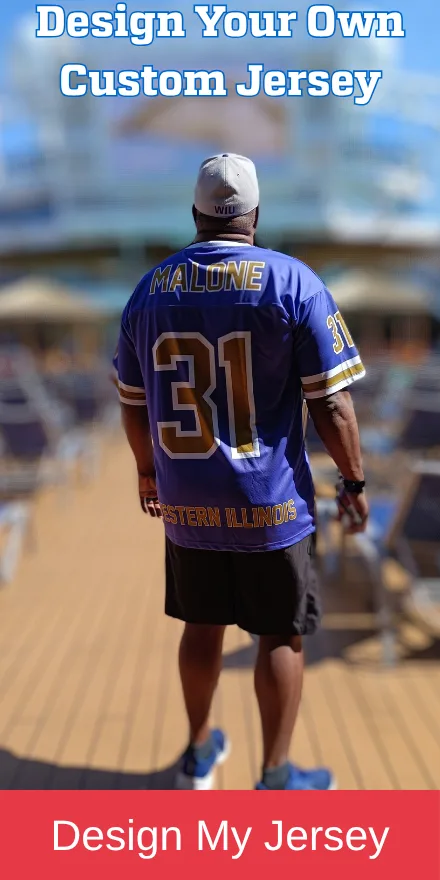
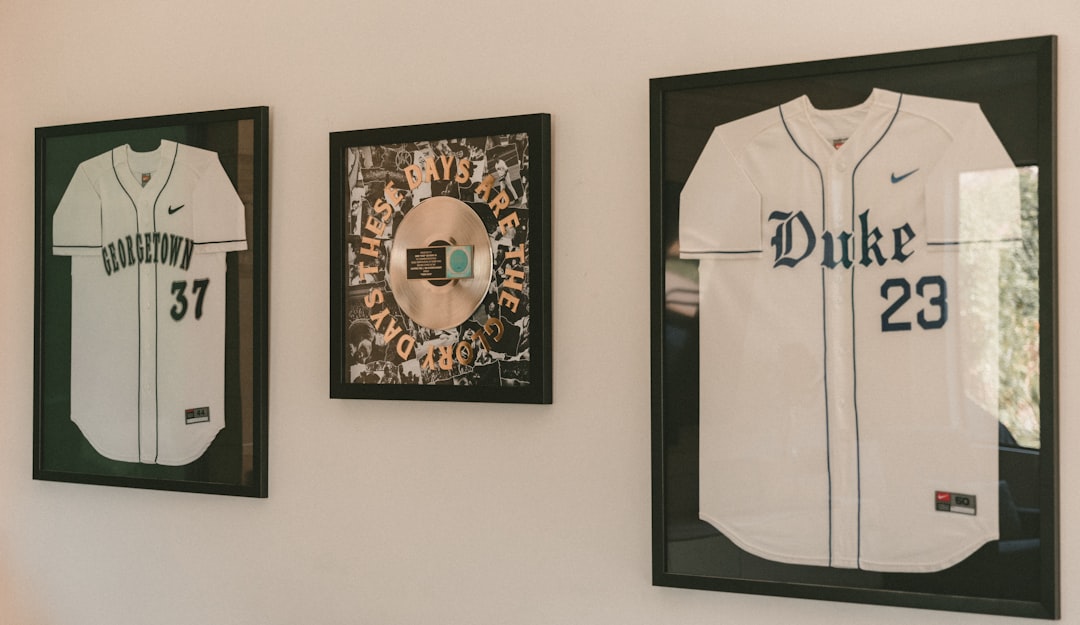
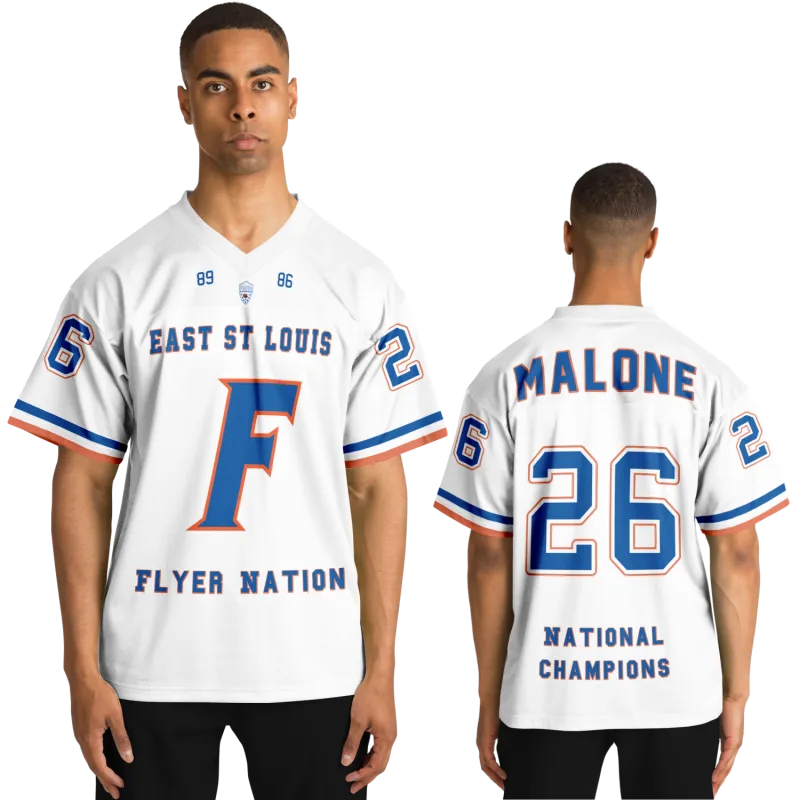
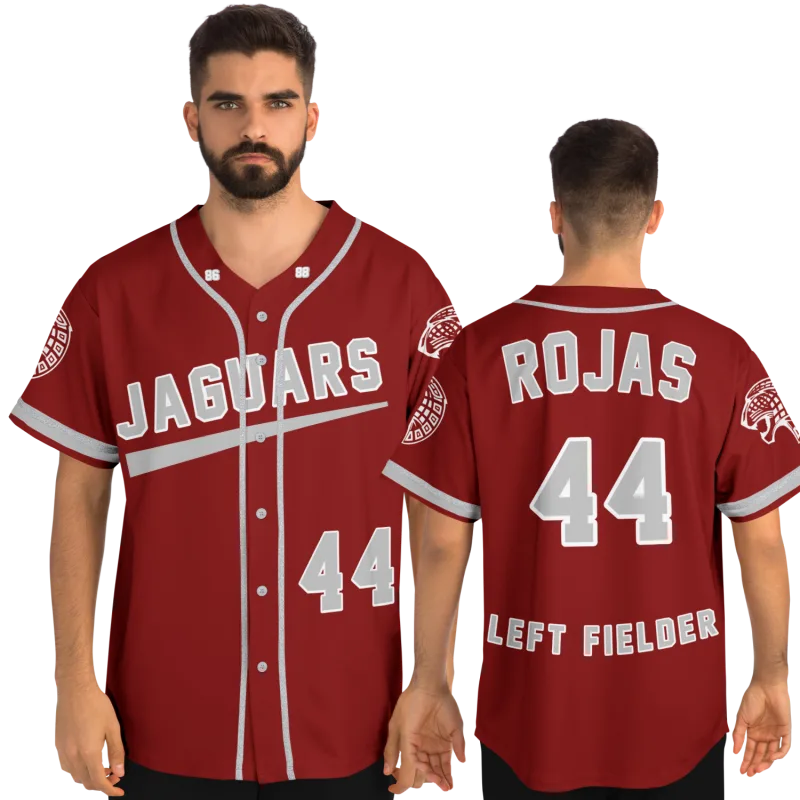
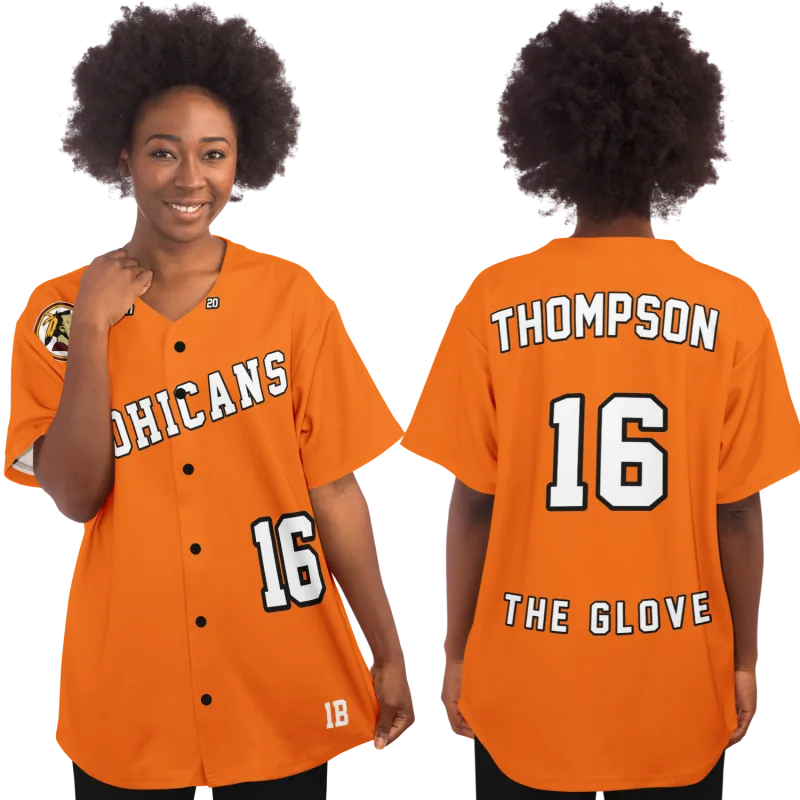
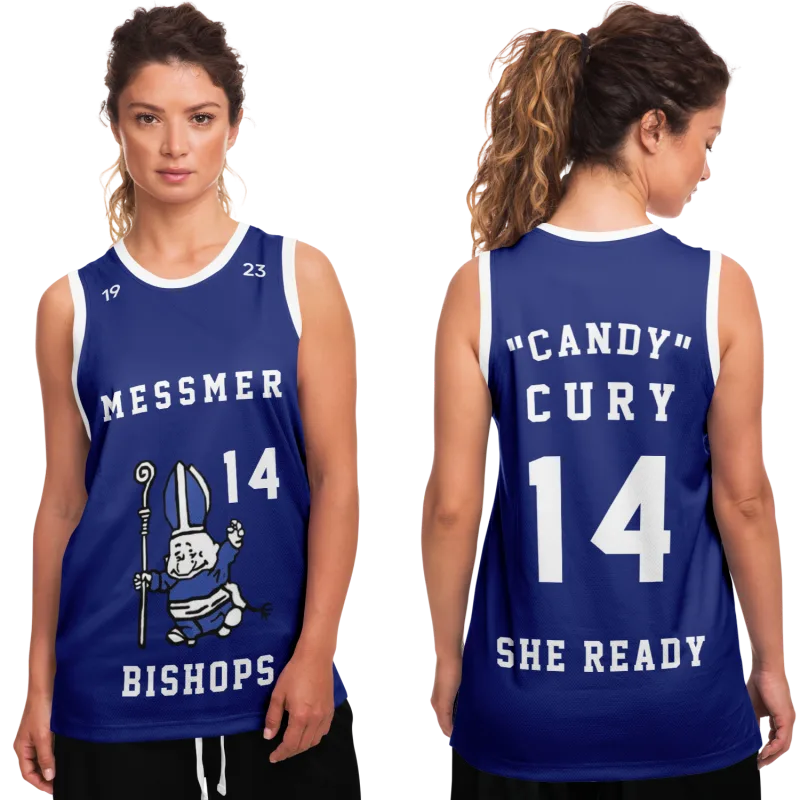
Every former athlete remembers the first time they saw a jersey framed on a wall and felt it — that quiet understanding that what happened on that field, that court, that ice, actually mattered enough to preserve. Not as nostalgia. As evidence.
A custom jersey is different from a poster or a trophy. It has your name on it. Your number. The specific combination that was yours and nobody else's for however long you played. Jersey display and framing done properly means that combination lives on the wall the way it deserves — flat, vivid, protected, and real — not crumpled in a bin or faded from the wrong kind of light.
This guide covers the ways to display jerseys without ruining them: shadow boxes versus standard frames, UV-resistant glazing, how to hang without damage, pinning versus alternative mounting, and the preservation mistakes that quietly ruin jerseys over years. Whether your jersey is brand new or twenty years old, the principles are the same.
Why Jersey Preservation Starts Before You Mount Anything
There's a version of this that a lot of people skip — the preparation stage — and it's the reason jerseys that looked great on mounting day look faded, wrinkled, or distorted three years later.
Before anything goes on a wall, the jersey needs to be clean, dry, and stored flat or loosely folded in a climate-controlled space. Even a jersey you've never worn can carry manufacturing residue, moisture from shipping, or oils from handling. Any of those, sealed inside a frame, will accelerate fabric degradation.
Two things to do before display:
- Hand-wash gently in cold water with a pH-neutral detergent, then lay flat to dry completely. Never machine-dry before framing — heat sets creases permanently and can warp synthetic fabrics.
- Let the jersey breathe for at least 24 hours in a room-temperature space before framing. Framing a jersey that still holds any ambient moisture creates a closed environment where that moisture has nowhere to go.
If the jersey has embroidered lettering or heat-pressed numbers, avoid any ironing directly on those surfaces. A pressing cloth on the reverse side at low heat can remove wrinkles from the body of the jersey without risking delamination of the graphics.
This stage isn't glamorous. But it's the difference between a jersey that looks pristine at year ten and one that shows its age in year two.
Shadow Boxes: The Gold Standard for Custom Jersey Display
If you've spent time in athletic facilities, alumni rooms, or the homes of people who played seriously, you already know what a shadow box looks like. It's the deep-set frame — typically two to four inches of interior depth — that creates the dimensional display that a flat frame can't replicate.
Shadow boxes work for jerseys because jerseys are not flat objects. They have weight, texture, and construction details — stitching, mesh panels, collar structure — that a standard frame compresses and hides. The depth of a shadow box lets the jersey maintain its natural form while being fully enclosed and protected.
Choosing the Right Shadow Box Depth
The depth you need depends on how the jersey is mounted inside the box:
- Flat mount (jersey laid flat): A two-inch depth is sufficient. The jersey lies against the backing without the front glazing pressing into it.
- Shaped mount (jersey on a foam form or backing board cut to jersey shape): Three to four inches of depth. This gives the jersey a three-dimensional presence and is especially effective for mesh or heavyweight fabrics.
- Jersey plus memorabilia (photos, patches, small items displayed alongside): Four inches minimum. Any shallower and the items compete with each other visually and may press against the glass.
Backing Materials That Don't Damage Fabric
The backing inside the shadow box is in direct, sustained contact with the jersey fabric. The wrong material causes discoloration, chemical transfer, or fabric breakdown over years.
Use: - Acid-free foam board (archival grade) - Acid-free mat board in a neutral color that contrasts the jersey - Unbleached cotton batting covered in acid-free fabric for shaped mounts
Avoid: - Standard cardboard (acidic — causes yellowing over time) - Foam that is not rated archival or acid-free - Dyed fabric backings where dye transfer is possible, especially with white or light-colored jerseys
The color choice for the backing matters more than most people expect. A dark navy jersey on a white backing creates high visual contrast and reads well across a room. A white or light jersey against a dark backing has the same effect. Matching the backing color to the jersey color flattens the display — the jersey disappears into itself.
Standard Frames vs. UV-Resistant Glazing: What the Difference Actually Is
This is where a lot of jersey displays go wrong — not in the framing choice but in the glazing. The glazing is the transparent front panel of the frame or shadow box, and it's the primary variable that determines how long your jersey's colors remain accurate.
Standard glass transmits roughly 90% of UV radiation. Over months of exposure to room light — not even direct sunlight, just ambient indoor light — UV radiation degrades synthetic dyes and causes fading. Red and yellow are typically the first to shift. Blues go next. After several years under standard glass, a jersey that was vibrant at mounting looks muted and uneven.
UV-resistant glazing — either UV-filtering glass or acrylic — blocks between 97% and 99% of UV radiation. The Library of Congress recommends UV-filtering glazing for all framed textiles and photographic materials, and the same principle applies directly to sports jerseys.
Glass vs. Acrylic: The Trade-Off
Neither is universally superior. The right choice depends on how the display will be used and where it will live.
Glass: - Heavier — better for large frames that need rigidity - Scratch-resistant — stays clear longer in high-traffic spaces - Higher optical clarity — colors appear more accurate - Breaks on impact — a liability in households with kids or in rooms where the frame might be moved frequently
Acrylic (museum-quality): - Lighter — easier to handle, less wall stress for large frames - Does not shatter — significantly safer - Can develop surface static that attracts dust — requires specific cleaning products - Slight optical distortion in lower grades — buy museum-quality acrylic, not standard
In our experience, acrylic is the better choice for most custom jersey displays. The combination of lighter weight, safety, and equivalent UV protection makes it more practical than glass for the typical home setting. The key is buying museum-quality acrylic — the optical clarity difference between museum grade and standard acrylic is significant and visible.
Pinning vs. Alternative Mounting Methods
The question of the best way to mount a jersey inside a display frame is one of the most consequential decisions in the process — and it's one that most frame shop discussions skip.
Pinning: What It Is and When It Works
Traditional jersey mounting uses stainless steel pins pushed through the fabric into the backing board. The jersey is spread to its natural dimensions and pinned at key structural points — shoulder seams, side seams, hem, and collar.
When done correctly, pinning holds the jersey without distortion and is fully reversible — pins can be removed without damage to the jersey if you ever want to reframe or repurpose it. When done incorrectly, it creates stress points at the pin sites that can stretch or tear the fabric over time, especially in mesh materials.
If you pin:
- Use only stainless steel pins — standard straight pins are ferrous and will rust and stain fabric over months.
- Pin through seam allowances and structural seam lines whenever possible, not through the main fabric panels.
- Space pins no more than two inches apart along edges to distribute tension evenly.
- Never pull the jersey tight to fill the frame — mount it at its natural relaxed dimensions.
Non-Penetrating Mounting Alternatives
For jerseys you want to preserve without any pin penetration — particularly valuable or irreplaceable custom jerseys — non-penetrating mounting options are worth the additional effort.
Hook-and-loop fabric tape (archival grade): Strips of archival-safe hook-and-loop are adhered to the backing board, and the jersey drapes over them. The jersey is held in place by gentle friction, not puncture. This method works best for heavier fabrics that have enough weight to stay in position.
Sewn fabric sleeve mount: A custom-cut backing panel of acid-free fabric is sewn to create sleeves at the shoulder and hem of the jersey. The jersey slides onto the sleeve mount, which is then pinned to the backing. Zero contact with the jersey fabric itself. This is the archival standard for textile museums and is appropriate for jerseys of significant personal value.
Gravity-hang rod mount: A thin rod (often acrylic or stainless steel) threaded through the collar or a sewn sleeve at the jersey's top hangs the jersey from a fixed point inside the shadow box. The jersey hangs naturally under its own weight. This method works well for structured jerseys but can cause collar distortion in lightweight fabrics over time.
How One Former Athlete Displays a Career in Two Frames
Marcus D., 38, played four years of college lacrosse before a knee injury ended his playing career in his junior year. He had his college jersey — the one from his last game — sitting in a storage box for nearly a decade before his wife gave him a custom jersey through iPlayedFor for their anniversary. He mounted both in a paired shadow box display in his home office: the original under archival conditions using a sleeve mount, the custom jersey pinned flat beside it. The pair tells the story better than either jersey could alone.
Where to Hang It: Location, Light, and Environmental Factors
The frame and mounting choices matter. The location matters just as much.
Light Exposure
Even with UV-resistant glazing, direct sunlight is a long-term enemy of fabric preservation. UV-resistant glazing reduces UV transmission significantly — it does not eliminate it. A jersey mounted in a south-facing window that gets six hours of direct sunlight daily will show more fading at year ten than the same jersey in a north-facing room with ambient light, even with identical glazing.
The rule: Maximize UV-resistant glazing. Minimize direct sun exposure. Both levers pulled in the right direction together extend the display life significantly.
Humidity and Temperature
Humidity fluctuation is harder to see than light damage, but it causes significant long-term harm to fabric. Synthetic jerseys are more resistant to humidity damage than natural fiber textiles, but significant fluctuation — particularly in spaces that go from dry to damp seasonally — causes fabric to expand and contract repeatedly, stressing the mounting points.
Spaces to avoid: - Garages (temperature and humidity extremes) - Basements without climate control - Bathrooms and laundry rooms - Exterior walls in climates with extreme winter temperatures, where the wall itself may conduct cold
Spaces that work well: Interior walls in climate-controlled rooms. Home offices, living rooms, bedrooms, and dedicated athletic memorabilia rooms all provide the stable temperature and humidity that extend display life.
Wall Anchoring
A shadow box with a mounted jersey is heavier than it looks, particularly with a thick backing board and glass glazing. A standard picture hook rated for the frame's weight is the minimum. For frames wider than 24 inches or heavier than 15 pounds, use two anchor points — either two hooks or a French cleat system that distributes weight across a broader wall section.
Drywall anchors rated for the frame weight are appropriate for installations where a stud is not accessible. Never use adhesive strips for frames above 5 pounds — adhesive-based hangers are not rated for the sustained weight and the consequences of failure are immediate and expensive.
Preservation Dos and Don'ts: The Complete Reference
The full picture of jersey preservation isn't complex, but it requires consistency. A jersey displayed correctly for five years and then left in direct sun for one summer loses ground quickly.
Do: - Clean the glazing with appropriate products — glass cleaner for glass, acrylic-safe cleaner only for acrylic (standard glass cleaners scratch acrylic surfaces) - Check the backing and mounting points annually for any signs of distortion, rust (pin-mounted displays), or fabric stress - Re-seal the shadow box backing panel if the original seal shows any gap — dust infiltration inside the frame is both cosmetic and preservation-relevant - Store the mounting hardware specifications somewhere accessible — if the jersey ever needs reframing, having the original dimensions and pin layout makes reinstallation accurate
Don't: - Mount a jersey that has any remaining moisture, cleaning product, or odor treatment on it — sealed environments trap everything - Use standard masking tape, regular adhesive, or non-archival materials anywhere inside the frame - Hang a heavy frame on a single small nail without confirming the nail is in a stud or supported by an appropriate anchor - Assume the original packaging a frame arrived in is suitable for long-term storage — it usually isn't, and eventually the cardboard acidifies
Your jersey is still out there waiting.
Design yours in minutes and see your name and number exactly the way you remember it.
Frequently Asked Questions
Can I display a custom jersey the same way I would display an authentic or vintage jersey?
Yes — the same principles apply regardless of whether the jersey is custom-made, vintage, or an original. The fabric type and construction details may vary, but the core requirements are identical: acid-free backing, UV-resistant glazing, climate-stable environment, and a mounting method that doesn't stress the fabric. Custom jerseys made from modern sublimated polyester are actually somewhat more durable in display conditions than vintage cotton jerseys, which are more susceptible to humidity and UV damage.
How do I choose between a single-jersey shadow box and a display that includes other memorabilia?
Lead with what you want the display to say. If the jersey is the complete story — it represents a season, a career, or a specific moment — a single-jersey display in a well-chosen shadow box is the strongest presentation. If the jersey is part of a larger narrative that includes photos, patches, a game program, or other items, a larger shadow box with deliberate layout planning lets each element contribute without competing. The guiding principle is that nothing inside the frame should visually distract from the jersey itself. If a secondary item is pulling the eye away from the jersey, the layout needs to be reconsidered.
Is professional framing worth the cost for a custom jersey?
It depends on what the jersey represents and how precise you want the result. A professional frame shop with experience in sports textile mounting can source appropriate archival materials, offer more backing color and glazing options than most retail frame kits, and execute mounting techniques — particularly sewn sleeve mounts — that are difficult to replicate at home. For jerseys of significant personal value, the investment in professional framing is justified. For standard custom jersey display where the goal is a clean, protected presentation rather than archival-level preservation, a quality retail shadow box with the correct archival materials produces results that are difficult to distinguish from professional work. The critical variable is the materials — archival-quality components matter more than who assembles them.
Will the colors on a custom sublimated jersey fade over time even with UV-resistant glazing?
All dyes fade over sufficient time — UV-resistant glazing significantly extends the timeline but does not stop the process entirely. Sublimation printing bonds dye directly into the polyester fiber, which makes it more fade-resistant than screen-printed or heat-transfer graphics. Under UV-resistant glazing, away from direct sunlight, in a climate-stable environment, a well-made sublimated custom jersey should maintain accurate color for many years without visible degradation. The combination of museum-quality acrylic glazing, indirect light, and stable temperature and humidity provides the best achievable long-term result in a typical home display setting.
See also: personalized sports gifts that actually feel meaningful | a custom jersey as a birthday gift for a former athlete | building a custom sports shadow box | what to do with your old varsity letter jacket | the emotional weight behind high school sports gifts