

The last game is over. The equipment bag is by the door. The car smells like grass and sunscreen and something that probably needs to be washed by tomorrow.
Somewhere between the parking lot and the kitchen, a thought settles in: this deserves something. This year deserves something.
Finding the right end of season gift for athletes is not about price. It's not about tracking down the most impressive item in a catalog. It's about understanding what a season actually is — and what it means to a young person who gave theirs to a sport, a team, and a coach who believed in them.
This guide is for coaches who lose sleep figuring out how to honor every kid on a roster with equal care, and for parents who want to give something that still matters long after February. There is a real difference between a gift that marks the occasion and a gift that marks the person.
Here's how to find the second kind.
What a Season Actually Is (And Why the Gift Has to Match It)
Every former athlete remembers the last game of a season differently. Some remember the final score. Some remember the locker room afterward. Some remember the ride home — the silence, or the music, or a coach's voice still running through their head on the drive.
What they almost never remember is the trophy.
Not because trophies are bad, but because trophies mark the outcome of a season. The best gifts mark the experience of one. There is a difference, and it matters more than most coaches and parents realize.
A season is months of early alarms and Thursday night practices and believing in something enough to show up even when it's cold. It's a particular group of people who did something hard together. It's the game where everything went wrong and the one where everything clicked. It's the moment a kid discovered something about herself she didn't know before.
That's what you're memorializing. Not a record. Not a ranking. A chapter.
Research on youth sports participation consistently shows that what young athletes carry forward from their playing years is relational and emotional, not statistical. According to the Aspen Institute's Project Play initiative, the primary reasons young athletes stay in sports — and the primary reasons they remember those years with fondness — center on fun, friendships, and feeling supported by coaches and parents. The scoreboard fades. The feeling of mattering stays.
The gift that actually lands — the one that gets kept, carried, and talked about decades later — is the one that somehow holds the weight of that chapter. When you frame your search that way, the options clarify fast.
The Trap Most Coaches and Parents Fall Into
The most common gifting mistake is defaulting to the universally acceptable over the specifically meaningful. A gift card works. A water bottle is fine. A generic medal goes into a drawer.
None of those things are wrong. They're just neutral. And a season's end is not a neutral moment.
The trap is assuming the safest gift is the one no one could object to. But the most memorable gift is almost always the one that is specific — specific to this team, this kid, this year, this story.
Specificity is what separates a gift from a gesture.
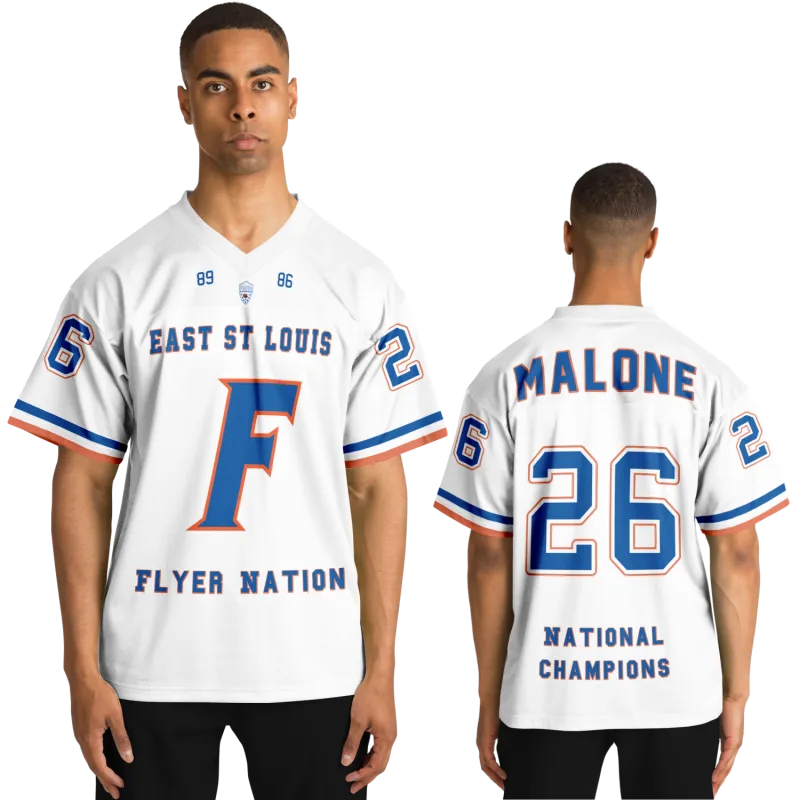
Here is how it plays out in practice. Two coaches both give gifts to their teams at the end of the season. One orders a set of identical medals from a sporting goods website. The other coordinates with parents to get each athlete's name and number on a custom jersey in team colors. Two decades later, the athletes from the second team still have theirs. The medals from the first team are mostly gone.
The investment wasn't necessarily bigger. The intentionality was.
Four Categories of Meaningful End-of-Season Gifts
Not every gift fits every situation. The right choice depends on budget, team size, age group, and what the season actually meant. Here are four categories worth considering — and what each one communicates to the athlete who receives it.
1. Gifts That Carry Identity
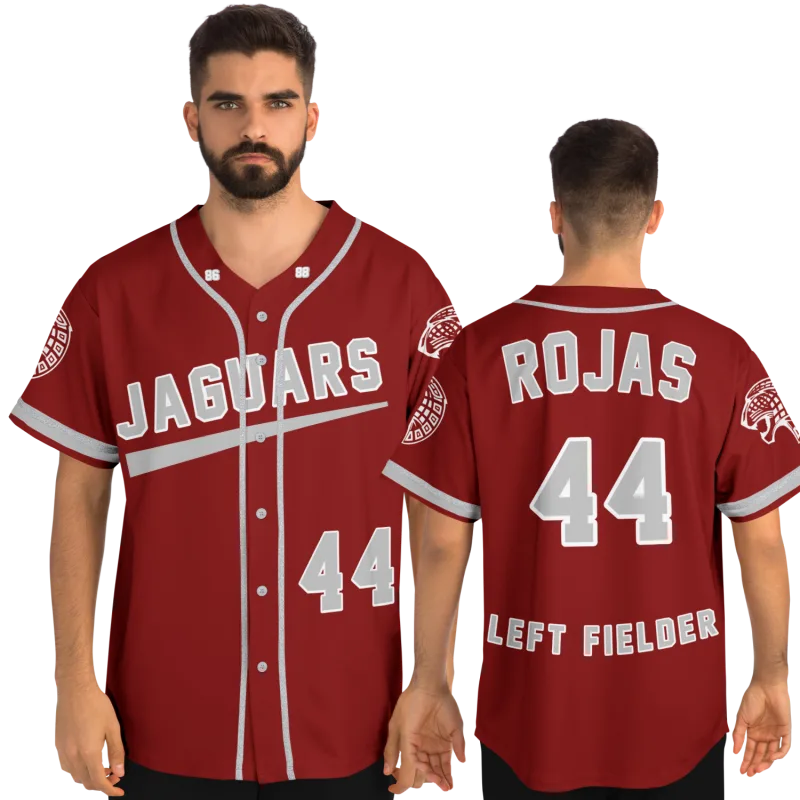
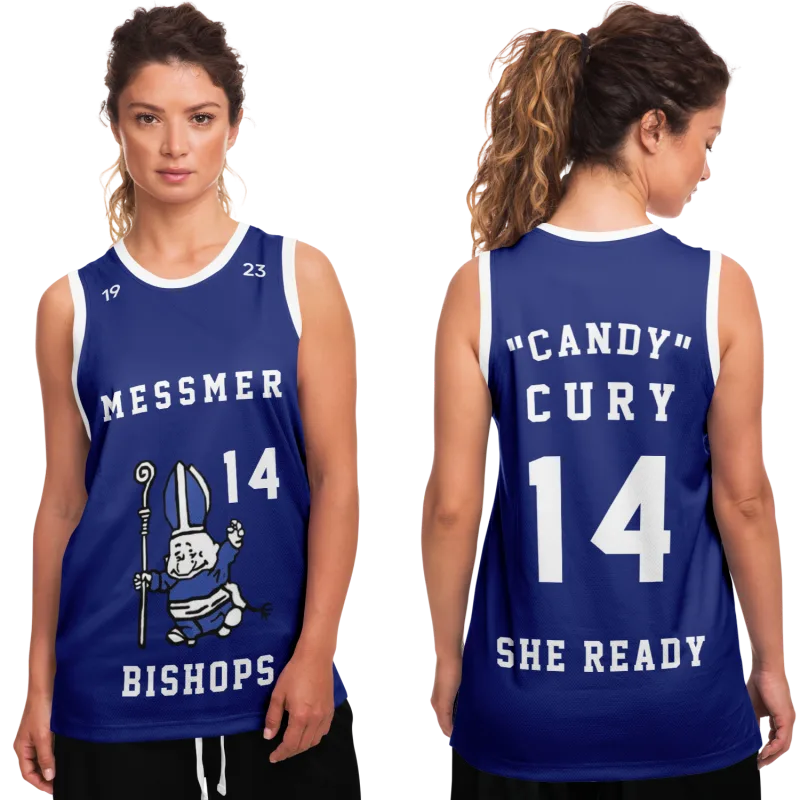
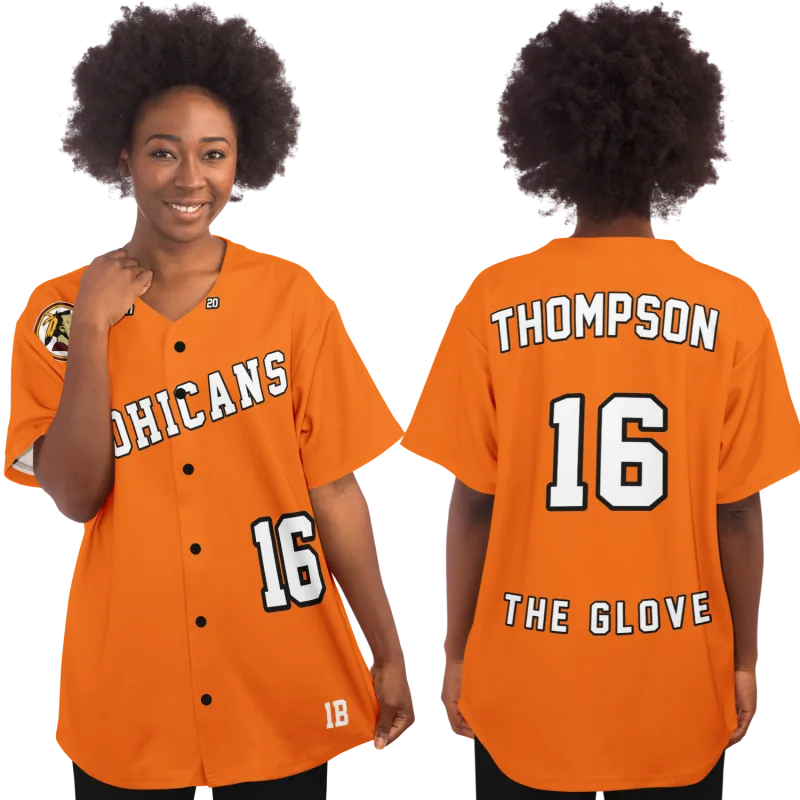
These are gifts the athlete can wear, display, or carry — gifts that say this is who you are rather than here's what you achieved. Custom jerseys fall here. So do personalized equipment bags, warmup gear with a name and number, or framed team photos with individual captions.
What they communicate: You are part of something real. This team has your name on it.
Identity gifts work especially well for athletes in their first or second year of organized sports — when the identity of "I am a basketball player" or "I am a swimmer" is still forming. Holding something with your name and number on it at age nine is not a small thing. It is the beginning of a story.
2. Gifts That Capture the Moment
Scrapbooks, photo books, highlight videos, framed action shots. These gifts don't look forward — they look back at a season that is now, permanently, the past. Their power is in the act of preservation: this happened, and it mattered enough to keep.
What they communicate: We saw you. We documented it. It exists now.
Parents often underestimate how much young athletes want to be seen — not just praised, but genuinely witnessed. A well-made photo book from a season does that. A video compilation of the team's best moments does that. These are gifts that grow quieter and more meaningful as the years pass.
3. Gifts That Acknowledge the Effort
Sometimes the most honest gift is the one that simply names what it took. A handwritten letter from a coach. A card signed by the whole team. A journal with a personal note inside the cover. These cost almost nothing and require only attention and honesty.
What they communicate: I noticed. I was paying attention the whole time.
If you played, you know that coaches who actually watch you — who see the small things, the hustle plays, the moments that don't show up on a stat sheet — are rare. Being told, in writing, that those things were seen lands differently than anything you can order online. The Positive Coaching Alliance, which has worked with youth sports organizations across the country for decades, consistently points to specific, honest recognition from coaches as one of the most lasting contributors to an athlete's sense of self-worth and continued participation in sport.
4. Gifts That Extend the Story
These are forward-facing gifts. Training gear for next season. A book about a great athlete in the sport. A session with a skills coach. They say: this is not the end. This is a rest stop.
What they communicate: I believe in what comes next for you.
For athletes who struggled during the season — who are still finding their footing — these gifts can be quietly transformative. They reframe the close of a chapter as the beginning of preparation. They carry particular weight coming from a coach the athlete genuinely respects.
The Custom Jersey: Why It Works Across Every Age and Sport
Of all the end-of-season gifts, the custom jersey is the one that works most consistently — across sports, age groups, and budget ranges. Here is why.
Jerseys carry specificity in a way almost no other gift does. A jersey with a name and number is not generic. It cannot be confused with a participation trophy or a consolation prize. It is the athlete's name. Their number. Their sport. Made real and tangible in a form that can be worn.
They age differently than other gifts, too. A trophy is impressive at eleven and awkward at thirty. A jersey at thirty is something you pull out of a drawer and feel something real about. It's a physical artifact of a time in your life when your whole world was the field, the court, or the pool.
The practical case for coaches: Custom jerseys solve one of the hardest problems in team gifting — how do you give something to fifteen athletes that feels individual without managing fifteen separate budgets? A jersey with each athlete's own name and number is both uniform (everyone receives the same type of gift) and uniquely personal (no two are identical). That balance is nearly impossible to achieve with any other gift category.
The practical case for parents: For a parent watching their child finish a season, the jersey functions as the thing the kid actually keeps. Not because parents told them to. Because kids want to. There is something about wearing your own name on the back of a jersey that creates ownership — over the sport, over the identity, over the memory.
A Story That Gets This Right
Maria C., 41, has coached youth volleyball for over a decade. At the end of one particularly difficult season — marked by injuries, a tough schedule, and a team that had to grow up fast — she sat with the question of what to give her girls that would actually mean something.
She ordered custom jerseys for each player, numbered the way they had worn them all season, with the team name across the chest. Inside each bag, she placed a handwritten index card with a single specific observation about that athlete. No generic praise. One real, witnessed thing per card.
The jerseys became what those girls called "the real one" — the one that carried meaning, versus the official uniform that got turned back in. Several of her former players reached out years later to say they still have it.
That's the distance between a gesture and a gift.
How to Approach Budget Without Sacrificing Meaning
The assumption that meaningful gifts require large budgets is worth examining directly. Meaning is almost always a function of specificity and timing — not price.
Here is a framework by budget range:
Under $30 per athlete: A handwritten letter plus a framed team photo (printed at a local pharmacy) hits both the "documented" and "witnessed" notes at once. If the letter is genuinely specific — one real, observed thing per athlete — this combination outperforms many gifts that cost considerably more.
$30–$75 per athlete: Custom jerseys become accessible at this range, especially when ordered as a team set. This is where the identity gift becomes practical for most youth sports programs. The investment per athlete is meaningful without being prohibitive.
$75 and above per athlete: At this level, combining a custom jersey with a personal note, a photo book, or a forward-facing training gift creates a layered experience. The athlete receives something that marks who they are, what they did, and what they might become.
The real variable is not dollars. It's the twenty minutes a coach or parent spends deciding what to say about this specific kid — and then actually saying it.
What to Write When You Give It
This part gets skipped more often than it should.
The gift alone does a lot of work. But the words that accompany it can turn a good gift into the kind of memory that surfaces in speeches decades later.
Whether you're a coach writing a card for each athlete or a parent handing your child something at dinner, the words need to do one thing: be specific. Don't describe the season in general terms. Name one thing — one play, one moment, one quality you watched develop — and say it plainly.
"I watched you get up after every hard play this season and come back to the huddle ready. That's not a small thing. That's who you are now."
Thirty seconds to write. Remembered for thirty years.
Timing: When the Gift Lands Hardest
Most end-of-season gifts are presented at the final team gathering — the pizza party, the banquet, the last practice. That timing works. But there are two other moments worth considering.
The first is immediately after the final game, before the team disperses. Catching athletes in the emotional weight of that last moment — when they still carry the game on them — means the gift arrives at peak resonance. It becomes part of the final memory, not an addition to it.
The second is a week later, once the season has settled. A gift that arrives after the immediate emotion has passed can serve as a reminder that the season mattered even after the noise is gone. For athletes who process slowly — or who had complicated feelings about how the season ended — the delayed gift sometimes lands harder than the immediate one.
The National Alliance for Youth Sports has long emphasized that the close of a season is one of the most formative moments in a young athlete's relationship with sport. How it is marked — or left unmarked — shapes whether they come back next year with energy or with ambivalence.
Your jersey is still out there waiting.
Design yours in minutes and see your name and number the way you remember it.
Frequently Asked Questions
What makes an end-of-season gift actually meaningful versus appreciated only in the moment?
The difference almost always comes down to specificity. A gift that could have been given to anyone is appreciated. A gift that could only have been given to this athlete, after this season, because of something specific that was noticed and named — that is meaningful. The form matters less than the intentionality behind it. A handwritten card with one real, witnessed observation will outlast a generic trophy in almost every case.
How do custom jerseys work as gifts for a full team — is it practical at scale?
Ordering custom jerseys as a team set is often more practical than managing individual gifts, because the per-unit cost decreases with volume and the process is handled in a single transaction. Most custom jersey services allow you to submit a full roster with names and numbers, select team colors, and receive the complete set. The result is a gift that is both uniform — everyone receives the same type of thing — and uniquely personal, since no two are alike.
What if the season didn't go well — is a celebratory gift appropriate after a difficult year?
Almost always yes — but the framing matters. A gift that celebrates effort, growth, and presence rather than outcome honestly honors a difficult season without pretending it was something it wasn't. Language like "I watched you compete hard every single week" or "This team stayed together through a lot" names the real story. Athletes who struggled most during a season often need that recognition more than those who thrived.
At what age do end-of-season gifts have the most lasting impact?
The years between nine and sixteen tend to be when identity-forming gifts hit hardest — when seeing your name on a jersey or reading a coach's specific words about you is genuinely formative. That said, meaningful recognition matters at every age. Adult recreational athletes remember honest acknowledgment just as vividly as youth athletes do. The form may change; the underlying need to be seen doesn't.
See also: personalized gifts that make a former athlete feel truly seen | why high school sports moments carry so much emotional weight long after graduation | a custom sports shadow box built around their career highlights | the grief that quietly comes with playing your last game | what senior night really means to the athletes standing on that field