

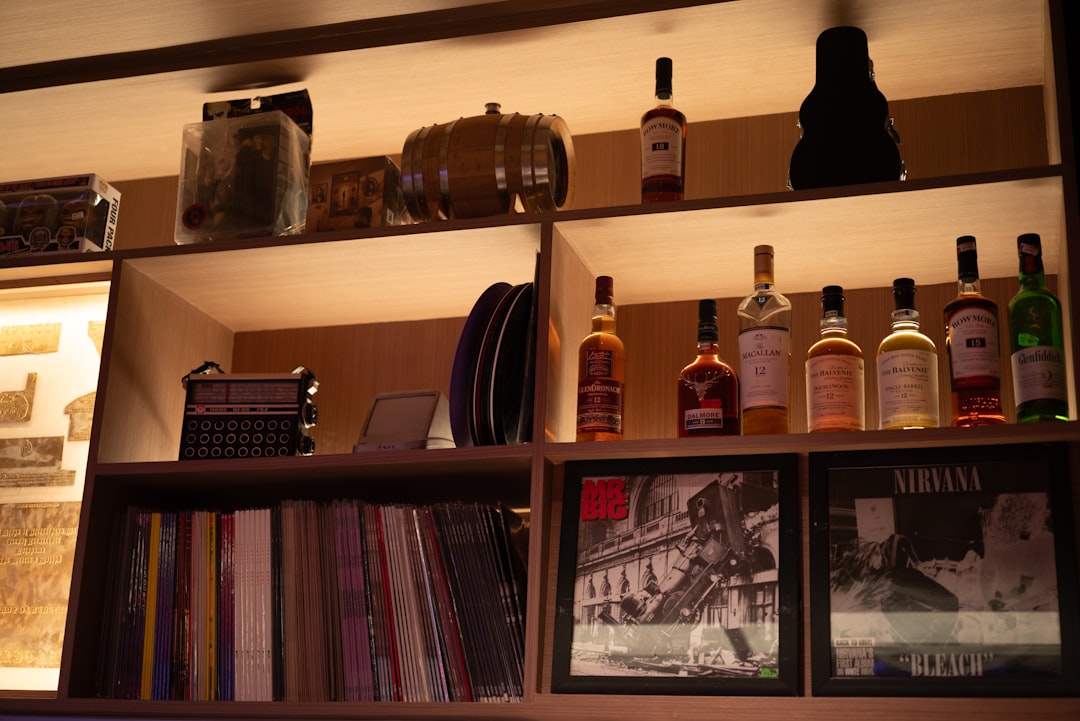
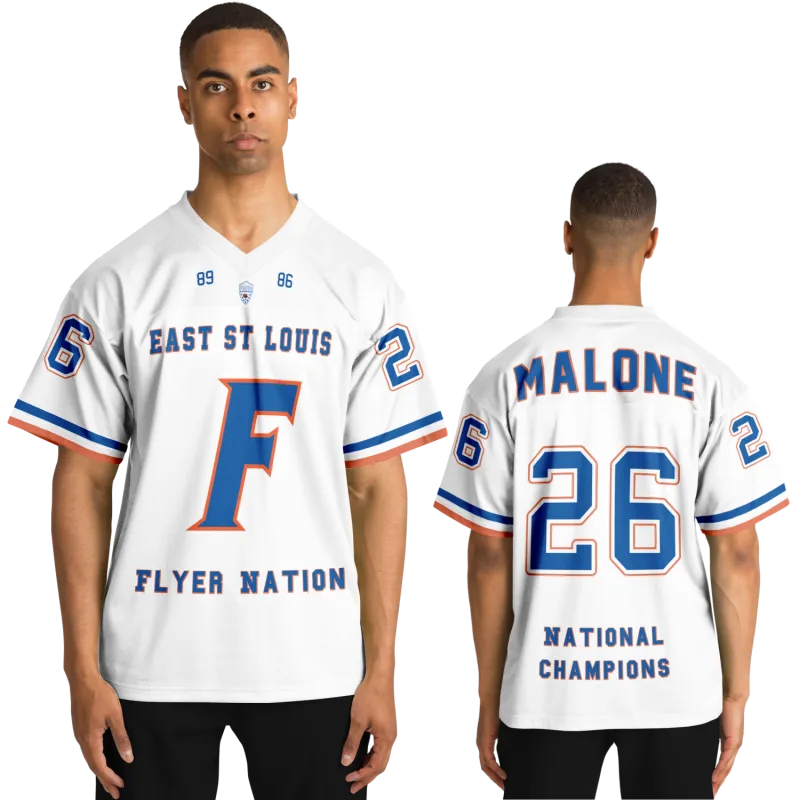
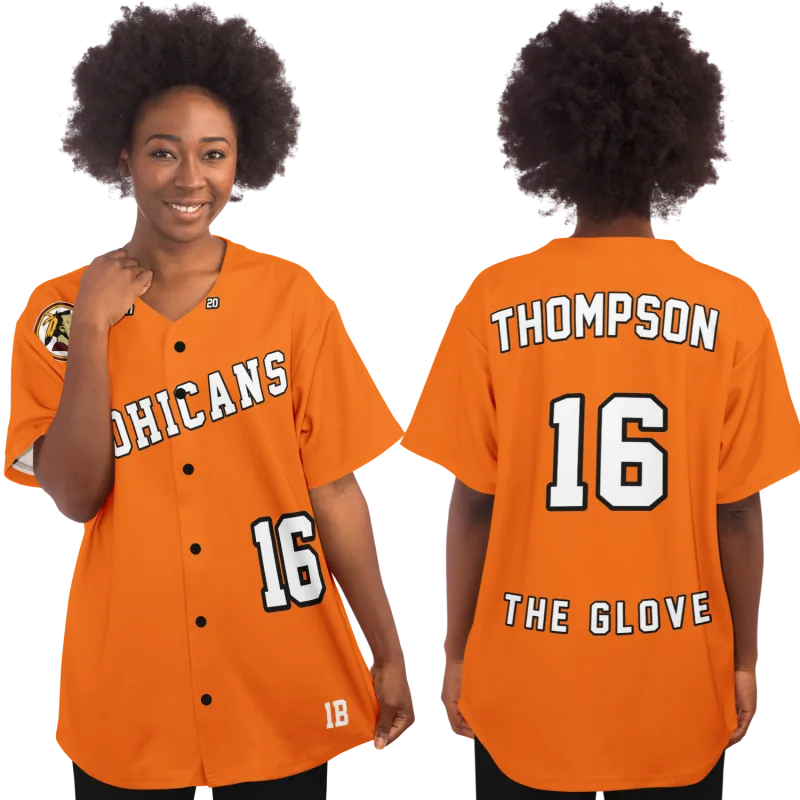

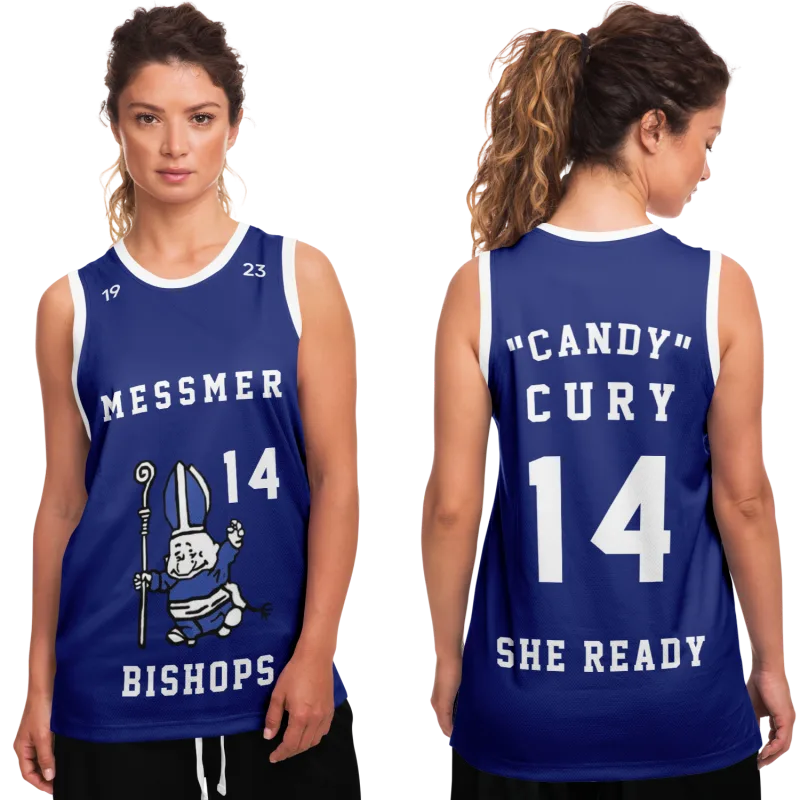
A good man cave jersey display is one of the few things in a room that stops people mid-sentence — but the jersey earning that wall space is probably sitting in a plastic bin on the top shelf of your attic right now, right next to a pair of cleats you haven't touched since graduation.
You know which bin. You've moved around it a dozen times without opening it. You know what's inside without looking. That jersey. Maybe a senior night photo. A program from the regional game.
Every time you walk past it, something flickers — not regret, not sadness. More like the specific weight of who you were on a Friday night when your number was known in the stands and your name was on a roster that mattered.
That feeling is trying to tell you something.
Getting it on the wall — the right way, in the right room — is what this article is about.
The Jersey Holds More Than Fabric
Here is what's actually folded in that bin: the version of you that competed in front of people, that had a number called out when you made the play, that belonged to something with a name and a record and a season that still gets talked about at reunions.
Sports psychologists who study athletic identity — including researchers at the University of Missouri's Life Span Development lab — have documented that former competitive athletes carry their sport identity well into adulthood, even when the playing years ended in high school. It doesn't expire. It gets misplaced.
The man cave, the finished basement, the home office — these are the rooms where former athletes eventually land. They're personal rooms, earned rooms. The kind of rooms where a framed jersey on the wall isn't decoration. It's a restoration of something that was always real.
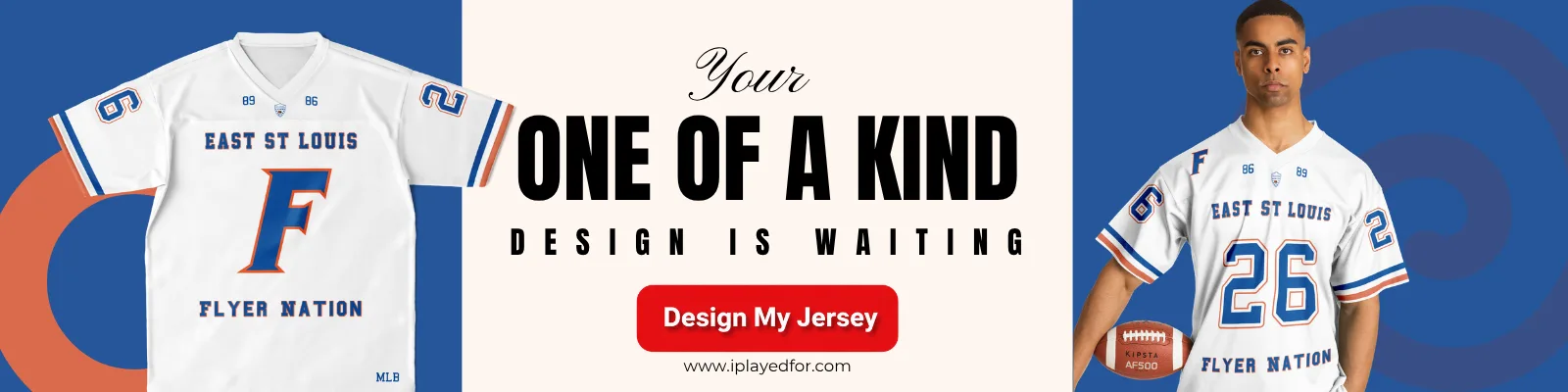

Putting it up isn't vanity. It's giving the story somewhere to live.
Four Ways to Display a Jersey — What Each One Actually Looks Like
Not all man cave jersey display approaches produce the same result. The method you choose changes the entire feel of the wall — and the difference between something that looks intentional and something that looks like an afterthought is almost entirely in this decision.
In our experience, former athletes land in one of these four approaches, and each one has a completely different visual and emotional register.
1. The Shadow Box Frame
This is the full presentation: jersey mounted behind UV-protective acrylic, with additional memorabilia — a game photo, a patch, a program cover — arranged in the surrounding space. Shadow boxes run 2–4 inches deep, which lets the jersey sit without being compressed against the glass.
What makes this approach work is the depth. You're not looking at something flat — you're looking into something. It reads as permanent, curated, considered. A shadow box on the wall of a man cave communicates that this mattered enough to preserve properly.
What to look for: acid-free backing material to prevent yellowing over time, UV-acrylic glazing rather than standard glass (look for glazing rated to block 90% or more of UV radiation) to block color-fading wavelengths, and a frame depth of at least 2.5 inches for adult-size jerseys.
2. The Floating Mount or Hanger System
A cleaner, more modern look — the jersey is suspended on a minimal acrylic rod through the collar or mounted on an invisible wall hanger, pressing flat against the wall with no frame around it. Gallery-style. Striking when lit correctly.
This approach works especially well in home offices and finished basements with a modern aesthetic. It's also more accessible in cost, and because the jersey isn't sealed behind glass, it can be taken down and swapped out without dismantling a frame.
One requirement: the jersey must be perfectly pressed before mounting. The floating approach eliminates the forgiving depth of a shadow box — any wrinkle or fold shows.
3. The Jersey Frame with Window Mat
A flat frame built for textiles — similar in profile to a standard picture frame, but with a window mat that creates visible separation between the jersey and the glazing. Total profile stays slim, usually 1–2 inches, which makes it the right call for smaller spaces or walls that already have other things on them.
The mat color is what makes or breaks this approach. Pull from the jersey's secondary color, or use a neutral charcoal. Avoid white mats with dark jerseys — the contrast competes with the numbers.
4. The Display Stand or Torso Form
For a man cave that functions more like an exhibit, jersey display stands — fabric torso forms on a weighted base — give the jersey a three-dimensional presence you can see from across the room. The number is fully visible at standing eye level. It reads like a trophy, not a frame. For a museum-grade presentation, a glass-front display cabinet with a torso form inside adds a gallery-level finish that protects the jersey from dust while keeping it fully visible.
This works best when the room has the square footage to support a freestanding piece, or when the athlete has more than one jersey to rotate. Alternating jerseys on a single stand keeps the room from feeling static.
Wall Placement — The Details That Change Everything
Getting the display method right is half the job. Getting the placement right is the other half, and this is where most jersey displays either land the way they should or disappear into the wall.
A few specifics that matter more than most guides acknowledge:
Jersey displays read better higher than standard art height. The common rule for hanging pictures — center at 57 to 60 inches from the floor — tends to make a jersey feel like it's crouching. Because jerseys are tall and narrow, they carry better when the top of the frame hits 65 to 68 inches from the floor, which centers the number at natural eye level when you're standing in the room.
Lighting is not optional — it's the difference. A jersey in ambient room light is a nice thing on the wall. A jersey with a directed picture light or recessed spotlight above it becomes the focal point of the room. Plug-in picture lights run $40 to $120 and represent one of the highest-return investments in any jersey display setup. For a budget-friendly alternative, LED strip lights ($15–40) can be mounted inside a shadow box frame or along display edges, producing a clean, modern glow at a fraction of the cost. In a dim man cave, the difference between a lit and unlit jersey display is not subtle — it's the difference between something you glance at and something guests walk toward.
The jersey needs context to tell the story. A jersey alone on a blank wall looks placed, not presented. A jersey flanked by a framed game photo, a mounted piece of equipment, or a shelf holding a game ball and a plaque looks like a collection — an argument that this chapter of your life was worth remembering. You don't need much. Two or three supporting pieces do what fifty square feet of negative space cannot.
Marcus's Basement, and What Happened the First Time Someone Walked In
Marcus T., 38, played wide receiver for his high school in central Ohio. His team went to regionals his junior year — a run that still comes up at every class reunion, every time someone who was in those stands sees someone else who was there. His jersey sat in a bin in the garage for eleven years.
His wife suggested framing it when they finished the basement. He almost dismissed it. "I thought it was going to look like a sports bar," he said. "Generic. Like I was trying too hard."
What he ended up with: a shadow box frame in dark walnut, number facing out, game photo mounted in the lower right corner, the whole thing centered on the main wall above his workbench. His kids ask about it by name now — they call it "the Ohio wall."
The first time his old teammates came over, one of them walked in, stopped, and said: "Wait — is that your actual jersey?" They talked about that season for two hours.
That's what a display does. It gives the story a door.
When the Original Jersey Is Gone
More people are in this situation than will usually admit it: the original jersey was lost in a move, given away, ruined in storage, never returned after a team photo, or simply didn't survive twenty-plus years in a bin. If you played in the eighties or nineties, there's a real chance it no longer exists.
That is not a reason to leave the wall blank.
Custom commemorative jerseys built to match your specific high school specifications — your name, your number, your school's colors — carry identical display value to the original. In many cases they display better, because the jersey can be mounted clean and pressed, where the original might carry decades of storage wear, fading, or fabric stress.
What makes a jersey work as a display piece is specificity: your name, your number, your colors. A generic jersey in the right color scheme is decoration. A jersey with your number on the back is yours.
At iPlayedFor, that specificity is precisely what we build — not general sports merchandise, but your jersey, matched to the number you wore, made to go on a wall.
Building the Rest of the Wall Around the Jersey
The jersey is the anchor. Every other element on that wall either supports it or competes with it. Getting this balance right is what separates a display that looks considered from one that looks cluttered.
What works alongside a jersey display:
- A framed action photo from a game — doesn't need to be professionally shot. A well-framed 8x10 from the stands, blown up slightly, can carry significant weight on the wall.
- A mounted piece of equipment — a football, a lacrosse head on a wall bracket, a hockey puck on a small display stand. Equipment adds physical dimension to what is otherwise a flat arrangement.
- A league or team plaque, a conference championship plate, or a team photo in a clean frame — these add historical grounding without competing with the jersey for attention.
- A single floating shelf below the display at waist height — it gives the whole arrangement a floor, a sense of being rooted rather than just hung.
What to avoid: crowding. The jersey display works because it's the focal point. Adding five frames, three trophies, a pennant, and a neon sign turns the wall into noise. One anchor. Two or three supporting elements. The negative space between pieces does more compositional work than most people give it credit for.
The Practical Checklist Before You Drill Anything
Run through this before the hardware comes out:
- Wash and press the jersey first. If it's been in storage, cold water on a delicate cycle, air dry flat, then a low-heat press. Wrinkles under glass are permanent. Do not frame a wrinkled jersey.
- Determine frame depth before you buy the frame. Buying the frame first and then trying to fit the jersey is how you end up with compressed fabric or a shadow box that won't close. Measure the jersey's folded thickness, then find the frame.
- Choose backing color before ordering. Pull from the jersey's secondary color, or use neutral charcoal. Avoid white backing behind dark jerseys — the contrast fights the numbers instead of framing them.
- Use painter's tape to mock the placement on the wall before drilling. Tape the outline of the frame, step back, and live with it for a day. The first instinct on placement is usually four inches too low and slightly off-center. The tape shows you before the holes do.
Your jersey is still out there waiting.
Design yours in minutes and see your name and number just the way you remember it.
Frequently Asked Questions
How do I display a jersey without damaging it?
The safest approach is a shadow box frame with acid-free backing and UV-protective acrylic glazing. UV acrylic blocks the specific wavelengths that cause color fade and fabric yellowing — this matters most for white or light-colored jerseys that would otherwise yellow over years of exposure to ambient light. Avoid pinning the jersey directly to a backing without a proper frame enclosure, and never position any jersey display in direct sunlight regardless of framing method. If the jersey has long-term sentimental value, acid-free materials throughout are non-negotiable. For additional conservation guidance, the George Washington University Museum's textile preservation standards cover museum-grade display and storage protocols.
What size shadow box do I need for a high school jersey?
Most adult-size high school jerseys fit a shadow box frame measuring 24 x 30 inches with a depth of 2.5 to 3 inches. Youth jerseys typically fit a 20 x 24 frame. If you're including additional memorabilia inside the same frame — a game photo, a patch, a program page — size up to a 30 x 36 or go custom. The reliable approach: lay the jersey flat, measure it, then add 3 to 4 inches on each side for the mat border before selecting your frame size.
Can a custom jersey be displayed the same way as the original?
Yes — and custom jerseys often display better. Original jerseys that have spent years in storage frequently have creasing, minor discoloration, or fabric wear that reads clearly under glass. A custom jersey built to your specifications — your number, your name, your school's colors — can be mounted in perfect condition, clean and pressed. The display result is identical to the original. The only thing that makes it yours on the wall is that it carries your number and your name. Everything else is framing.
Where is the best placement for a jersey display in a man cave?
The strongest position is centered on the wall you face when you walk into the room — the first surface that receives visual attention. If the room already has a primary focal point like a TV wall or a bar area, place the jersey display on the adjacent wall at a slightly elevated height, where it gets priority without competing with the room's main function. As a general rule, center the jersey's number at 66 to 68 inches from the floor for natural standing eye-level impact — slightly higher than standard art-hanging height.
What if I played multiple sports — can I display more than one jersey?
Yes, and the arrangement approach depends on available space. Two jerseys of the same size work well in matching shadow boxes hung side by side with a consistent gap between them — this reads as a deliberate pairing rather than an accumulation. Three or more jerseys work best in a vertical stack or a grid arrangement, with the sport you identify most strongly with in the center or top position. A single display stand with jerseys rotated seasonally is another option that keeps every jersey in active presence without requiring additional wall space.
See also: what to do with your old varsity letter jacket | how to create a custom sports shadow box for a former athlete | personalized sports gifts vs. generic ones | the psychology of why high school sports still matter to adults | athletic identity that never really goes away