

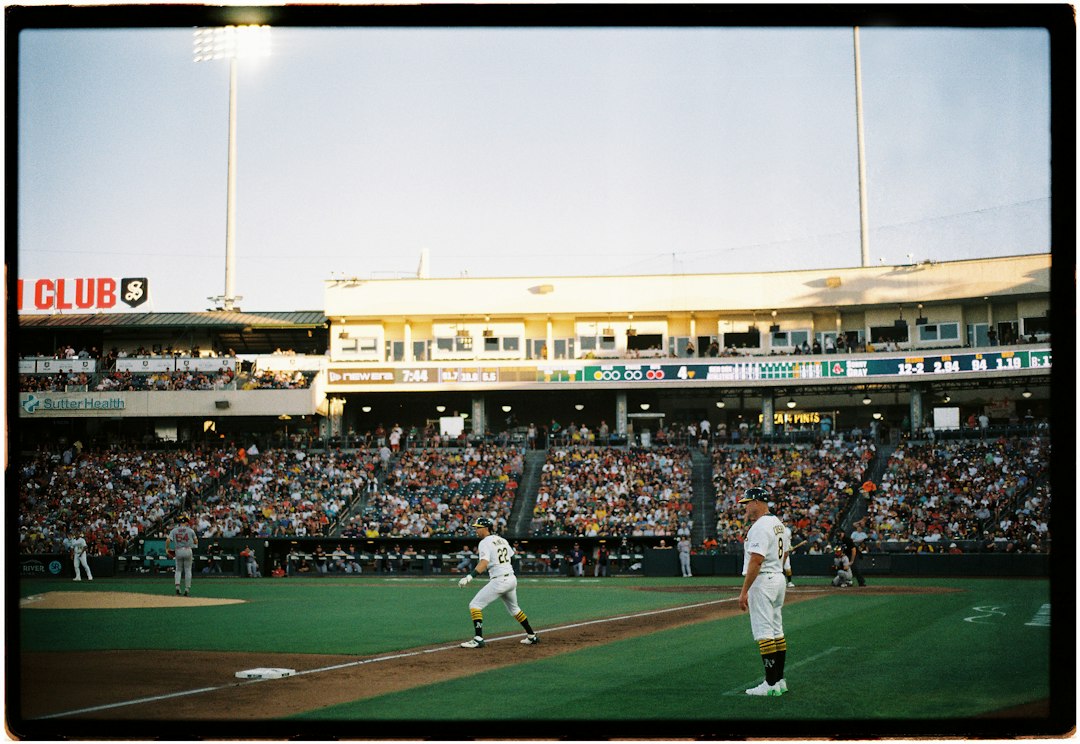
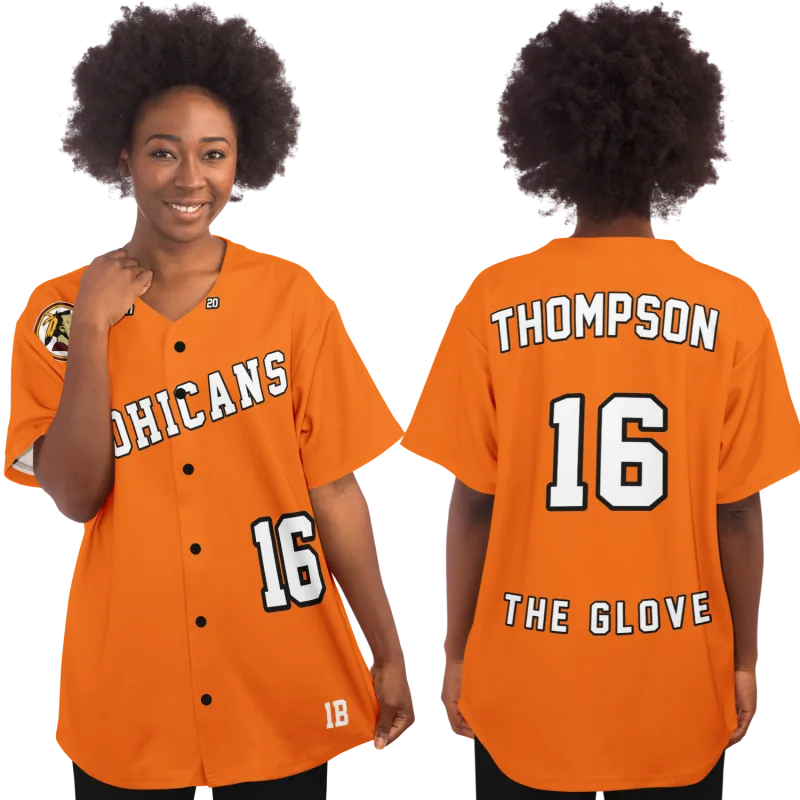
Being a former baseball player means carrying something that doesn't fully clock out — and right now, millions of people who played the game are searching for language to describe exactly that feeling.
Google Trends shows the search term "former baseball player" more than doubling in volume over recent weeks. That spike isn't scouts or journalists. It's people who suited up at some level, walked away at some point, and are now quietly sitting with what the game still means. If that's you — standing near a youth field on a Saturday morning and realizing your body is still reading the pitcher's arm slot from ninety feet away, or watching a late-season game and feeling your whole frame tighten when the count goes full with runners on — this article is for you.
Past tense in the bio. Present tense in everything underneath it.
The Search That Nobody Names Out Loud
Spend any time on sports Reddit or X this week and you'll find the threads: old team photos resurfacing, someone asking whether anyone else still dreams about turning a double play, someone describing the specific ache of watching a game they used to play from the outside. The engagement on those posts isn't accidental. It's tapping into something real that doesn't have an obvious outlet.
The search term "former baseball player" is trending because the feeling behind it is trending. And that feeling is worth understanding.
Baseball has one of the longest cultural memory cycles in American sport. Football belongs to Sundays and defined season windows. Basketball lives in arena energy and highlight clips. Baseball lives inside the texture of summer itself — the rhythm of a 162-game schedule, the daily batting practice, the specific sound of a catch in the backyard before dinner. When that rhythm stops, the absence has shape. You don't feel a general loss. You feel the specific thing that's gone.

What makes the identity so durable?
The game's structure is built on individual accountability inside a collective framework. Every at-bat is yours alone. Every ball hit your way is answered by you personally. You can stand in the middle of a full roster and still be completely, individually exposed. That combination — belonging and being on your own at the same moment — leaves a mark that most former players never fully shake. And most of them were young when it landed.
What the Word "Former" Actually Holds
In ordinary use, "former" just means "used to be." For baseball players, the word carries more than that.
Football's physical demands make the body's exit from the sport feel, eventually, like relief — or at least inevitability. Basketball careers often extend into coaching, front offices, broadcasting; the ecosystem absorbs former players into adjacent forms. Baseball offers fewer of those soft landings. The skill set is so specific, so built through repetition over years, that when you stop playing, you stop doing something that took thousands of hours to develop — and there isn't always a clean next chapter that uses those same muscles.
You can throw with your kid in the driveway. You can step into a batting cage and feel the timing return to your hands for a few swings. You can play in a men's league and recognize, in brief flashes, what it felt like to be the player you were. But that specific version of you — at that level, with those teammates, in those games — is retired. And retired doesn't mean erased.
Former baseball players tend to carry three specific things out of the game:
- The physical memory — grip patterns, footwork, fielding instincts that muscle recall doesn't fully erase even after decades away
- The relational memory — the particular closeness of a long season with the same group of people, failing together at the rate the sport demands and showing up the next day anyway
- The identity itself — the part that runs a search on a quiet afternoon and isn't entirely sure what it's looking for, only that the looking feels necessary
The Levels Don't Work the Way People Assume
One conversation that comes up repeatedly in former-player circles: who counts? Who gets to carry the identity?
The game doesn't rank experience the way outsiders might expect. A player who gave four years to high school baseball and didn't make a college roster is not less shaped by the game than someone who spent two seasons in A-ball. A Division III player who loved every minute of a career nobody covered in the press is not less formed by baseball than a prospect whose name appeared in scouting reports. The travel ball kid who made varsity at sixteen and played his last organized game at eighteen has still been through something real.
The shared experience isn't the level played. It's the practice itself — the early mornings, the repetition that borders on obsessive, the specific psychological formation that happens when a sport asks you to fail most of the time and considers .300 a mark of excellence. That formation happens regardless of where you played. It happens because you played.
Marcus T., 41, played second base at a small college in the mid-2000s and spent most of his thirties not thinking much about baseball. Then his daughter started playing softball, and Saturday mornings became field mornings. "The first time I was back in a dugout — just a travel ball dugout, nothing serious — filling out a lineup card," he said, "something clicked back into place. I didn't know I'd been missing it until I was standing there and it wasn't missing anymore."
The Nostalgia Is Doing Real Work
Nostalgia gets framed as passive — a backward glance when you should be looking forward. But research from the University of Southampton's Social and Personality Psychology group makes a different case: nostalgia functions as an active psychological resource. It measurably raises feelings of social connectedness, increases self-esteem, and strengthens a person's sense of meaning in the present. It's not escapism. It's a tool.
For former baseball players, nostalgia tends to arrive in two distinct waves.
The first comes in the late twenties and early thirties. The last game is close enough to feel recent but far enough away to have become a story. This is the wave where former players look up old teammates, find box scores from seasons long finished, and watch something like the Field of Dreams broadcast and feel a response they weren't fully prepared for.
The second wave arrives later — forties and fifties — often triggered by a child playing, a class reunion, or simply the sight of a lit diamond on a June evening. This wave tends to be quieter and goes deeper. Less about what was lost. More about what was real, what happened, and what it meant when it was happening.
Both waves are legitimate. Both are the game still working on you.
What Former Players See That Nobody Else Does
There is a specific way of watching baseball that only develops through playing it. It isn't statistical fluency or strategic awareness — casual fans build both. It's physical and sensory, and it runs without any conscious decision to engage it.
Former pitchers track the catcher's glove before the ball arrives. Former infielders read the runner's body language at second on steal reads. Former outfielders check wind direction before each half-inning, automatically, without deciding to. Former hitters catch grip changes from the broadcast angle and know what pitch is coming before the sign is given.
This is one of the stranger gifts the game leaves behind: you are never simply watching. Your body is still playing, quietly, from wherever you happen to be sitting. Hands still grip. Feet still read angles. The game continues to run inside you even when you are no longer in it.
That's not nostalgia in the sentimental sense. That's embodied knowledge — knowledge that took years to build and does not carry an expiration date.
The Number You Carried
Every player who put on a uniform in an organized game wore a number. Many wore a name on the back. And at some point — whether the uniform was a youth league pullover or a college home white — that combination became yours.
The number was sometimes assigned. Sometimes requested. Sometimes it followed you across leagues and seasons without you ever having to ask. Through repetition and association and the specific games attached to it, it became yours the way that only worn things become yours — through use.
That number comes to mind immediately when someone asks. The name on the back of an old team photograph lands differently than your name on anything else. It was the version of you that played — that showed up, that competed, that was accountable to a lineup card and a coaching staff and nine other people on the field.
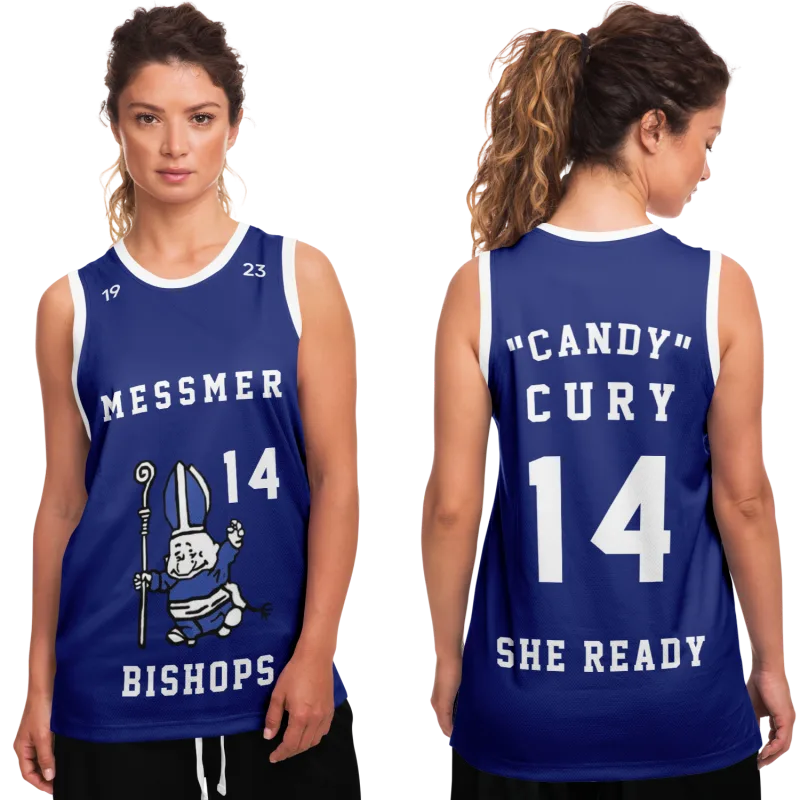
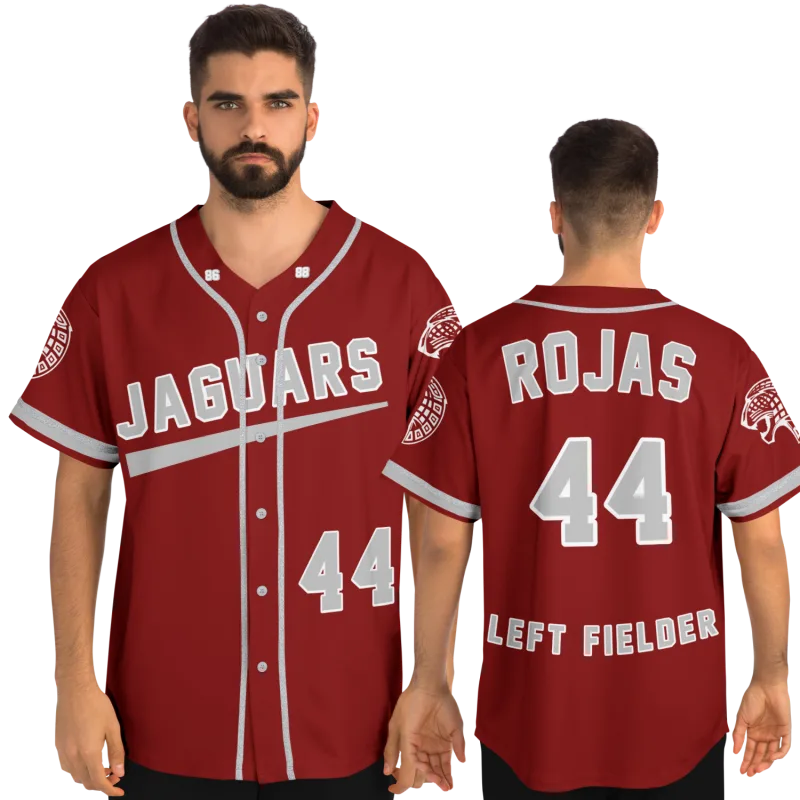
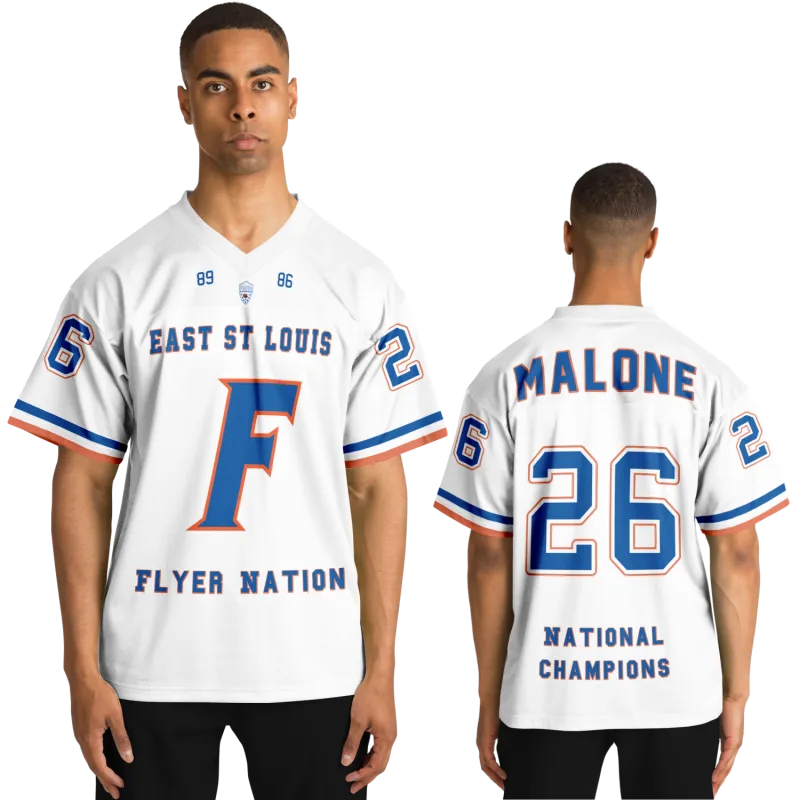
For a lot of former players, what sits underneath the nostalgia is the desire to hold that version of themselves in something tangible. Not to perform a career that ended. Not to construct a fiction about years that didn't happen. But to honor what actually did — the repetitions, the teammates, the games that mattered. A custom baseball jersey built in the style of the teams and eras that defined your playing years, bearing your actual name and number, does something that a piece of memorabilia doesn't: it acknowledges the specific player you were. By name. By number.
That's a record, not a costume.
What the Identity Does Now
Being a former baseball player is not a passive label. It's an active lens — on how you coach youth teams, how you watch a game, how you talk about failure and repetition and accountability with people who may not realize why you think about effort the way you do.
The things baseball builds don't leave with the uniform. Tolerance for failure. Comfort inside a long routine. The specific resilience of stepping into the box against a pitcher you can't quite read, with two outs and everything on the line, and deciding to compete regardless of the outcome. Those transfer. They show up in careers and parenting and conversations where former players say something about practice or consistency that catches people off guard — that sounds almost old-fashioned in its directness.
You played a game that demanded more of you, more often, than most things will ever ask. The failure rate was structural. The expectation was that you'd return the next day and try again anyway. In most cases, you loved it anyway.
That's still true. The schedule ended. Everything the schedule built is still running.
Your jersey is still out there waiting.
Design yours in minutes and see your name and number exactly the way you remember it.
Frequently Asked Questions
What does it mean to identify as a former baseball player?
It's less a biographical note and more a persistent lens. The game shapes how former players think about repetition, failure, collective accountability, and individual performance in ways that transfer across decades and contexts. Most former players recognize the shared formation in each other immediately — there's a vocabulary that has nothing to do with statistics and everything to do with how the game built them. That identity holds regardless of the level at which they played.
Why is "former baseball player" trending as a search right now?
Google Trends data shows the term more than doubling in recent search volume, reflecting a broader nostalgia cycle that tends to accelerate during the active MLB season, high-profile retirements, and cultural moments — anniversary seasons, legacy broadcasts, prominent player stories — that activate shared identity in people who once played. When one former player's story surfaces widely, it tends to unlock the same recognition in millions of others who suited up at any level.
Does the level you played at determine how strongly the identity sticks?
In our experience, no — and former players tend to agree. The formation happens through the practice, not the level. The early mornings, the repetition, the specific psychological experience of failing at a rate the game demands and returning the next day anyway — those happen at every level of organized baseball. A high school player who gave four years to the game carries the same core formation as someone who played professionally. The identity is earned through showing up, not through where you showed up.
Is a custom baseball jersey a meaningful way to acknowledge a former playing career?
For many former players, yes — specifically because a custom jersey built in the style of their era, bearing their actual name and number, represents something different from standard memorabilia. It's a tribute to the specific player they were, not a souvenir of a team they watched. Whether displayed, worn for a reunion, or simply owned, it tends to hold a weight that other baseball items don't carry in the same way.
See also: personalized gifts that actually make a former athlete feel seen | the grief that comes with the end of an athletic career | athletic identity and what happens after the game ends | adult recreational leagues where former athletes keep playing