

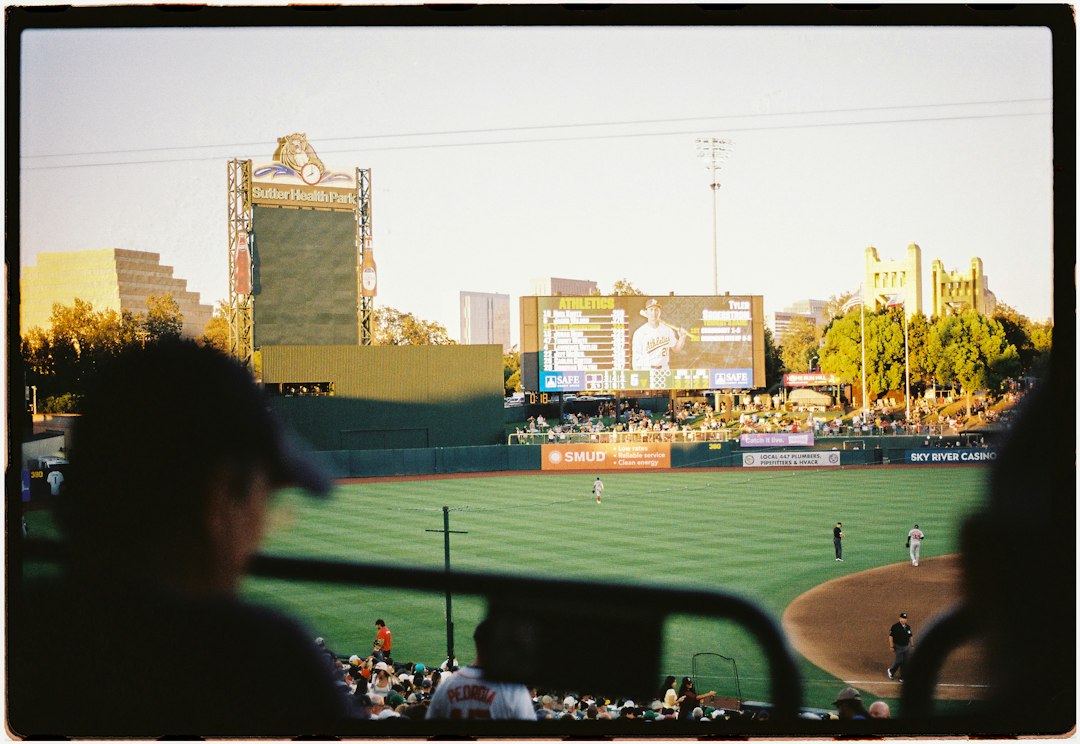

The sensory memories of baseball and softball don't live in the highlight reel. They live in the smell of a broken-in glove, the pop of a fastball arriving in leather, the taste of red clay on a Tuesday afternoon in April. They go quiet for years — and then one particular smell or sound reaches in and drops you back on the diamond as completely as if no time has passed at all.
A patch of freshly mowed grass outside a community park. Rain landing on a warm parking lot in July. Someone's leather bag left in a hot car, the scent drifting past you as they pull the door open. Close enough. That's all it takes. And suddenly you're not where you are — you're seventeen, or twelve, or twenty-three, crouching in the on-deck circle while a little red-clay dust cloud drifts across the infield toward the dugout. Pine tar on your hands. The weight of the bat resting across your shoulder.
People who never played can love this game deeply. They can memorize rosters, feel the electricity of a tied ninth inning, appreciate everything that unfolds between the lines. But the sensory world of actually belonging to a diamond — the layered, physical, almost overwhelming texture of what it smelled like, sounded like, and felt like to be a player — that lives only in those who laced up and took the field. This piece is written for them.
The Smell of a Baseball Glove: Time Travel in Leather Form
No smell quite does what a well-used baseball glove does. Not new leather, though that carries its own particular electricity. The glove that matters is the one oiled a hundred times over, baked in August heat, sweat into through a thousand ground balls and fly balls and throws that had to be exactly right. That glove smells like time pressed into something you can hold.

The scent comes from several sources working together: tanning oils from the leather itself, lanolin and neatsfoot oil worked into the pocket during every break-in session, infield dirt embedded deep in the heel from years of catches, and the faint chemical warmth of whatever conditioner you reached for each spring as though the act itself were a ritual. Players know the routine without being taught it. Two fingers pressing the oil into the heel, then the pocket, then the fingers. Glove under the mattress overnight with a ball sitting in the pocket. By morning it had become a little more yours than it was the day before.
Ask a former player to describe that smell and they'll pause before answering — not because the memory isn't there, but because language handles it poorly. Earthy. Rich. Slightly sweet. Faintly chemical. Unmistakably specific to itself. In our experience, the smell of a broken-in glove is among the handful of sensory signatures that players can identify without any visual cue at all. Put it in front of someone who played and watch something shift in how they carry themselves.
The Ritual of Glove Oil
Rawlings Glovolium was the standard for one generation. Others swore by neatsfoot oil. Some stayed loyal to a particular conditioning cream a high school coach mentioned exactly once and they never reconsidered. The brand was largely beside the point. What mattered was the practice itself — the seasonal attention, the care given to a tool that was expected to perform when the moment arrived.
Softball players observed the same ritual. Larger gloves with deeper pockets built for a bigger ball, but worked with oil in the same deliberate way, maintained with the same off-season seriousness. The smell at the end of that process was identical. So was everything it represented.
The Sound of Ball Hitting Glove: A Vocabulary Only Players Carry
There is a specific set of sounds at the core of any player's sensory memory, and the most fundamental is the pop of a ball arriving in leather at speed.
No two pops are quite the same. A fastball thrown hard produces a crack-pop — a layered sound that begins with impact and ends with the leather snapping shut around the ball. A soft toss gives you a thud. A catch made on the wrong part of the glove — the heel, or the rim of the pocket — delivers a stinging, hollow slap that travels up the forearm and stays there. Catchers in particular built their entire working life around this sound. Ball hitting glove became the baseline rhythm of their seasons, and they developed the ability to hear variations in it the way a musician hears pitch.
Weather changes the sound entirely. On a cold morning in early March, when the ball is still hard and the leather hasn't yet loosened for the season, the pop comes with a bone-deep vibration. On a warm afternoon in July, when the glove is supple and broken in, the sound sits lower — more settled, more satisfying. Players from colder climates carry a specific body memory of those first outdoor practices of the year: the ball stinging through the pocket, the cold working up through the palm, the understanding that the season was starting whether the weather agreed or not.
The Crack of the Bat: A Sound in Its Own Category
Aluminum bats shaped the formative years of a generation of players. The ping of a well-struck aluminum barrel is a real sound with its own genuine nostalgia. But players who eventually moved to wood — in high school, college, or beyond — tend to remember the first time clean contact produced something different. Fuller. More grounded. A wooden bat making true contact with a baseball generates a crack that moves through open air differently than any other sound the sport produces. Former players who haven't swung a bat in fifteen years hear it in a broadcast and feel something respond in their chest before their brain has processed what they heard.
Infield Dirt, Red Clay, and the Taste of a Baseball Field
Here is something that stays mostly inside the community of people who actually played: the taste of a baseball field.
It isn't pleasant by any objective measure. But it is completely its own thing. Baseball field dirt carries a mineral, metallic quality — the chemistry of clay infield mix, baseline chalk, and the particular combination of soil and sand that varies by level and region. Slide headfirst into second on a dry afternoon and you leave knowing exactly what that field tastes like, because you carry a trace of it back with you.
Infield composition changes by level. Many youth and high school fields use a red clay-based mix that marks white pants with a deep rust stain — visible proof that something happened. A well-maintained professional infield is built from a precision ratio of clay to sand to silt, calibrated for consistent, predictable hops. Players who grew up on those surfaces developed a body-level understanding of how the ball was supposed to behave off the dirt — and noticed immediately when something was off.
The taste of baseball field dirt is something former players recall with a particular kind of smile. Not because it was enjoyable. Because it was honest. Because it meant they had committed completely to a play, and the field had left its mark on them in return.
The Smell of Cut Grass on a Baseball Field
The smell of cut grass that players know is not the generic lawn smell of a Saturday morning neighborhood. A freshly mowed outfield — cut in alternating stripes by someone who takes the geometry of it seriously — releases a green, wet, slightly sweet vapor that layers over the dry-mineral smell of the infield and the chalky edge of the warning track. The combination is entirely its own category. Former outfielders who tracked fly balls through that particular air have a body memory of it that no other environment activates.
Recreational softball players know this smell just as well. Thursday evening games on a city park field that got mowed that afternoon, the scent still hanging in the warm air when the first pitch is thrown. The smell of cut grass on a softball field at seven in the evening in June is among the most specific and retrievable sensory experiences in the sport — and among the most likely to arrive uninvited on an ordinary day years later.
Rain on a Ballpark: The Scent That Drops You Mid-Sentence
If you played, this one arrives before you can prepare for it.
When the first drops of a summer rain reach a dry baseball infield, something specific happens to the air. The clay and mineral composition of the dirt releases a petrichor — the well-documented phenomenon of rain contacting warm earth — but layered with the particular chemistry of a diamond: chalk lines dissolving at the edges, dust settling, the outfield darkening as it takes on moisture, the temperature dropping a few degrees within minutes.
Marcus D., 34, played shortstop through high school and two years of college ball in the Southeast. He was at a family gathering a few summers ago when a storm moved in fast and the first drops hit the brick patio. "I smelled it before I heard the thunder," he said. "For a couple of seconds I was completely convinced I was back on the field. I actually looked toward left field."
That is not nostalgia in any soft or sentimental sense. That is a sensory memory encoded so thoroughly that it bypasses conscious processing entirely. Researchers who study olfactory memory note that scent signals travel directly to the brain's limbic system — the seat of emotional memory — without first passing through the thalamus that handles every other sense. Former players didn't need that research. They've been living the result of it every time summer rain hits warm ground.
The smell of rain on a ballpark cannot be approximated or preserved. It belongs to those who were there — who stood on the field when the umpire called time, who covered their glove under their arm while the tarp crew moved out, who waited in the dugout while wet clay sent its particular smell rising from the infield. It is a private and permanent possession, shared only among those who played.
Pine Tar, Rosin Bags, and the Chemistry That Made the Game Yours
The sensory world of the diamond has a chemical vocabulary that belongs to no other sport.
Pine tar is a hitter's material. Applied to the bat handle for grip, it's dark and sticky with a faint turpentine edge that transfers to the hands and takes real effort to remove. Former hitters sometimes encounter something adjacent — a wood stain, a particular finish on a piece of furniture — and feel the weight of a bat shift into their grip before they've registered why.
Rosin bags belong to the mound. Those small canvas pouches left near the rubber contain powdered rosin — a natural pine resin that improves grip on a dry day without crossing into anything the rulebook addresses. The smell is lightly astringent and slightly resinous, specific to standing sixty feet six inches from home plate. Former pitchers who worked through their pre-pitch routine know the feel of tossing a rosin bag from hand to hand while reading signs as well as they know almost any physical memory.
And then there is the smell of a baseball itself — the full-grain leather cover, the raised red stitching, the faintly waxy factory finish on a ball that has not yet been thrown. That finish disappears within the first few pitches but exists completely and specifically in the moment before, when the umpire reaches into his ball bag and hands one over. Players who handled hundreds of balls across hundreds of games know this smell the way a carpenter recognizes fresh-cut lumber: without deliberate effort, immediately, entirely.
What These Memories Are Actually Telling You
The sensory memories of baseball and softball are not incidental. They are the record of something real — of a physical and mental discipline built through repetition, of teammates who became part of how you understand effort and trust, of seasons that shaped a version of yourself that still exists inside the one reading this now.
When the smell of cut grass on a baseball field stops you mid-stride on a Saturday morning, it isn't only the past reaching forward. It is your nervous system confirming that what happened on that diamond left a permanent mark. The skills developed, the seasons logged, the specific texture of belonging to a team that depended on you — all of it is encoded in the body alongside the memory of it.
Fans love a sport. Players were formed by one. The sensory world of the diamond is the evidence of that formation, carried forward in how you respond to leather and clay and the crack of a wooden bat making true contact on a warm afternoon. That world belongs to a specific group of people. The ones who played.
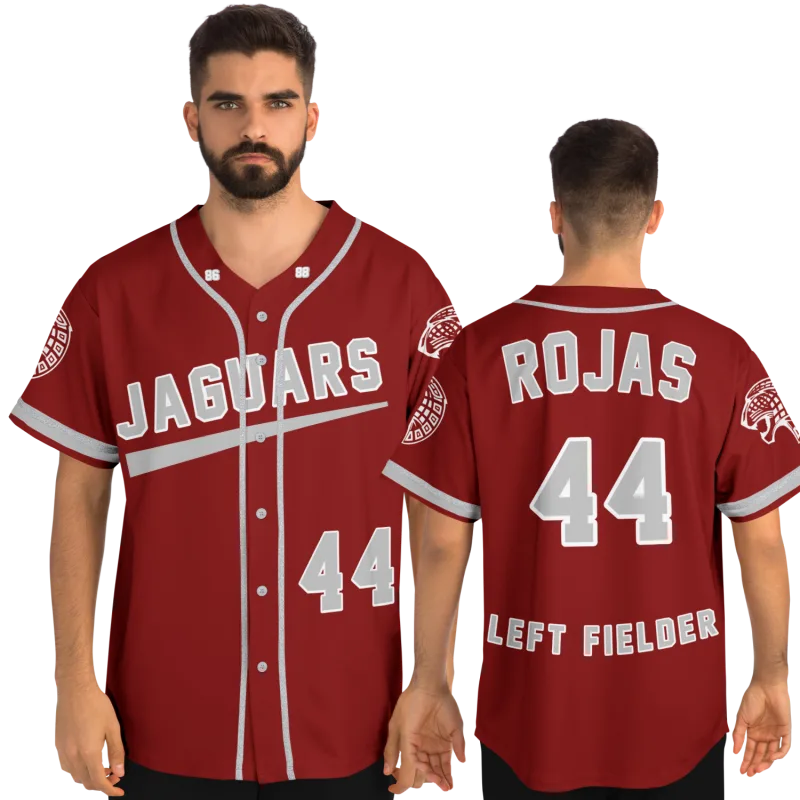
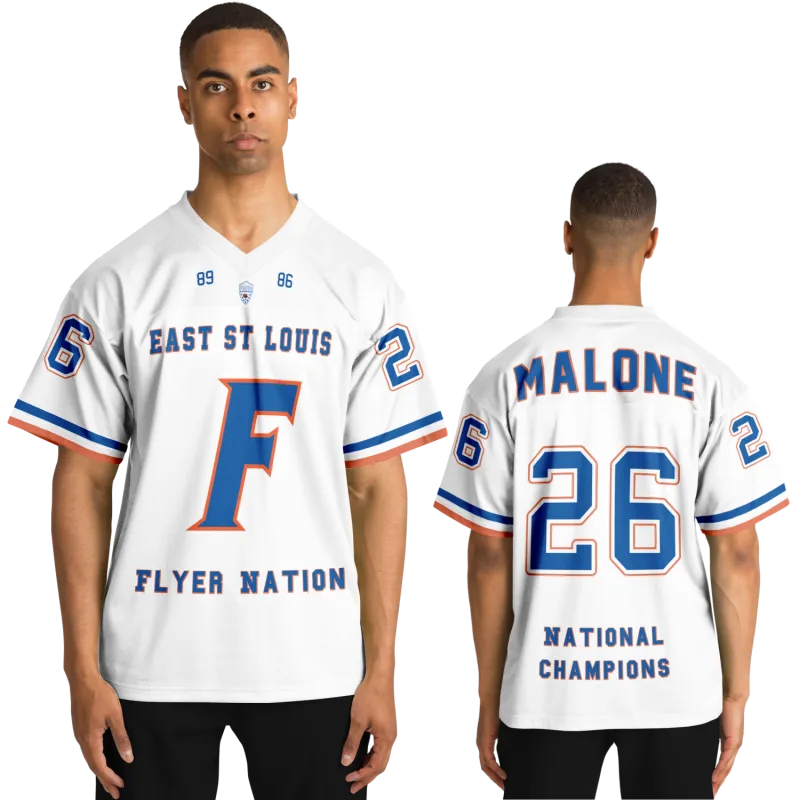
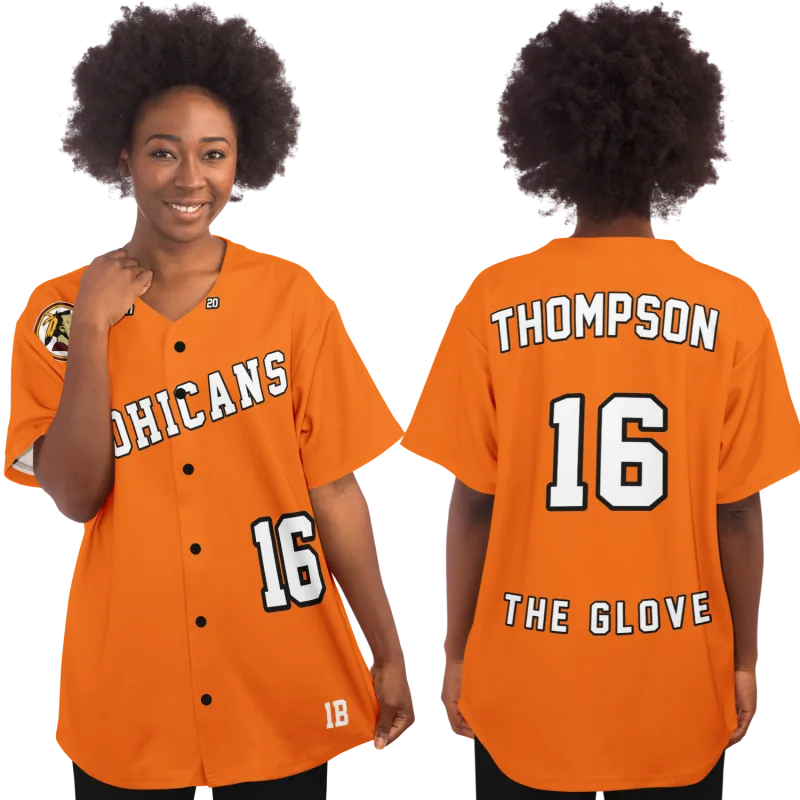
Your Jersey Is Still Out There Waiting.
Design yours in minutes and see your name and number exactly the way you remember them — a tribute to the seasons, the teammates, and the diamond that shaped you.
Frequently Asked Questions
Why do smells trigger baseball memories more powerfully than sight or sound?
Olfactory signals travel directly to the brain's limbic system — the region responsible for emotional memory — without first routing through the thalamus, which processes every other sensory input. That direct pathway means scent-triggered memories tend to arrive suddenly and with an emotional charge that feels immediate rather than recalled. Former players who encounter the smell of glove oil, fresh-cut grass, or rain on infield clay frequently describe the resulting memory as more vivid than photographs or video of the same period. The phenomenon is sometimes called the Proust effect, and it runs especially deep for memories formed during high-stakes emotional seasons — like the years spent competing in a sport that mattered.
Do softball players share the same sensory memories as baseball players?
In most meaningful ways, yes. The smell of a glove worked with oil across years of play is the same experience regardless of which sport it served. The sound of ball hitting glove leather differs slightly given the larger ball and deeper pocket, but it is encoded with equal permanence. Softball players who competed on fast-pitch fields in the evening often describe a specific layered smell — wet grass, the warmth of stadium lights coming up, chalk drying on the baselines — that is as retrievable and particular as anything their baseball counterparts carry. The sensory world of the diamond does not distinguish by sport version or by who played it.
Is there a reliable way to reconnect with these sensory memories intentionally?
Former players consistently report that physical contact with actual equipment is the most direct trigger. The smell of a conditioned glove, the weight and grip of a wooden bat, the texture of a baseball's raised stitching under the fingers. Many former players keep old gear specifically to preserve access to a sensory record that carries meaning they don't find elsewhere. Others find that returning to any ballpark — not necessarily the one where they played — and standing near the infield on a warm afternoon is sufficient to bring it back fully. The record is intact and retrievable. It only needs the right key.
What makes the smell of rain on a baseball infield so distinct from ordinary rain smell?
The petrichor produced when rain contacts a baseball infield is the standard rain-on-warm-earth phenomenon layered with the specific chemistry of the surface. Clay-based infield mix contains minerals that release differently than topsoil or grass when wet. Chalk from the baselines dissolves at the edges. The combination produces a smell that is identifiably its own — not just rain, and not just dirt, but the specific combination that lives only on a diamond. Players who spent seasons on those fields encoded that particular combination during emotionally significant experiences, which is why it tends to arrive with such force when something approximates it years later.
See also: why high school sports still matter to adults long after the final out | the science behind why those sensory moments from your senior season stay so vivid | why you still dream about being back on the field | the shared experience of the bus ride home after a tough loss