


MLB All-Star Game nostalgia is its own specific thing when you've actually played — different in texture, different in weight, different in what it does to you when the broadcast comes on and the starters walk out to the baseline.
You know this already. You felt it the last time July rolled around and you found yourself watching more closely than you expected to.
This one is for you. The ones who played. The ones who still carry it.
When You've Worn the Jersey, the Midsummer Classic Means Something Else
Regular fans watch the All-Star Game and see the best players in baseball doing things that border on impossible. The arm strength, the bat speed, the instincts operating at a level that exists in its own atmosphere. It's extraordinary to watch.
Former players watch the ritual.
The way the starting lineups stretch along the full length of the foul line. The way All-Star jerseys photograph under stadium lights — that specific combination of white and color that only exists in this context, at this time of year, for this one game. The way a player tips his helmet to a crowd that isn't even his home crowd, because tonight the whole thing belongs to everyone.
You have been inside some version of that ritual. Maybe not the actual MLB All-Star Game. Maybe it was a travel ball all-star selection at fourteen, a district team at sixteen, a college conference honor that felt enormous in the moment — because it was enormous. It was your version of this exact ceremony.
And your version counted. Every bit of it.
The selection was real. The jersey was real. The moment your name appeared on a list, got announced over a PA, or got delivered by a coach who couldn't quite flatten the pride in his voice — that moment was as real as anything happening on the televised diamond right now.

Former players carry a specific understanding of what it means to be chosen from within a group of people who are all good. You know the gap between making the regular roster and making the all-star roster. You know that gap is not a rounding error. It represents something that devoted lifelong fans — the ones who've watched every game for thirty years — don't feel in their bodies the way you do.
That's not a hierarchy. That's just the difference between knowing something from the outside and knowing it from inside your own chest.
What the All-Star Memory Actually Is (And Why It Stays Exact)
Sports psychologists have studied for decades what former athletes already understand from the inside: competitive achievement memories encode with unusual emotional depth, particularly when those memories involve recognition, identity, and being named within a peer group.
An all-star selection lands on multiple systems simultaneously. The pride of being recognized by coaches and peers who saw what you could do. The identity confirmation — an official, formal acknowledgment that you were a ballplayer at a specific elevated level. And the full sensory imprint of a different uniform on your body, a different field underfoot, a different level of expectation settling across your shoulders in the best way possible.
That's why the memory doesn't soften the way Tuesday-in-April memories do. The brain filed it under this matters when it happened and has never reclassified it.
In our experience talking with former players across every level of the game, the all-star memory almost always arrives with sensory detail that regular-season memories simply don't carry. Not just "I played in an all-star game" — but the exact font on the jersey numbers. The sound of spikes clicking through a concrete tunnel. The specific name of the first person who found you after the announcement and exactly what their expression looked like.
That level of precision is the memory telling you something. It's telling you it registered as rare when it happened, and it still does.
The All-Star Game comes back every July without fail, and every July it reopens that file.
The Moment Your Name Got Called
Most baseball writing sprints past this part. It goes straight to the game, the stats, the results.
But the selection moment is the whole thing for former players. Not the game itself — the instant you found out.
For some it's a coach pulling you aside after practice, his voice a register lower than usual. For others it's a list posted on a hallway door that you read twice because you don't trust the first read. For others it arrives through a parent who got the call first and is trying to deliver the news without completely falling apart.
Diane R., 38, played third base on a travel softball circuit through her teenage years in central Ohio. She found out she'd made the regional all-star squad through her mother, who came into the kitchen holding the phone to her chest, already crying before she said anything. Diane says her mother just nodded, slowly, like she was answering a question Diane hadn't asked yet. That was the whole announcement. Diane still sees her mother's face exactly that way every summer when the All-Star Game comes on.
That's the story running underneath the broadcast. The one the announcers don't know to tell.
The All-Star Game isn't just a celebrity showcase to former players. It's an annual confirmation that you exist within a lineage — from Little League selections to high school districts to college conferences to the players standing on that field right now. You are somewhere in that lineage. You always will be.
The Jersey You Wore That Night
There is a particular strain of former-player nostalgia that lives entirely in the jersey.
Not the practice jersey. Not the regular-season uniform you wore for fifty games. The all-star jersey — the one with different colors, a different cut, possibly a different logo that announced this game existed outside the regular calendar. The one that communicated, just by being on your body, that this was not an ordinary week.
You remember pulling it on for the first time. Whether it fit right across the shoulders or ran a little large. Whether you kept it after, and where it ended up — folded in a box, lost between moves, hanging in a garage somewhere slowly going the way of all things.
Former players have complicated relationships with the jerseys they wore. The regular ones carry weight, but the ones attached to specific moments — the all-star jerseys, the championship jerseys, the ones that existed outside the normal run of games — carry something harder to name. Something that doesn't translate to someone who hasn't worn one.
When an All-Star player walks out in a pristine uniform with his name and number sharp under the lights, you're not watching fabric. You're watching the physical symbol of being chosen. Of the game making an official, public declaration: you, at this level, right now.
You wore one of those. In your version of this game. No number of years changes what that was or what it meant.
How the All-Star Game Keeps the Story Breathing
There's a reason former players watch the All-Star Game even when they've drifted away from following the regular season. Even when the living room is loud and their attention is fractured. Even when they'd tell you, honestly, that they don't really track baseball closely anymore.
They watch because the Midsummer Classic is the one moment each year when the game pauses to honor what it means to be genuinely exceptional at something. And you were genuinely exceptional at something — at whatever level you played, in whatever summer your name got called.
That doesn't expire.
The All-Star Game has served this ceremonial function since 1933, which means it has been reopening these files for former players across nearly a century of summers. The players going through the ceremony now are doing what you did, scaled to the largest possible stage — but the emotional architecture underneath is the same structure you know from the inside.
This is why the baseball nostalgia tied to the All-Star Game doesn't soften with distance. It sharpens. As the years between you and your playing days accumulate, the memory of your own selection doesn't blur the way other memories do. It becomes more specific, because you understand more fully now what it represented.
You were chosen. You wore the jersey. You played in a game that existed outside the regular order of things.
The story doesn't have an expiration date.
The Lineage Doesn't Stop at You
For years, All-Star night pointed backward. It looked at you, and you looked back — to your own selection, your own jersey, the person you were the summer your name got called.
Then one July there's a kid on the couch next to you. Yours. And the direction quietly flips.
You point at the screen and tell them about the time you got picked. Not the whole story — you don't dump it all at once. Just the small pieces, metered out: the list taped to a door, the jersey, the coach who couldn't keep the pride out of his voice. And the kid looks from the broadcast to you, trying to reconcile the person on the couch with the one you're describing. That look is the whole thing.
What you realize, if you're paying attention, is that you were never the end of the lineage. You were a link. The line you always thought ran only backward — Little League selections, district teams, college honors, up to the players standing on that field right now — also runs forward. Through your hands, into a kid who is just now learning that this mattered to you before they existed.
You don't have to have played past high school for this to be true. You don't have to have a kid who plays. You just have to sit there and let the story pass through you instead of stopping at you.
That's what All-Star night is for once you're a parent. It's the night the lineage moves forward.
What Former Players Do With the Feeling
Some former players pull out old photographs on All-Star weekend and sit with them for a while. Some track down a teammate from that specific squad — whoever is still reachable — and spend twenty minutes on the phone nominally talking about nothing, which is its own language for something.
Some of them want the jersey back.
Not to live in reverse. Not to pretend the years didn't accumulate. But to hold the physical object that corresponds to the memory. To have something in the house that says plainly: this happened. I was this. It was real.
The original jersey is usually gone by now. Outgrown, lost in a move, worn to nothing, handed off to a younger sibling who didn't fully understand what it was. But the number still exists. The name still exists. The moment still exists.
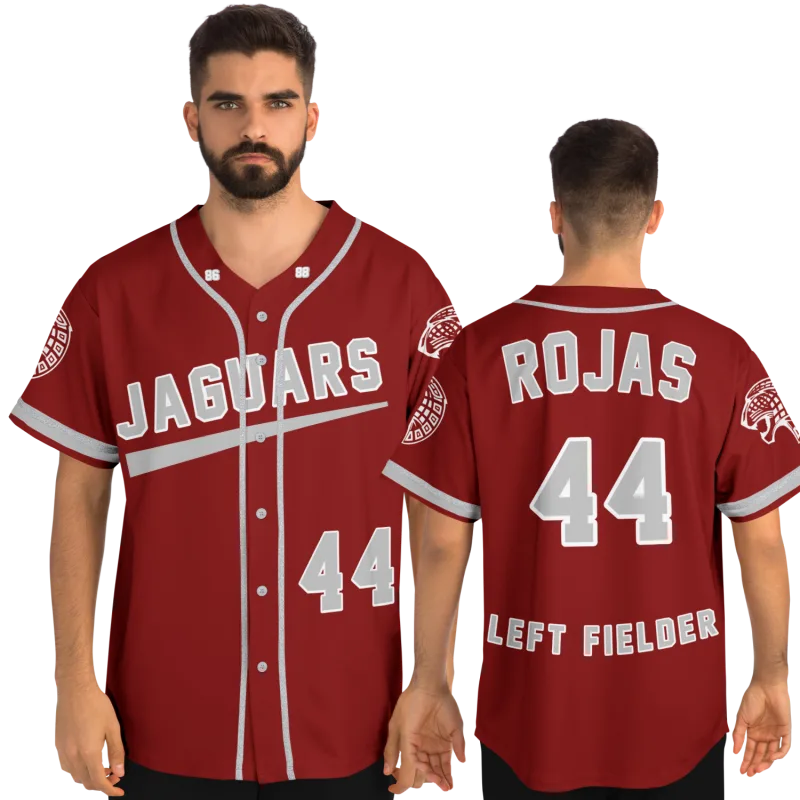
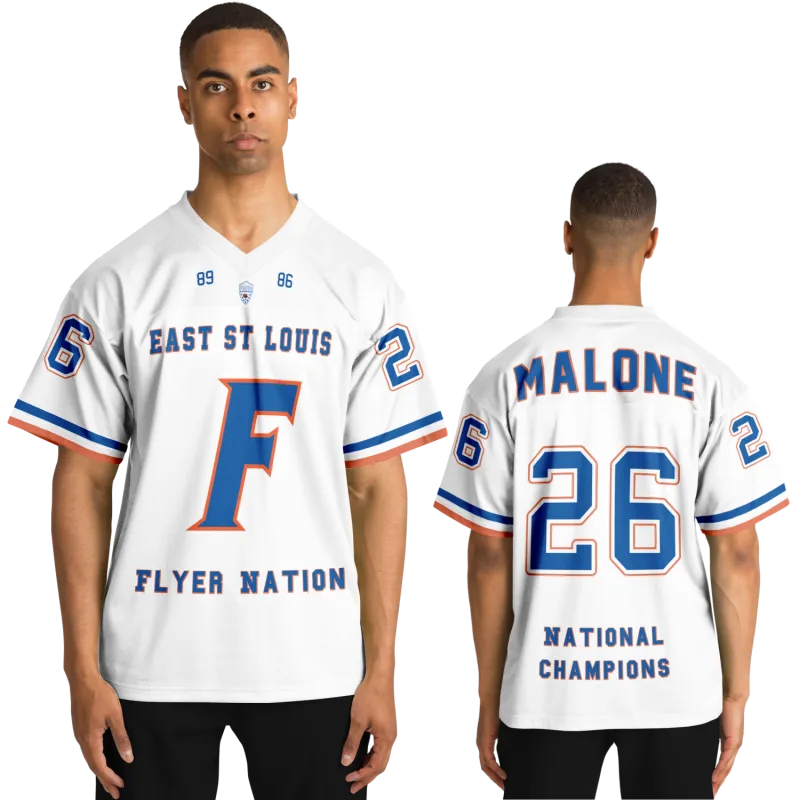
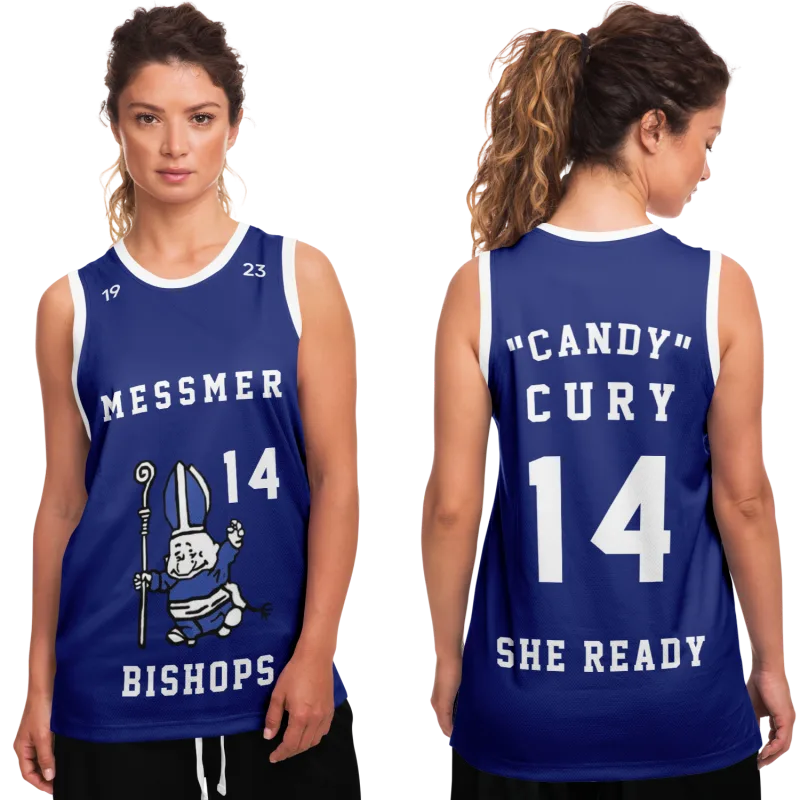
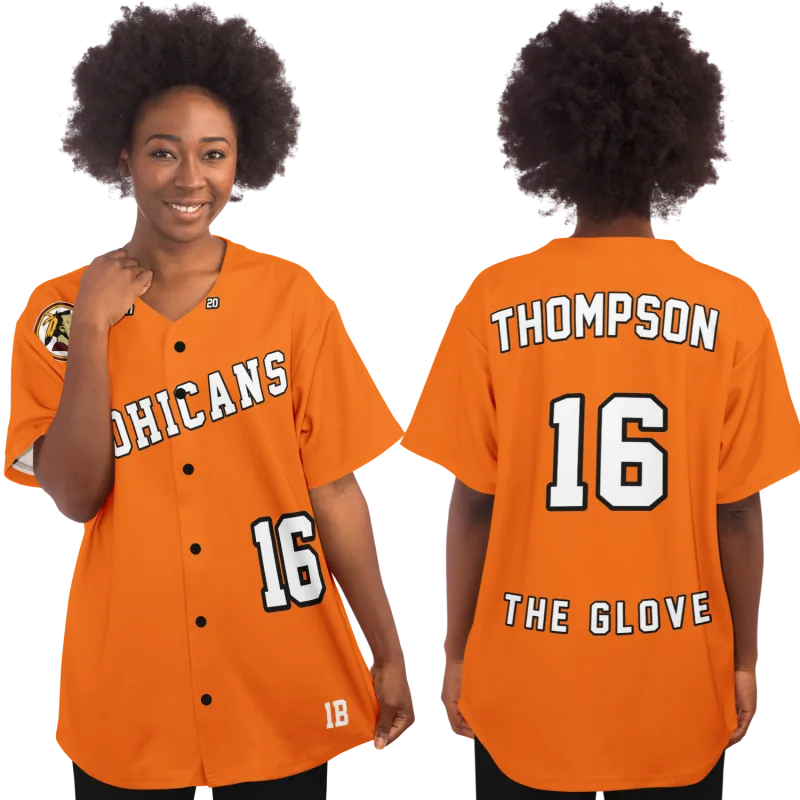
Getting a custom jersey made with your actual name and your actual number — the colors from that team, that season, the version of yourself that played — isn't nostalgia as escape. It's documentation. It's saying that the player you were deserves to exist somewhere more tangible than memory alone.
Our team hears this reliably every All-Star season from former players who feel the July pull and want to do something real with it rather than let it pass again. The feeling comes back every year. The question is whether this is the summer you hold onto it.
Your Jersey Is Still Out There Waiting
Design yours in minutes and see your name and number the way you remember it.
Frequently Asked Questions
Why does the MLB All-Star Game specifically trigger baseball nostalgia for former players?
The All-Star Game is built around the ceremony of recognition — selecting the best, gathering the chosen, and saying their names out loud in a full stadium. Former players who experienced their own version of that recognition, at any level, respond to the familiar emotional shape of the event. It's not passive watching. It's watching a ritual you once participated in, which pulls the specific sensory and emotional memory of your own selection back to the surface with unusual force. The broadcast is the trigger. The memory was already there.
Does it matter what level you played at — does the nostalgia feel less significant for youth or high school all-stars versus college players?
Not in the way most people assume. A player who made a youth travel all-star team and felt the weight of that selection will carry it just as vividly as someone who made a college conference squad. What the memory encodes is the specific experience of being recognized within a competitive peer group at the highest level available at that time. The emotional intensity reflects the significance of the moment to the person inside it — not the size of the stadium or the tier of the competition.
Is it common for former players to want to recreate a jersey from their all-star playing days?
Extremely common, and it reliably peaks during the All-Star Game, playoff season, and milestone anniversaries — any occasion that brings the playing-days identity back with particular force. The original jersey is almost always gone by adulthood. A custom reproduction carrying a player's actual name and number serves as a physical anchor for memories that would otherwise exist only internally. Most former players who order one describe it less as nostalgia and more as documentation — something tangible that confirms the story happened.
What details should I get right when ordering a custom jersey to match a specific all-star memory?
Three things matter above everything else: the right number (not close — right), the name spelled precisely as it appeared on the original jersey, and the colorway from that specific team or league. If you remember the jersey having a particular cut or style, note that when you customize. The goal is the moment you hold the finished jersey and recognize it — the feeling that this is the right one. A quality custom builder will let you preview the full combination before you commit to anything.
See also: why athletic identity doesn't just disappear after your playing days end | the psychology of why those peak athletic memories hit so hard | why your senior season memories are so sharp and vivid decades later | the difference between watching as a fan and watching as someone who actually played