


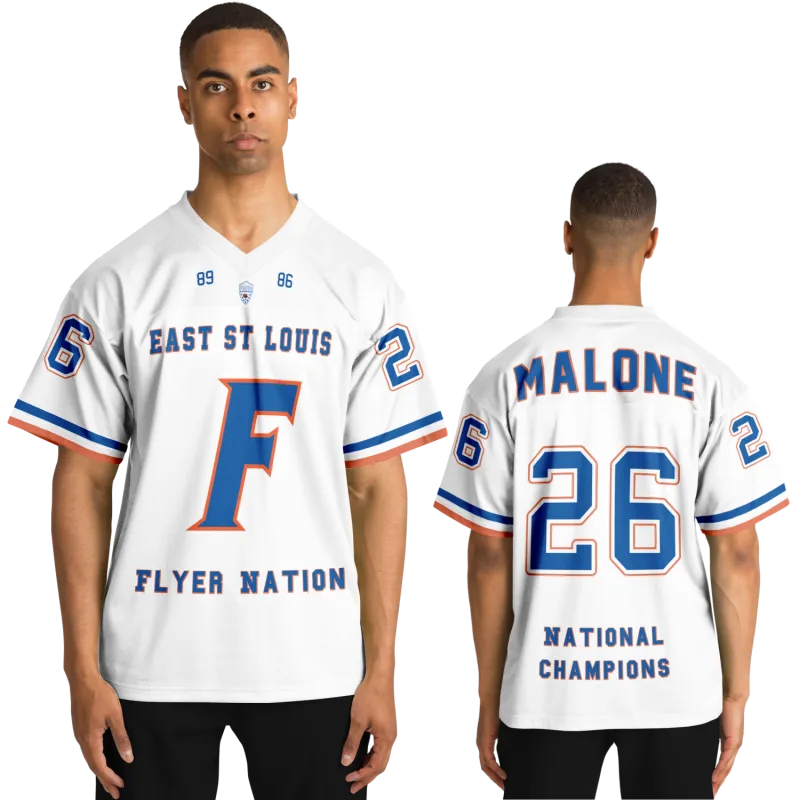
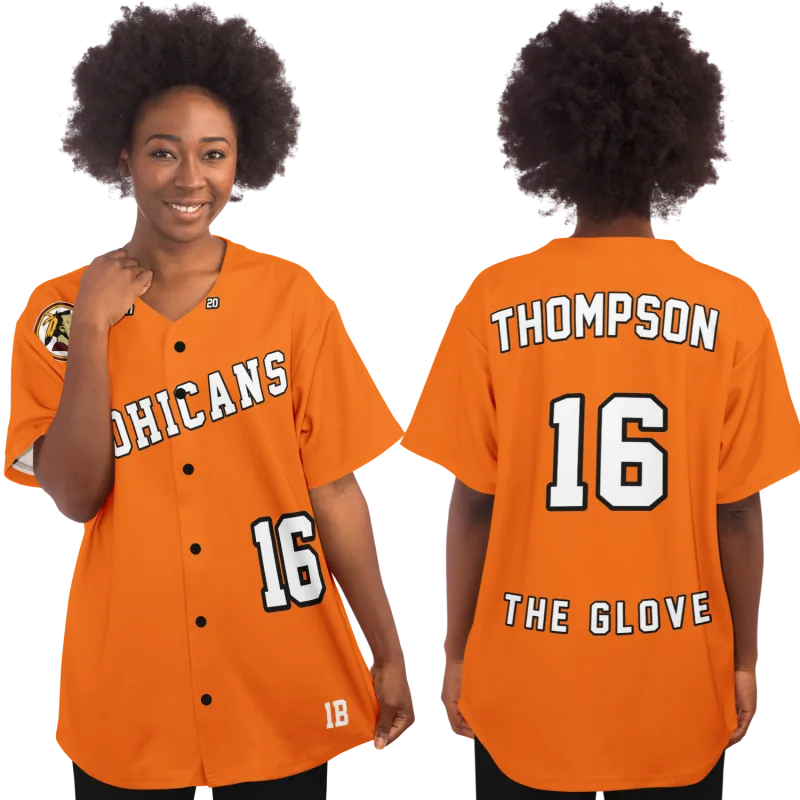
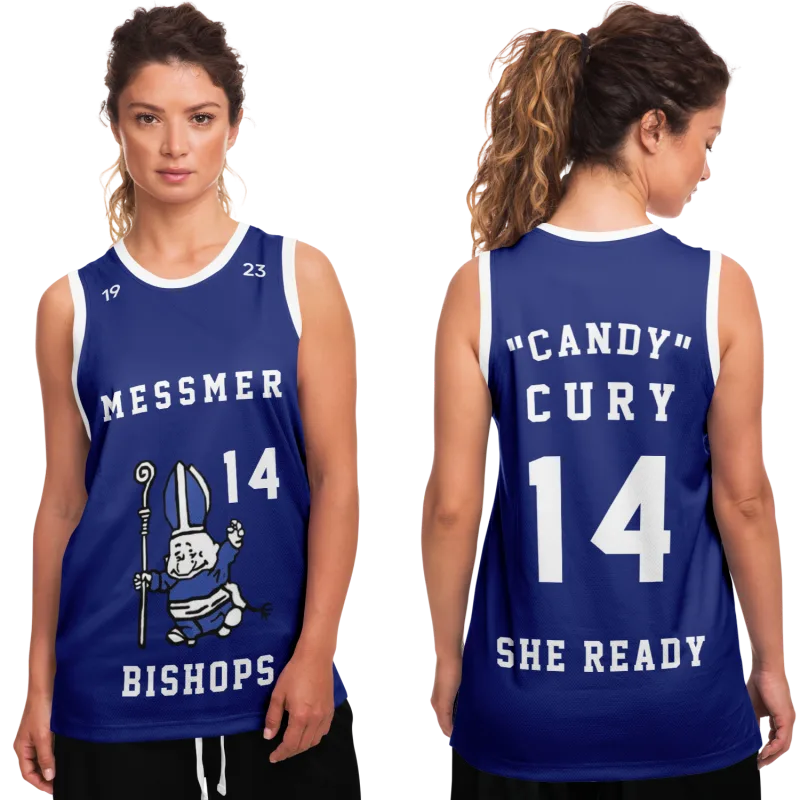

Every former athlete has a version of this memory: the smell of the locker room, the sound of someone's cleats on the gym floor, the exact nickname your coach had for that one guy who could never remember the play.
The people from that team — the ones you sweated alongside, lost alongside, celebrated with — they don't just disappear from your memory. They disappear from your life. Some experiences, like the bus ride home after a loss, are moments only the people on that bus will ever fully understand. And at some point, you start wondering where they ended up, and what happened to the athlete who never got that next chapter.
If you've ever typed how to find old high school teammates into a search bar and landed on a generic people-search site that wanted your credit card before showing you anything useful, you already know how unsatisfying that experience is. Those tools treat your former teammates like strangers. They're not strangers. They're people who share something with you that most people in your current life will never fully understand.
This guide is different. It's built around the one thing generic reconnection tools ignore entirely: team identity. Where you played, what year you graduated, what number you wore: that's the thread that leads you back to the people you're looking for. Here's how to pull it.
Before you open a single search tab, take one minute to picture the team as a whole, not just the two or three names you still say out loud. The roar of the crowd, the cold metal bleachers, your coach's voice, the way your jersey fit across your shoulders. That picture is your compass. When you search from that place, you're not just hunting for contact information; you're following a thread that still ties you to people who knew a version of you that the adult world rarely sees. That team identity — your name, your number, your school colors — is exactly why the search feels different from looking up an old coworker. It's not a data problem. It's a homecoming.

Why Generic People-Search Sites Almost Always Fail Former Athletes
Before getting into what works, it's worth understanding why most approaches don't.
People-search tools are built for locating individuals. They pull public records: addresses, phone numbers, relatives. They work reasonably well if you know someone's full legal name and approximate location. Former teammates are a different problem entirely.
You might remember someone as "Chavez" and have no idea whether his first name was Carlos or Christopher. You might have played with a girl named Sarah who you knew entirely by her jersey number. You might have been on a team with someone whose family moved three states away the summer after graduation. Public records databases don't have a field for "starting center fielder, Lakewood High School, Class of 2003."
Team identity is the search parameter these tools were never designed to use. That's why former athlete reconnection requires a completely different approach: one that starts with the team, not the individual.
When you start with the team instead of the person, something powerful shifts. You stop asking "Where is Carlos Chavez?" and start asking "Where is the 2003 Lakewood center fielder?" That second question triggers memories in other people, too: someone in an alumni group sees it and instantly recognizes the uniform, the field, maybe the exact play you're trying to describe. Generic searches isolate. Team searches gather. That's why the following steps are built around anchor points, not name lookups.
Step 1: Build Your Team Anchor Points First
Before you search for any specific person, spend twenty minutes reconstructing your team's public identity. This is the foundation that makes every subsequent step faster and more accurate.
What to gather:
- Your high school's full name and the city it's in
- Your graduation year (or the year the team played together)
- The sport, and if applicable, the specific level: varsity, JV, a specific tournament season
- Your coach's name (coaches are often easier to find than former players and serve as connection nodes)
- Any notable seasons, championships, or events that might have been covered by local media
This information is your search fingerprint. A person who shares all of these details with you is almost certainly a former teammate. With this anchor in place, you can stop searching for individuals and start searching for the team, which is far more productive.
In my experience as a former player, the coach's name is the single most underused starting point. Coaches stay connected to their programs. Many are still actively involved in the school or local athletics community years later. Finding one former coach can unlock an entire roster.
Keep this anchor list somewhere you can see it while you search. It's easy to drift from "2001 Westfield varsity soccer" into a lazy search for a single nickname and lose an hour. When that happens, come back to the list. The coach's name, the school colors, even the season that ended in rain: those details keep you on the trail.
Step 2: Use Social Media as a Team-Based Search Tool, Not a People Finder
Most people approach social media reconnection the wrong way: they search for a specific name, get thirty results, and give up. The more effective method treats social platforms as community-mapping tools.
Facebook remains the highest-yield platform for high school alumni reconnection, particularly for anyone who graduated before 2010. The search behavior that works:
-
Search your high school's name directly. Most schools have at least one active alumni group, and many have sport-specific groups ("Riverside High Baseball Alumni" or "[School Name] Athletics").
-
Join the group and post a specific, detailed message: your graduation year, the sport, the coach's name, and one or two specific season memories that only someone who was there would recognize. Specificity is the signal that separates genuine teammate searches from spam.
-
Search for your high school as a location tag on old posts. People often tag the school when posting throwback photos, and those posts sometimes surface teammates you'd never find by name search alone.
One habit that pays off more than people expect: save every old photo or team post you find, even if the person who posted it isn't someone you're looking for. Comments and tags on those posts are often a hidden roster. A single throwback photo from 2003 can contain eight tagged teammates, and each tag is a doorway. Don't just scroll past. Open the tags, follow the trail, send a quick message when you recognize a face.
Instagram and TikTok work differently. Search hashtags built around your school name and graduation year. People posting throwback content from high school sports often use tags like #[SchoolName]Alumni or #ClassOf[Year]. These posts surface intermittently, but they're worth monitoring if you set up alerts.
LinkedIn is underrated for this specific use case. Search your high school's name in the "School" filter under People Search. LinkedIn will return everyone in its network who attended that school. Filter by graduation year range if that option is available. Athletes who played sports at competitive programs often list their sport in their profile, which makes identifying former teammates faster.
Step 3: Work the Alumni Network Infrastructure That Already Exists
This is the step that separates people who reconnect successfully from people who search for a year and give up. Most high schools have more reunion and alumni infrastructure than former students realize, and almost none of it appears in a Google search for "how to find old teammates."
Start with the school directly. Call or email the school's main office and ask whether they have an alumni association or a point of contact for reunion organizing. Many schools maintain graduation year contact lists for alumni giving campaigns. They won't give you individual contact information (and you wouldn't want them to), but they can often pass along a message or connect you with whoever organizes class reunions.
Look for booster clubs. Athletic booster organizations often maintain longer institutional memory than the school itself. A booster club that's been active for thirty years has watched players graduate, stay connected, and come back for homecoming games. They know who's still in contact with the program.
Check local newspaper archives. Newspapers.com maintains digitized archives for thousands of local publications going back decades. Searching your school name and sport will surface game stories, team photos, and, critically, names of players from specific seasons. If you're trying to reconstruct who was on a team from a particular year, local sports coverage is one of the most accurate sources available.
Don't overlook yearbooks. The physical yearbook you (or your parents) still have in a box somewhere is a roster waiting to be used. Flip to the team pages and you'll find formal team photos with names printed underneath: a year-by-year record of who played, in what year, under which coach. If you don't have your own copy, ask around: a former teammate, a parent, or the school library will often have one you can page through.
You don't need a physical copy, either. Classmates.com, Yearbook.org, and Ancestry.com all maintain large digitized yearbook collections spanning decades of high schools across the country. A search for your school and graduation year can surface scans of the pages you remember: team photos, senior portraits, and the class lists that fill in the names you've forgotten. Where a newspaper story names the starters from one game, a yearbook shows you the whole roster, and that team-level detail is the same thread this whole guide is built on.
If you can, keep a running roster document from the start. Every name you uncover — from a newspaper story, a yearbook page, a comment on an alumni post — goes into one list. Write down what you know next to each name: jersey number, position, hometown, last known city. When you hit a dead end on one person, the next name on that list often becomes the key. Reconnection is rarely a straight line; it's a chain, and each recovered name is a link you get to hand to the next person.
One name from a game story can restart a chain of connections you thought was permanently broken.
The Reconnection That Started with a Box Score
Marcus T., 44, was a linebacker for a mid-sized high school in central Ohio who spent two years trying to find the players from his 1997 state semifinal team before the idea of checking the local paper archive even occurred to him. A single archived game story gave him four names he'd half-forgotten. Within six weeks of sending the first message, he had fourteen of the original twenty-two starters confirmed for a lunch reunion. "It wasn't a big event," he said. "We just needed a reason to be in the same room again."
That's what most successful reunions start with: not a formal event, but one conversation that makes the next one possible.
Step 4: Use Sport-Specific Alumni Networks and Organized Events
Several national and regional organizations exist specifically to connect former athletes, and most former high school players have never heard of them. Depending on your sport, there may be formal infrastructure already waiting for you.
For athletes whose sports have sanctioning bodies (wrestling, swimming, track and field, cross country), state athletic associations often maintain historical records and sometimes host alumni events tied to current championship weekends. Attending a current state championship in your sport as a spectator is a legitimate and underused strategy: you will encounter coaches, officials, and former athletes who can help you trace former teammates.
For team sports with active alumni game cultures (baseball, softball, basketball, soccer), look for alumni game events at your former school. Many programs hold annual or biennial alumni games, particularly around homecoming. If you're organizing or joining an alumni game after years away, our guide on how to start training again covers the conditioning timeline and injury prevention strategies specific to returning former athletes. These events are rarely well-publicized online, but the athletic director or current head coach can tell you whether one exists.
For contact sports and combat sports, regional associations sometimes host alumni banquets or hall of fame events. A call to the state athletic association is worth thirty minutes of your time.
The platform Hudl, widely used for high school sports video, has a growing alumni and recruiting component. If your team used Hudl during your playing years, former teammates may still have accounts active and searchable.
Beyond digital platforms, don't underestimate the value of showing up in person at a home game or alumni mixer with your year and sport in your back pocket. A simple "I played on the 1998 baseball team — are any of the old crew around?" works because it's specific enough to be trusted and open enough to invite a story. The athletic director may not know your teammates by name, but they almost certainly know the parent or booster who does.
Step 5: Organize the Reunion — Even Before You've Found Everyone
This is the counterintuitive move that dramatically accelerates reconnection: announce the reunion before you have the full group.
Here's why it works. Telling ten people "I'm trying to put together a reunion for the 2001 Westfield varsity soccer team" immediately activates each of those ten people as co-recruiters. They forward the message. They tag people in comments. They text someone whose number they still have. The social proof of a reunion already in motion is more compelling than an individual request to reconnect.
The two-step process for organizing without a full list:
-
Pick a specific, low-commitment format for a first gathering. A local bar, a watch party for a relevant game, a backyard cookout. Not a formal banquet. The lower the barrier, the more people will commit. Set a date at least eight weeks out.
-
Create one central information point. A private Facebook group works well for this because it's searchable and shareable. A group chat works if you already have a core of five or more numbers. Email a shared Google Doc to confirmed attendees so they can add contact information for people they're still in touch with.
Put your own jersey number in the invitation when you send it. That one detail does a surprising amount of work: it confirms you were actually on the team, it gives people a visual cue, and it invites them to reply with their own number. You'll get responses like "Number 14 — I thought you'd forgotten about me" before you even ask for a commitment. That's the conversation starting itself.
The goal of the first gathering isn't to find everyone. It's to get enough people in the same room that the people who couldn't make it feel like they missed something real, and start asking when the next one is.
If the idea of revisiting your playing days feels both exciting and daunting, our guide to reconnecting with your high school sports experience walks through what to expect, and why it matters more than you might realize.
Navigating the Emotional Complexity of Reconnecting After Years
Not every teammate search is purely logistical. Sometimes the gap since high school is relational, not just geographic. People drift apart for reasons that weren't about conflict but that still carry some weight. High school sports shaped your social identity and friendships in ways that last a lifetime, which is exactly why the pull to reconnect doesn't fade. Some friendships from that era ended quietly, and reconnecting means deciding whether to acknowledge the gap or simply step over it.
In my experience, the most successful reconnections treat the gap as neutral rather than as something requiring explanation. A simple "I've been thinking about that team and trying to get people back together — I hope you're doing well" is almost always received more warmly than an elaborate account of why you haven't been in touch.
Two things worth knowing before you reach out:
- People who left the area often feel more warmly about being remembered than people who stayed. Being found by a former teammate when you're three states away from where you grew up hits differently than hearing from someone who lives in the next town.
- Some teammates won't respond. This is not a reflection of what the team meant — it's a reflection of where they are right now. Leave the door open and move forward.
There's also a quiet power in bringing something physical to the first conversation. A photo, a program, a jersey with your old number on it — these are not just memorabilia; they're proof that the years haven't erased what you carried. When words feel too heavy, an image can do the reintroducing for you. It says, "I kept this because it mattered," without you having to explain why.
The goal isn't to recreate the past. It's to acknowledge that something real happened between those people on that team, and that it's worth carrying forward. Some people find that building a custom sports shadow box with team photos, game tickets, and other artifacts gives that feeling a permanent home.
Your jersey is still out there waiting.
If you're reconnecting with teammates after years away, you already know you never fully left the game. Here are 10 signs you're still a high school athlete at heart — your former teammates will recognize every one.
Once the reunion or first call starts to feel real, take a moment to mark it. A custom commemorative jersey with your name and number — designed by you, in your school colors — can become a centerpiece for the reunion table, a gift for the teammate who never thought they'd be remembered, or simply a reminder in your own closet that the player you were is still part of the person you are now. It won't replace the actual game-day memories, and it doesn't need to. It's a way to carry the identity forward.
Design yours in minutes and see your name and number just the way you remember it.
Frequently Asked Questions
How do I find former teammates if I can't remember their last names?
Start with what you do remember: the school name, your graduation year, your sport, and your coach's name. Post in your high school's alumni Facebook group with those details and describe the specific season or year. People who were on that team will self-identify — you don't need to know their names to find them. Local newspaper sports archives are also useful for reconstructing rosters by season.
What's the best social media platform for finding high school teammates from the 1990s or early 2000s?
Facebook remains the most productive platform for athletes who graduated before 2010. The combination of alumni groups, long-term account histories, and photo-tagging makes it the most likely place former teammates are still active. LinkedIn is a strong secondary option for professional-age adults — searching by high school under the People filter returns everyone in the network who attended that school. Instagram and TikTok are useful supplementary tools for hashtag-based discovery, especially for throwback content.
How do I organize a high school team reunion when I only have contact with a few former teammates?
Start with what you have. Announce a specific date and low-commitment format — a casual gathering at a local restaurant or a watch party, not a formal banquet — and share it with the people you've already found. Ask each of them to forward the information to anyone they're still in contact with from the team. Create a single central point (a private Facebook group or a shared document) where people can add contact information for teammates they track down. The announcement itself becomes the recruitment tool; you don't need the full roster to start.
Is it appropriate to reach out to a teammate I haven't spoken to in decades?
Yes, almost universally. The shared experience of being on a team together is a legitimate and recognized reason to reach out, even after a long gap. Keep the initial message brief, warm, and specific — reference something from your time on the team to signal that you're a genuine former teammate, not a stranger. Most people receive these messages positively, particularly if the outreach is about a reunion or group gathering rather than a one-on-one reconnection request.
What if some of my former teammates have passed away?
This is a reality that comes up in nearly every reunion for teams that played together more than twenty years ago. When organizing a reunion, it's worth asking early whether anyone is aware of former teammates who have passed. Many reunions incorporate a brief acknowledgment or moment of remembrance. Families of deceased former players are sometimes interested in hearing from the team — a note to a surviving spouse or parent explaining who you are and what the team meant can be a meaningful gesture.
See also: reconnecting with your high school sports experience and what to expect | how team sports shaped your social identity and friendships for life | the athletic identity many former players are still quietly carrying