

There's a specific moment you probably still remember.
Not the final score. Not the championship banner, if you were lucky enough to have one. The moment you remember is smaller than that — a look across a locker room, a shoulder squeeze after a loss, a burst of laughter on a bus ride home at 11pm through the dark. A moment when you understood, without anyone saying it, that these people were yours.
High school sports friendships have a way of doing that. They sneak past every social defense a teenager builds and create bonds that decades, distance, and entirely different life trajectories somehow can't dissolve. If you've ever wondered why the people you played with at 16 still feel like family at 36 (or 56) this article exists to answer that question with something more satisfying than "sports are great for kids."
The answer runs deeper. It runs through identity formation, shared adversity, and a specific window of human development that never quite opens the same way again.
What Was Actually Happening to You During Those Years
Developmental psychologists have a name for the period between roughly 14 and 18: the identity achievement stage. This is the window when the human brain is most actively constructing a coherent sense of self — asking and re-asking the question "who am I?" against every available social mirror.
Erik Erikson called this the central crisis of adolescence: identity vs. role confusion. And what makes high school athletics so developmentally significant is that a sports team provides an unusually complete answer to that crisis.
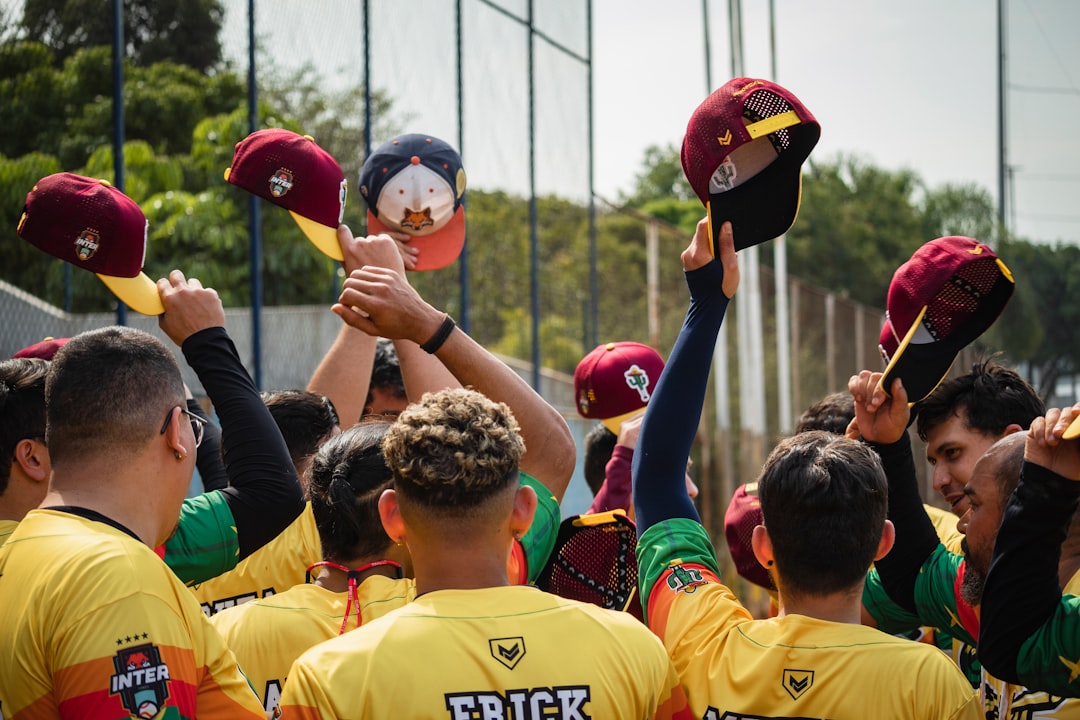
When you were on that team, you were someone specific. You had a role. You had a number. You had a position that required skills you'd spent real time developing. You belonged to a group with a shared purpose, a shared language, and a shared set of experiences that no one outside the team fully understood. In developmental terms, that's not a coincidence — that's an optimal identity formation environment.

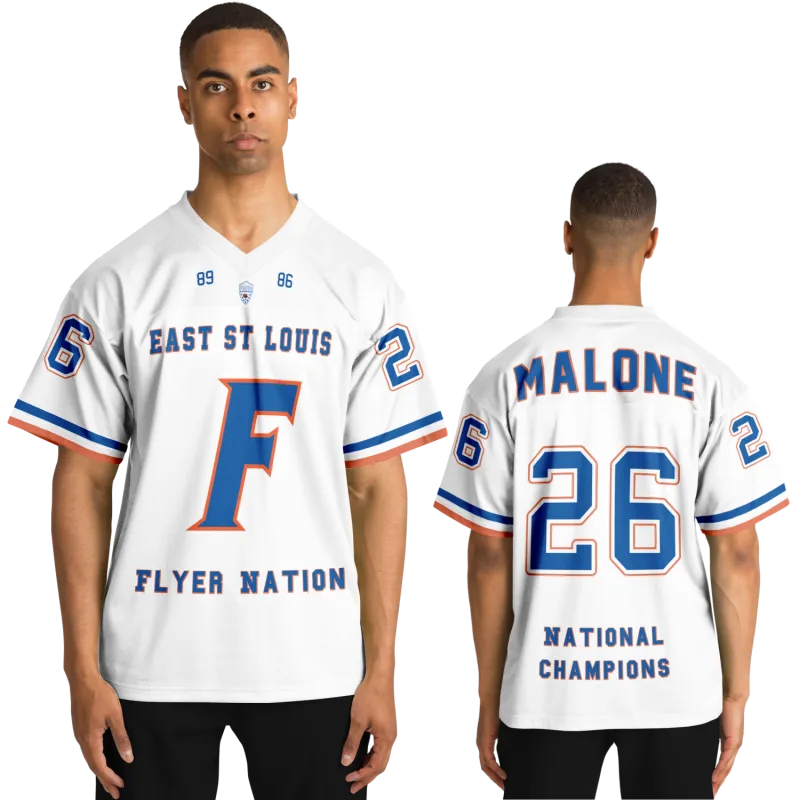
The jersey wasn't just a uniform. It was, for many of us, one of the first times we wore something that said this is who I am in public.
The Peer Group That Actually Mattered
Not all high school peer groups are equal in their developmental impact. Research published in the Journal of Adolescence has consistently shown that activity-based peer groups (groups organized around a shared goal and regular shared challenge) produce deeper, more enduring bonds than social peer groups organized primarily around proximity or shared leisure.
The difference is adversity.
Sports teams don't just spend time together. They suffer together. They lose together. They drag themselves to 6am practice in January together. They run one more sprint when their lungs are already screaming together. And the social science of bonding is unambiguous on this point: shared adversity accelerates intimacy at a rate that shared enjoyment cannot match.
This is why the friendships from your team feel categorically different from other high school friendships. You didn't just know those people — you knew them at their most tired, most frustrated, most determined, and most raw. You saw who they were when no one was performing for anyone.
The Specific Mechanics of How Those Bonds Formed
Understanding why those friendships lasted requires understanding how they formed — and it wasn't simply time spent together. Four specific mechanisms were operating simultaneously during your playing years, and each one did something different to your social brain. The bond that forms between teammates in those years operates on a different psychological register than ordinary friendship — and once you understand why your high school teammates are different from every other friend you've made, you begin to see why no other relationship in your life quite compares.
Shared Vulnerability Created Trust at Accelerated Speed
The first day of tryouts, the first brutal practice, the first time you lost a game you thought you'd win — these experiences created a specific social condition that researchers call "common fate." You and your teammates were in the same situation, facing the same stakes, with no individual escape route. Either the team found a way through, or nobody did.
When former athletes describe their playing years, this shared-stakes environment comes up again and again as the defining feature. Not the wins. Not the trophies. The moments when things were hard and everyone was in it together.
Shared vulnerability builds trust faster than almost any other social mechanism. It bypasses the careful, gradual disclosure that governs most friendships and goes straight to: I have seen you struggle and you have seen me struggle and we are still here. That's a foundation that casual friendships rarely reach.
Repeated Ritual Created a Shared Inner World
Every team develops its own culture: its own language, its own inside references, its own superstitions and routines. The specific warm-up sequence. The thing someone always yelled before a game. The ritual that developed organically and became a non-negotiable part of game day.
These rituals did more than create tradition. They created what psychologists call a "shared inner world": a private social reality that only team members had access to. And shared inner worlds are one of the most powerful bonding mechanisms available to human social groups, because they create an "us" that is defined precisely by the existence of a "them" (everyone who doesn't share it).
This is why, 20 years later, you can run into a former teammate and within 60 seconds both of you are speaking in references that no one else in the room understands. The inner world didn't dissolve when the season ended. It was built into your memory structure.
Identity Anchored at a Formative Moment Doesn't Let Go
Here is the piece that most nostalgia explanations miss: the bonds from high school sports are so durable partly because they were formed during the specific developmental window when your identity was being constructed, not just experienced.
The friendships you made between 14 and 18 aren't just memories of people you knew. They're part of the architecture of who you became. The teammates who pushed you, challenged you, believed in you when you didn't believe in yourself — they weren't just witnesses to your development. They were participants in it.
When you see them now, you're not just seeing an old friend. You're seeing someone who was present at the construction of you.
You Chose This Group — and It Chose You Back
Here's the difference hiding in plain sight: a team was one of the only groups in your teenage life that you chose. Your homeroom was assigned. Your classes were scheduled for you. Your bus route, your lunch table, your neighborhood — those were proximity, not preference. But walking into tryouts, you made a decision. You volunteered for something hard, and the team chose you back by keeping you on it.
Psychologists call this self-determination: when a commitment is voluntary rather than imposed, it generates an internal, autonomous motivation that a required activity can't produce. You didn't stay because someone made you. You stayed because being there mattered to you. And that single fact changes what the bond is made of.
Proximity bonds are built from convenience: you get close to whoever happens to be nearby. Chosen bonds are built from identity: you attach yourself to a group because membership says something true about who you want to become. When the choice is mutual — you picked them and they picked you — the relationship anchors to your sense of self instead of a seat assignment.
That's why the friendship survived the end of the season. Proximity dissolved the moment you all walked out of that gym for the last time. But a bond you chose is one you keep choosing, quietly, for the rest of your life.
Marcus T., 41, played varsity soccer at a mid-sized school in Ohio and still texts his goalkeeper every time either of them watches a World Cup match. "We were terrible our junior year," he says. "Lost eleven games. But I think about that season more than the one where we made regionals. We were just — in it together in a way I've never experienced since. I moved three times in my thirties. Those are still the guys I call."
What Homecoming Season Actually Brings Back
If you're reading this anywhere near a homecoming weekend — your own school's, your kid's, a town you grew up in — you already know what happens to those memories this time of year.
They surface with a specificity that's almost startling. Not vague warmth, but the exact weight of the ball in your hands, the exact sound of a particular gym, the exact face of someone you haven't thought about in months who suddenly feels completely present.
Homecoming season does this because it reinstates the environmental cues that were present during the original experience. The smell of cut grass in autumn. The sound of a marching band. The particular quality of October light on a Friday evening. These aren't just sensory triggers. They're memory retrieval cues that activate the entire neural network of those years.
The athletes who report the most vivid homecoming memories aren't necessarily the ones who had the most successful playing careers. They're the ones whose social identity was most fully formed through the team experience: the ones for whom the jersey represented something that felt genuinely true about who they were.
What the Reunion Feeling Is Actually Telling You
When you see a former teammate at homecoming and feel something disproportionately large for someone you haven't spoken to in a year, that feeling is information.
It's your identity system recognizing someone who was present at your formation. It's not nostalgia for high school in general. It's recognition of someone who knew you before you were fully finished becoming yourself, and who is one of the few people in your current life who holds that knowledge.
Former athletes who discount that feeling — who call it "just nostalgia" and don't act on it — often report lower satisfaction with their adult social lives than those who lean into those reconnections and maintain them. The feeling isn't a trick of memory. It's a signal about what actually mattered. That said, there is a meaningful difference between healthy athletic nostalgia and living in the past — and understanding where that line sits matters for your wellbeing as much as honoring the memories does.
How Those Friendships Shaped Who You Became Off the Field
This is the piece that doesn't get enough attention in the "sports are good for kids" conversation: the high school sports experience doesn't just create friendships. It teaches you how to be a friend.
The specific social skills that team sports require — reading non-verbal communication under pressure, managing conflict within a group that can't simply dissolve, subordinating individual recognition for collective outcome, showing up when you don't feel like it because other people are depending on you — these are relationship skills. And the people who practiced them at high intensity for three or four years between 14 and 18 carry a distinct advantage in adult relationships.
The teammate who learned to tell a friend a hard truth because the team needed to hear it became the adult friend who actually tells you when something is wrong. The athlete who learned to hold the group together after a devastating loss became the family member who knows how to be steady in a crisis.
These things transfer. They always transferred. Most of us just didn't have the language to name it while it was happening.
The Social Identity That Stayed
Ask most former high school athletes to describe themselves, even decades later, and somewhere in the first few sentences you'll hear it: I played [sport]. Not I used to play. The present tense slip is revealing.
Sports participation at the high school level — particularly at the varsity level, where the identity investment is highest — gets integrated into core self-concept in a way that most other high school experiences don't. Clubs, classes, jobs: these are things you did. The team is something you were.
That's not a small distinction. It means the friendships formed within the team are attached to your sense of self, not just your memory of an experience. And that's why they last.
Your Jersey Is Still Out There Waiting
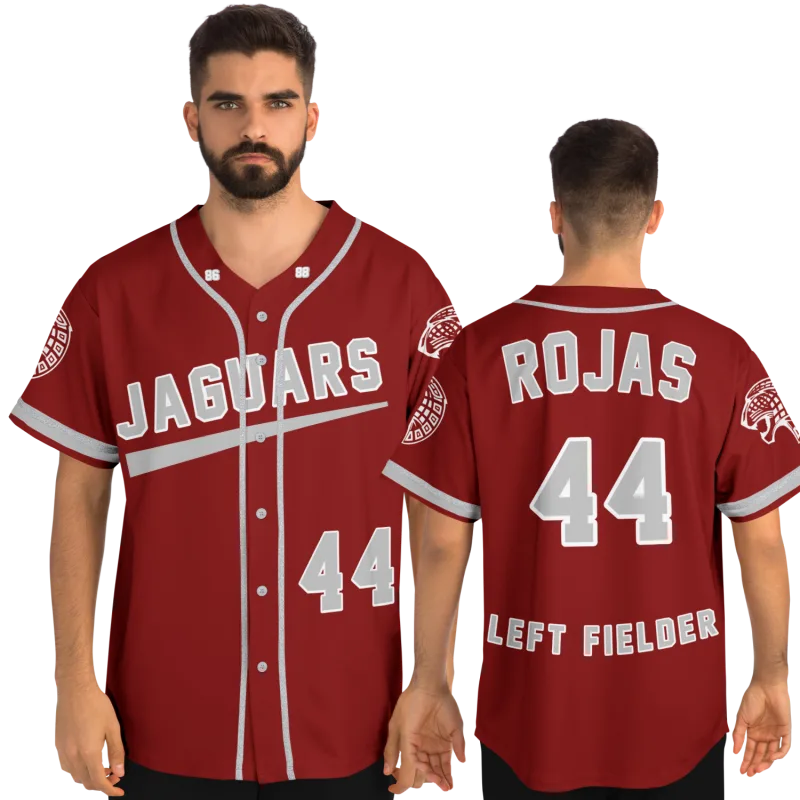
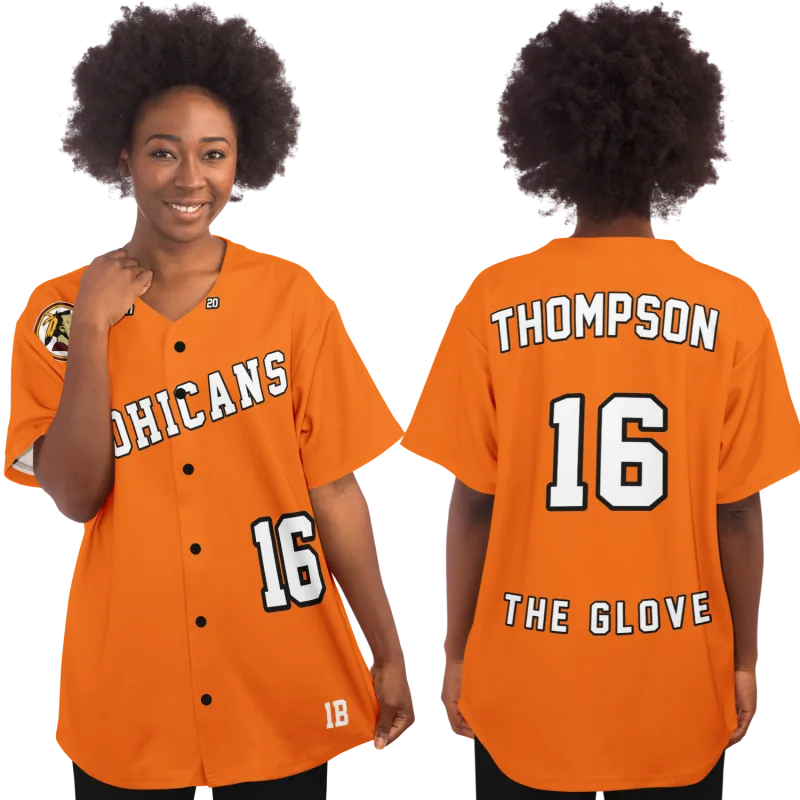
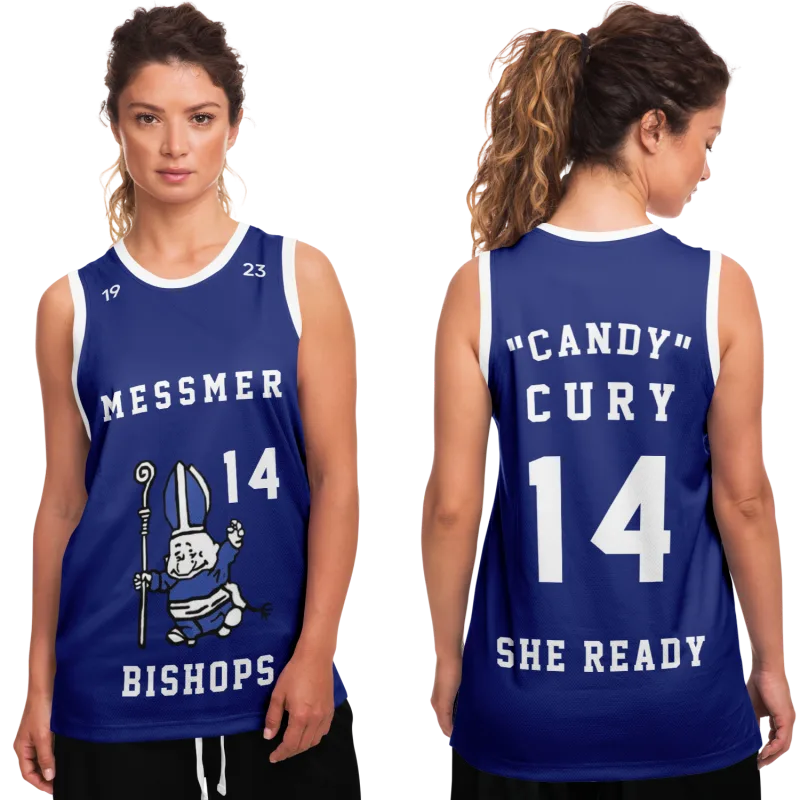
Design yours in minutes and see your name and number just the way you remember it — the same colors, the same position, the same number you wore when those friendships were being built.
Frequently Asked Questions
Why do high school sports friendships feel different from other friendships?
High school sports friendships form through a combination of factors that rarely occur simultaneously in adult life: shared adversity, repeated ritual, common purpose, and a developmental stage when identity is actively being constructed. The result is a bond that feels less like a friendship you chose and more like something that was built into who you are — because, neurologically and psychologically, it was.
Is it normal to feel strong emotions about high school teammates you haven't spoken to in years?
Completely normal, and not simply nostalgia. Those teammates were present during your identity formation years, which means reconnecting with them activates the same neural architecture that was present during that formative period. The emotional response is disproportionate to recent contact precisely because the original bond was formed at such a foundational level.
Can you rebuild high school sports friendships after years of lost contact?
Yes — and research on adult reconnection consistently shows that relationships formed during high school and college tend to reestablish more quickly than their dormant period would predict. The shared inner world, the common experiences, and the identity-level bond don't require maintenance in the way that adult friendships do. Most former teammates report that reconnecting feels like resuming, not starting over. If you have been thinking about reaching out but are not sure where to begin, we have a practical guide to reconnecting with former high school teammates after years apart.
Why does homecoming season specifically trigger sports memories so intensely?
Environmental cues — sensory details like the smell of autumn grass, the sound of a marching band, the quality of October light — function as memory retrieval cues for the neural networks formed during the original experience. Homecoming season reinstates multiple sensory cues simultaneously, which is why the memories it triggers tend to be unusually specific and vivid rather than general and warm.
What made the friendships formed through losing seasons or difficult years feel the most durable?
Shared adversity is the most powerful bonding mechanism available to human social groups. Seasons marked by struggle, losing records, or significant setbacks required teammates to show up for each other in ways that successful seasons rarely demand. The intimacy created by suffering together — and choosing to continue anyway — produces a depth of trust that easy victories simply don't generate.
See also: athletic identity after high school | why high school sports still matter to adults | reconnect with former high school teammates | what high school sports teach you that nothing else could