


You still think about it.
Not every day, maybe, but more than you expected to. A song comes on in the car and you're back in the locker room before a playoff game — how your senses take you back to your playing days without ever asking permission. You catch a few minutes of a high school game on a Friday night and something tightens in your chest that you can't quite name — the kind of moment that still lives in your chest decades later. You pull up an old photo and study it longer than you planned to.
The question that actually brought you here (whether athletic nostalgia is healthy or unhealthy) is one most people never think to ask. They either tell themselves they've moved on (even when they haven't) or they assume there's something wrong with them for caring this much. Neither answer is right.
What's actually happening is more interesting, and more useful, than either of those explanations.
This article gives you a real framework for understanding your relationship with your athletic past — not a dismissive "stop living in the glory days" lecture, and not an uncritical "cherish every memory" pep talk. Something more honest than either.
What Psychology Actually Says About Athletic Nostalgia
Nostalgia isn't a weakness. That's not just reassurance. The research shows it.
Constantine Sedikides and colleagues at the University of Southampton have spent years studying nostalgia across populations and cultures. Their consistent finding: nostalgia is a psychologically protective emotion. It bolsters feelings of social connectedness, strengthens sense of self-continuity, and buffers against loneliness and anxiety. Far from being a retreat from reality, nostalgia, used well, is a resource.
For former athletes, this dynamic has a specific texture. You're not just nostalgic about a time in your life, but about a version of yourself: a person defined by physical capability, team membership, clear goals, regular feedback, and a strong sense of identity. That's an unusually dense cluster of meaning to walk away from.

So when memories of your playing days carry emotional weight, that's a sign you were genuinely alive during those years, not a sign of dysfunction.
The important question isn't whether those memories affect you. It's how they affect you — and whether that effect is moving you forward or holding you in place.
Two Concepts That Change How You See This
Psychologists who work with athletic identity use two terms that most sports nostalgia conversations never surface. Understanding them gives you a completely different lens on your own experience.
Identity Integration
Identity integration is what happens when your athletic past becomes one chapter in an ongoing, evolving story of who you are. The athlete you were informs the person you are now — your discipline, your competitiveness, your capacity for discomfort, your understanding of what it means to be on a team. Those qualities didn't disappear when the season ended. They transferred.
A former athlete operating from integrated identity talks about their playing days with warmth and specificity but isn't defined by them. They can say "I played Division II soccer for four years and it shaped how I lead" without the sentence being a source of grief. The past is real and honored; it isn't the only thing that's real.
This is healthy athletic nostalgia. The memories serve the present rather than competing with it.
Identity Foreclosure
Identity foreclosure is the clinical term for what happens when someone's sense of self becomes locked to a single role or chapter — often one that has ended. For former athletes, foreclosure looks like this: the athlete identity was so central, so complete, that no subsequent identity has been allowed to replace or expand it.
A former athlete experiencing foreclosure may not describe themselves that way. They might just feel vaguely dissatisfied with their post-sports life, struggle to connect deeply with new communities, or find that conversations reliably drift back to their playing days. In more significant cases, they measure every physical achievement against what they once did, use their athletic history as a primary credential in new relationships, or experience a low-grade resentment toward the life they're living now.
This is what living in the past sports culture dismisses as mere sentimentality — but it's actually a meaningful identity challenge. And it responds to self-awareness.
The Self-Assessment: Four Questions That Tell You Where You Stand
Before you decide what category you're in, these four questions are more useful than any checklist.
1. Do your athletic memories energize you or diminish you?
Healthy nostalgia leaves you feeling capable and connected to a strong version of yourself. Unhealthy fixation leaves you feeling like the best version is behind you — like the memories are evidence of your peak rather than the foundation for what comes next. Pay attention to your emotional state after you've spent time in those memories, not just during.
2. Do you use your athletic past to anchor your identity in new relationships?
There's a difference between mentioning you played college lacrosse because it's relevant context and leading with your athletic history as your primary credential. If you notice that "I played [sport]" is one of the first things you tell new people — or that you feel diminished in rooms where no one knows that about you — that's worth examining.
3. Are your current physical standards set by who you were at 19?
This one is subtle but common. A 42-year-old former swimmer who refuses to exercise because "I used to swim three hours a day and anything less feels pointless" is being governed by an old identity, not informed by it. The old standard has become a barrier instead of a benchmark.
4. Does remembering feel like honoring or like haunting?
This is the most subjective question and often the most accurate. When you recall a specific game, a specific season, a specific moment — does the memory feel like visiting something precious, or does it feel like being visited by something you can't shake? Honoring involves agency. Haunting involves compulsion.
Marcus T., 38, Found the Line in an Unexpected Place
Marcus played four years of college basketball at a mid-major program — started his junior and senior years, made the conference all-defensive team once. Nothing that made SportsCenter. Everything that made him who he was.
At 36, he noticed he'd stopped going to his son's youth basketball games after the first quarter. He told himself it was because the kids weren't serious enough to watch. That particular story — "I can't watch because they're not playing it right" — almost always covers something else. For Marcus, what he eventually named was this: watching kids play the game reminded him, viscerally, of what he'd lost access to. The response wasn't dismissal. It was grief.
Recognizing that distinction — not "this is boring" but "this hurts and I'm avoiding it" — was the beginning of a different relationship with his athletic past. He started coaching the team the following season. The memories didn't go away. They just changed function.
What Healthy Athletic Nostalgia Actually Looks Like in Practice
The concept of "healthy" is easy to name and harder to describe in behavior. Here's what it actually looks like day to day, not as aspiration but as observable pattern.
- You reference your athletic past as context, not credential. "My background in cross-country taught me that suffering is temporary" is identity integration. "I was a state qualifier, so I know what I'm talking about" in an unrelated conversation is foreclosure.
- You can watch your sport being played without it being primarily about what you once were. There's pleasure in the game itself, not just in the memory of your place in it.
- You've transferred athletic qualities into your current life. Competitiveness, coachability, resilience under pressure: these exist in your professional or personal life in recognizable form. You're still an athlete in the ways that matter; you just compete on different terrain.
- Your physical relationship with yourself is about what your body can do now, not what it used to do. This doesn't mean ignoring decline. It means that today's workout has its own value instead of being a referendum on 2005.
When Sports Nostalgia Deserves More Attention
Is sports nostalgia bad? As a blanket question, no — and anyone who tells you to simply stop caring about your athletic past doesn't understand how identity works. But there are specific patterns that deserve honest attention rather than either dismissal or romanticization.
Nostalgia moves from resource to problem when it consistently produces pain rather than warmth — when the memories feel like evidence of loss rather than evidence of a life fully lived. It warrants closer examination when:
- You've organized your sense of self-worth around athletic achievement in ways that have no present equivalent
- The gap between who you were at peak performance and who you are now has become a source of chronic dissatisfaction rather than motivation
- Your relationships with people who didn't know you as an athlete feel thinner or less real
- You find yourself unable to be genuinely proud of non-athletic accomplishment because "it's not the same thing"
None of these patterns makes you broken. All of them are responsive to the same intervention: deliberately building a present-tense identity that is layered enough to carry the weight your athletic identity once carried. That's a practical description of what former athletes who thrive actually do, not therapy-speak for "forget sports."
How to Use Your Athletic Past as an Asset Instead of an Anchor
The former athlete who has integrated their athletic identity well isn't someone who has put the past behind them. They're someone who has brought the past forward — selectively, deliberately, in ways that serve the life they're building now.
Here's what that looks like in practice:
-
Name the transferable qualities specifically. Don't just say "sports taught me discipline." Name the specific behavior: "I know how to show up to something when I don't feel like it, do the work anyway, and trust the cumulative effect." The sport you played shaped the adult you became — and naming exactly how gives you access to qualities that most people never learn to articulate. That's a real professional and personal asset. Articulating it clearly makes it available — and it's what makes explaining your athletic past in a job interview land, because the qualities travel further than the box score ever did.
-
Find the present-tense arena. The need for competition, for measurable progress, for team belonging — these don't disappear when the jersey goes in a box. They need a new field. For some former athletes it's business. For some it's endurance events. For some it's community leadership. The arena is less important than the deliberate choice to enter one.
-
Let the memories inform your story, not conclude it. The most useful thing your athletic past can do is give you an origin story with specificity and texture — a "this is where I come from and this is what it built in me" that makes your current self legible and credible. That only works if the story is ongoing, with your athletic chapter as act one rather than the finale.
-
Reconnect with the community, not just the memory. Watching your sport, coaching it, playing recreational versions of it, or simply being around people who share that history — these are acts of integration, not regression. You don't have to choose between the past and the present. The past can live inside the present, enriched by what's come since.
Point the Memory at Your Body, Not Your Former Self
Here's the part most former athletes never hear: the same memory that stalls you can also start you.
Nostalgia research keeps landing on a finding that sounds too convenient until you feel it work. When adults reconnect with why sport mattered (the reason they loved it, not the numbers they once hit), they become reliably more willing to move again. Psychologists describe nostalgia as a motivational force: it doesn't just warm you, it primes you to act. Remembering what it felt like to be capable doesn't have to be a eulogy for that capability. It can be the reason you get moving.
The trap is comparison. "I used to squat 300, so a twenty-minute walk is pointless" is the mechanism that turns former athletes sedentary. Measured against your old peak, nothing you do now clears the bar — so you do nothing. That isn't nostalgia. That's nostalgia aimed backward at a standard you can no longer meet, and it's the same reason why former athletes need to move differently now matters more than any generic gym advice.
The fix is to change what the memory points at. Let it re-activate the identity — "I'm someone who shows up and does hard physical things" — instead of re-litigating the numbers. The identity can walk into any gym at any age. The 19-year-old's stats can't.
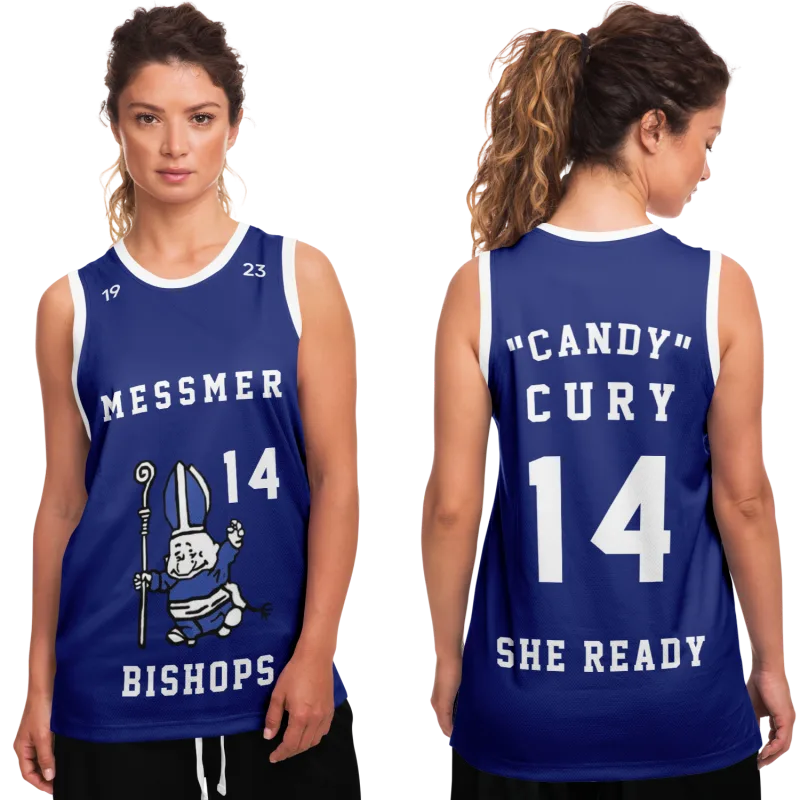
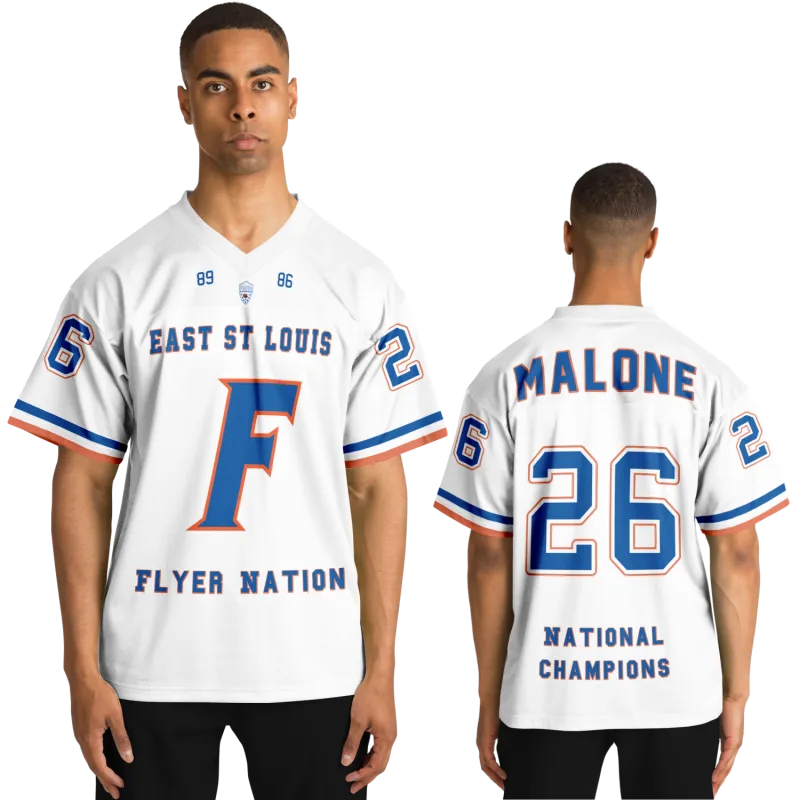
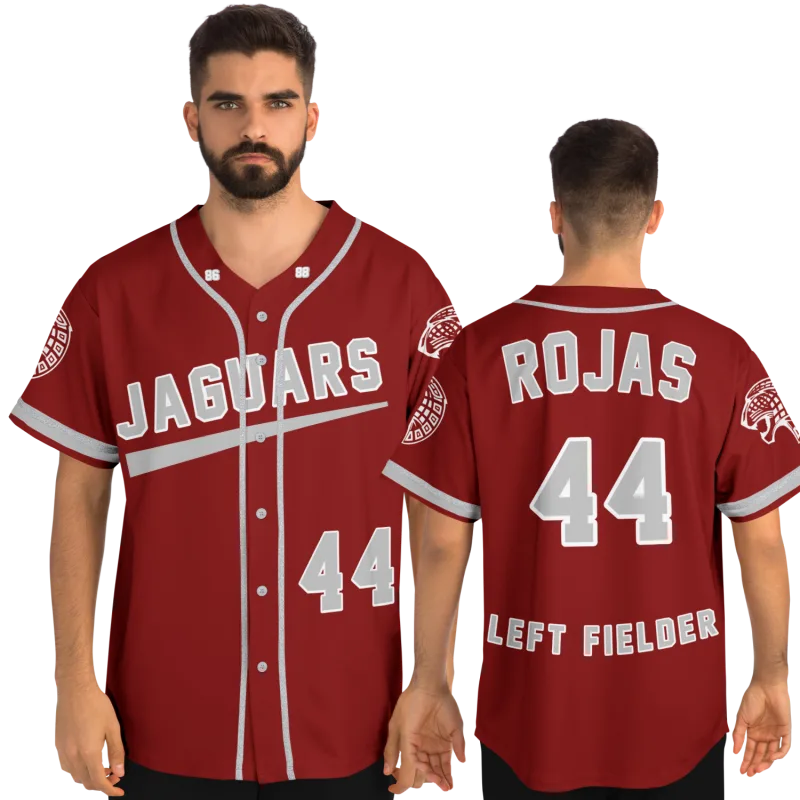
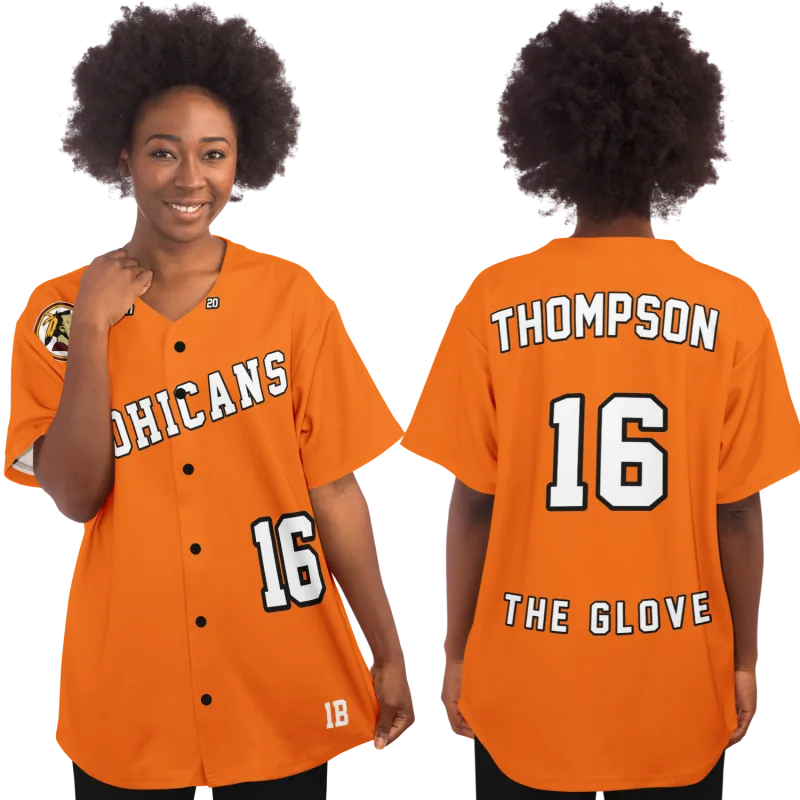
Your jersey is still out there waiting.
Design yours in minutes and see your name and number exactly the way you remember it.
Frequently Asked Questions
Is it normal to still miss playing sports years or decades later?
Yes — and it's more common than most former athletes realize, because few people talk about it openly. Athletic participation involves a density of identity, community, physical sensation, and purpose that most post-sports contexts don't offer again in the same combination. It's also why something that references your playing days hits different than generic sports gear — it connects to a version of you that most of the world never sees. Missing that is an appropriate response to genuine loss, not something pathological. The relevant question is whether the feeling informs your choices productively or becomes a recurring source of grief that resists resolution.
How do I know if I'm a former athlete stuck in the past versus simply honoring my history?
The clearest indicator is directionality: does remembering your athletic past give you energy that moves into your present life, or does it consistently pull your attention and emotional investment away from it? Integration feels like drawing on a resource. Foreclosure feels like returning to a place where you still belong in ways you can't find elsewhere. If the memories feel more like your real life than your actual current life, that's worth taking seriously.
Can nostalgia about my playing days be healthy even if I never played at a high level?
Absolutely. The psychological mechanisms of athletic nostalgia operate independently of competitive level. What matters is the meaning the experience held — the belonging, the embodied effort, the clarity of purpose — not the tier at which you competed. A recreational softball player who found genuine community and identity in the game can experience exactly the same spectrum of healthy nostalgia and identity challenge as a former Division I athlete. The hierarchy of achievement is irrelevant to the depth of the experience.
At what point should someone consider talking to a professional about their relationship with their athletic past?
When the pattern is producing consistent functional interference: chronic dissatisfaction with current life that resists other interventions, relational difficulty that you can trace to identity rigidity, or depression that seems connected to the loss of athletic identity. A sports psychologist or therapist familiar with athletic transition can be genuinely useful. This isn't a common need, but it's a legitimate one. The transition out of serious athletic participation is one of the less-discussed grief processes in adult life, and it responds to skilled support the same way other grief does.
Can reliving my playing days actually hurt me physically?
Yes — when the memory turns into an instruction to chase your old peak in a body that no longer matches it. Trying to train at 45 the way you trained at 19, or measuring every workout against what you could once do, is one of the most common ways former athletes end up injured and discouraged. Your body is not your glory-day body, and the healthy path is adaptation, not a rerun of that peak. Let the memory remind you that you're someone who moves — then move in the shape your current body actually offers. Respecting the change isn't quitting on your past; it's how you keep playing some version of the game for decades longer.
See also: the psychology of athletic nostalgia | losing your athletic identity after high school | grief that comes with the end of your athletic career | why you still dream about high school games | gap between your athletic memory and your current body