



The locker room empties differently on the last day.
You've been in that room hundreds of times — the noise, the smell, the ritual of it. But the final time, something is slightly off. People are louder, maybe, or quieter. Someone takes a photo. The coach says something that lands harder than you expected. And then you walk out, and the season is just... over.
Not the season. The whole thing.
If you're searching for how to keep your athletic identity alive after high school, you already know this feeling. You're not looking for a motivational poster. You're looking for a real answer to a real question: Who am I now that the team isn't there?
This guide is the answer. Not the vague, "stay active and believe in yourself" version. The specific, concrete, worked-out version, from someone who has watched hundreds of former athletes navigate this transition and seen what actually works.
The Identity Problem Nobody Warned You About
Here is what nobody tells you before graduation: for most high school athletes, sports wasn't just an activity. It was the organizing structure of daily life.
Practice told you where to be at 3:30 PM. Your team told you who your people were. Competition told you how you were doing. Your sport gave you a language, a tribe, a way of measuring yourself against the world. It handed you an answer to the question Who are you? before you ever had to ask it.
When that structure disappears — even if you chose to walk away, even if you're relieved — the absence is disorienting in a way that's hard to articulate. Research published by the American Psychological Association on athletic identity and retirement from sport confirms what athletes already feel: the stronger your identification with the athlete role, the more significant the psychological transition when that role ends.


This isn't weakness. It's not immaturity. It's what happens when a core part of your self-concept suddenly has no institutional home.
The good news: the athletic identity doesn't disappear. It just needs a new structure to live inside. Here's how to build one, starting with reconnecting with the athlete you were.
Separate the Mindset from the Sport
The first and most important distinction to make: your sport was the vehicle. Your athletic mindset is what you actually developed.
The sport required specific skills — a basketball player's footwork, a wrestler's leverage, a sprinter's start position. Those are transferable in limited ways. But what organized sports actually trained you to do is something far more portable:
- Tolerate discomfort on purpose. You showed up to two-a-days. You practiced in January. You ran hills when nobody was watching. You taught yourself that voluntary suffering leads somewhere.
- Operate inside a process. You didn't become good at your sport by wanting it harder. You followed a system — drill progression, film review, periodized training. You understand that outcomes follow from process.
- Compete with yourself when external competition isn't available. Every practice was a version of this. You ran the rep again because the last one wasn't right, not because anyone made you.
These are not athletic traits. They are human traits that sports happen to develop exceptionally well. Maintaining your sports identity after high school starts with recognizing that you already own these capacities: you just need environments where they can operate.
The mistake most former athletes make is waiting for something that feels like their sport before they re-engage those capacities. It never feels the same. It doesn't have to. The mindset works in contexts that look nothing like a game.
10 Concrete Strategies That Actually Work
1. Find a Rec League — and Take It Seriously
Adult recreational leagues exist in almost every sport, in almost every metro area, at almost every skill level. Volleyball. Flag football. Soccer. Softball. Basketball. Rugby for people who've never played rugby.
The mistake former athletes make with rec leagues is treating them as social events with some movement attached. That's fine, but it won't satisfy the athletic identity, because that identity was built on trying. On caring about the outcome.
In my experience as a former player, the athletes who successfully use rec leagues as an identity anchor are the ones who show up early, study the other players in the first two games, and intentionally try to get better at something each session. The competition is lower. The stakes are lower. The mindset doesn't have to be.
If your sport doesn't have a natural adult league, look adjacent. Swimmers find masters programs. Wrestlers find Brazilian jiu-jitsu. Gymnasts find CrossFit or Olympic lifting. The competitive structure is what you're after — find the closest available container for it.
2. Redefine Competition as a Personal Metric
Organized sports gave you an external scoreboard. Your team's record. Your personal statistics. The regional ranking.
Working out as a former athlete without that external scoreboard is disorienting because you're suddenly competing against an invisible opponent: yesterday's version of yourself.
That opponent is real. The key is making the competition legible: giving it the same kind of scoreboard your sport did.
This is where training logs, fitness apps, and specific performance goals stop being optional extras and become structural necessities. Your 5K time is a scoreboard. Your deadlift PR is a scoreboard. The number of consecutive pull-ups you can complete is a scoreboard. These are not the same as playing in a championship, but they are real measures of real progress against a real standard, and the athletic mindset knows exactly what to do with them.
Set a performance goal that is specific and measurable, assign it a timeline, and compete against it the same way you competed against an opponent. That's not a metaphor. That's exactly how the athletic identity functions when its original sport is no longer available.
3. Build a Training Community, Not Just a Gym Membership
Here's the real function your team served that most people don't acknowledge: accountability without having to ask for it. When you didn't show up to practice, someone noticed. When you were having a bad week, the team structure carried you anyway. The social infrastructure of sports makes individual effort far more sustainable than it is alone.
A gym membership does not replicate this. Neither does a home workout routine.
What does replicate it: a running club. A CrossFit box. A martial arts school. A group training program where people notice when you're absent and push you when you're present. The specific activity matters less than the social structure around it.
This is one of the most consistent observations from athletes who successfully maintain their athletic identity after high school: they found a community, not just a workout. The community provides what the team used to provide: belonging contingent on showing up, and a shared standard to measure yourself against.
4. Learn a New Sport from Zero
This one is uncomfortable for competitive athletes, which is exactly why it works.
Picking up a sport you've never played — trail running, rock climbing, cycling, rowing, a martial art — forces you to operate as a beginner. For athletes accustomed to being among the best in their environment, this is humbling in a productive way.
It also reactivates something important: the experience of learning. In high school sports, most athletes had been playing their sport for years before graduation. The fundamental learning phase was behind them. Picking up something new puts you back in the phase where every session produces visible improvement, and that rate of progress is one of the most motivating experiences available.
Our recommendation: choose something with a skill component, not just a fitness component. The skill learning is what keeps the athletic mind engaged. Pure cardiovascular exercise can be executed on autopilot. A sport that requires you to think, adjust, and improve keeps the competitive intelligence working.
5. Coach, Ref, or Volunteer in Your Sport
Staying connected to your sport doesn't require playing it.
Many former high school athletes underestimate how much value they can add — and derive — from coaching youth players, refereeing recreational leagues, or volunteering with their former program. The knowledge you built over years of competition doesn't evaporate at graduation. It becomes the asset you can offer to the next generation.
Coaching also does something unexpected: it deepens your understanding of the sport. When you have to explain why a movement works, or why a defensive assignment matters, you access levels of comprehension that playing alone doesn't develop. Former athletes who become coaches consistently report that coaching made them understand their own sport better than playing ever did.
This is also one of the most direct ways to maintain community with your sport — the relationships, the gym smell, the sound of practice — without requiring your 18-year-old body.
6. Set a Race or Event Goal 6–12 Months Out
Registration fees are a remarkably effective commitment device.
Pick a specific event — a 5K, a half marathon, a sprint triathlon, a powerlifting meet, an obstacle course race — and register for it before you feel ready. Pay for it. Put the date in your calendar. Tell people.
What this does is reimpose the season structure that sports provided. There is a competition date. Everything before it is training. You are preparing for something specific. The amorphous "I should work out more" becomes "I have eleven weeks until the race."
The event doesn't need to be elite. It needs to be specific and time-bound. That specificity is what the athletic identity runs on.
The Persona Moment: When the Jersey Became the Anchor
Maya T., 24, finished her last high school volleyball season ranked second in her district for kills. She went to a state school, played intramural volleyball for one semester, and then, between coursework, a part-time job, and the reality that intramural competition felt hollow, stopped playing entirely.
"I didn't realize how much of my personality was 'volleyball player' until it wasn't there anymore," she said. "I wasn't depressed exactly. I just felt like I was missing a layer."
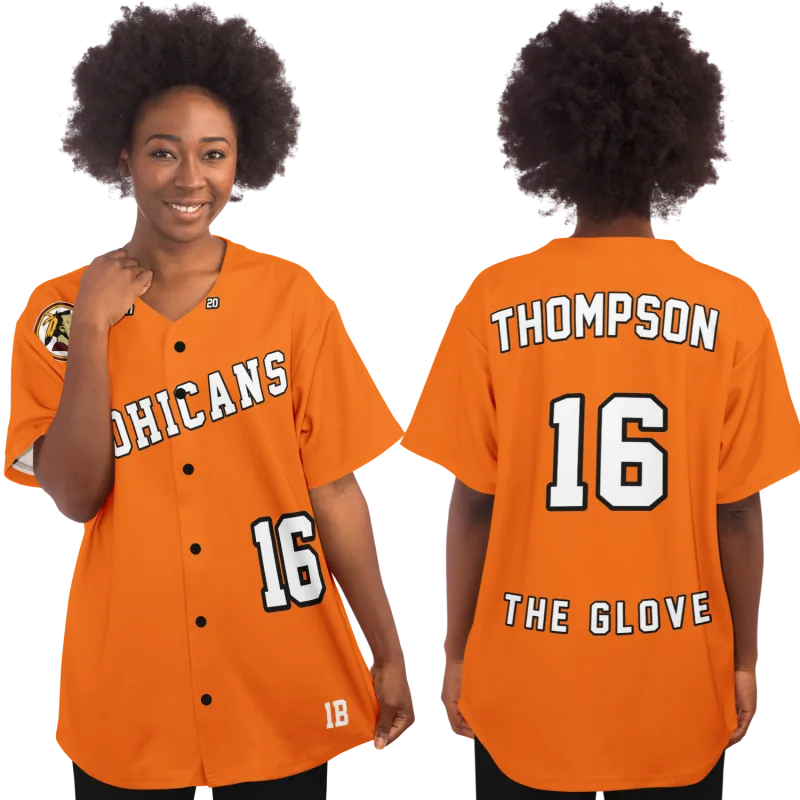
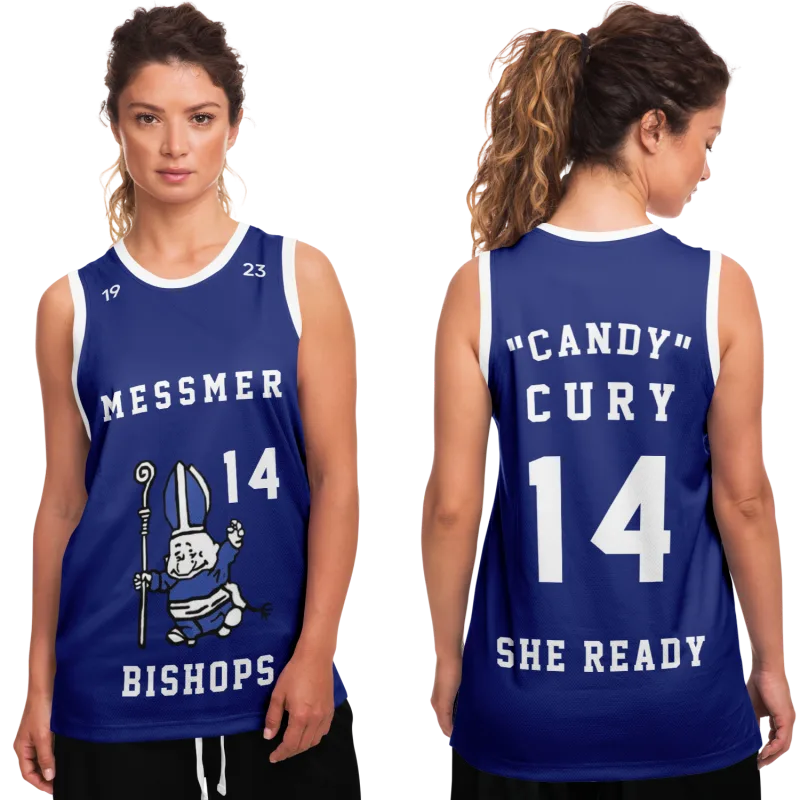
Three years later, Maya coaches a middle school club team on weekends and runs a half marathon training group that meets Tuesday and Thursday mornings before work. She ordered a custom jersey with her old number — 14 — and wears it to games. "It sounds small," she says, "but it reminded me that the identity didn't expire. I just had to figure out where else it lived."
7. Use Physical Training as a Mindset Laboratory
The athletic mind solves problems. That's most of what sports training actually teaches: not the physical capacity but the cognitive habit of identifying a gap, designing an approach, executing it, and evaluating the result.
This process works in a weight room. It works in a pool. It works on a track. And the discipline of applying it to your own training, rather than following a coach's program, develops something your high school career may not have fully built: the ability to be your own coach.
Choosing your own training program, tracking your own results, adjusting based on what's working, and holding yourself accountable to the process without external enforcement is a higher-order skill than following a prescribed workout. It's also exactly what the rest of adult life requires.
Approach your training as a problem to be solved. What's limiting your performance? What would the next six weeks look like if you addressed that specifically? Run the experiment. Evaluate the result. Adjust.
That's the athletic identity doing what it was built to do, in a context where you control every variable.
8. Protect the Morning Routine
One of the most consistent differences between former athletes who maintain their athletic identity and those who don't is not motivation or talent or free time. It's morning structure.
High school sports gave you a morning rhythm: even if practice was after school, the fact that practice existed organized your whole day around it. When that structure disappears, the day expands into undifferentiated time, and undifferentiated time is the enemy of the athletic identity.
The specific content of the morning routine matters less than its consistency and its physical component. Twenty minutes of movement before anything else — before checking a phone, before coffee, before obligations — signals to your nervous system that you are still a person who moves deliberately. It is a declaration rather than a workout.
Build it small enough that there's no excuse to skip it. Five minutes of mobility. A short run. A set of push-ups. The content is secondary to the habit of starting your day as an athlete starts their day: with intentional physical engagement before the world gets to define how you spend the next sixteen hours.
9. Reclaim the Language of Your Sport
This is the one that sounds unnecessary until you try it.
Athletes have a specific vocabulary: not just the technical terminology of their sport but a way of talking about effort, process, improvement, and competition. That vocabulary is part of the identity. When you stop using it because you no longer have a sport to apply it to, you lose access to the conceptual framework it describes.
Keep using it. Apply it to your work, your training, your non-sport goals.
You're not "working on a project." You're in the preparation phase before a deadline. You're not "going through a hard period." You're in the part of the season where the work is hardest and the results aren't visible yet. You know what comes after this part. You've been here before.
That is pattern recognition rather than self-delusion, one of the most valuable things your athletic career gave you. The patterns of effort and outcome you learned in your sport map onto every domain of ambitious human activity. Use the map.
10. Honor the History
The athletic identity is not just about what you're doing now. It's about continuity with what you've already done.
Staying an athlete after high school does not require erasing the high school chapter. It requires integrating it. The years you spent competing, the teammates you played with, the moments that mattered — those are not nostalgia traps. They are evidence of who you are.
Keep the photo. Wear the number. Tell the story when it's relevant.
The athletes who successfully carry their identity forward are not the ones who pretend the sport never ended. They're the ones who treat their playing days as chapter one of a longer story: a story where the mindset, the discipline, and the identity that sports built continue to show up in new forms.
You are still that athlete. You're just writing a different chapter now.
What "Maintaining Your Sports Identity" Actually Looks Like at 25
Let's be honest about something: maintaining your athletic identity after high school is not going to look like high school.
You will not have a coach designing your training. You will not have a team counting on your attendance. You will not have a scoreboard updating in real time to tell you how you're doing.
What you will have, if you build it intentionally, is a life that reflects the values your sport installed: discipline, competitiveness, physical engagement, the ability to suffer for something you care about, and the satisfaction of getting better at something difficult.
That's not a lesser version of the athletic life. It's a more autonomous version. You're no longer performing for a coach or a program. You're competing because it's who you are.
The high school chapter gave you the identity. What you do with it from here is yours to design.
Your Jersey Is Still Out There Waiting
Design yours in minutes and see your name and number exactly the way you remember it.
See What Other Athletes Have Made
Frequently Asked Questions
How long does it take to rebuild an athletic routine after high school?
Most former athletes find that a consistent new routine takes 6–10 weeks to feel natural, not because the physical habits are difficult to build, but because the social and structural components take time to establish. The physical part is the easy part. Finding a community, committing to an event, or establishing a regular training partner accelerates the timeline significantly. Expect the first four weeks to feel effortful and slightly hollow. The identity doesn't click back in on day one. It rebuilds through accumulated reps.
Is it normal to feel lost or sad after your last high school season?
Yes, and it's more common than most athletes admit publicly. The transition out of organized sport is a recognized psychological event, not a personal failing. The intensity of that feeling correlates directly with how central the athletic role was to your self-concept. If sports was your primary identity source for four or more years, losing that structure is a significant adjustment. The appropriate response is not to push the feeling away but to channel it toward building the next version of the athletic life. The feeling is information: it tells you that this identity matters and is worth rebuilding.
Do I need to stay in the same sport to maintain my athletic identity?
No. The athletic identity is attached to the mindset — the discipline, the competitiveness, the process orientation — not to the specific sport. Many former athletes find that switching to an entirely new sport or physical discipline actually reinvigorates the athletic identity more effectively than trying to replicate the original sport in adult recreational form. The key elements to preserve are: structured training, measurable progress, some form of competition or performance goal, and a community of people who take physical development seriously. The sport itself is the container. The identity is what lives inside it.
What if I'm not naturally motivated to work out without a team?
This is the correct diagnosis of the problem, and it means you need to import the social structure rather than generate the motivation internally. Humans are not built for isolated self-improvement; they're built for tribal effort. The solution is structural, not psychological: find a group that trains together on a fixed schedule, register for an event with a specific date, recruit a training partner who will notice your absence. Motivation follows structure far more reliably than structure follows motivation. Build the environment first. The motivation catches up.
See also: why quitting your sport felt like losing yourself | the grief that comes with the end of your athletic career | joining adult recreational leagues as a former high school athlete | how to start training again after years away from your sport | managing the gap between your athletic memory and your current body