


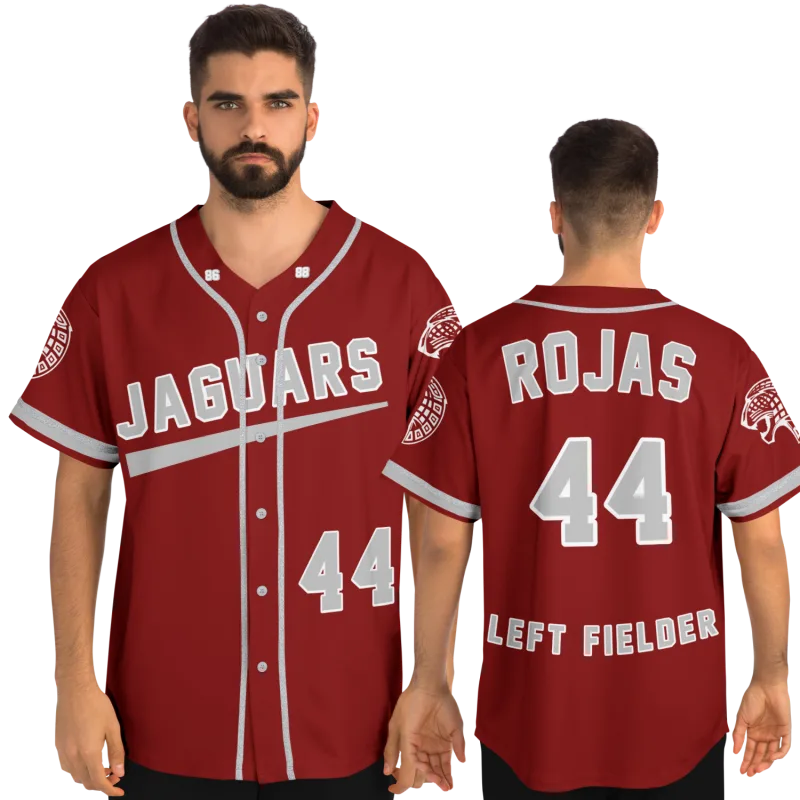
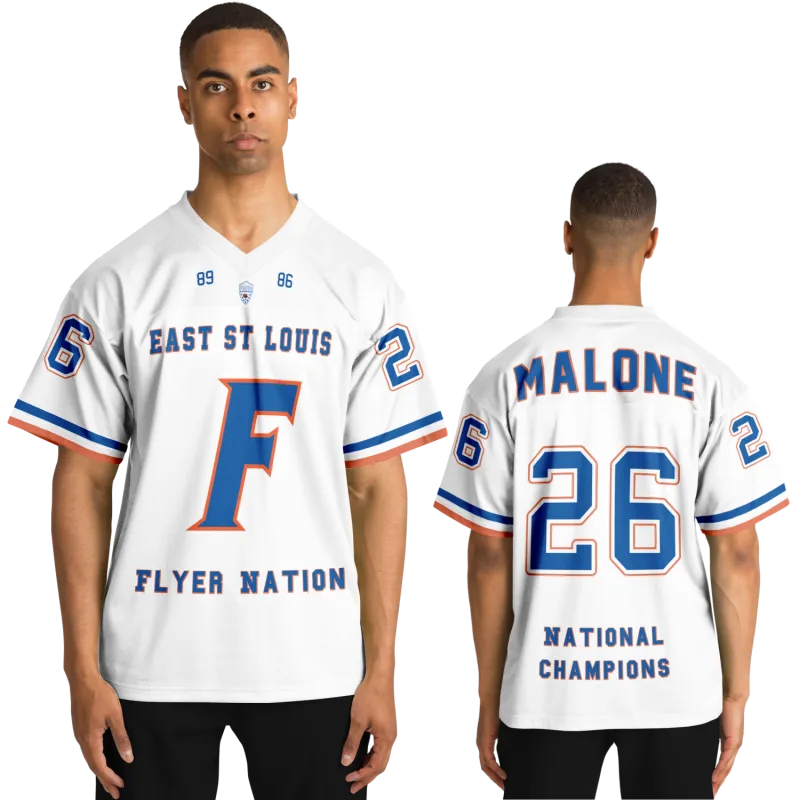
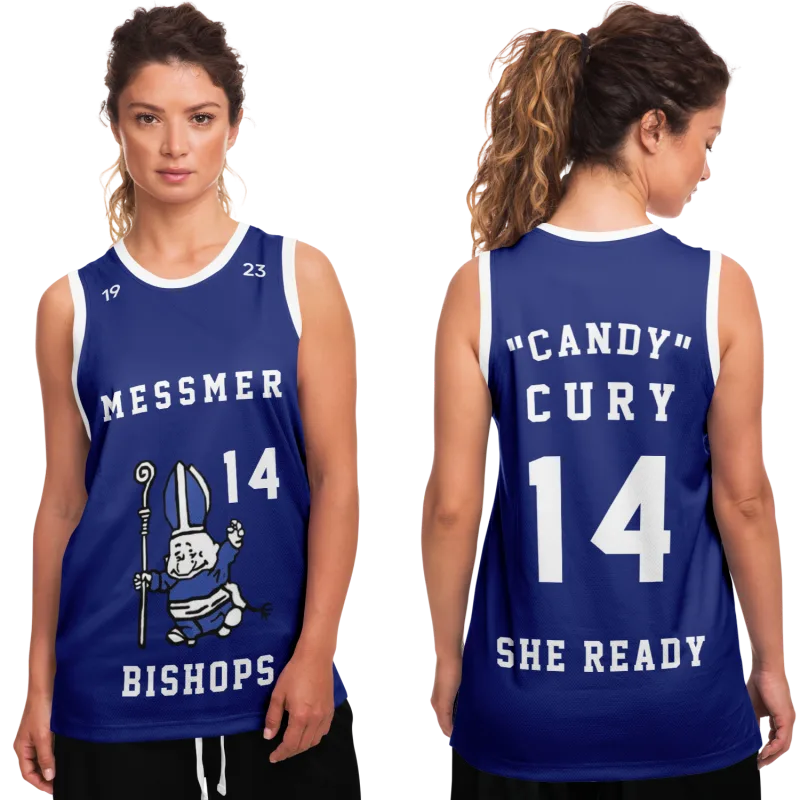
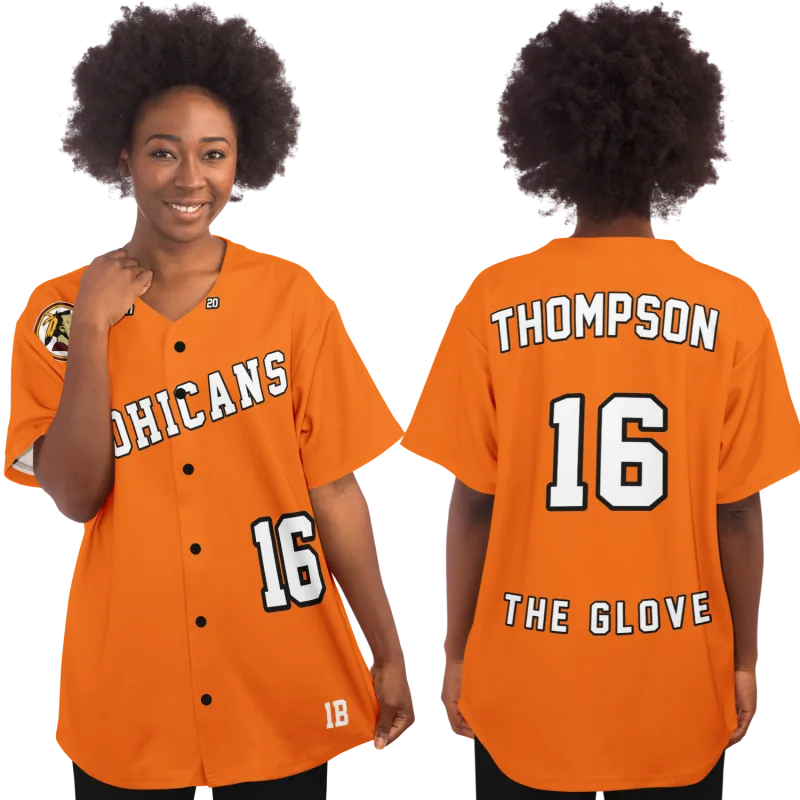
If you've ever ordered a custom jersey online and opened the package to find something that fits like a borrowed shirt from a teammate two weight classes above you — sleeves past your elbows, chest like a pillowcase, shoulder seams somewhere south of your actual shoulders — you already understand the problem with women's custom jersey fit.
You played. You wore the real thing. You know precisely what a properly fitted jersey feels like: snug at the shoulders, clean through the torso, free enough across the chest to move without bunching. When the custom jersey you ordered doesn't deliver that, it doesn't just fit wrong. It feels wrong in a way that's hard to explain to someone who never wore a number.
This guide exists because the generic sizing charts most custom jersey companies publish were built around one body type — and it wasn't yours. Understanding the actual differences between women's cut and unisex jersey construction, knowing which measurements matter most, and learning how to read a sizing chart for your specific proportions is how you go from "it's fine, I guess" to a jersey that looks the way it did when you were playing — and our full women's custom jersey fit guide takes you through every measurement one at a time.
Let's get specific.
The Real Difference Between Women's Cut and Unisex Jersey Construction
Most custom jersey companies offer two options and label them as if the distinction is obvious: "women's" and "unisex." What those labels actually mean in terms of construction varies by manufacturer, and the gap between them is often much larger than the size chart suggests.
Unisex Jerseys: Built Around a Male Torso Template
A unisex jersey is not a gender-neutral jersey. It is, in almost every meaningful construction detail, a men's jersey offered in a wider size range. The template it's drafted from assumes:
- Broader shoulders relative to hip width
- A straighter side seam with minimal taper from chest to waist
- A longer torso drop (the distance from shoulder seam to hem)
- A wider chest circumference relative to the shoulder measurement
- Sleeve length calibrated to male arm proportions
When a woman who played sports orders a unisex jersey and sizes down to compensate for the width, she often ends up with a jersey that fits across the chest but pulls at the shoulders, or fits the shoulders but gaps at the waist and falls mid-thigh instead of mid-hip.
Neither outcome is what she's looking for. And neither outcome resembles the jersey she wore when she was actually on a court, field, or track.
Women's Cut Jerseys: What the Construction Actually Changes
A properly constructed women's cut jersey adjusts several of these template assumptions simultaneously:
- Shoulder width is reduced relative to chest circumference, accounting for the anatomical reality that female athletes typically have narrower shoulders relative to their overall body width
- Side seam taper is increased, creating a narrower waist measurement that follows the natural curve from chest to hip
- Torso length is shortened, accounting for the shorter average distance from shoulder to hip in female body proportions
- Chest circumference is adjusted to accommodate bust measurement without adding excess fabric through the upper back and arms
- Armhole placement sits higher and is cut slightly differently to prevent the drooping shoulder seam that makes a unisex jersey look borrowed
The result, when done correctly, is a jersey that sits at the shoulder the way it's supposed to — not migrating toward your elbow — and falls through the torso without excess fabric pooling at the sides.
In our experience reviewing jersey manufacturers for this site, the variation in how rigorously these adjustments are applied is significant. A women's cut from one manufacturer may correct all five of these variables. A women's cut from another may only adjust chest circumference and call it a day. This is why knowing your specific measurements matters more than trusting a label.
The Measurements That Actually Determine Fit for Female Athletes
Generic sizing charts ask you to pick Small, Medium, or Large based on chest circumference. For a female athlete ordering a custom jersey, that single measurement is the beginning of the process — not the whole thing.
Here are the four measurements that determine whether a custom jersey fits correctly on a female athletic frame:
1. Shoulder Width
Measure from the outer edge of one shoulder to the outer edge of the other, straight across the back. This measurement governs where the shoulder seam sits on your body. If the shoulder width in the jersey exceeds your actual measurement by more than half an inch, the seam will droop — and no amount of side-seam tailoring fixes a shoulder that's been cut too wide.
Female athletes, even those with well-developed upper bodies from years of sport, typically measure narrower across the shoulder than a unisex jersey of the equivalent chest size assumes. A women's size medium in a well-constructed women's cut jersey should accommodate shoulder widths between approximately 14 and 15 inches. A unisex medium is often drafted to 16.5 inches or wider.
2. Chest / Bust Circumference
Measure at the fullest point of the chest, keeping the tape parallel to the floor. This is the measurement most sizing charts lead with, and it's genuinely important — but only in combination with shoulder width. A jersey that fits the chest but not the shoulder (or vice versa) doesn't fit.
3. Torso Length
Measure from the top of your shoulder to the point where you want the jersey hem to fall. Most athletes want the hem to hit somewhere between the hip bone and mid-hip — the same general length as the game jersey they wore. Women's cut jerseys typically run 2 to 4 inches shorter in the body than a unisex jersey in the same nominal size, which is usually closer to correct for female proportions. If you're ordering a unisex jersey, expect to need a size smaller than usual to get the right hem length — and prepare for the shoulder and chest measurements to be off as a result.
4. Waist Circumference (for fitted cuts)
Not all jersey styles are designed to taper at the waist, but if the women's cut you're considering has a fitted silhouette, measure at your natural waist — the narrowest point of your torso. The waist-to-chest ratio in a properly constructed women's cut jersey should reflect the natural taper of a female athletic frame. A jersey that's cut identically from shoulder to hem has no waist shaping and will look like a sack regardless of what the label says.
Every Former Athlete Remembers the Game Jersey
Every former athlete remembers the feeling of pulling on the game jersey for the first time in a new season. The weight of it. The way the number sat square across your chest. The shoulder seams landing where they were supposed to.
It's a specific physical memory. And it's one of the reasons why ordering a custom jersey that doesn't fit lands so flat — because you have a precise reference point. You know what right feels like. You wore it.
Priya M., 34, a former Division III volleyball player from the Midwest, described this very experience when she ordered her first custom jersey as an adult. She sized down from her usual size in a unisex cut and still ended up with shoulder seams an inch past her actual shoulder line. "It looked like I was wearing someone else's jersey," she said. "Which is the one thing I didn't want." On her second order, she switched to a women's cut from a different manufacturer, took her shoulder width measurement and matched it to the size chart directly rather than going by the chest measurement alone — and the fit was close enough that her college roommate, seeing a photo, asked if it was her actual game jersey.
That's the outcome you're aiming for. Close enough to the real thing that someone who was there recognizes it.
How to Read a Custom Jersey Size Chart When You're a Female Athlete
Most size charts are presented as a single number per measurement range. Here's how to use them correctly when you're accounting for female athletic proportions.
Step 1: Lead with Shoulder Width, Not Chest
Find the shoulder width column (sometimes labeled "across back" or "shoulder-to-shoulder"). Match your actual shoulder measurement to this column first. The jersey size this column points you to is your starting point — even if the chest measurement column for that same size runs slightly larger than you need. A jersey that fits the shoulder correctly can be styled to work through the torso. A jersey with the wrong shoulder seam placement cannot be corrected without tailoring.
Step 2: Check the Chest Measurement for That Size
Once you've identified your shoulder-width size, verify that the chest measurement for that size is within approximately 2 inches of your actual chest measurement. Most jersey fabrics have enough stretch to accommodate a 1 to 2 inch difference comfortably. More than that, and you're looking at a fit that will either be too tight across the chest or too loose.
If the shoulder width and chest measurement don't align in the same size — which happens for athletes with broader or narrower builds relative to the average — contact the manufacturer before ordering. Most custom jersey companies can make minor adjustments to side seams for a small fee. Ask specifically about shoulder seam adjustment if the shoulder measurement is your constraint.
Step 3: Verify Torso Length Against Your Measurement
Check the listed jersey length for your size and compare it to your measured torso length. Women's cut jerseys should run approximately 24 to 27 inches from shoulder seam to hem in most adult sizes. If the listed length is longer than your measured preference, ask whether the manufacturer offers a cropped or shorter option — many do, particularly for volleyball and basketball styles.
Step 4: When in Doubt, Size for the Shoulder
The single most common fit mistake former female athletes make when ordering custom jerseys is sizing for the chest and ending up with a shoulder seam that doesn't sit correctly. The chest is adjustable in how you wear a jersey. The shoulder seam is structural. Size for the shoulder.
Women's Cut vs. Unisex: When Each Is the Right Choice
This isn't a universal recommendation for one over the other. The right choice depends on what you're ordering and why.
Choose a women's cut when:
- You want the jersey to fit close to the way your actual game jerseys fit
- You have a narrower shoulder measurement relative to your chest circumference
- You're ordering a style that was traditionally worn as a fitted jersey (volleyball, basketball, track)
- The silhouette matters as much as the number and name on the back
Choose a unisex when:
- You want a more relaxed, oversized fit — worn over a long-sleeve shirt, as outerwear, or in a fashion-forward context
- The specific design or color you want is only available in unisex sizing from the manufacturer
- You played a sport where jerseys were worn with significant room (some football and hockey styles, for instance, are designed to be worn over pads and a unisex cut is actually closer to the original)
- You've measured and confirmed that the unisex size chart aligns with your shoulder and chest measurements in the same size
Neither choice is wrong. What's wrong is ordering without measuring, assuming a size label on a custom jersey means the same thing it means on a t-shirt, and expecting a unisex cut to fit a female athletic frame the way a women's cut does.
A Note on Number Placement and Name Lettering for Women's Cuts
One detail that doesn't come up in most custom jersey guides: the placement of the number on the front and back, and the arc of the name on the back, are often designed for a unisex torso length. When you order a women's cut with a shorter body length, confirm with the manufacturer that the number placement is adjusted proportionally.
On a full-length unisex jersey, the front number typically centers between the chest and the hem. On a shorter women's cut, that same placement formula can push the number lower than it should sit — or higher, depending on how the manufacturer handles the adjustment.
Ask specifically: "How is front number placement adjusted for women's cut sizing?" A manufacturer who can answer that question specifically has done the work. A manufacturer who gives a vague answer or says it's the same as the unisex placement hasn't.
According to Nike's jersey design documentation, number and lettering placement on women's performance jerseys follows adjusted body-length ratios — a standard the best custom jersey manufacturers apply to their women's cut templates as well. When evaluating custom jersey companies, this level of detail in their construction standards is worth asking about directly.
Your jersey is still out there waiting.
Design yours in minutes and see your name and number just the way you remember it.
Frequently Asked Questions
Can I order a women's cut custom jersey in any sport style?
Most custom jersey manufacturers offer women's cut options for basketball, volleyball, soccer, and softball styles — the sports where fitted jersey construction was most common. For football, hockey, and baseball styles, women's cut options are less universally available because those sports traditionally used looser-fitting jerseys worn over equipment. If your sport's style isn't offered in a women's cut, ask the manufacturer about side-seam tapering on a unisex cut as an alternative.
What if my shoulder measurement and chest measurement don't land in the same size?
This is more common than sizing charts acknowledge. When shoulder width and chest circumference point to different sizes, size for the shoulder first, then ask the manufacturer whether side-seam adjustments are available for the chest. Most quality custom jersey companies can accommodate this. If a manufacturer only offers standard sizing with no adjustment options, size for the shoulder and expect a slightly looser fit through the torso — which is easier to work with than a jersey whose shoulder seam doesn't sit correctly.
How do I know if a manufacturer's women's cut is actually different from their unisex, or just a relabeled smaller size?
Ask for the specific measurements in both cuts at the same nominal size — for example, the shoulder width, chest circumference, and body length for a women's medium and a unisex small. If those measurements are identical or nearly identical, the women's cut is a marketing label, not a construction difference. A genuine women's cut will show a meaningfully different shoulder-to-chest ratio and a shorter body length compared to the equivalent unisex size. The numbers should tell the story clearly.
Does fabric type affect how the jersey fits across different cuts?
Yes, meaningfully. Moisture-wicking polyester mesh — the most common material for authentic-style custom jerseys — has some directional stretch, typically more across the chest than through the shoulders. A jersey that measures slightly snug in the chest at the time of ordering will usually wear more comfortably than the measurements suggest, because the fabric gives slightly with movement. The shoulder seam, however, does not benefit from stretch in the same way — it's a structural seam that sits where it's cut. This reinforces the guidance to size for the shoulder and let the chest measurement be your secondary consideration.
See also: jersey size chart for numeric sizes | personalized sports gifts that actually make a former athlete feel seen | the gap between your athletic memory and your current body | custom softball jerseys