


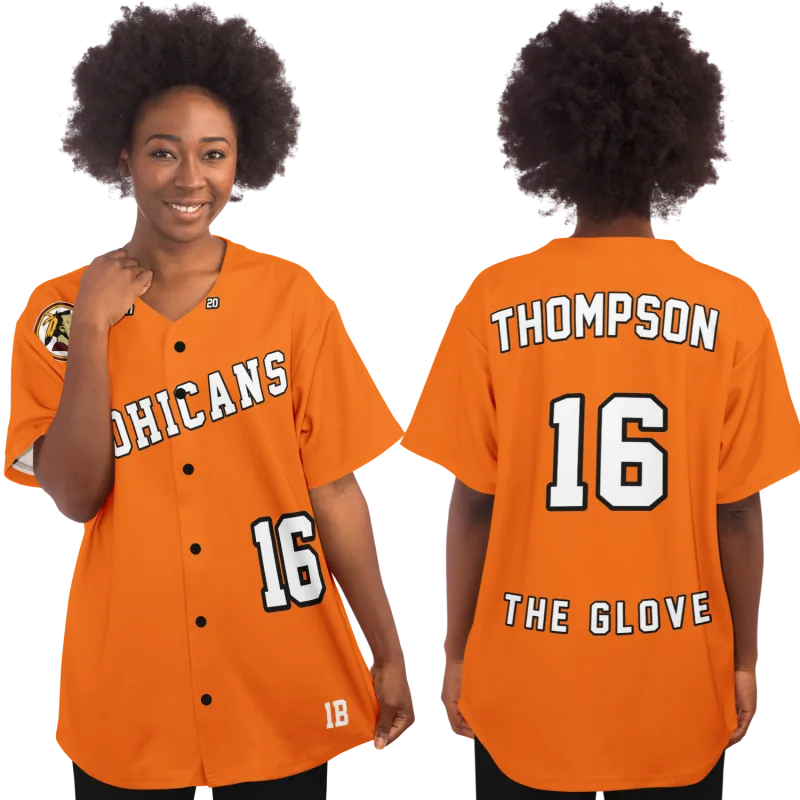
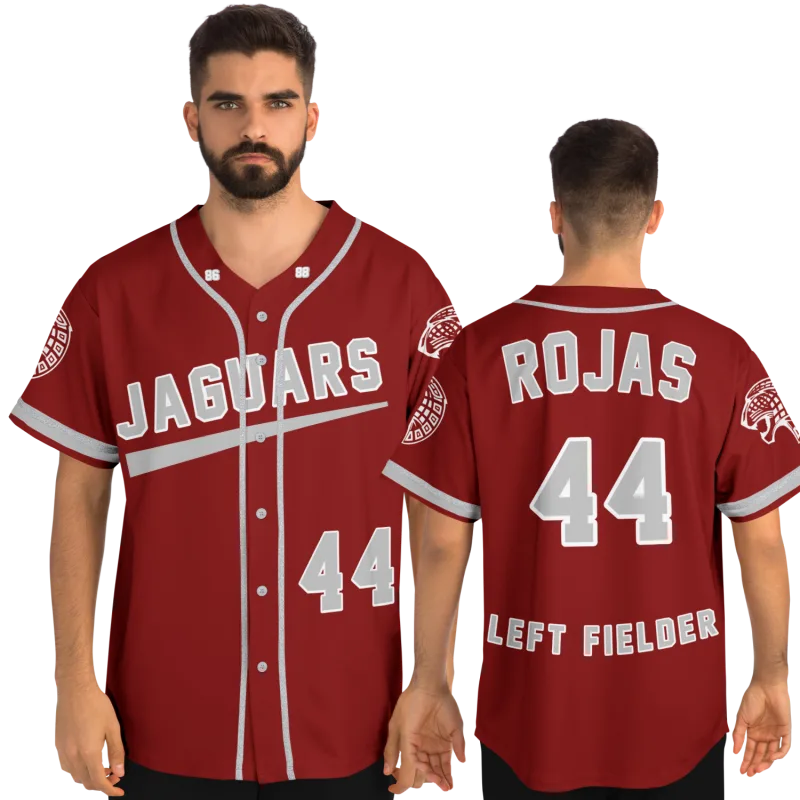
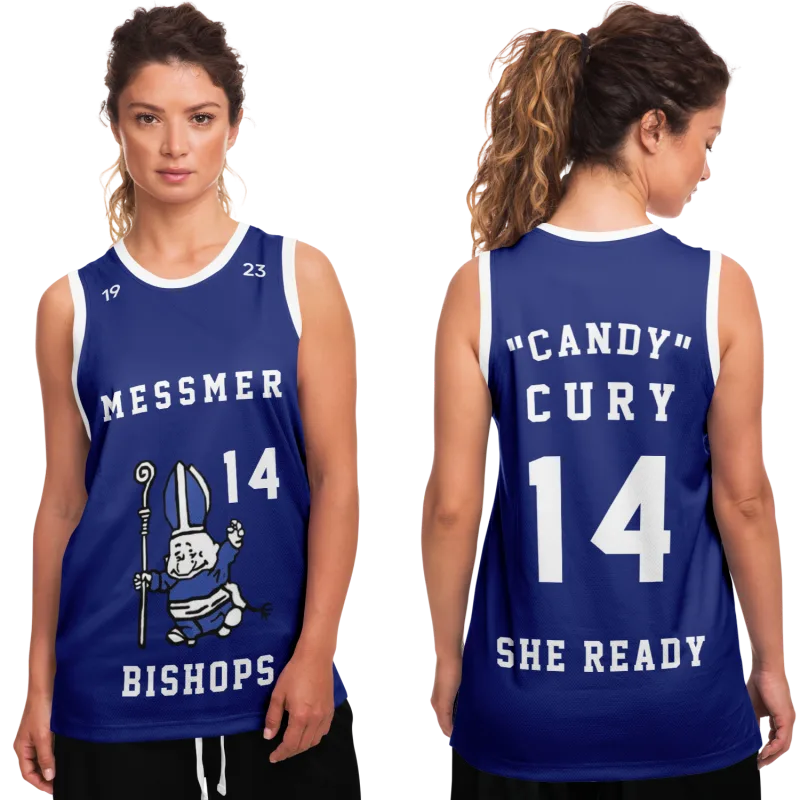
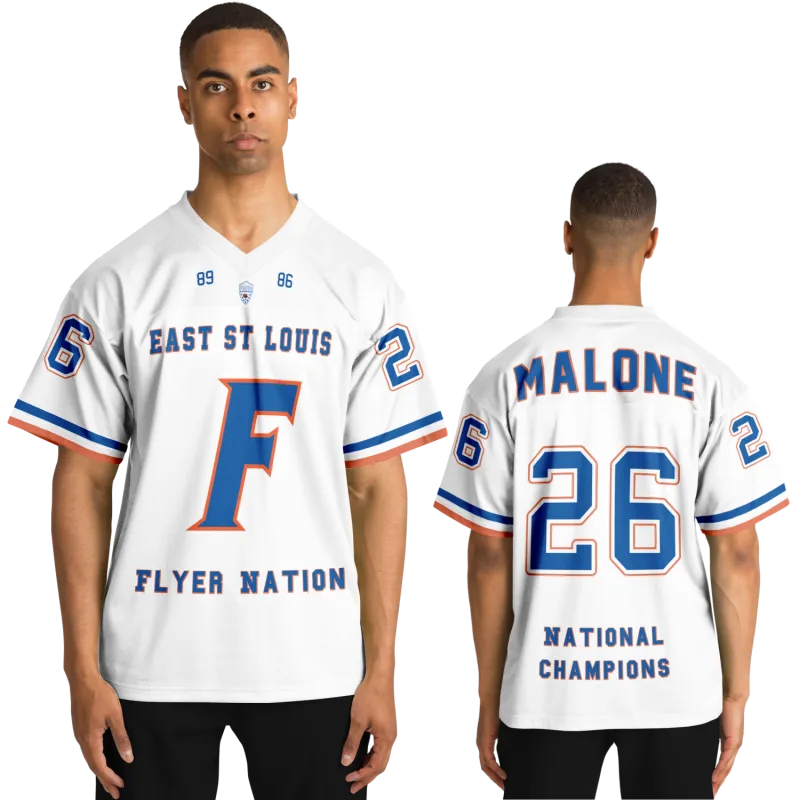
There's a jersey you've been meaning to order for about three years.
You know the number. You know the name on the back. You probably have the color scheme memorized from the years you actually wore it. But every time you get to the fabric selector or the size chart on a custom jersey site, something stops you — because the sizes feel wrong, the fabric options make no sense for how you actually live, and the last time you ordered something without thinking it through, it sat in a drawer for two seasons before you donated it.
This custom jersey fabric and fit guide exists for that moment. Not for the team manager ordering 40 practice jerseys. Not for the fan buying fashion streetwear. For the former athlete (the 34-year-old former point guard, the 41-year-old ex-linebacker, the 38-year-old former middle blocker) who wants a jersey that looks right, wears comfortably, and doesn't require pretending the last fifteen years didn't happen.
That's the person this guide is for. And because ordering one jersey for yourself is a different job than ordering forty for a roster, the one-person ordering guide covers the steps team-buying guides skip.
Let's go through it the way it actually needs to be done.
The Fabric Decision Is the First Decision — And Most Guides Bury It at the Bottom
Every custom jersey ordering guide leads with design tools and color pickers. That's backwards. The fabric choice determines everything downstream: how the jersey fits, how it feels, whether you can actually wear it somewhere outside a gym, and whether it looks like a piece of athletic gear or a piece of clothing.
Here's what the sport jersey fabric types actually are, explained for someone who needs to wear one to a backyard cookout cookout, not a playoff game.
Performance Polyester (The Default — And Why It's Often Wrong for Adults)
Performance polyester (the fabric that makes up the vast majority of custom jerseys available online) is engineered for one context: active athletic competition. It's a moisture-wicking, fast-drying material with a very slight sheen and an open mesh structure that moves air efficiently when you're moving.
When you're standing still, it clings. When the weather is humid, it shows every contour of your midsection with a frankness that a cotton shirt would never permit. It is a fabric that was designed to perform at peak exertion and looks slightly odd at rest.
For adult casual wear (the backyard, the sports bar, the alumni tailgate) performance polyester is frequently the wrong call. It's the fabric equivalent of showing up to a dinner party in a warm-up suit. Technically appropriate for the activity category, but tonally off for the actual occasion.
That said, performance polyester has specific situations where it remains the right choice: - You're ordering a jersey for pickup games, recreational leagues, or actual physical activity - The climate is hot and humid and you're going to be outside for extended periods - You prefer the aesthetic of the traditional athletic jersey and the slimmer drape it produces
Polyester-Cotton Blends (The Underused Adult Option)
A polyester-cotton blend in the 60/40 to 50/50 range is the fabric that most former athletes don't know is available for custom jerseys. And it changes the calculus entirely.
The cotton component adds weight and drape. It removes the performance sheen. It makes the jersey behave more like a shirt and less like equipment. A 60/40 poly-cotton blend can be ironed flat, holds its shape after washing without the static cling of pure polyester, and reads as "athletic-inspired clothing" rather than "active athletic gear."
The tradeoff is breathability under exertion. If you're planning to move hard in this jersey, the cotton percentage will hold more heat and moisture than pure performance polyester. For casual wear, that tradeoff is completely acceptable. And for most former athletes ordering their first adult custom jersey, it's actually the right one.
Heavyweight Cotton Jersey Knit (The Streetwear Option)
This fabric category has grown significantly as the athleisure and athletic-heritage markets have expanded. Heavyweight cotton jersey knit (the same fabric family used in higher-end t-shirts, not the thin cotton of a basic tee) produces a jersey that sits in a different category altogether.
It has no performance function. It does not wick moisture. It is not engineered for athletics. What it is, is extremely comfortable, extremely durable, and extremely wearable in civilian contexts. If your jersey is going to hang on a wall, come off the wall for reunions and watch parties, and otherwise live in your regular wardrobe, heavyweight cotton jersey knit is worth considering.
The limitation: fewer custom jersey vendors support this fabric because the manufacturing process differs from standard athletic jersey production. It's available, but it requires specifically searching for vendors who offer it.
Adult Custom Jersey Sizing: The Part Nobody Wants to Talk About
Here it is plainly: your body is not the same body that wore a jersey in competitive play.
That is not a judgment. It is physics. The average former collegiate or high school athlete carries somewhere between 15 and 25 additional pounds by their mid-thirties, distributed differently than athletic weight — more trunk, less shoulder definition, different proportions at the waist relative to chest. The jersey sizing charts designed for active rosters were not built for this distribution.
In my experience as a former player, the single most common mistake is defaulting to the jersey size worn during play and then being surprised when the finished product fits nothing like expected.
Here's the framework that actually works.
Measure for the Fabric You're Ordering, Not the Size You Remember
Different fabrics have different stretch characteristics, and those characteristics interact with your measurements in different ways.
Performance polyester stretches in one direction and not the other. The mesh structure allows lateral stretch but minimal vertical stretch. This means a size that fits your chest measurement may pull horizontally across the stomach because the vertical panel has no give to redistribute the garment.
Poly-cotton blends have more omnidirectional give. They can accommodate a wider range of body proportions within a single size than performance polyester can.
Cotton jersey knit is the most forgiving of all. It stretches in all directions and recovers well, which means sizing up one from your measured size often produces a genuinely comfortable, relaxed fit rather than an oversized garment.
The measurement process for adult custom jersey sizing:
- Measure your chest at the widest point: across the fullest part, under the arms, in a natural exhale (not a held breath).
- Measure your shoulder width as an arc across the back: from shoulder bone to shoulder bone along the curve, not a straight line, because athletic sizing assumes pronounced shoulders, and this measurement catches the proportional shift that causes tightness across the shoulders.
- Measure your midsection at the natural waist, not where you wish your waist was, but where it actually sits.
- Compare your chest and midsection measurements to the vendor's size chart. The larger of the two measurements governs your size choice.
- For performance polyester, consider going one full size up from the chart result if your midsection measurement is within 2 inches of the chest measurement.
This fifth step is the one most guides omit. The classic athletic jersey silhouette is cut for bodies where the chest measurement significantly exceeds the waist measurement (the inverted triangle proportions of competitive athletic build). When those proportions have shifted toward a more cylindrical torso profile, standard athletic sizing produces a jersey that fits the chest correctly and pulls uncomfortably everywhere else.
Going one size up from your chest measurement doesn't produce a sloppy, oversized garment — it produces a jersey that has enough room to hang naturally across the torso without clinging at the midsection. In the right fabric (poly-cotton or cotton jersey knit), the extra room reads as a relaxed fit, which is how adults actually want to wear athletic clothing in civilian contexts.
Before you match your numbers to anything, check what the chart is actually measuring. Some vendors size by body. The chart tells you the chest measurement of the person the jersey will fit. Others size by garment. The chart gives the finished measurements of the jersey itself, laid flat, which are always a few inches larger than the body they're meant to cover. A 44-inch chest does not go into a 44-inch garment; it goes into a garment with roughly 46 to 48 inches across the chest so it can drape instead of pulling tight. Read a garment chart as if it were a body chart (or the reverse) and every number is off by a size or two. That single mix-up is the most common cause of a wrong-size order. The chart usually tells you which one it is, just not always in plain words: "half-chest" and "lay flat" mean garment measurements, while "fits chest" and "body measurements" mean the person. If it doesn't say, ask before you order.
Then expect the finished jersey to be close, not laser-exact. A custom cut-and-sewn jersey typically runs about one to two inches off its listed dimensions in either direction — that's normal manufacturing tolerance, not a defect. For an adult ordering one jersey, that means two practical things. First, don't panic if the chest measures a little wider or narrower than the chart promised; a tolerance of that size won't change how the jersey hangs on you. Second, if you're right on the line between two sizes, round up. The tolerance is more forgiving on a slightly roomier garment than on one that's already snug, because an inch of shortfall on a tight fit is the difference between comfortable and unwearable.
The Cut Question: Tailored, Standard, and Relaxed — What Each Actually Means
Beyond fabric and size, cut is the variable that most custom jersey vendors describe vaguely and most ordering guides skip entirely.
Tailored cut in athletic jerseys means the side seams are tapered to follow the body more closely from the chest down. This produces the fitted, defined look of the jersey worn during play. On a competitive-weight athlete, it reads as athletic. On a body with more midsection than the pattern was designed for, it produces the very specific and unflattering effect of a garment that appears to be resisting the body inside it.
If you are ordering a jersey for active use and your current build is close to your competitive-era build, tailored cut remains a valid choice.
Standard cut is the original athletic jersey silhouette: straight side seams from armhole to hem, with enough room in the body for layering and movement. This is what most people think of when they picture a football or basketball jersey. It accommodates a wider range of adult body proportions without the pulling and resistance that tailored cuts produce on changed bodies.
Standard cut is the default recommendation for most former athletes ordering for casual wear.
Relaxed cut is the explicit acknowledgment that the jersey is functioning as clothing, not as a uniform. Wider body, dropped shoulders, slightly longer hem. It reads as intentional and contemporary. The oversized athletic aesthetic has been a fashion staple for over a decade. If the jersey is going to live in your regular wardrobe and be worn the way you'd wear a comfortable shirt, relaxed cut is worth considering.
A Real Example of Getting This Right
Marcus T., 39, played defensive end through his early twenties at a Division II program and ordered his first adult custom jersey for a 15-year reunion. He defaulted to his old jersey size (a large in performance polyester, tailored cut) because that's what he wore during play.
The jersey arrived and fit just the way the wrong choice fits: correct across the shoulders, pulling across the chest, and tight enough through the midsection to be uncomfortable after about forty minutes. He wore it for photos, changed out of it before dinner, and put it away.
Two months later he ordered a second jersey: XL in a 60/40 poly-cotton blend, standard cut. That one he still wears to watch parties four seasons later. The difference wasn't that he accepted something unflattering. The difference was that he stopped ordering for the body he had in 2007 and ordered for the body that was actually going to wear the jersey.
Jersey Material for Casual Wear: The Specific Situations That Determine Your Choice
The right material for your jersey depends almost entirely on where and how you're going to wear it. Here is the breakdown by situation:
Watch parties and indoor social events: Poly-cotton blend or cotton jersey knit. The warmth of an indoor environment plus the inactivity of spectating makes performance polyester uncomfortable and visually unflattering. The drape and weight of a blend or knit reads as put-together in a way that pure performance fabric cannot.
Outdoor tailgates and backyard gatherings: Poly-cotton blend if the temperature is above 70°F and you'll be in direct sun for extended periods. The cotton percentage absorbs enough heat to be uncomfortable in a heat index above 90°F — in those conditions, performance polyester's breathability makes a genuine difference. Below 70°F, poly-cotton blend is comfortable in any outdoor setting.
Recreational leagues and pickup games: Performance polyester without reservation. The functional arguments for it are real. It is lighter, it wicks moisture efficiently, and it survives repeated high-temperature washing without degrading. For actual athletic activity, it remains the right material.
Display and collection: If the jersey is primarily decorative (framed, displayed, brought out for specific occasions) any material works. Heavyweight cotton jersey knit displays beautifully and has the tactile quality that makes handling it satisfying. Performance polyester can develop a static quality when stored for long periods.
How to Evaluate a Custom Jersey Vendor's Fabric Claims Before You Order
Not all vendor descriptions mean what they appear to mean. A vague quality word is a marketing claim dressed up as a fabric specification. Here is what to look for in a vendor's product description that indicates they're being specific rather than promotional.
Look for fabric weight listed in grams per square meter (GSM). A performance polyester jersey for athletic use typically runs 140–160 GSM. A heavier-feeling jersey for casual wear runs 180–220 GSM. A vendor who provides this number is giving you information you can evaluate. A vendor who only gives you adjectives instead of a number is giving you nothing.
Look for explicit weave descriptions: "double-knit mesh," "single-knit twill," "interlock knit." These terms describe the structural construction of the fabric, which determines its stretch characteristics, durability, and drape. Vendors who describe fabric construction are demonstrating knowledge of what they're selling.
The American Association of Textile Chemists and Colorists maintains testing standards for athletic fabrics that reputable manufacturers reference when describing colorfastness and durability. A vendor who can point to specific performance standards is providing verifiable claims. One who only offers "vibrant colors that last" is offering nothing testable.
Fabric honesty is one piece of the quality question, but it's not the whole thing. Before you commit to an order, run the rest of it through the custom jersey quality checklist. It covers the print, finish, and construction checks that a fabric description can't tell you.
Getting the Custom Jersey Comfortable Fit Right on the First Order
The number of former athletes who order a second jersey because the first one was wrong is high enough that this section exists.
Here is the checklist that prevents the second order:
- Measure before you choose a size: not from memory, not from your last purchase. Measure now, with a flexible tape, and use those numbers.
- Identify your primary use case (active use, casual wear, or display) before you choose a fabric.
- Read the vendor's size chart for the specific fabric you're ordering, not the general site-wide chart. Sizing varies by fabric construction.
- Choose the cut that matches your use case, not the cut that your competitive-era jersey used.
- Order a sample or swatch if the vendor offers it before committing to a full custom order. A 6-inch fabric swatch tells you more about how a material will feel and behave than any product description.
- Review the vendor's return or remake policy before placing a custom order. Customized items typically cannot be returned, but reputable vendors offer a remake guarantee if the garment arrives with a manufacturing defect.
Getting all six of these right on the first order is simple. You just have to do the work that most ordering guides assume you'll skip.
Your jersey is still out there waiting.
Design yours in minutes and see your name and number just the way you remember it.
Frequently Asked Questions
What fabric is most comfortable for a custom jersey I'll wear casually as an adult?
For casual adult wear — watch parties, tailgates, social gatherings — a 60/40 polyester-cotton blend is the most consistently comfortable choice. The cotton percentage adds weight and drape that pure performance polyester lacks, removes the performance sheen that reads as out of place in civilian contexts, and produces a garment that behaves more like clothing than athletic equipment. If you want even more of a traditional garment feel, heavyweight cotton jersey knit is worth seeking out from vendors who offer it.
How do I know what size to order for an adult custom jersey if my body has changed since I played?
Measure your chest and your midsection at the natural waist. Compare both measurements to the vendor's size chart for the specific fabric you're ordering — not the general chart. Take the larger of the two measurements as your governing measurement. If you're ordering performance polyester and your midsection measurement is within 2 inches of your chest measurement, consider going one full size up from the chart result. Standard cut accommodates a wider range of adult body proportions than tailored cut and is the better default for most former athletes ordering for casual wear.
Is there a difference between how athletic jersey sizes run compared to regular clothing sizes?
Yes, and it matters. Athletic jersey sizing is calibrated for competitive athletic body proportions — specifically, a chest measurement that significantly exceeds the waist measurement. When those proportions have shifted closer to even, standard athletic sizing produces a jersey that fits correctly at the shoulders and chest but pulls and resists through the midsection. This is not a sizing error — it is a proportional mismatch between the garment's intended body type and the wearer's actual body type. The solution is going up one size in the jersey and choosing a cut (standard or relaxed) that has straight rather than tapered side seams.
Can a custom jersey be tailored to fit better after I receive it?
Yes, in most cases a custom jersey can be altered by a local tailor — side seams can be taken in, sleeves or hem shortened, and the body tapered for a better fit. Synthetic performance fabrics like polyester and poly-cotton take alterations well, but the shoulder area is the expensive exception, since restructuring shoulder seams on a jersey-style garment is costly. Because custom jerseys are typically non-returnable, ordering the right size and cut up front — standard or relaxed for changed adult bodies — is the better first move.
Can I machine wash a custom jersey without damaging the customization?
Performance polyester jerseys can be machine washed in cold water on a gentle cycle and line dried or tumbled on low heat without significant degradation of the fabric or the printed or embroidered customization. Poly-cotton blends should also be washed cold and line dried where possible — high heat accelerates the breakdown of the cotton component over time. Avoid fabric softener on any athletic jersey fabric: softener coats the fibers in a way that reduces the moisture-wicking function of polyester and can cause printed customization to fade faster. For jerseys you plan to display or store for extended periods, hand wash cold and air dry flat.
What is the difference between sublimated printing and screen printing on a custom jersey, and does it affect fabric choice?
Sublimation printing uses heat to transfer dye directly into the fabric fibers rather than applying a layer of ink on top of the fabric. It produces colors that are part of the fabric rather than sitting on its surface — which means no cracking, no peeling, and no raised texture. However, sublimation only works on polyester or high-polyester-blend fabrics. If you want a poly-cotton blend or cotton jersey knit, you are limited to screen printing or heat transfer printing, which apply ink or a transfer layer to the fabric surface. Screen printing on a quality poly-cotton blend is durable and produces excellent results — but the printing method constrains your fabric options, so decide on the fabric first and the printing method second.
See also: jersey size chart for numeric sizing | the gap between your athletic memory and your current body | custom softball jerseys and what to expect from the ordering process | personalized sports gifts that actually make a former athlete feel seen