

There's a box in the back of a closet — or the corner of an attic, or the shelf above the winter coats — and inside it is a jacket you haven't worn in years. Wool sleeves. Leather arms. A letter on the chest that once meant everything.
You've moved since then. More than once, probably. You've donated furniture, recycled electronics, decluttered entire rooms. But the jacket is still there. Every single time, you pick it up, hold it for a moment, and put it back.
If you've ever stopped to wonder what that means — what the old varsity letter jacket meaning really is, now that the games are over and the seasons have blurred together in memory — you're not alone. And you're not being sentimental in some weak or embarrassing way. You're being honest about something most people don't have language for yet.
This article gives you that language.
The Object That Refuses to Be Just an Object
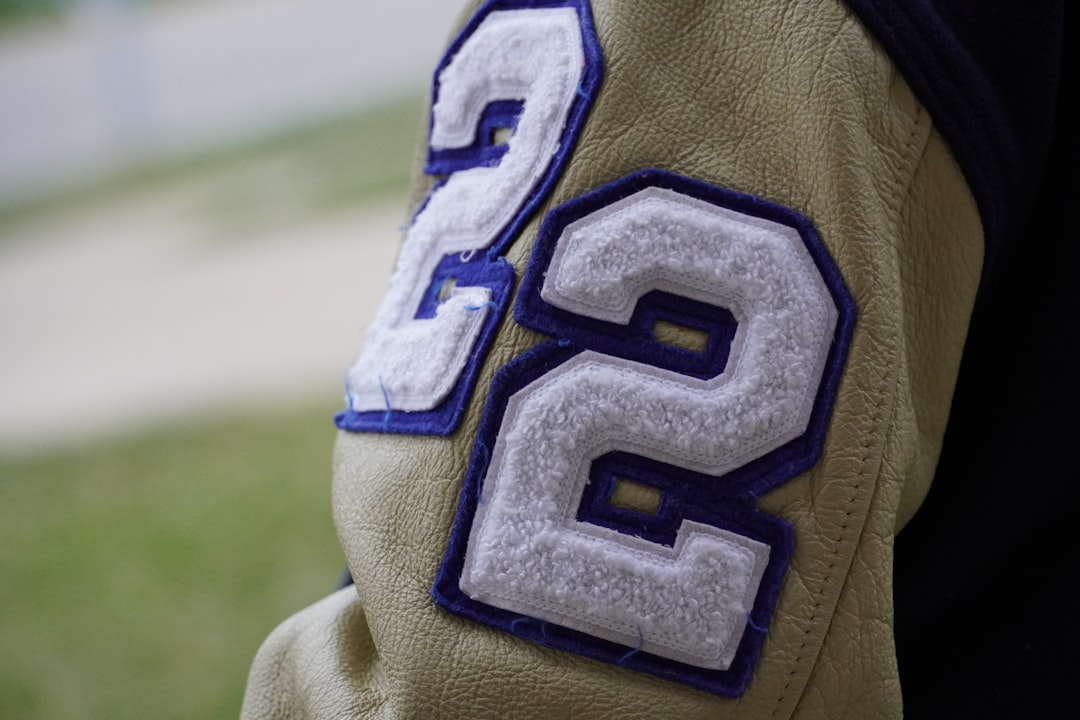
A varsity letter jacket is, technically, a garment. Wool body. Leather or vinyl sleeves. Some combination of embroidered patches, pins, and chenille letters that once required specific performance standards to earn. Manufacturers have been producing them in roughly the same form since the early 1900s, when Harvard athletes first began wearing lettered sweaters to identify themselves as members of a team.
But you already know your jacket is not just a garment. You know this because you've tried to treat it like one — tried to file it under "old clothes" during a move, tried to convince yourself it's just taking up space — and it has refused. Every time.
The reason is not nostalgia, exactly. Nostalgia is a soft word for a soft emotion. What a varsity letter jacket holds is more structural than that. It is a record of something specific: a version of you that existed under conditions that no longer exist, performing at a level that required sustained effort over time, in front of other people, on a schedule you didn't fully control.

Those conditions — the structure, the accountability, the earned visibility — are not easy to recreate in adult life. Most adults spend years quietly missing them without being able to name what's missing. The jacket names it for you every time you open the box.
That is why it stays.
What the Letter Actually Represents
To earn a varsity letter in most American high schools and colleges, you had to meet criteria. The specifics varied by school and sport — participation thresholds, performance benchmarks, coach's discretion — but the underlying requirement was consistent: you had to show up, repeatedly, and perform well enough to be recognized by an institution as having contributed to something larger than yourself.
That is not a small thing. In the vocabulary of adult life, it maps onto concepts we spend entire careers trying to cultivate: consistency, accountability, institutional trust, recognized contribution. The letter on your jacket chest is, in compressed symbolic form, all of those things — earned before you had the vocabulary to describe them.
In our experience covering athletic identity and its long arc through people's lives, the letters and patches themselves become secondary over time. What the jacket actually represents to its owner shifts in three distinct ways as the years pass.
First, it represents proof of capability. Not the capability you have now, but the capability you had at a moment when it was not yet obvious to you that you had it. The seasons where you weren't sure you'd make the team. The practices where you considered quitting. The games where the outcome depended on whether you showed up ready. The jacket is evidence that you did. That evidence does not expire.
Second, it represents belonging to something with defined standards. Teams have cuts. Squads have depth charts. Letter requirements are not given to everyone who participates — they are given to those who meet a standard. In a world that increasingly resists standards (and the judgment they imply), the jacket is a physical record of having been measured and found sufficient. Sometimes more than sufficient.
Third, it represents a community that existed in real time, in real space, with stakes. Your teammates were there. Your coaches were there. The opposing team was there. The outcomes were recorded. You cannot retroactively revise what happened in those seasons. The jacket is a piece of that permanent record — yours to keep.
Why Homecoming Season Brings It Back
There's a reason this question surfaces with particular intensity in the fall. Homecoming season — the parades, the games, the reunions, the smell of stadium concessions and cut grass — functions as an annual audit of athletic identity. The culture around you briefly reorganizes itself to reflect the values that were central to your life during the years you wore that jacket.
You see the current athletes in their warm-ups and remember what it felt like to be one of them. You hear the band and your body remembers the rhythm of a game-day routine. You walk past the field or the court or the pool and the spatial memory is immediate and specific in a way that other memories rarely are.
This is the context in which people find their old varsity letter jacket at the back of a closet and hold it longer than expected.
Maria C., 34, a former varsity volleyball player from suburban Ohio, describes opening a storage box during a move last October — timed, without planning it, to homecoming weekend at her old school. She held the jacket for twenty minutes before putting it back. "It wasn't sadness," she said. "It was more like running into an old version of yourself and realizing she still had something to say."
That experience — the jacket as a conversation with a former self — is not unique to Maria. It is, in our experience, the most common way people describe the encounter. Not grief. Not nostalgia exactly. A recognition.
The homecoming frame matters because it makes the recognition public. The culture says: this weekend, athletic identity is worth examining. The jacket answers back: I've been here the whole time.
The Specific Things People Can't Let Go Of
If you're trying to understand why your jacket in particular has survived every purge, the answer is usually in the specific details — the ones that are yours and no one else's.
The letter, obviously. But more than the letter: the specific patches on the sleeves. The years. The pins your teammates gave you. The way the leather has aged — creased in places that map onto exactly how you used to wear it. The faint smell that still lives in the wool, specific to the era and the environment.
These details are not transferable. No one else has exactly this configuration. No photograph captures the weight of the jacket in your hands or the specific hand-stitching on the letter. The object is irreplaceable in a way that most objects in your life are not. A photograph of your old locker is a record. The jacket is a relic — an object that participated in the events it represents.
There's a meaningful distinction between those two things. Records are kept for reference. Relics are kept because discarding them feels like a small act of self-erasure.
That is not irrationality. That is a completely accurate read of what the jacket is.
What It Means to Keep It — And What to Do With That
Keeping the jacket is the right call. You already knew that. What's worth thinking about is how you keep it — and whether the keeping is active or passive.
Passive keeping is the box in the attic. The jacket exists. You know it exists. You encounter it occasionally and feel something. Then it goes back.
Active keeping is something different. It means acknowledging what the jacket represents clearly enough that you can communicate it — to yourself, to your kids, to the people who ask about the letter or the patches and deserve a real answer rather than a dismissive "oh, that's from high school."
Active keeping looks like:
- Having the story ready. What sport. What years. What you remember most. Not a highlight reel — the actual texture of what it was like to be on that team.
- Displaying it rather than storing it. A jersey frame, a shadow box, or even a designated hook in a visible place transforms the jacket from an artifact into a conversation piece. It says: this mattered, and it still does.
- Connecting it forward. For parents of current athletes, the jacket is a concrete bridge between your experience and theirs. It is proof that you understand, from the inside, what the season demands of them.
The jacket in the attic is yours. The jacket in the world — framed, displayed, referenced in a real conversation — is a piece of your identity that's actually alive.
The Version of You the Jacket Remembers
Here is the thing that most people circle without quite landing on: the jacket doesn't remember the wins. It doesn't remember the championships or the record-setting performances or the moments that ended up in the yearbook.
The jacket remembers the daily version of you.
The one who showed up to practice when it was cold and the motivation was gone. The one who ran the drill one more time when everyone was tired. The one who sat on the bench during a game and stayed ready anyway. The one who came back after the injury, or the bad season, or the year the team finished last.
That version of you — the one who did the work without knowing how the story would end — is the one the jacket is keeping safe.
That is what you feel when you hold it. Not pride in the outcomes. Recognition of the effort.
And the reason you can't throw it away is that you understand, at some level, that throwing it away would be a misrepresentation of who you actually were. The jacket is accurate. The donation pile is not.
Your jersey is still out there waiting.
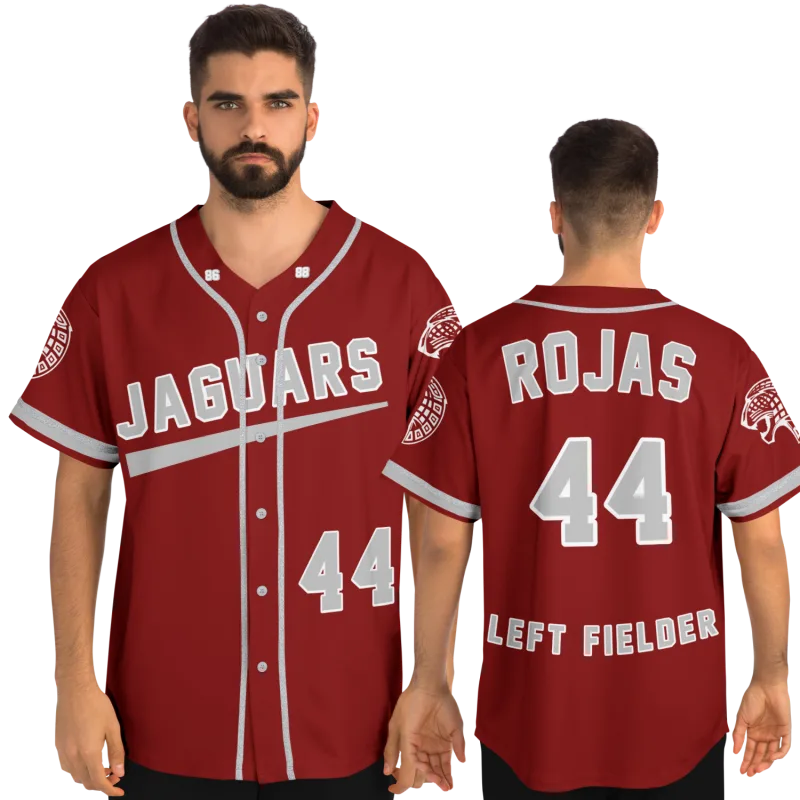
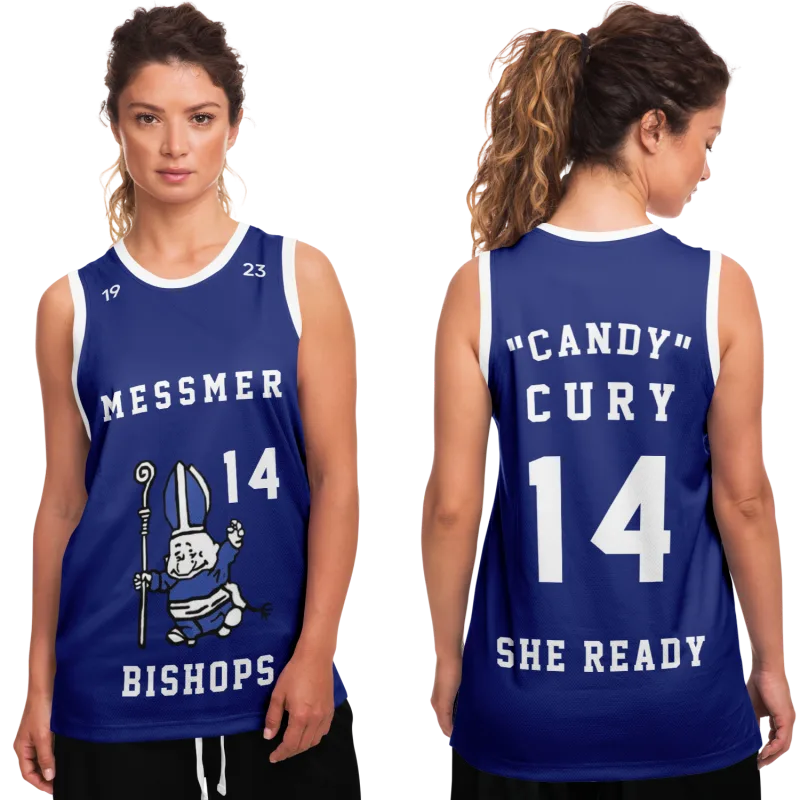
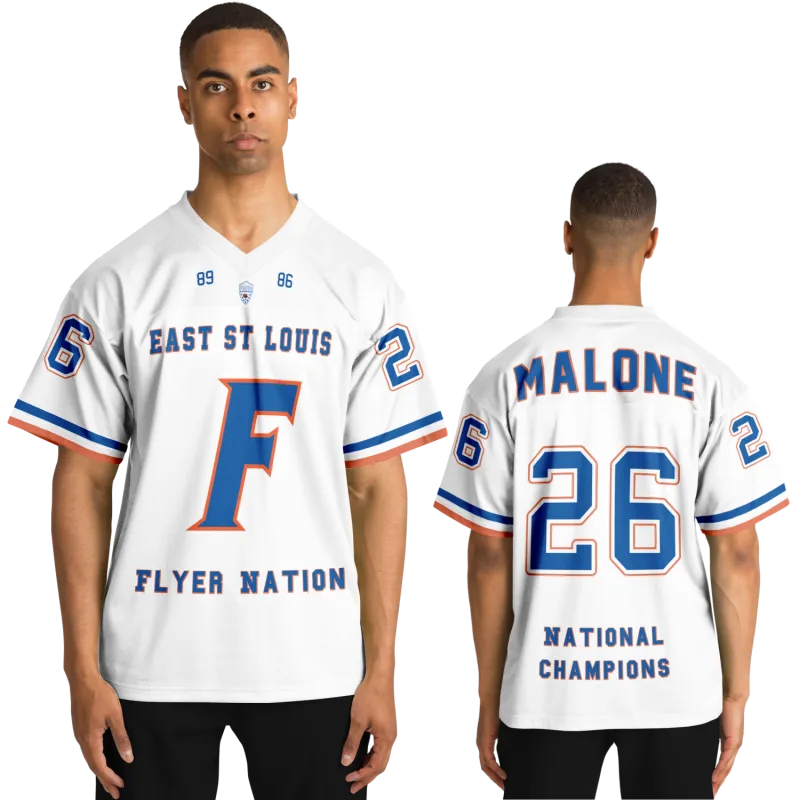
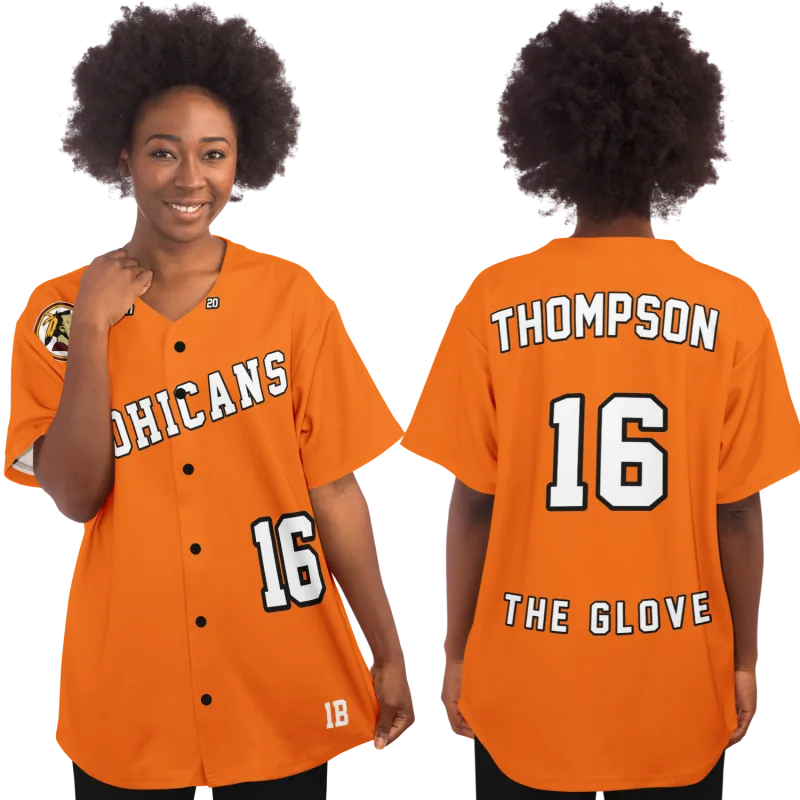
The letter jacket holds what happened. But if you want to wear what you were again — your name, your number, your sport, the way you remember it — that's something you can build.
Design yours in minutes and see your name and number the way you remember it.
Frequently Asked Questions
Is it worth keeping an old varsity letter jacket that's damaged or too small to wear?
Yes — with a caveat about what "worth keeping" means. If the jacket is physically intact enough to store without deteriorating further, the symbolic value does not diminish with the condition. A jacket that's too small to wear can still be framed, displayed, or stored specifically as an object of meaning rather than a garment. If the jacket is actively deteriorating (moth damage, mold, structural breakdown), consult a textile conservator before committing to storage. A single visit to a preservation specialist can extend the life of a damaged jacket significantly. The cost is usually modest relative to what you're preserving.
What's the right way to store a varsity letter jacket long-term?
Wool and leather require specific conditions. Store the jacket in a cool, dry location away from direct sunlight — UV exposure will fade the wool body and dry out leather sleeves over time. Avoid plastic garment bags, which trap moisture against the fabric. A breathable cotton garment bag is the correct choice. For long-term storage (years rather than months), consider acid-free tissue paper tucked into the sleeves to help them hold shape. The single most common cause of letter jacket deterioration in storage is humidity — if your storage space is prone to dampness, a small dehumidifier or silica gel packets are inexpensive insurance.
Should I give my old varsity letter jacket to my child if they're playing the same sport?
This is one of the most meaningful things you can do — with one important qualifier. If your child is actively competing in the same sport, the gift of your letter jacket from the same sport creates a direct, tangible connection between your athletic identity and theirs. It is worth more than most things you can give them during that period. The qualifier: give it as a legacy object, not as a daily-wear garment. The jacket is more powerful as a piece of family athletic history than as something that gets worn to school and left on a gym floor. Present it with the story — what years, what team, what you remember — so the object carries context, not just sentiment.
What does it mean if you feel guilty about not wearing your letter jacket anymore?
Nothing negative. The guilt is a misreading of what the jacket is for. It was not made to be worn indefinitely — it was made to mark a specific earned achievement during a specific period. The fact that you've moved past the period of wearing it daily does not diminish what it represents. The appropriate relationship with a letter jacket in adult life is preservation and acknowledgment, not continued use. You would not feel guilty about framing a diploma rather than carrying it in your briefcase. The jacket is a credential and a relic. Treat it like one.
Can the old varsity letter jacket meaning change over time?
It does, consistently, and in a specific direction. In the years immediately after earning it, the jacket represents the sport and the team most directly. Over a decade, the meaning shifts toward the personal — it represents you more than the team. Over multiple decades, it begins to represent the period of life itself: the structure, the accountability, the physical self that existed during those years. The jacket doesn't change. Your relationship to what it represents deepens. This is why people who haven't thought about their sport in years can still feel something specific and powerful when they hold the jacket — the meaning has grown beyond the original context into something more personal and more durable.
See also: what to do with your old varsity letter jacket | the psychology of why high school sports still matter to adults | the grief that comes with the end of your athletic career | how athletic identity shapes who you are long after the final game