

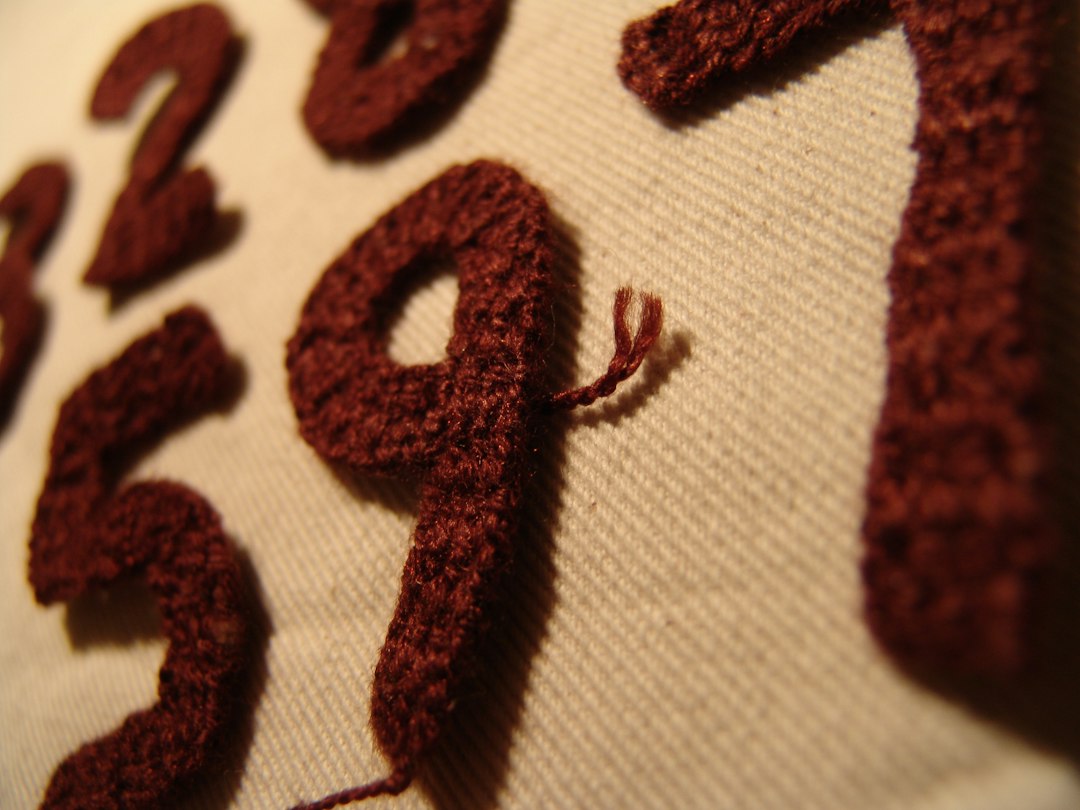




Pull open the right closet door in the right house and you'll find it: wool body gone slightly soft at the shoulders, leather sleeves stiffened with age, a chenille letter on the chest that's lost a little of its raise. On the back, a patch commemorating something specific — a season, a team, a moment that mattered. On the left sleeve, a number. Maybe a stripe.
That patched varsity jacket isn't decoration. It's a document. Every element was placed according to a system developed over decades, refined by manufacturers, enforced by coaches and equipment managers, and passed from senior class to sophomore class like tribal knowledge. If you know the system, you can read the jacket the way you'd read a service record. If you don't, it looks like a nice old coat.
This is the decoder.
The Letterman Jacket as a Wearable Athletic Résumé
Start with the functional reality before the sentimental one.
From roughly the 1920s through the early 2000s, the letterman jacket served as a cumulative record of a student athlete's career. Schools maintained specific rules — some published in student handbooks, many transmitted verbally through coaching staffs and booster clubs — about what each element signified and exactly where it belonged. A senior's jacket was, at its most complete, a compressed biography of four years of athletic life.
This is why reading one carefully rewards the effort. The details aren't random. They're a filing system built into fabric.
The manufacturers who shaped these conventions most durably were Jostens, Balfour, and DeLong. Jostens letterman jackets and Balfour letterman jackets dominated the school market from the postwar era through the 1990s, and their regional representatives worked directly with school administrators to establish patch placement standards specific to each program. When you pick up a jacket from the 1970s or 1980s and notice that everything sits exactly where it should — that precision was intentional. Someone made those decisions in a school gymnasium with a catalog open on a folding table.


The Chenille Letter: It Carries More Data Than It Shows
The chenille letter on the left chest is the jacket's headline — but the letter itself is only the opening word.
What the Letter Actually Represents
The chenille letter — that dense, textured, raised-pile fabric construction that separates a genuine chenille letter jacket from a fashion-market approximation — traditionally represents the school's first initial. Earning it required meeting a minimum varsity participation or performance threshold that the school set and the coaching staff enforced. First-time earners received the letter. Every subsequent season added to what surrounded it.
Letter proportions shifted across eras. In the 1960s and into the early 1970s, oversized letters — sometimes spanning most of the left chest — were fashionable, particularly across the South and Midwest. By the late 1970s, sizing normalized. By the 1990s, some schools had migrated to embroidered letters, a change that traditionalists resisted because flat embroidery carries none of the physical authority of true chenille construction.
What Gets Attached to the Letter
This is where most casual observers miss the most information. The letter rarely appeared alone.
Pins inserted through the chenille recorded specific achievements: honor roll standing, team captaincy, tournament placement. A small gold football pin carried a different meaning than a silver one at many schools. The pin language was hyperlocal — printed in one year's student handbook and largely forgotten by the time the next class graduated.
Sport-specific inserts — a small embroidered baseball, basketball, track shoe, or swimming figure — were sewn or pinned directly onto the letter face to identify which sport had earned it. A three-sport athlete might have three inserts on one letter or three separate letters arranged across the chest, depending entirely on the school's chosen system.
Stars positioned above or below the letter indicated multiple years of lettering. One star for the second year earned. Two for the third. Three for four consecutive seasons. At schools where four-year varsity athletes were uncommon, a three-star letter was visible proof of something genuinely rare.
In our experience researching jackets from this period, the star system is the most consistently misread element. Collectors and family members assume stars are decorative flourishes. At schools that used them formally, they functioned more like service stripes — each one representing a year someone showed up and did the work.
The Sleeve System: Year Numbers, Stripes, and the Left/Right Divide
The sleeves were not symmetrical in meaning. Left and right carried distinct information, and the conventions shifted enough across decades that a 1977 sleeve reads differently than a 1994 one.
The Left Sleeve: Graduation Year and Jersey Numbers
The most durable convention across eras: the left sleeve displayed the wearer's graduation year in large chenille or embroidered numbers. A student wearing the jacket in the fall of 1983 carried "83" on their left sleeve. This wasn't a style choice — it was a cohort identification system readable from twenty feet away.
Letterman jacket sleeve numbers on the left occasionally carried a second meaning at programs where jersey numbers held cultural weight within the team. Whether the number shown was a graduation year or an athletic number depended on individual school tradition. At larger football programs in particular, the two were sometimes kept separate: class year on the sleeve, jersey number on a patch elsewhere on the jacket.
The Right Sleeve: Achievement Tracking by Sport
The right sleeve in many traditions served as a running record of sport-specific accomplishments that didn't belong anywhere else. Chevrons — small V-shaped fabric stripes — indicated individual achievements: one per tournament victory, per all-conference selection, per season of varsity participation beyond the first year.
In some Northeast traditions, horizontal stripes on the right sleeve tracked seasons lettered in a single sport, while the left sleeve remained reserved for class year exclusively. Three stripes meant three seasons. The system was readable without explanation to anyone who shared the same tradition.
How the Grammar Shifted by Decade
1970s jackets accumulated. The aesthetic was maximalist by modern standards — more pins, more patches, more elements competing for attention across the jacket's surface. A senior girl's jacket from 1975 might show a gymnastics letter with a diamond pin, "75" in chenille on the left sleeve, two chevrons on the right, and a back patch from a regional invitational. The jacket was dense. It was meant to be.
1980s jackets tightened. The influence of standardized Jostens varsity jacket packaging — pre-designed patch sets that schools could order uniformly rather than letting students assemble piecemeal — produced more consistent visual results. Patches became more professionally manufactured. The overall grammar became more legible because it was more controlled.
1990s jackets split into two paths. Programs that maintained formal traditions kept the system intact. Programs influenced by the absorption of varsity jacket aesthetics into streetwear and hip-hop fashion began customizing in ways the original grammar hadn't anticipated. By the late 1990s, you encounter jackets carrying all the traditional markers alongside custom embroidery that had no connection to athletic achievement whatsoever. The grammar went hybrid — and in some cases, stopped being a grammar at all.
Marisol V., 34, brought her mother's 1989 jacket to our team asking for help identifying what each element represented. The jacket had a gymnastics letter on the chest with a small diamond pin, "89" on the left sleeve in chenille, a single chevron on the right sleeve, and a back patch she had always assumed was decorative. It wasn't. It was a regional qualifier patch from a gymnastics invitational her mother had competed in as a sophomore. Marisol hadn't known her mother competed at the regional level. The jacket told her.
Back Patches: The Championship Record
If the chest letter is the résumé headline, the back patch is the evidence file.
Back patches on a letterman jacket traditionally marked team achievements rather than individual ones. A regional championship, a state qualifier berth, an undefeated season — these were awarded to every member of the qualifying roster and worn on the back as collective proof of something accomplished together.
Placement convention: centered on the back panel, positioned in the upper half of the jacket body. Size tracked significance. A city championship patch might be modest in scale. A state championship patch at a school where that result was rare was large, elaborate, and often the jacket's single most expensive element.
Back Patch Conventions by Manufacturer and Era
Jostens letterman jackets from the 1980s frequently offered standardized championship patch designs available through the school's sales representative. These patches were sized to fill the back panel with authority — not as ornament but as statement. If you were wearing one, anyone standing behind you in a hallway understood immediately that your team had done something.
Balfour letterman jackets approached patch design with more customization in the patch's own shape — arched text, integrated mascot graphics, the year displayed prominently within the design itself. A Balfour championship patch from 1986 carries a visually distinct vocabulary from a Jostens patch commemorating the same achievement in the same year. Both systems were rigorous. They just spoke differently.
The back patch tradition extended beyond championships at many schools. According to the Smithsonian's collection notes on American scholastic athletics artifacts, academic letters — including National Honor Society designations — and non-athletic varsity letters for band, drama, and debate were formally issued at hundreds of schools through the 1980s, meaning a jacket's back panel could document the full scope of a student's high school identity, not only their sport.
Pro and College Varsity Jackets: A Separate Tradition
The letterman jacket as a cultural object has had a significant second life as fan merchandise, and it's worth being precise about how that tradition differs from the school system this article has been decoding.
A san francisco 49ers letterman jacket, a los angeles dodgers varsity jacket, or any other licensed professional team version is manufactured for fans, not earned by athletes. The 49ers letterman jacket and similar NFL and MLB versions borrow the visual grammar of the school tradition — wool body, leather sleeves, chenille lettering — but they don't operate within the achievement-based placement system. The patches, numbers, and details are organized according to brand identity and visual appeal, not personal athletic history.
That's a genuine distinction, not a criticism. A la dodgers varsity jacket is a well-made piece of fan gear and a tribute to the franchise's visual identity. A varsity jacket la dodgers style communicates team loyalty with real conviction. But if you're trying to read one of these jackets the way you'd read a 1983 high school athlete's jacket, the grammar isn't there to read. The sf 49ers varsity jacket tells you which team someone loves. The school jacket tells you what someone did.
The difference matters most when you're deciding what kind of jacket to commission or collect. A los angeles dodgers letterman jacket commemorates fandom and does it well. A custom letterman jacket built around your own athletic career — your graduation year on the sleeve, your sport's insert on the letter, a back patch reflecting what your team actually accomplished — has a different relationship to the object's original purpose entirely.
Reading Any Unknown Letterman Jacket: A Working Method
Pick up an unfamiliar jacket and work through these four positions in sequence:
- Left chest letter — What sport inserts are attached to the face of the letter? What pins are present? How many years-of-service stars appear above or below?
- Left sleeve — What number appears? Does it correspond to a graduation year or an athletic jersey number? Cross-reference with the sport patches to determine which system this school used.
- Right sleeve — How many chevrons or horizontal stripes? What sport do they reference, and what achievement threshold did the school assign to each one?
- Back panel — Is a championship or achievement patch present? What does it commemorate, and what year does it reference?
Work through all four positions and you have a reasonably complete portrait of what the person who earned this jacket accomplished and when. The jacket is a primary source. It just requires knowing the system to read it.
Your jersey is still out there waiting.
Design yours in minutes and see your name and number exactly the way you remember it.
Frequently Asked Questions
What do the numbers on the sleeve of a letterman jacket mean?
The numbers on the left sleeve of a letterman jacket most commonly represent the wearer's graduation year — "86" for the class of 1986, for instance. At some schools, particularly football programs where jersey numbers carried significant team-culture weight, the sleeve number represented the athlete's jersey number rather than their class year. The convention was school-specific and era-specific, so a jacket from the 1970s may follow a different rule than one from the 1990s. When the sleeve number doesn't match an obvious graduation year, check the sport-specific patches elsewhere on the jacket — the context usually clarifies which system the school used.
What is the difference between a Jostens and a Balfour letterman jacket?
Jostens and Balfour were the two dominant manufacturers of school letterman jackets across most of the twentieth century, and both worked through regional sales representatives who maintained direct relationships with school administrators. Jostens varsity jacket products leaned toward standardized patch packages that schools could order uniformly across their program. Balfour letterman jackets offered more customization in patch shape, mascot integration, and design detail. Construction quality was comparable across both manufacturers during peak production years — the primary differences show up in patch visual vocabulary and the regional distribution of their respective school accounts.
Do the patches on a pro team varsity jacket follow the same system as a school letterman jacket?
No. A licensed professional team varsity jacket — whether it's a 49ers letterman jacket, a Dodgers letterman jacket, or any other franchise version — uses the visual grammar of the school letterman tradition but doesn't operate within the achievement-based placement system. The details on a pro fan jacket are organized around brand identity and visual appeal. They communicate team loyalty, not personal athletic accomplishment. The school letterman jacket system was an earned-achievement record built up over years. The pro fan version draws on that aesthetic as a tribute to the tradition without carrying the underlying personal history.
Can I commission a custom letterman jacket that actually follows the original achievement system?
Yes — and the most meaningful custom letterman jackets are the ones built around the real details of the wearer's athletic career. The correct graduation year on the sleeve, sport-specific inserts on the letter, a back patch reflecting what the team actually accomplished. Working from the original grammar rather than purely from aesthetic references produces a jacket that functions as a genuine document of someone's athletic life, not just a visual nod to the tradition.
See also: what to do with your old varsity letter jacket | personalized sports gifts vs. generic ones | why high school sports still matter to adults | how athletic identity shapes who we become after the final season