

He says he doesn't want anything.
He's said it every year since he stopped playing. Every birthday. Every Father's Day. Every holiday where you're standing in the middle of a store trying to figure out what to get a man who once had an entire identity built around being an athlete — and who has spent the last decade or two quietly, steadily pretending that chapter is behind him.
It isn't.
Finding the right gifts for former athletes is genuinely hard, and it's hard for a specific reason: most gifts don't acknowledge who he actually is. They acknowledge who he is now — the dad, the husband, the guy who coaches Little League on Saturdays — without touching the part of him that spent years bleeding for a team, living inside a locker room, running drills in the dark before school, and defining himself through competition at a level most people will never experience.
This guide is for the people who love those men. And for the men themselves, who occasionally search this kind of thing in private because they've given up trying to explain what they actually want.
Here's what actually lands — and why.
The Real Problem With Buying Gifts for Former Athletes
Before we get to specific ideas, it's worth understanding what's actually happening when a former athlete says "I don't need anything."
It's not humility. It's usually something more complicated.
There's a particular kind of grief that no one talks about openly when an athlete's playing days end. It doesn't matter whether you played through high school, through college, or into a professional league — at some point the game that organized your entire identity, your schedule, your friendships, your sense of self-worth, simply stopped. You still woke up the next morning. You got a job. You built a life. But something went quiet that used to be very, very loud.
Most gifts implicitly confirm that the loud part is over. A nice sweater says "you're a regular person now." A gift card says "I didn't know what else to get." Even well-meaning sports memorabilia — a framed photo of a famous player, a team hat — points toward someone else's story, not his.
What a former athlete actually wants, at a level he may not be able to articulate, is for someone to look at him and see the player. Not the ghost of the player. Not the fan of the game. The actual person who stood at shortstop, or ran the first down, or took the faceoff, and did it with everything he had for as long as he could.
That's the insight that changes gift-giving for this specific person.
What Lands: The Four Gift Categories That Actually Work
1. Gifts That Make the Identity Visible Again
Every former athlete remembers the feeling of wearing the jersey. Not the jersey you bought at the team store. Yours. With your name on it, your number on it, the specific color of the program you poured yourself into.
That jersey didn't just tell other people who you were. It told you.
When former athletes say they don't want anything, they often mean they don't want anything that requires them to explain the reference. The best gifts require no explanation — they simply reflect back an identity that the recipient has been carrying privately for years.
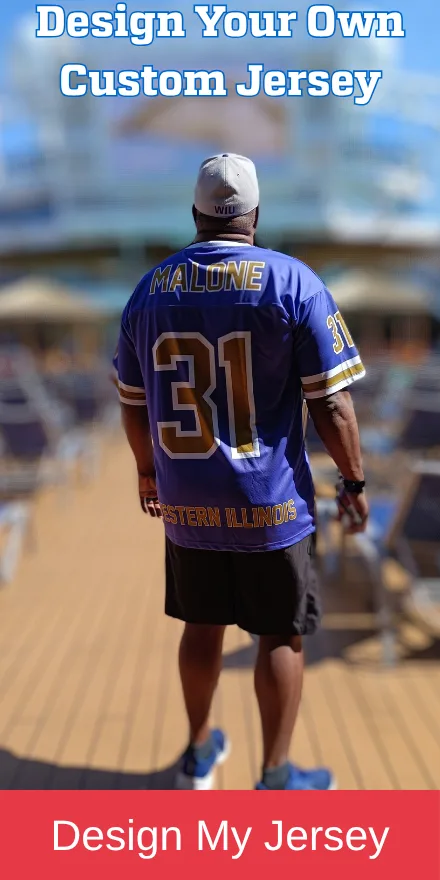
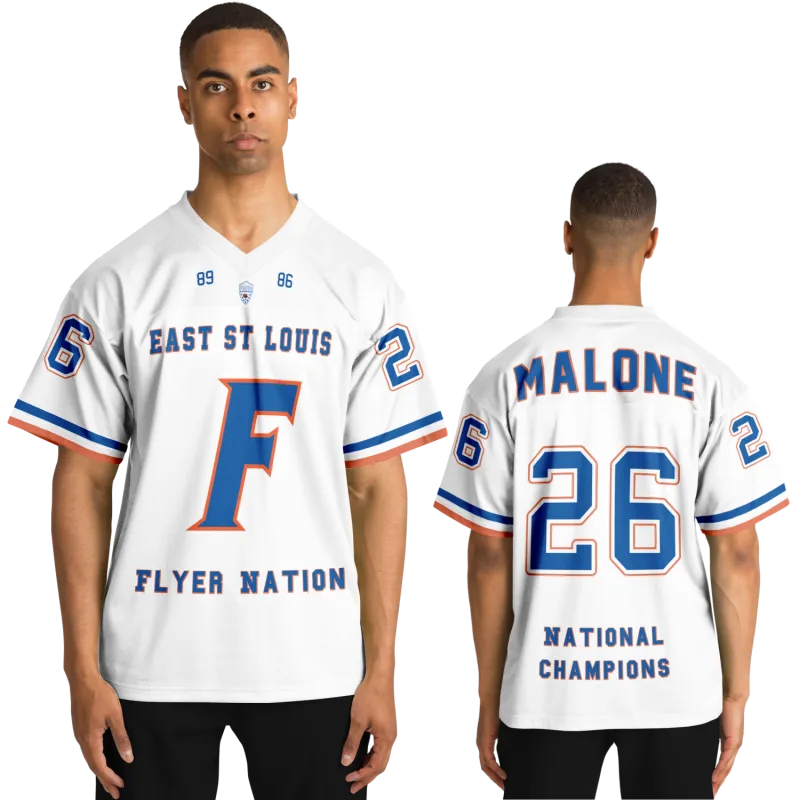
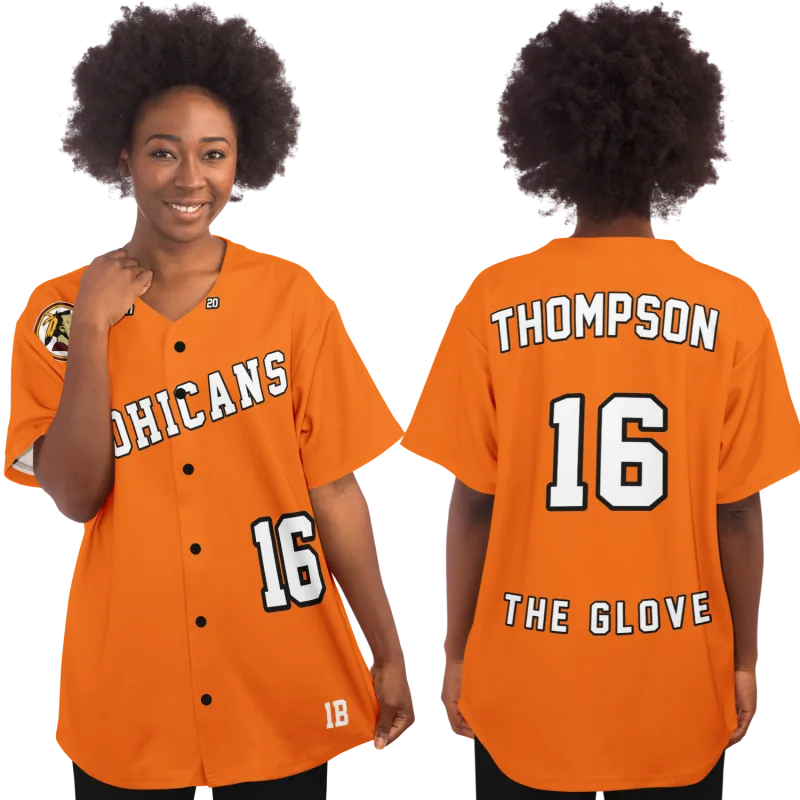
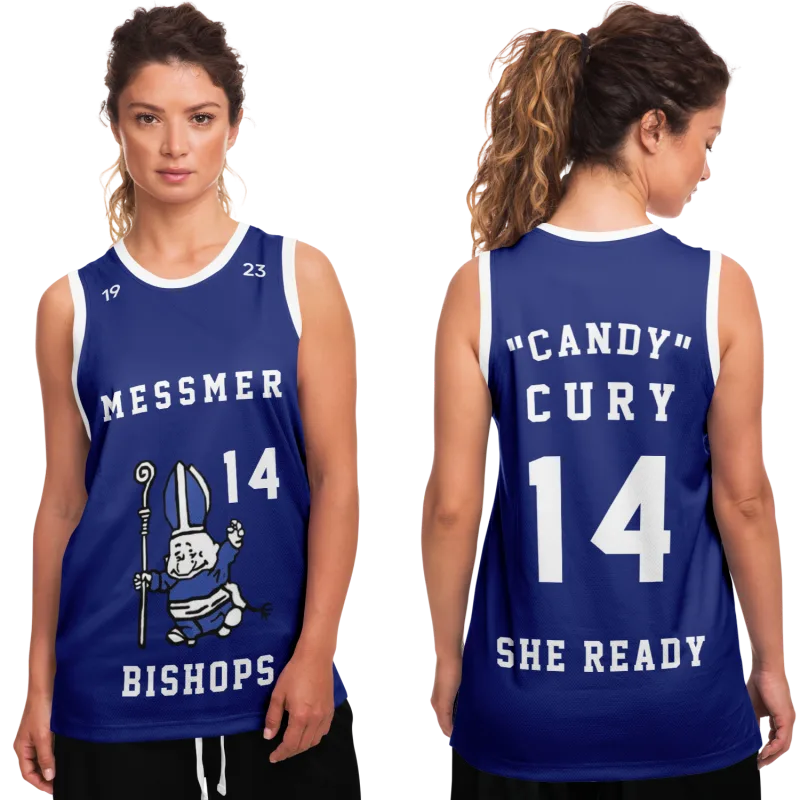
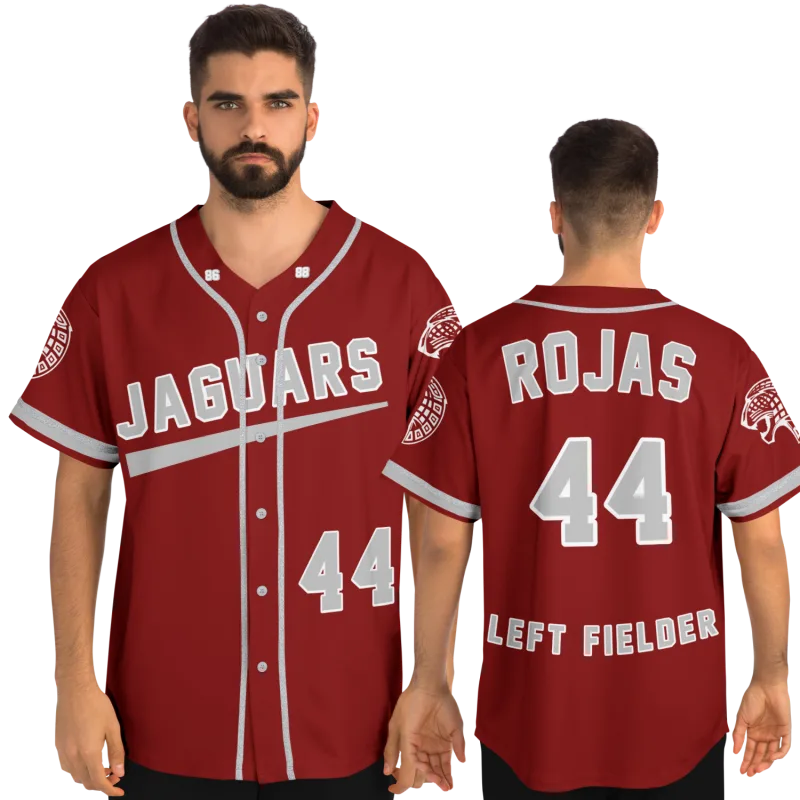
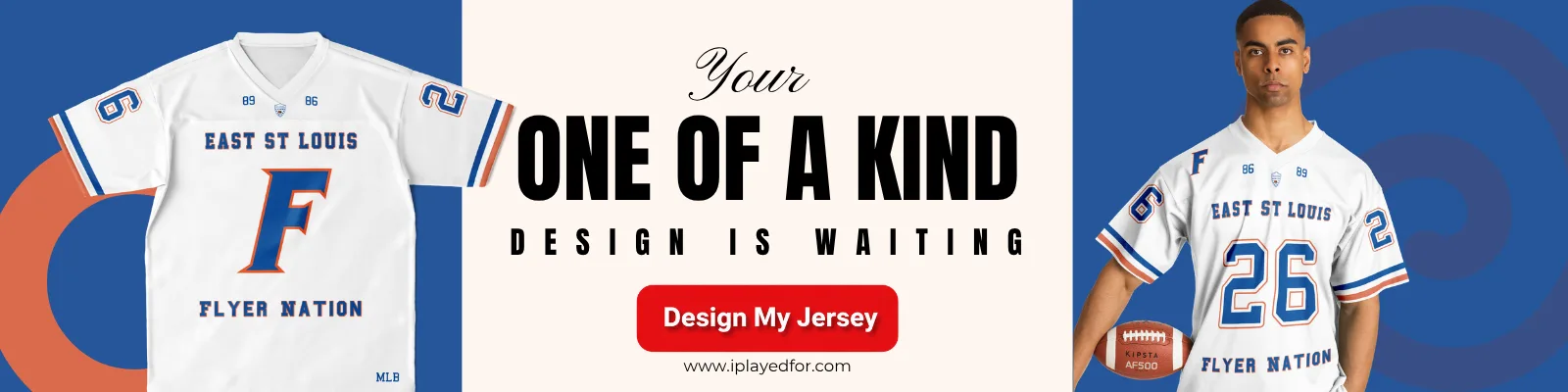
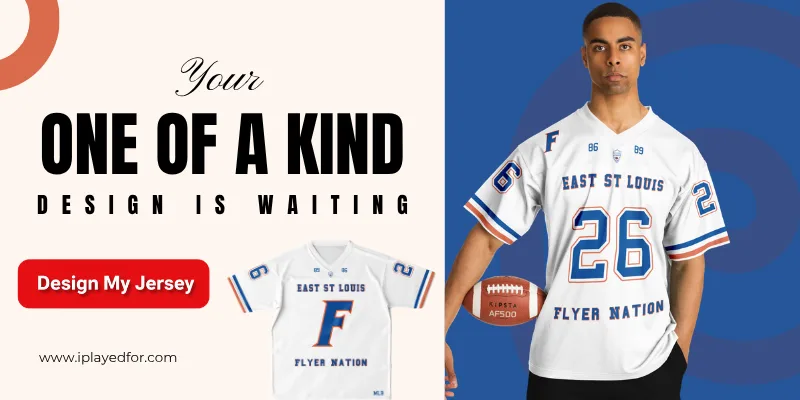
A custom jersey with his name and number from the sport he played is one of the few gifts that does this. Not a copy of a professional player's jersey. Not a vintage throwback of a team he watched. His jersey. The one that belongs to him specifically.
In our experience, this category of gift lands differently than almost anything else for a former athlete. The moment of opening it isn't just surprise — it's recognition. Someone saw the player in him specifically, not the fan, not the dad, not the regular guy.
The distinction matters enormously.
2. Gifts That Honor the Specific Story
Generic sports gifts — the kind that live in every mall gift shop — honor "sports" as a category. They don't honor his story.
The former athlete who played shortstop for his high school team and hit .380 his senior year does not need a baseball-shaped clock. He needs something that honors the specific fact of what he did, what he built, what he gave to a sport.
This means the best gifts in this category are custom, personalized, and specific. Think about what you actually know:
- What sport did he play?
- What position?
- What level — high school, college, recreational league, semi-pro?
- Is there a number that was his? A team name he still mentions?
- Is there a specific moment from his playing days that he still talks about at dinner?
A gift that uses that information — even partially — becomes an artifact of his actual story, not a decoration that gestures at sports in general.
What works: Custom jerseys, custom prints that reference his actual sport and position, personalized equipment displays, photo-restoration of old action shots with his name and stats.
What doesn't: Generic "sports fan" merchandise, celebrity athlete merchandise, gifts that say "happy Father's Day, sports fan" rather than "happy Father's Day, player."
If he played football, our gift guide for former football players goes deeper into what honors that specific Friday-night story.
3. Gifts That Connect the Past to the Present
Darius M., 44, played linebacker through two years of junior college before a knee injury ended his playing career. His wife had been trying for three years to find him a birthday gift that felt right. She'd done the nice watch, the golf gear, the tickets to see his favorite college team. None of it was wrong, exactly. But none of it was quite right, either. When she commissioned a custom jersey in his college colors with his number — 58 — and had it framed with a photo from his playing days, the response was something she hadn't seen from him in years. He couldn't talk about it right away. That's how she knew she'd gotten it right.
The gifts that land for former athletes aren't always the ones that point backward. Some of the most powerful ones connect the playing days identity to the present.
Consider:
- A father who coached his kid through a sport he played — a jersey that includes both his name/number and a reference to the years he coached
- A man who played in college and now watches his own son play the same sport — something that holds both stories in the same object
- A former athlete who still plays recreational league — gear or a custom item that honors both the history and the present participation
The thread connecting all of these is continuity. The message is: this part of you didn't end. It evolved. And we see that.
4. Gifts That Give the Body Something to Do
Former athletes don't just miss the identity of playing. They miss the physical experience of competing. The training. The conditioning. The very specific satisfaction of the body doing something difficult well.
This is why purely decorative gifts can feel slightly hollow for certain former athletes — especially the ones who are still physically active, still training, still competitive in whatever form that takes now.
Gifts in this category are about giving the former athlete something active to do with the part of him that still wants to compete:
- Premium training equipment for the sport he still plays recreationally
- A session with a performance coach or physical therapist who specializes in masters athletes
- Registration for a masters-level competition or recreational league season
- Gear that signals "you're still a player, not just a fan"
The specific gift matters less than the message embedded in it: I still see you as someone who competes, not someone who used to compete.
What Doesn't Land (And Why)
It's worth spending a moment on the categories of gifts that consistently disappoint former athletes — not because they're bad gifts in general, but because they misread the audience.
Fan merchandise for a team he follows. This is the most common mistake. He watches the games, sure. But he played. There's a significant psychological difference between identifying as a fan of a sport and identifying as a former participant in that sport. Fan merchandise says "you watch this." A custom jersey says "you played this." For someone whose identity is built on having played, those two things don't belong in the same category.
We've written separately about why gifts that reference your playing days hit different than generic sports merch — the gap between watching and having played is where most gifts miss.
Nostalgic items that are about sports generally, not his sport specifically. Vintage baseball card art looks nice. But if he played football, it doesn't say anything about him. The more specific the gift, the more powerful it lands.
Purely practical gear with no identity dimension. A high-quality gym bag is a good gift. It is not an identity gift. For a birthday or Father's Day — occasions where the emotional weight of the gift matters — practical gear alone rarely generates the response you're hoping for.
How to Make Any Gift Feel Like an Identity Gift
The insight isn't that you must spend more. It's that you must know more.
If you're choosing a gift for a former athlete — your husband, your father, your brother, your friend — the most important research you can do is answer these questions before you buy anything:
- What sport did he play, and at what level?
- What position? What number?
- How long ago did he stop playing, and how does he talk about it when he does talk about it?
- Is there a specific moment, team, or season that he mentions more than others?
- Does he still play in any form — recreational, coaching, pickup games?
With those answers, you can take almost any gift category and make it specific enough to land. A custom jersey that uses his actual name, his actual number, his actual sport, and his actual team colors isn't just a jersey. It's a statement: I know who you were. I haven't forgotten. And neither should you.
That's the gift.
Once you've answered those five questions, here's how to choose a holiday gift based on the sport they actually played — turning what you know into what you buy.
The Gift That Requires the Least Explanation
Among all the categories covered here, custom jerseys occupy a specific position in the gift economy of the former athlete: they require no explanation on the recipient's part.
He doesn't have to tell you what it means. He doesn't have to translate his playing-days identity into words for someone who may not fully understand it. He just holds the jersey and feels it — the specific weight of his name and number in his hands again, in a form that's his alone.
If you played, you know exactly what it's like to see your name on the back of a jersey. There's nothing else quite like it. It's the most efficient possible summary of a whole chapter of who you are.
The custom jersey also solves a practical challenge in the gift category: it's completely unique to him. No one else has it. No one else can have it. That's not a trivial thing when you're trying to honor a person's specific story.
Your jersey is still out there waiting.
Design yours in minutes and see your name, your number, and your school colors together again.
Frequently Asked Questions
What makes a gift meaningful for a former athlete versus just any sports fan?
The difference is specificity. A sports fan identifies with watching and following a game. A former athlete identifies with having played. Gifts that honor the former athlete acknowledge the specific sport, position, number, and level at which they played — not just sports in general. The most meaningful gifts use information that's specific to his story: his name on a jersey, his number, his team colors. That level of specificity is the gap between a nice gift and an unforgettable one.
Is a custom jersey a good gift even if he stopped playing a long time ago?
Especially then. Former athletes who have been out of the game for a decade or more are often the ones who carry the identity most quietly — and who are moved most deeply when someone acknowledges it. Time doesn't diminish what playing meant. A custom jersey with his name and number from the sport he played doesn't need to be recent to be meaningful. It honors something that happened, something real, something that shaped who he is.
What information do I need to order a custom jersey?
At minimum: the sport, the name to put on the back (usually his last name, the way it would appear on a team jersey), the number he wore, and a sense of the colors — either his actual team colors or the colors he associates with the sport he played. If you don't know the exact number, you can use a number that has meaning (a jersey number from a younger age, a number associated with his position, or simply his favorite number). The more specific you can be, the more personal the final product will feel.
What if he's the kind of person who genuinely doesn't want sentimental gifts?
Some former athletes have built their post-playing identity specifically around not being sentimental about the playing days. For that person, the active gift categories are often more effective — premium training equipment, a recreational league registration, a performance session with a coach. The through-line is still the same: honor the fact that he's a player, not just a fan. The form of the gift shifts from commemorative to participatory, but the core message remains.
Are these gifts appropriate for former female athletes?
Completely. The former athlete identity isn't gendered — the experience of building an identity around sport, and then navigating life after playing, belongs equally to women who played at every level. The same principles apply: specificity, identity acknowledgment, and a gift that says "I see the player in you" rather than "I know you like sports." Custom jerseys, commemorative items, and active gift categories all work equally well for former female athletes.
See also: personalized sports gifts vs. generic options | custom sports shadow box | athletic identity that doesn't just disappear after the last game