

He still knows the score. Not the score from last week — the score from the game that mattered. The one where they were down by six with two minutes left, and somehow, they weren't anymore. He was seventeen years old. He will be sixty-three and still know exactly what the sky looked like that night.
If you're searching for gifts for former athletes — particularly for the man in your life who played football and never quite stopped — you already know that a generic gift card isn't going to cut it. Not because he's difficult. Because he's specific. His story is specific. His Friday nights were specific. And the right gift acknowledges all of that without him having to explain it.
This guide is for the people who love him: the wife trying to find something for his birthday that finally feels like him, the adult kid who wants to give their dad something that makes him tear up in the good way, the partner who's heard the stories enough to know they matter but isn't sure what to do with that knowledge. What follows isn't a list of trinkets. It's a framework for giving a gift that lands — the kind that sits on his desk or hangs on his wall and says, quietly, I know who you are.
What He Actually Wants (Even If He'd Never Say It)
Former athletes don't talk about their playing days because they're stuck in the past. They talk about them because those years built something that still lives in them. The early mornings. The way a team moves when everyone is locked in. The particular satisfaction of executing something perfectly under pressure. That's not nostalgia — that's identity.
Research from the Journal of Sport and Exercise Psychology has documented what most people around former athletes already sense intuitively: athletic identity — the degree to which a person defines themselves through sport — doesn't simply dissolve when the playing stops. It recalibrates. It goes looking for a home. For some men, it finds that home in coaching youth leagues. For others, it lives in the way they approach their careers, their parenting, their mornings. And for nearly all of them, it lives in the stories they tell.
Every former athlete remembers the specific texture of those years in a way that surprises even them. The smell of the locker room before a big game. The particular weight of the helmet. The sound of the crowd doing something you haven't heard since. These aren't just memories — they're the building blocks of a self-concept that was formed under real pressure, with real stakes, alongside people they still think about.
The right gift for a former athlete doesn't ask him to let go of any of that. It says: that chapter of your life was real, and it deserves to be honored.
The Gift That Works, and Why Generic Gifts Don't
Here's the failure mode most well-meaning gift-givers fall into: they see "former football player" and think football stuff. So they buy a branded team hat, or a generic sports-themed frame, or a mug that says something clever about touchdowns. He smiles. He says thank you. It ends up in the closet.
Not because the gesture wasn't kind. Because the gift was about football in the abstract, not about him in specific.
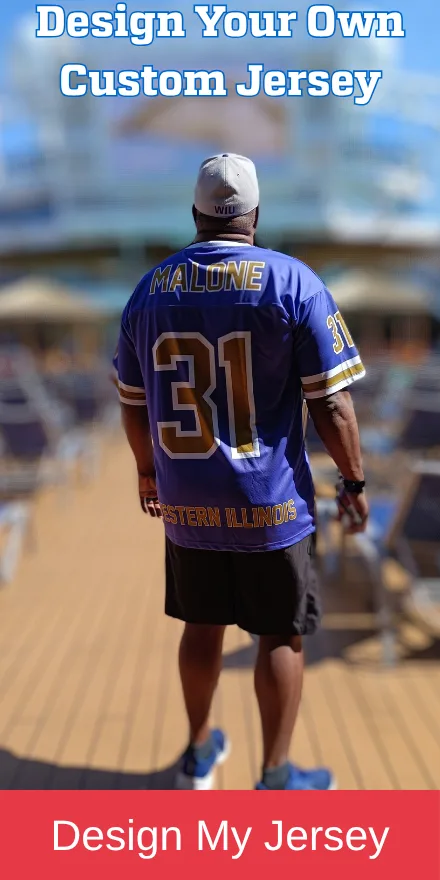
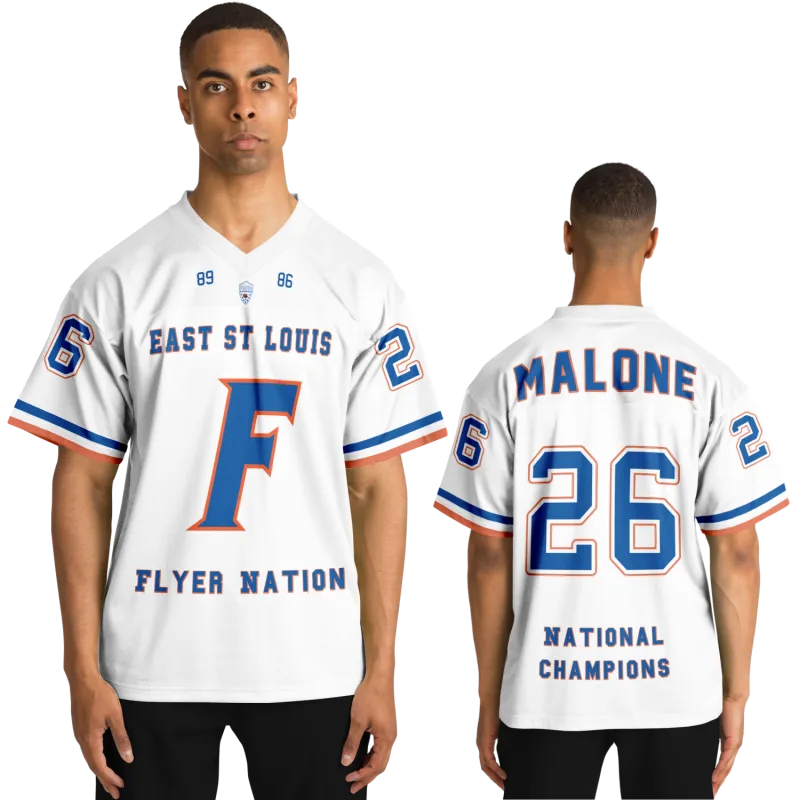
The former athlete in your life didn't play football in general. He played at a particular school, in a particular number, in a particular uniform that he wore through wins and losses and weather and the full intensity of what that season meant. That specificity is everything. A gift that acknowledges the general category of "football guy" lands very differently than a gift that acknowledges his number, his school colors, his name across the back of the jersey he wore when everything was on the line.
This is the distinction that separates a gift that decorates from a gift that resonates.
Four categories of gifts tend to actually work for former athletes — and one of them consistently outperforms the rest:
- Identity artifacts — things that honor the specific story, not the general category (a custom jersey with his actual name and number, for instance)
- Experience gifts — events or activities that put him back in the context of the game (coaching clinics, skills-day camps, attending a game with the people he played with)
- Craft objects — well-made, specific items that connect to the sport in a durable way (hand-stitched leather goods, quality athletic gear with real purpose)
- Memory anchors — curated collections of photographs, newspaper clippings, or game programs from his playing years, assembled with care
The identity artifact — and specifically, the custom jersey — consistently earns a different response than the others. Not because it's the most expensive, but because it's the most him.
Why a Custom Jersey Hits Different
Maria K., 44, had been trying to find something meaningful for her husband's milestone birthday for months. He'd played defensive end through high school and two years of college ball, and she'd heard the stories enough to know his number by heart. She ordered a custom jersey with his name, his number, and the colors of his high school team. When he opened it, he didn't say anything for a long moment. Then: "I didn't know you could still get this."
That's the response. Not "this is cool" — but genuine, quiet surprise that someone thought to reconstruct something specific from the chapter of his life that mattered most. The jersey wasn't a souvenir of football. It was proof that his story was still worth telling.
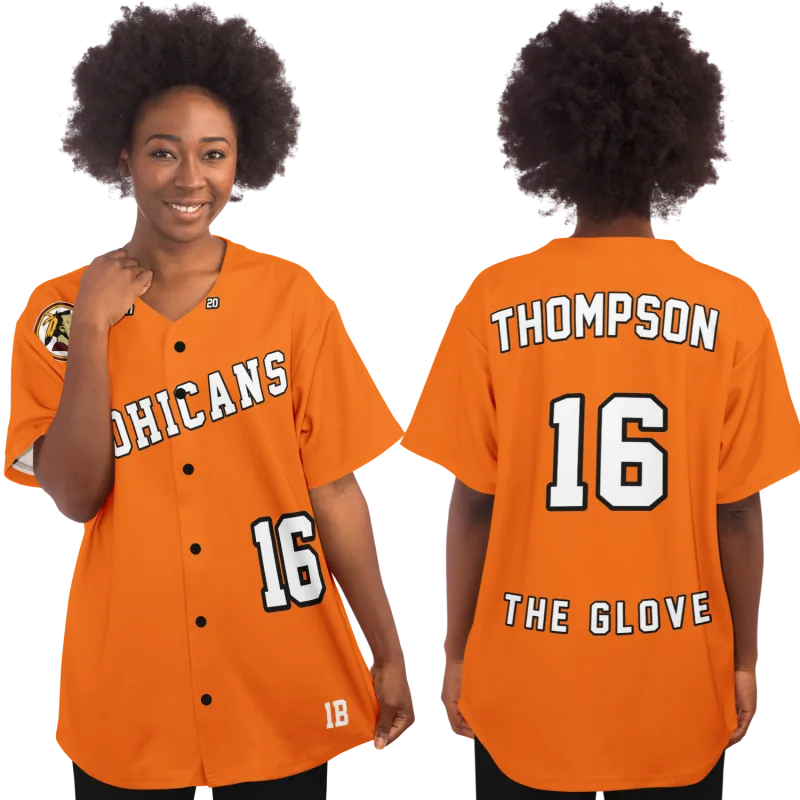
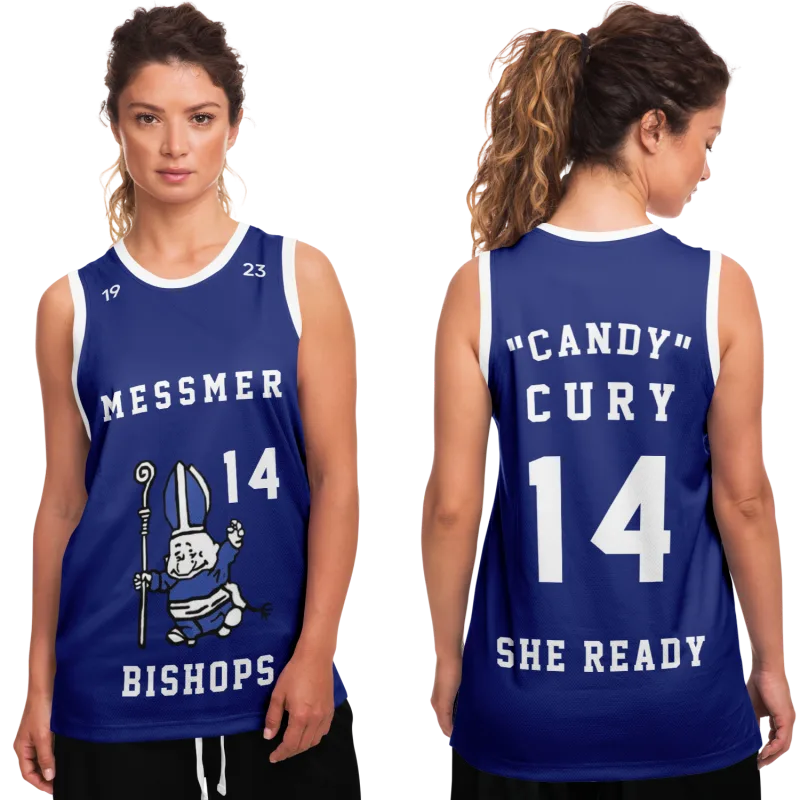
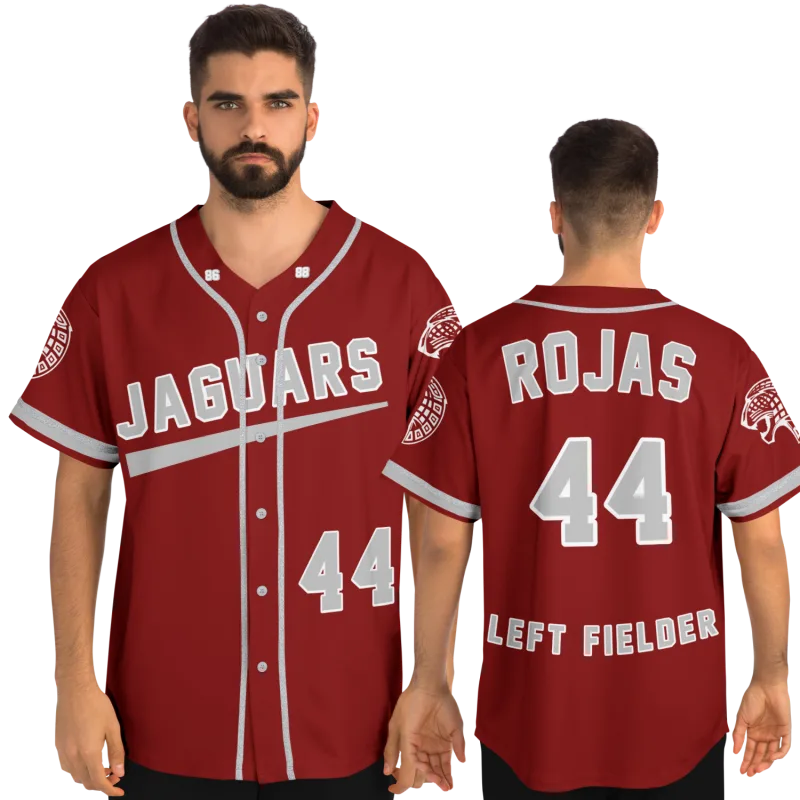
A custom jersey works because it requires the gift-giver to know things: his number, his position, his school, his colors. It can't be bought thoughtlessly. The specificity of the gift signals the depth of the attention behind it — and former athletes, who spent years in locker rooms where everyone knew their number and their role, respond to that kind of recognition at a level that's hard to explain to someone who hasn't been there.
It also has a practical quality that most sentimental gifts lack: he can actually wear it. Not to the grocery store, maybe, but to the backyard, to a family gathering, to a pickup game with his kids. It lives in the world, not in a box. And every time he puts it on, there's a version of Friday night in it.
What to Know Before You Order
If you're going to go the custom jersey route — and based on what our team consistently hears from people who have given them, it's worth doing — there are a few things that will make the difference between a jersey that's good and one that's exactly right.
Get the number right. This is non-negotiable. If you don't know his number, ask someone who does. His number is part of his athletic identity in a way that goes deeper than you might expect. Ask his sister. Check an old yearbook photo. Text his former teammate. Get it right.
Get the name right. Did he go by a nickname on the field? Did everyone call him by his last name only? The jersey should reflect how he was known in that context, not just his legal name. There's a difference between "Michael" and "Mick" and "Michaels" — and he knows which one was his.
Colors matter more than you'd think. His school colors aren't just a design choice — they're memory-specific. The particular shade of navy or red or gold that his team wore is embedded in everything he remembers about that period. Do your research. Look at old photos. Try to match it.
Quality signals respect. A jersey that looks and feels like it was made with care says something different than one that clearly wasn't. The materials, the stitching, the weight of the fabric — these are things a former player will notice immediately, because he spent years knowing exactly how a well-made uniform feels. And when you're choosing a size, keep in mind that adult sizing is nothing like what he wore at 17.
Other Gifts That Actually Earn Their Place
If a custom jersey isn't the right fit for your situation — or if you want to pair it with something else — here are two categories of gifts that tend to land for former athletes:
Memory curation: A framed collection of photographs, a scrapbook assembled from old game programs and newspaper clippings, or a shadow box built around a specific game or season. The effort of putting this together is part of the gift — it says you went looking for the evidence of his story and thought it was worth preserving.
Experience over object: Some former athletes respond more to doing than to having. A weekend at a football skills camp, a trip to see a game in a stadium he's always wanted to visit, or even just a standing Sunday afternoon watching film together — these are gifts that activate the part of him that's still, in some fundamental way, a player.
What doesn't tend to work: anything mass-produced, anything that treats football as a theme rather than a history, and anything that signals the giver didn't really know the specific person they were buying for.
If You Played, You Know
There's a moment that every former athlete understands, even if they've never tried to describe it: the first fall after you stop playing, when the leaves change and Friday night arrives and there's nowhere to be. No game. No bus. No locker room. No countdown on the scoreboard. Just a regular evening that somehow feels like something's missing.
That feeling doesn't fully go away. It mellows. It becomes part of the texture of adult life. But it never entirely disappears, because what it's marking isn't just the end of a season — it's the end of a particular version of yourself that knew exactly who you were and what your role was and how to show up when it mattered.
The former athlete in your life carries that version of himself still. He carries his number. He carries the names of the guys he lined up with. He carries the score of the game that mattered most, in both directions. And he carries the particular knowledge that there was a time when he was, unambiguously, part of something larger than himself.
A gift that honors that — that says I see the player who's still in there — isn't just a present. It's an acknowledgment.
Your jersey is still out there waiting.
Design yours in minutes and see your name and number exactly the way you remember it.
Frequently Asked Questions
What makes a gift meaningful for a former athlete vs. a general sports fan?
A sports fan is connected to a team or a sport. A former athlete is connected to their specific experience of playing. The best gifts for former athletes acknowledge the personal history — the actual position played, the number worn, the school represented — rather than the sport in general. Anything that requires you to know specific details about his playing days will land better than anything that could apply to any football fan.
How do I find out his jersey number if I don't already know it?
Old yearbooks are the most reliable source — many school yearbooks include team photos with rosters. Alumni pages for his high school or college often have archived sports coverage. His former teammates or family members who watched him play are another strong option. If you're ordering a custom jersey, it's worth taking the time to get this right — the number is often the detail that matters most to him.
What if he played multiple sports — how do I choose which one to honor?
Pay attention to which sport he talks about most. For most former athletes, there's one sport that was primary — the one where he felt most like himself, the one that shaped him most. If football comes up most often in his stories, that's your answer. If he played football and baseball with equal passion, it's worth asking a sibling or longtime friend which sport meant the most to him during his playing years.
Is a custom jersey appropriate for a younger former athlete — someone who stopped playing recently?
Yes, and it often hits even harder for someone whose playing days are more recent. The emotional distance of twenty years makes the gift nostalgic. The closeness of five years makes it feel like recognition — like someone acknowledges how significant that chapter was, even without the benefit of long hindsight.
What age range does this type of gift work best for?
In our experience, custom jersey gifts work across a wide range — from a 22-year-old who just finished his last college season to a 65-year-old celebrating a milestone birthday. The emotional mechanism is the same at any age: it acknowledges that his athletic identity was real and still matters. The gift doesn't have a shelf life, because the story doesn't have one either.
See also: personalized sports gifts vs. generic options | why high school sports memories still carry so much weight | building a custom sports shadow box | what playing under the Friday night lights actually felt like