



You didn't know it was the last one.
That's the part nobody prepares you for when you play your last high school basketball game. Not the coaches, not the seniors who went through it before you, not the parents filming from the top row of the bleachers. Nobody slides a note under the locker room door before tip-off that says: this one is different — pay attention to every second of it.
So you didn't. You taped your ankles the same way you always did. You shot around in warm-ups with the same half-distracted looseness, catching passes on auto-pilot, rhythm-shooting from the elbow like you had a thousand times before. You ran the same plays. And when the buzzer sounded, you shook hands down the line, walked to the locker room, and for a few minutes — maybe longer — you still hadn't registered what had just happened.
Some of you felt it the moment it ended. You remember the final possession, the exact score, the look on your coach's face in the seconds before the speech he'd been quietly dreading since October. It landed on you right there, under those lights, before you even made it off the court. Others didn't feel it until days later — until someone mentioned next year's tryouts and something inside went quiet in a way it hadn't before. And some of you are still working out what to do with it, which is probably why you ended up here.
This is for all three of you.
The Strange Geography of That Locker Room
Walk back into that locker room in your memory. Not the highlight version — the real one.
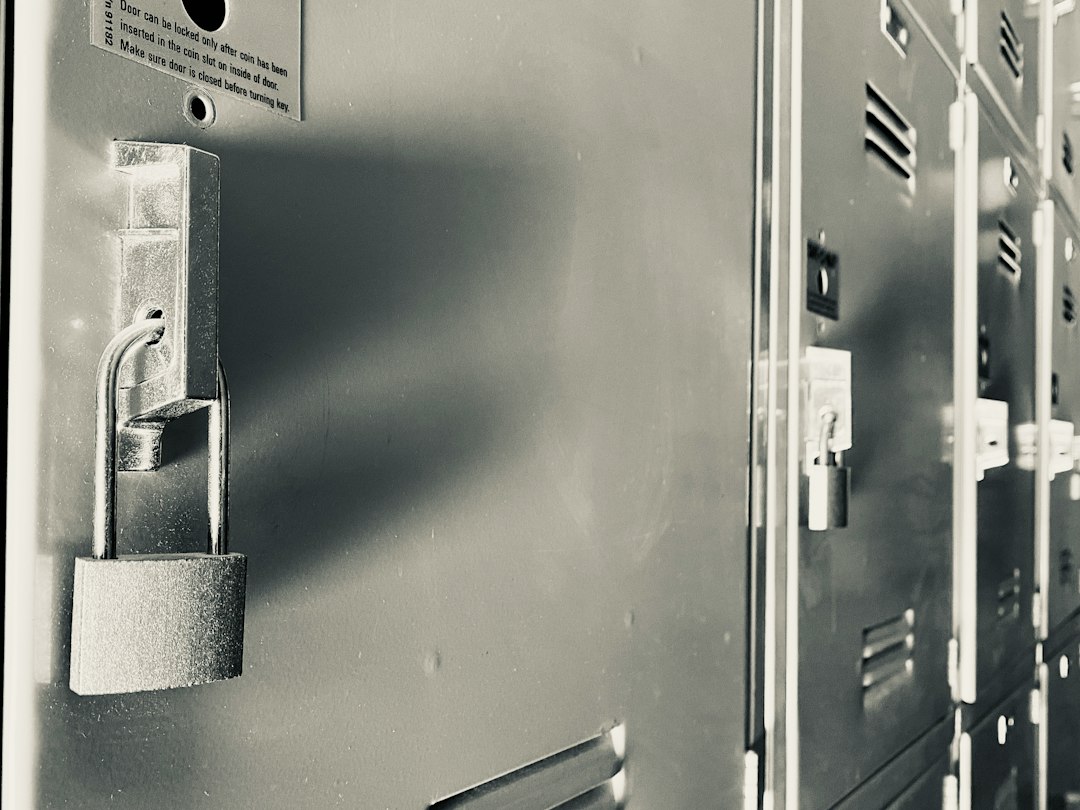
The smell was the same as always. Liniment and rubber and whatever industrial cleaner the custodial staff used on the concrete floors. The fluorescent lights buzzed the way they always buzzed. Somebody's bag was half-open on the wrong bench. One of the underclassmen was already scrolling his phone.


But something was off-key, and it wasn't only the loss — or even the win.
If you won that night, made the next round, pushed deeper into the bracket before the end finally came — the locker room still carried that quality. Loud on the surface, strangely hollow underneath. The noise didn't fill the room the way it usually did after a good outcome. Like a frequency that should have been there was just missing.
If you lost, you already know what that particular silence sounds like. The way a coach's voice thickens in a way it never quite does at practice. The way some guys cry and some guys fix their eyes on the floor and some guys crack a joke because they genuinely don't know what else to do with what they're carrying.
What every player in that room was feeling — winners and losers alike — was the end of something they'd spent years treating as permanent. The season had always ended before. There had always been another one somewhere ahead of them. This time there wasn't, and the body understood that before the mind had a chance to process it.
Sports psychologists who work with transitioning athletes describe this as identity disruption — the psychological experience of losing a role that had quietly become the center of how you understood yourself. But you don't need the clinical framing. You felt it. That specific, strange ambivalence — something that felt like grief wearing the clothes of exhaustion. That was real. It counted.
What You Were Actually Losing (And It Wasn't Just Basketball)
Here's the thing about high school basketball that rarely gets said out loud: it was never just basketball.
It was the structure that organized your entire year — a reason to be somewhere every afternoon when school let out, a calendar that ran from the first day of conditioning through the last game of the season. It was a group of people who had seen you at your worst — the turnover that cost a game, the practice where nothing worked, the moment you let your frustration show in a way you weren't proud of — and came back and stood next to you anyway.
And it was a version of yourself that only existed under those lights.
That last part is the one that takes the longest to untangle. In your last high school basketball game, you weren't only playing basketball. You were being — fully and without self-consciousness — the version of yourself that the sport had spent years building. The one who knew without thinking where to be on a pick-and-roll. The one who could read a teammate's shoulders and know before the pass left her hands exactly where it was going. The one who had a specific role on a specific team in a specific gym, and performed it with a competence built from thousands of hours of practice.
That version of you was genuinely good at something. And after the final buzzer, that exact configuration — the skill, the role, the belonging, the daily purpose — was never going to exist in quite that form again.
The Day It Actually Hit You
For most players, the moment it all lands doesn't come on the day the season ends.
It comes later. Sometimes much later.
It might have been the first Monday in March when you realized there was no practice. Not a snow day, not a conflict on the schedule — just a Monday afternoon with nothing after school, and you didn't quite know what to do with your hands or your time. It might have been the first time you drove past the gym and saw the parking lot empty at 6 PM when it should have been full. It might have been someone asking you that summer what sport you play, and you started to say basketball, and then stopped — because you weren't entirely sure anymore whether the present tense still applied.
That hesitation is one of the quieter disruptions that follows the end of a high school career. You'd answered that question automatically your whole life. Suddenly it required a negotiation you hadn't anticipated.
Marcus T., 22, played shooting guard for his school in central Ohio and remembers driving home from a pickup game the summer after his senior year, realizing he'd been unconsciously routing around his old high school. "I didn't know I was doing it at first," he said. "I just didn't want to see the gym with somebody else's gear in it. Took me most of that year before I could sit in the stands and watch a game there without feeling like I was watching something that used to be mine."
That feeling — the gym that was yours, now belonging to the next group coming up — is something almost every former player recognizes the moment it's named. It isn't grief in the conventional sense. It's closer to showing up somewhere familiar and finding that your key no longer turns the lock.
The Players Who Knew Beforehand
Some of you walked into that final game already knowing what it was.
The seniors who'd watched older teammates go through this same moment. The players who'd made peace with the fact that college ball wasn't in the picture. The ones who'd been counting down — not with dread, exactly, but with a particular attentiveness that comes from knowing time is almost up.
That knowledge doesn't soften the landing. In some ways it makes everything sharper and harder at once.
When you know it's the last one, you start cataloguing involuntarily. The sound the ball makes on hardwood before tip-off. The weight of your uniform after years of wearing it, the way it fits without thinking about it. The specific quality of the light in your gym at game time, different from every other gym you played in. You try to hold all of it simultaneously — and you can't, because you also have to actually play the game.
There's a particular kind of experience that belongs to the player who went into the final game carrying the full knowledge of what it was. They were grieving and competing in the same body at the same time — which is one of the stranger things an athlete can be asked to do.
If that was you — if you stood at half-court for warm-ups with the weight of what was ending already on your shoulders — you know that the playing didn't stop the feeling. The game was still the game. You still wanted to win. You still competed with everything you had. And underneath all of it, the entire time, was this low-frequency awareness that you were burning through the last minutes of something you'd spent years earning.
What Nobody Tells You About the Other Side
Here's what the motivational banners hanging in the gym never quite address: the end of your playing career is also the beginning of something else. But that something else takes time to come into focus, and rushing toward it before you're ready doesn't work.
The first months after your last high school basketball game are mostly about managing absence. No practice. No game days. No shared mission pulling a group of people into the same building at the same time for the same purpose. The social architecture that had organized your emotional life for years is just — gone. And that absence deserves to be acknowledged rather than explained away.
But something becomes clearer over time, usually a year or two out:
- The discipline built through years of conditioning doesn't disappear when the final whistle blows. It lives in you, and it shows up in new contexts whether you're looking for it or not.
- The capacity to perform under pressure, to function when you're tired and the situation requires more than you feel like giving — that isn't basketball-specific. It's yours, permanently.
- The relationships forged in those locker rooms tend to hold in ways that other high school friendships sometimes don't. People who competed beside you, who saw you at your most exhausted and least impressive, carry a specific kind of loyalty.
None of that erases the real loss of the thing itself. But it does become visible, eventually, that the game left you with more than it took when it ended.
The Jersey Is the Thing That Stays
Of every physical object connected to your time on that court, the jersey holds the most.
Not the program from the big game. Not the team photo on the gym wall. The jersey — because the jersey was on your body. It was what you wore when you were being the version of yourself that played basketball under those lights. It carries that identity forward in a way nothing else quite does.
In our experience, when former players describe wanting to hold onto what those years meant, the jersey is almost always the first thing they mention. Not because it has monetary value, but because it's specific in the right way. It has their name on it, or their number, or both. It represents a particular team in a particular season — a version of them that existed under those gym lights and nowhere else.
The original jersey, if you still have it, is often too fragile to do much with. Fabric fades. Numbers crack and peel. The things that make it real also make it hard to keep without anxiety about damaging the only one that exists.
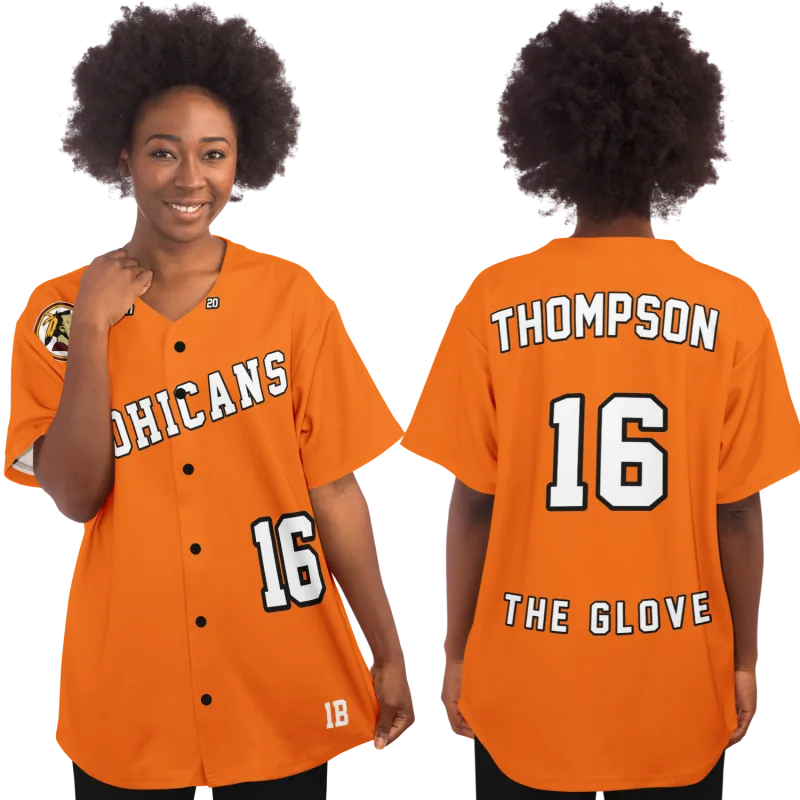
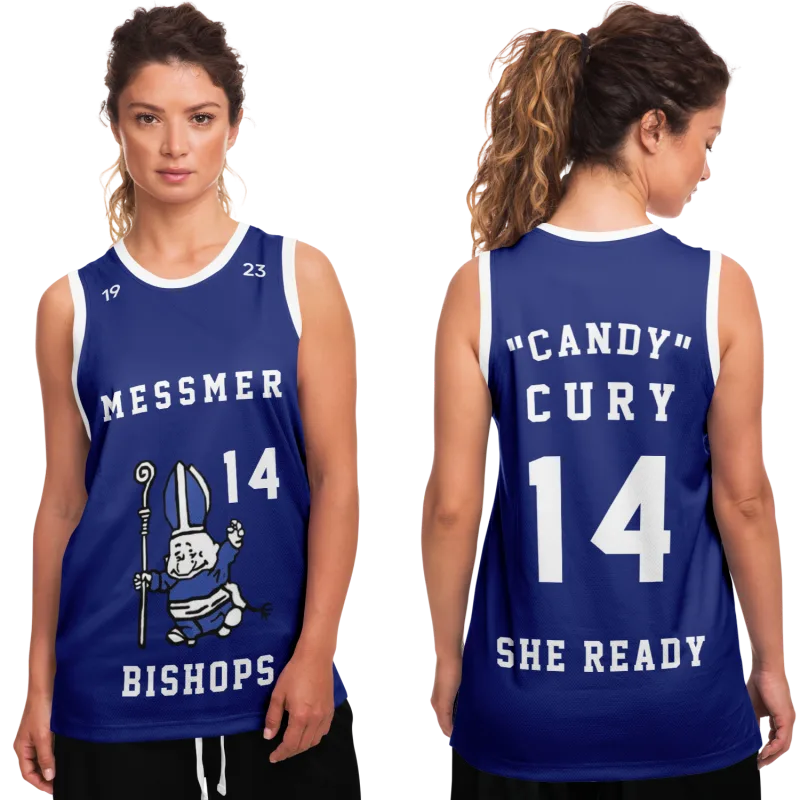
That's the reason a lot of former players eventually have a custom jersey made — not a tribute to a professional team or a licensed product, but something that honors their own playing days. Their name. Their number. Their colors. Built to wear, display, or simply keep without worrying about destroying the irreplaceable version. It's not a stand-in for the original. Nothing serves that purpose. It's more like a way of saying: this mattered, and I want something that reflects that in a form that holds up.
Your jersey is still out there waiting.
Design yours in minutes and see your name and number exactly the way you remember it.
Frequently Asked Questions
Is it normal to feel the loss of your last high school basketball game years after it happened?
Yes — and the delay doesn't make the feeling less legitimate. Research on athletic identity consistently shows that athletes who invested heavily in a sport go through a genuine transition when that sport ends, and the timeline for processing it varies widely from person to person. Some players feel the weight of it within weeks. Others don't fully register it until a specific trigger surfaces — a game on television, a conversation with an old teammate, a drive past the gym. The intensity of the feeling tends to track how central the sport was to your identity, not how recently the season ended.
What do you do when you didn't realize it was your last game until it was already over?
Most players are in exactly this situation. There's nothing to do retroactively — the game is already in the past. What you can do now is name it clearly: you played your final high school basketball game without knowing that's what it was. That's a real thing that happened, and it doesn't need to be resolved quickly. Talking about it with former teammates — who almost certainly experienced the same thing — tends to help more than talking about it with people who weren't part of that world.
Does the role you played on the team affect how much the ending hits you?
Less than most people assume. The disruption that follows the end of a high school sports career doesn't track closely with playing time or statistical contribution. What correlates more directly is how central the sport was to your sense of self — the structure it provided, the community it created, the daily routine it organized. Role players who were deeply invested in the team experience often describe the same intensity of loss as starters. The game meant what it meant to you specifically, and that's the only measure that matters.
Why does the locker room after the final game feel so different from every other locker room?
Because every other locker room had a next game somewhere ahead of it. The postgame locker room after a regular-season loss or a midseason win carries a kind of incompleteness — there's unfinished business, another game coming, something still to prove. The locker room after the final game of the season — and the final game of your career — has none of that. The incompleteness is the point. There is no next game. Your nervous system registers that absence before your conscious mind has time to frame it, which is why the room feels different even when everything in it looks exactly the same as it always did.
What about players who go on to play in college — do they feel the end of high school basketball the same way?
They feel it, but often on a delayed timeline. When another chapter is beginning, the previous ending tends to get deferred rather than processed. The full weight of when high school basketball ended typically surfaces when the college career concludes — and at that point, many former college players find themselves processing both endings at once. The layers compound in ways that can feel disproportionate to the immediate situation, which often confuses people who don't understand why finishing college ball hits as hard as it does. The answer, usually, is that they're not only grieving the college career. They're finally grieving the high school one too.
See also: the grief that comes with the end of your athletic career | why your senior season memories feel so impossibly clear | Senior Night and the weight of that last home game | what losing your athletic identity after high school actually feels like