

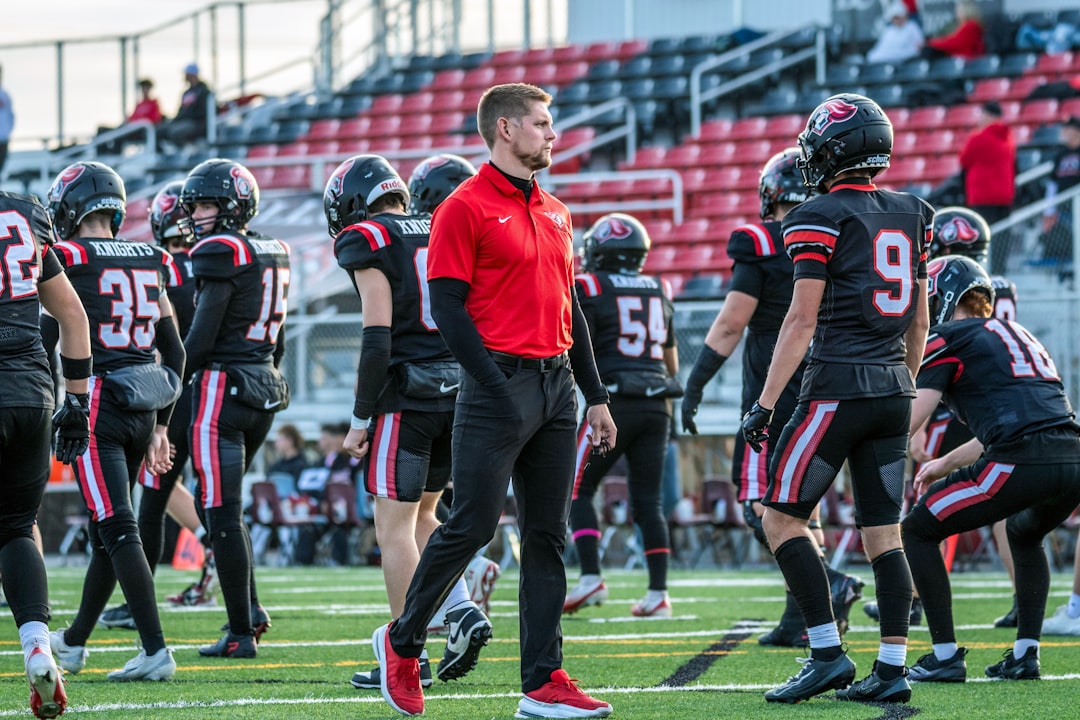

There is a name you still remember.
Not just the name — the voice. The phrase they used when you were struggling and they refused to let you quit. The look they gave you when you finally got it right. The way they showed up, year after year, for kids who had no idea yet what that kind of consistency meant.
If you've been searching for how to thank your high school coach years after the fact, you already know the thanks is overdue. What you might not know is how to make it land the way it deserves to.
This guide gives you that. Specific approaches, real language, and one gesture that tends to hit harder than anything else — because it shows your coach that you still carry what they built.
Why the Timing of Your Thank-You Actually Works in Your Favor
Here is something worth knowing before you second-guess yourself: coaches rarely hear from former players at the peak moment of impact. They hear from parents mid-season. They hear from players at graduation. Then — almost always — silence.
A thank-you that arrives years later, even a decade later, lands in an entirely different place. It arrives after the coach has watched hundreds of other players come through. It arrives when they've had enough distance to wonder whether any of it mattered. It arrives as confirmation.
Coaches who've been in the profession long enough will tell you the same thing: the notes and calls they receive five, ten, fifteen years out are the ones they keep. The ones that get framed.
Homecoming season, reunion weekends, milestone birthdays — these are natural opening doors. The calendar gives you permission to reach out without it feeling random. Use it.
The Four Approaches That Actually Work
Not every approach fits every relationship. The right move depends on what you had with this coach, how much time has passed, and how much of yourself you want to put into it.
1. The Handwritten Letter
This is the one most people skip because it feels old-fashioned. That is precisely why it works.

A handwritten letter communicates something an email or DM cannot: that you slowed down. In a world where every message takes twelve seconds to compose and send, a letter signals genuine intention before the coach reads a single word.
What to include:
- One specific memory. Not a general tribute — a specific moment. The practice drill. The pre-game speech. The time they pulled you aside. Specificity is what separates a meaningful letter from a form letter. "You coached me well" means nothing. "I still hear your voice when I'm in a high-pressure situation at work, specifically the thing you said after we lost the regional semifinale" means everything.
- What it produced in your life. Coaches don't always see the downstream outcomes. They see the player who graduated and moved on. Telling them what the discipline, the teamwork, the resilience actually built in you — that is the gift.
- No obligation on their end. A great thank-you letter doesn't require a response. It releases the coach from any social pressure. "I'm not expecting anything back — I just wanted you to know" is a line that transforms a letter from a communication into a gift.
One page. Written by hand. Mailed to the school if you don't have a home address.
2. The Direct Reach-Out (Call or Message)
If the letter feels like too much, a call or direct message is still worth doing — as long as you prepare it.
The failure mode with a spontaneous call is that you end up saying something like "I just wanted to say thanks for everything" and the coach says "of course, it was my pleasure," and you both hang up feeling like the moment didn't quite happen.
Avoid that by coming in with one specific thing. Before you dial or type:
- Write down the one memory you're calling about.
- Write down one outcome from your life you want them to know about.
- Write down one quality they modeled that you still use.
That's the whole call. Three things, delivered with sincerity, takes four minutes. The coach will remember it for years.
3. Show Up in Person
If there's a homecoming game, an alumni event, or a sports banquet you can get to — go.
A personal appearance says something no letter or call can. It says: I came back. You were worth coming back for.
Coaches who've spent careers building programs that outlast any single season respond to physical presence in a way that digital contact cannot replicate. You don't need a prepared speech. You need to walk up, introduce yourself by year and sport if it's been a long time, and give them one specific sentence.
"Coach, I played for you in [year]. I just wanted you to know that the way you ran practice is still how I approach hard things. Thank you for that."
That's it. That's the whole interaction if that's all you have. It's more than enough.
4. A Gift That Carries the Memory
Some relationships warrant a physical gesture. Not an Amazon gift card — something specific to the shared history.
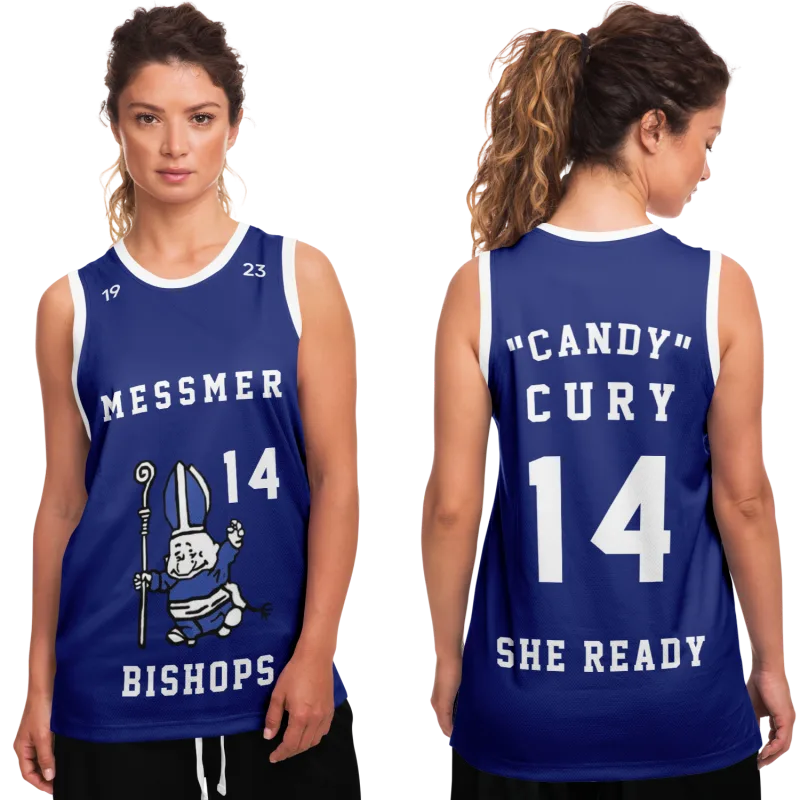
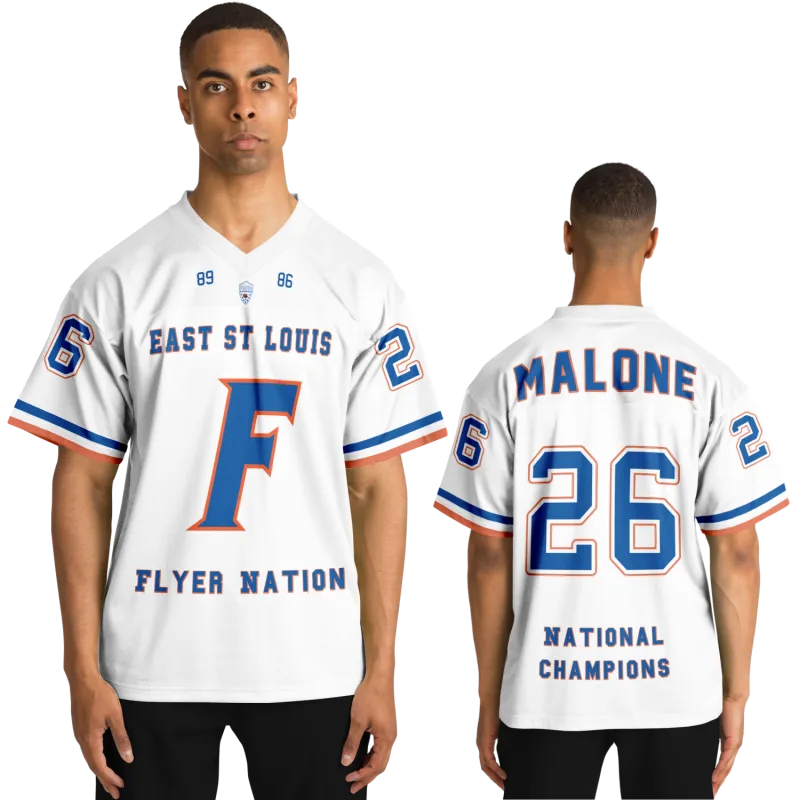
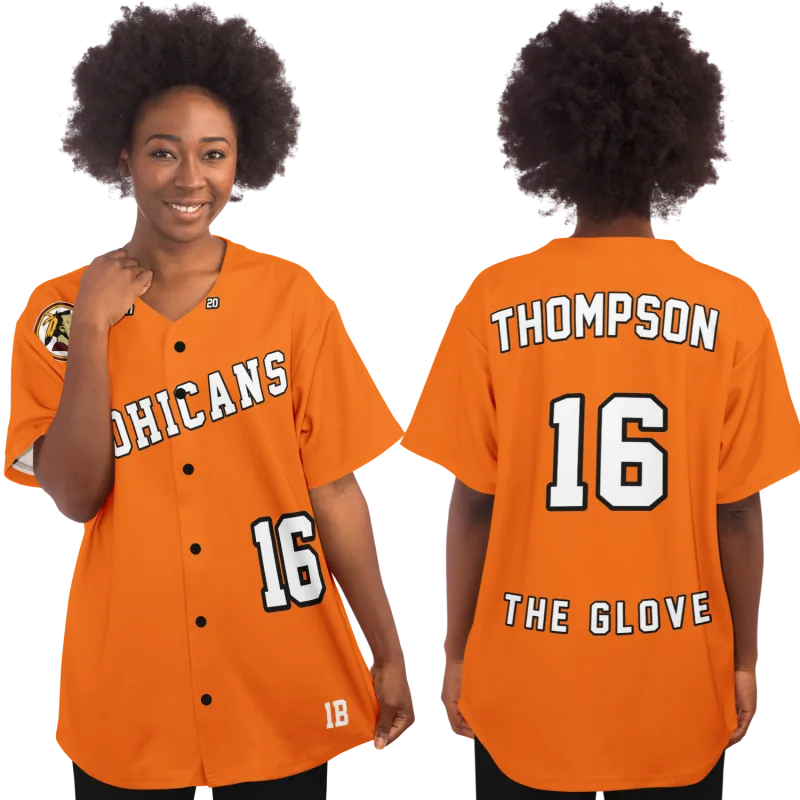
This is where former athletes are finding something that genuinely lands: a custom version of the jersey they wore for that coach.
Marcus D., 34, played basketball for a small-town program in central Ohio. His coach retired after 22 years in the same gym without ever coaching a state title — just quietly transforming generations of kids. When Marcus heard the retirement announcement, he ordered a custom jersey in his old number and had it framed with a short note inside: You filled this jersey with more than I knew at the time. His coach still has it in his office. That was three years ago.
A jersey is specific in a way most gifts aren't. It connects the coach to the player, the season, and the number. It says: I remember precisely what we were.
What to Say When You Don't Know What to Say
The blank page problem is real. Most people who want to reach out to a former coach stall at the precise moment they sit down to write or dial.
Here is a structure that works:
Open with the specific memory. "Coach [Name], I was [sport], [year], number [jersey number]."
Name what they did. "You [specific thing they did — stayed late, wrote the letter, made the phone call, ran the extra drill, said the specific thing]."
Name what it built. "I don't know if you realized it at the time, but that [thing] is still something I carry into [work / parenting / competition / hard moments]."
Close without obligation. "I'm not expecting anything back. I just wanted you to know it mattered. It still does."
Four sentences. That's all it takes. The elaboration is welcome, but not required. The four sentences above, delivered with one true specific memory, are a complete thank-you. If you're drawing a blank on which memory to open with, the quotes that stuck with you from high school can be the spark — a single line is often enough to unlock the rest.
The One Thing Coaches Actually Want to Know
In our experience covering athlete stories across dozens of sports, the question we return to again and again with coaches is: what makes the appreciation feel real?
The answer is almost always the same: specificity about outcomes.
Coaches commit to a profession where the feedback loop is extremely long. They plant seeds in seventeen-year-olds and then watch them leave. They almost never learn whether the discipline stuck, whether the values transferred, whether the person became someone they'd be proud of.
When you come back and tell a coach not just "thank you" but what you became — that is the gift. The jersey number, the memory, the sentiment — those are the delivery mechanism. The payload is: here is who I am now, and you are part of why.
Don't skip that part. The mentors who helped us grow did so through moments just like these — which is why naming the specific outcome lands the way it does.
A Note on Timing: Homecoming Season Is Not the Only Window, But It's a Good One
If you played, you remember what homecoming felt like. The school looks the same. The field smells the same. Everything that has changed in your life collapses briefly back into that particular version of yourself.
Coaches feel this too. Homecoming is a season when coaches are already thinking about former players — alumni trickling back through hallways and stands, old names coming up in conversation.
Your outreach during this window doesn't feel out of nowhere. It feels like the right time. The calendar is on your side.
If you've been waiting for the right moment, this is a reasonable one to take.
How to Track Down a Coach You've Lost Touch With
Former coaches can be harder to find than you'd expect, especially if they've retired or moved programs. A few approaches that work:
- Contact the school's athletic department directly. Even retired coaches often stay connected through their former programs. A phone call to the AD explaining that you're a former athlete looking to reconnect is almost always welcomed.
- LinkedIn. Coaches who transitioned into other careers are frequently there. A short, specific connection request explaining who you are and why you're reaching out has a high response rate.
- Former teammates. Someone kept in touch. Someone knows where he is, where she's coaching now, or whether he retired to Phoenix. A quick message to the group chat you haven't opened in two years is worth it.
- School alumni networks. If your high school has an alumni association or social media group, someone will know. These networks exist precisely for moments like this.
Don't let friction in the finding become an excuse not to reach out. The effort required to locate someone is part of the signal you send when you do. And if the reason the thanks has stayed overdue is that your coach is no longer here, it's worth reading about grieving a mentor who shaped your athletic life before you put it off any longer.
Your jersey is still out there waiting.
Design yours in minutes and see your name and number the way you remember it.
Frequently Asked Questions
Is it too late to thank a coach who coached me more than ten years ago?
No. There is no expiration date on this kind of gratitude. Coaches who've been in the profession for any length of time understand that players often don't have the perspective to articulate what a coaching relationship meant until years after the fact. A thank-you that arrives a decade later frequently lands harder than one delivered at graduation, precisely because it has survived the test of time and real-world experience.
What if I wasn't a standout player — will my coach even remember me?
Coaches tend to have better memory for their players than players expect — including the ones who weren't stars. But more importantly: it doesn't matter whether they remember every detail. Your specific memory, delivered specifically, will re-anchor who you are. And a coach who learns that someone they thought of as an average player still carries something they built? That is a meaningful message regardless of your stats.
What's the best thing to include in a thank-you note to a coach?
One specific memory, one specific outcome it produced in your life, and a release from any expectation of response. Generalities like "you were a great coach" are kind but forgettable. A specific moment — the drill, the speech, the conversation after the game you lost — is what gets framed on the wall.
Should I give a gift, or is a note enough?
A note is always enough. A gift amplifies the gesture when the relationship warrants it — but only if the gift is specific rather than generic. Something connected to the shared history (like a custom version of your old jersey) carries weight that a gift card never can. If you're unsure, lead with the letter. The letter is the gift.
See also: why personalized gestures hit differently than generic ones | why high school sports relationships still carry so much emotional weight | what high school sports actually taught you that nothing else could | how to reconnect with people from your athletic past