

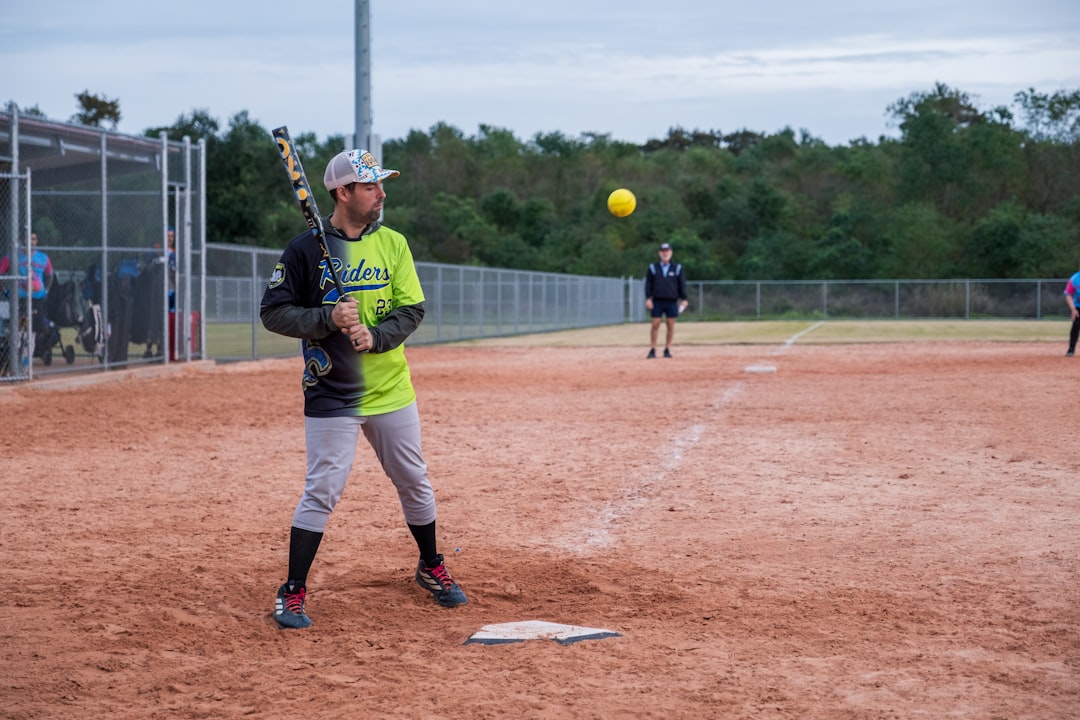

The dirt looks the same from the batter's box. Same red clay smell. Same drag marks from whoever raked the baseline before the game. And for a half-second — before the first pitch, before anyone on the aluminum bleachers checks their phone, it is the same.
You know this feeling. If you're an adult softball former athlete who still suits up on weeknights or weekend mornings, you've stood exactly there. The level changed. The stakes, technically speaking, dropped. Your quads ache in ways they didn't at nineteen. But the stillness right before the pitch? Identical. And that's not a coincidence.
This runs deeper than nostalgia dressed up as sport. What you're recognizing is that the competitive identity you built over years of playing doesn't have an expiration date just because the uniform changed. Rec league softball is where the athlete finally figures out what they were playing for all along.
The Competitor Doesn't Retire — It Relocates
Every former athlete remembers the moment the organized chapter ended. Maybe it was graduation. A cut. An injury that didn't fully heal, or one that did heal but took the eligibility window with it. For some, it was the simple math of time: responsibilities compounding until the sport had to go somewhere else on the calendar.
What nobody warned you about was the residue. The way competition doesn't just switch off because the league affiliation does. You still read a room like you read a defense. You still feel the low-grade irritation of losing at things that objectively don't matter (board games, pickup basketball with people who definitely never played) because somewhere in your nervous system, losing was never allowed to feel neutral.
That's not a character flaw. That's years of deliberate conditioning expressing itself in the only honest way it knows how.
When the adult softball former athlete shows up to a rec league game, they're not pretending. They're not clinging to something dead. They're giving that competitive wiring its weekly address: a place to live that fits the rest of their adult life. Tuesday nights at 7. The field three miles from the house. A team that includes one guy who genuinely played at a high level, two who exaggerate significantly, and a few who are just happy to be outside. When you're ready to find a team like that, the best adult rec leagues for former high school athletes are a good place to start.

The level is irrelevant. The mechanism is still working.
What Rec League Actually Measures
Here's what people outside the athlete experience don't understand about adult recreational sport: the competition isn't the point. The competition is the container.
Inside that container lives a specific set of things that organized sport provides and that most adult life conspicuously does not:
- Clear feedback. You hit it or you don't. You threw to the right base or you didn't. In rec league softball, the scoreboard is honest in a way that quarterly reviews and performance metrics often aren't.
- Defined roles. You're the shortstop. That's yours. Someone depends on you to cover it. That clarity (knowing exactly what your job is and whether you did it) is genuinely rare once you're past a certain professional level.
- Stakes with no lasting consequences. High enough to matter for ninety minutes. Low enough that a loss doesn't follow you to work Monday. This is not a weakness of rec league. It's its most sophisticated feature.
- Physical accountability. You trained or you didn't, and your legs will tell the truth in the third inning. The body still keeps score.
The athlete in you knows all of this without needing it explained. You're not showing up for exercise. You could get exercise in a dozen other ways that don't require arguing a safe call at second base. You're showing up because this specific combination (physical output, competitive structure, team accountability, and the particular sensation of being good at something that is measurably difficult) doesn't exist anywhere else in your week.
The Jersey Still Means Something
Carla M., 38, played four years of college softball as a catcher and spent the next decade telling herself she didn't miss it that much. When her friend dragged her into a Thursday night coed league, she showed up in athletic shorts and an old gym shirt. By the third game, she'd ordered a jersey with her name on the back, not because the league required it, but because it felt right. "I didn't realize how much I'd missed seeing my name on a uniform," she said. "It sounds small but it wasn't."
It doesn't sound small to anyone who played. The uniform was never just fabric. It was proof of belonging to something with standards, something you earned your way into. Wearing it meant you had made the team, passed the evaluation, been deemed worth the spot.
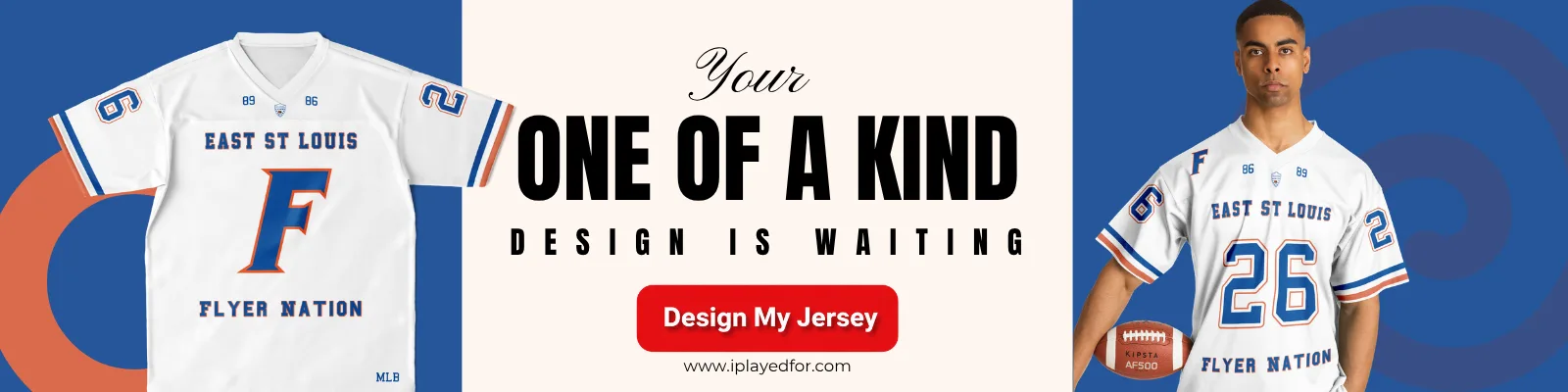
The adult recreational jersey carries a different version of that weight. Nobody cut anyone to build this roster. But the act of putting your name on the back (making it yours, making it specific to you rather than just a generic team shirt) reconnects something. It says: I'm still this person. This is still a thing I do.
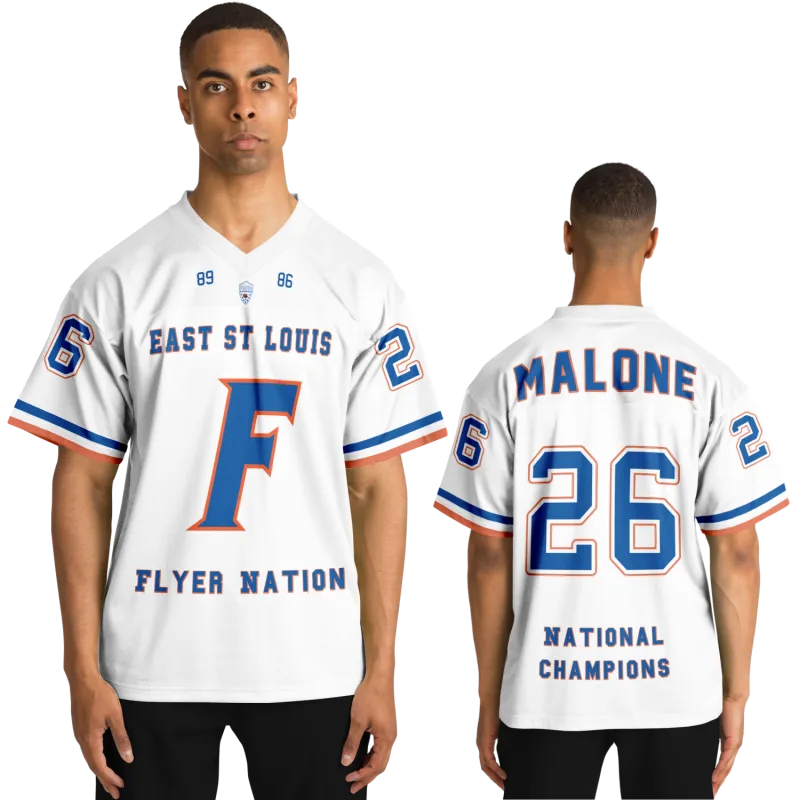
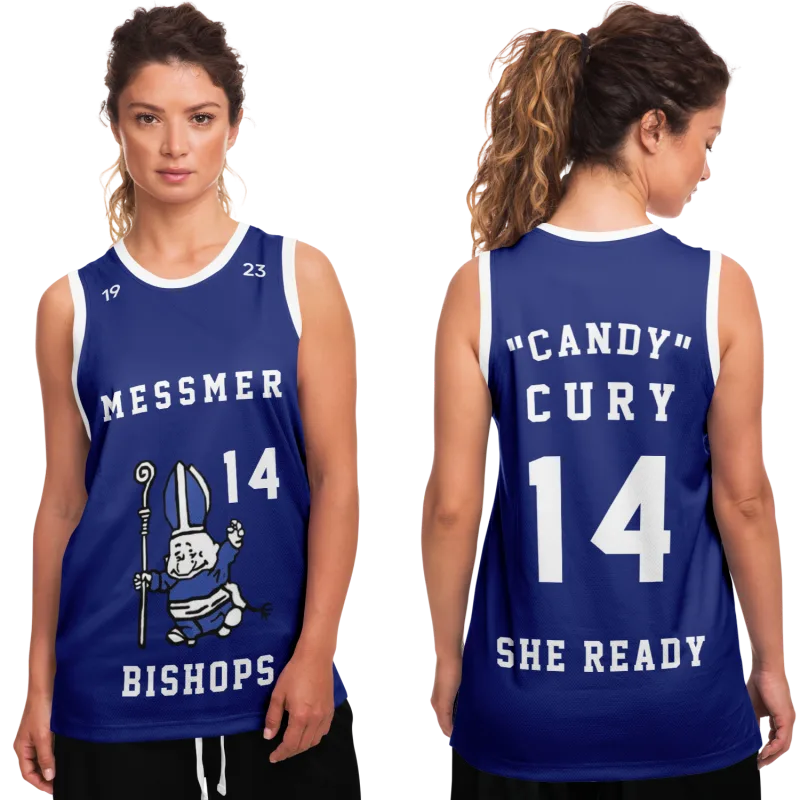
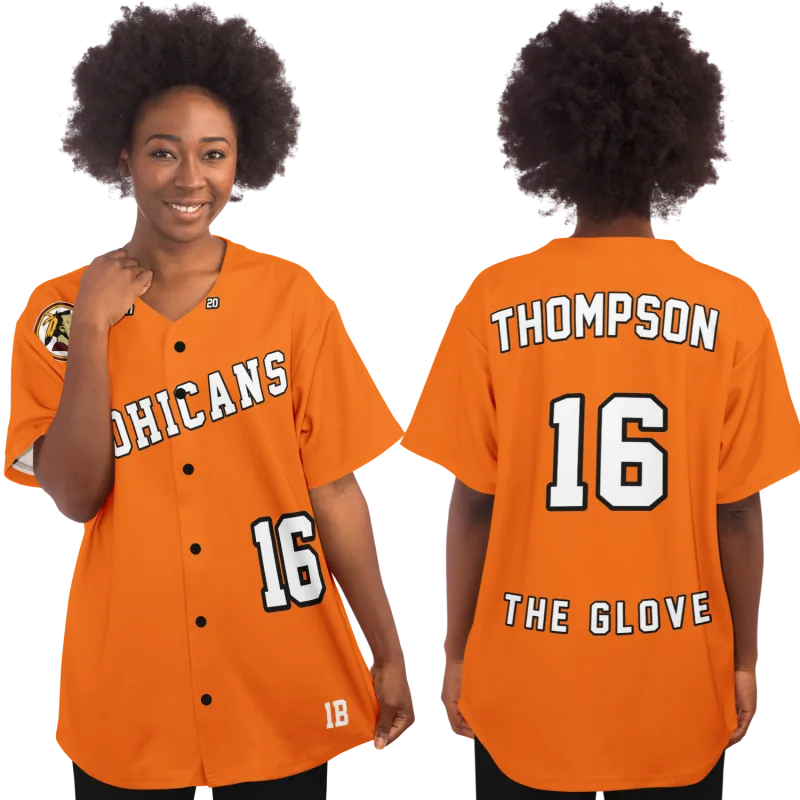
If you talk to former athletes across sports, the uniform detail comes up again and again: consistently underestimated by people who never played, consistently meaningful to people who did. It's not vanity. It's continuity. The number you wore in high school and the specific way your name looks stitched across the shoulders are not decorations. They're identity markers that predate your job title, your mortgage, your kid's name on the whiteboard at school pickup.
The rec league jersey, done right, carries all of that.
If You Played, You Know This Specific Thing About Losing
There is a brand of adult rec league player (you've met them, you might be one) who takes the game slightly more seriously than anyone else on the field and is quietly embarrassed about it.
They hustle to first base on a ground ball when everyone else has already started walking to the dugout. They replay the at-bat in the car on the way home. They have a specific opinion about the team's batting order that they've mostly kept to themselves. And when the team loses a close one on a walk-off in the last inning, there's a moment (brief, private, invisible to the non-athletes around them) where it genuinely stings.
If you played, you know this feeling is proportionate. You were trained to care about the outcome. You were selected for teams partly because you cared about the outcome. The emotional response to competitive loss is not immaturity in a former athlete — it's the preserved response of someone who was, for a significant chapter of their life, paid in playing time for taking it seriously.
The rec league doesn't change that wiring. It just gives it a reasonable, sustainable venue.
What changes, gradually, is the ratio. Somewhere around year three or four of adult league, most former athletes find that the sting of a loss gets shorter-lived, while the level of care stays exactly where it was. The other things the league provides simply start registering more clearly. The conversation in the dugout. The team dinner that runs until the restaurant starts stacking chairs. The way a particular teammate — who is, objectively, a limited player — absolutely came through in the moment that counted.
The competitive identity broadens rather than softens.
What the Game Still Teaches You
The most honest thing about adult recreational softball is what it continues to reveal about who you are, in ways that your professional life and social life don't always surface.
How you handle a bad call, and whether you've built the short memory that lets you shake it off. Whether you can lead by example when the team is down six in the fifth. Whether you're the person who encourages the weakest player on the roster or subtly avoids batting near them in the order. The field is still, for former athletes, a truth-telling environment. You can't fake physical courage. You can't curate your reaction to a strikeout the way you curate a LinkedIn presence.
This is part of why the game still feels like it matters. It's one of the few remaining places where the version of you that competed (that worked hard at something measurable, that operated inside a system with real rules and real accountability) still gets to show up and be tested.
The adult world is full of ambiguity. Rec league is not. That clarity is a resource, not a throwback.
A few things the game keeps teaching, regardless of the level:
- Adjustment is still a skill. The pitcher you faced last season retired. The new one has a completely different motion and you've got two pitches to figure it out. You adapt or you don't. That's true on Tuesday night and it's true everywhere else.
- Team chemistry is real and it's built, not assumed. The rec league team that wins is almost never the one with the most talent. It's the one that figured out how to play together. Former athletes recognize this immediately because they've lived it.
The Identity That Never Fully Retired
There's a specific way former athletes introduce themselves to new people. They lead with the present — the job, the city, maybe the kids. But at some point in the conversation, almost always, it comes out: I played.
Not past tense as eulogy. Past tense as foundation. I played the way someone says I grew up in this place — as an explanation of how they see things, what they value, what they notice that other people don't.
The adult softball former athlete who's still playing is expressing a present-tense identity in the only venue that fully understands it, not holding onto the past. The league sees what the rest of the week doesn't always bother to look for: someone who is still, at their core, an athlete. Someone for whom competition is not a phase that ended with eligibility, but a mode of being in the world that continues to produce meaning.
That's what rec league softball actually is, beneath the Thursday night scheduling and the disputed calls and the cooler of post-game drinks. It's a place where the athlete in you doesn't have to explain itself. It already belongs.
Your jersey is still out there waiting.
Design yours in minutes and see your name and number exactly the way you remember it.
Frequently Asked Questions
Is it normal to feel competitive in a casual rec league?
Completely normal — and more common than people admit. Former athletes are conditioned over years to respond to competitive environments with genuine investment. That response doesn't switch off because the competition level drops. If anything, the rec league setting makes it more visible because there's less social permission to take it seriously. What you're feeling is the preserved competitive identity expressing itself honestly.
How do rec league players keep their skills sharp without full-time training?
The most effective approach focuses on the specific mechanics that degrade without practice: rotational timing at the plate, footwork on fielding, and arm care for throwing. Even two or three short sessions per week (soft toss, fielding ground balls, or just loose throws to warm the arm) maintain the muscular memory that makes game performance feel consistent. Former athletes typically find the transition back to game-speed much smoother with even minimal maintenance work between games, which is what keeping your body in game shape looks like after high school.
Does playing adult recreational softball actually help with the transition out of competitive sport?
For many former athletes, yes — and there's a meaningful reason for that. The psychological adjustment to post-competitive life involves finding sustainable expressions for the identity and drive that sport built. Rec league softball provides a structured, measurably competitive outlet that fits inside an adult schedule without requiring the time and physical toll of higher-level competition. It allows the athlete identity to remain active rather than suppressed, which tends to produce better outcomes than trying to leave competition behind entirely.
What should former athletes look for in a rec league to make it worth their time?
The quality of the experience depends more on team culture than on the league's competitive tier. Former athletes tend to get the most out of leagues where the other players take the game seriously enough to prepare, show up consistently, and compete honestly, even if the overall skill level is recreational. A team that communicates well, holds each other accountable in a reasonable way, and enjoys the full experience (including post-game) tends to sustain engagement far longer than a higher-skill team with poor chemistry.
See also: adult recreational leagues built for former high school athletes | athletic identity that never quite let go after high school | the grief that comes with leaving competitive sports behind