

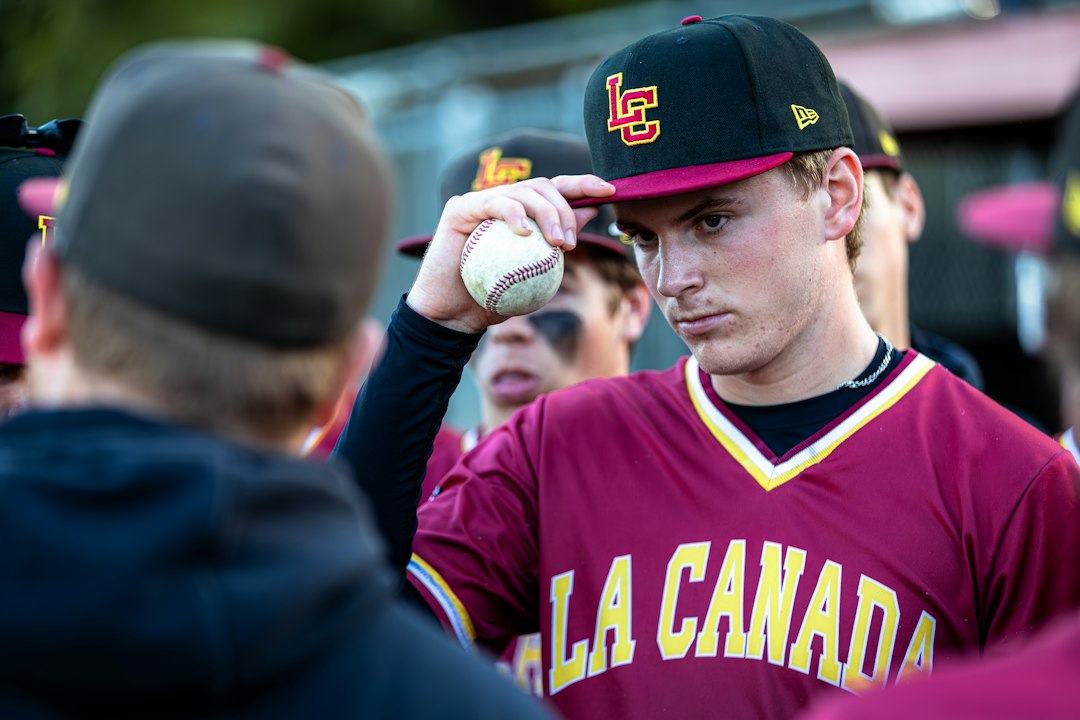
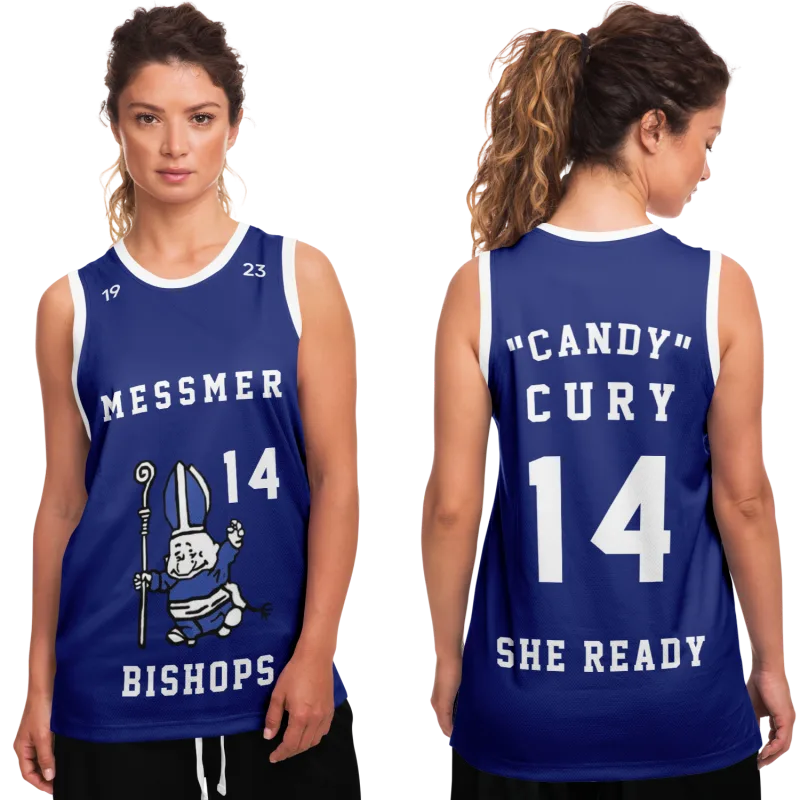
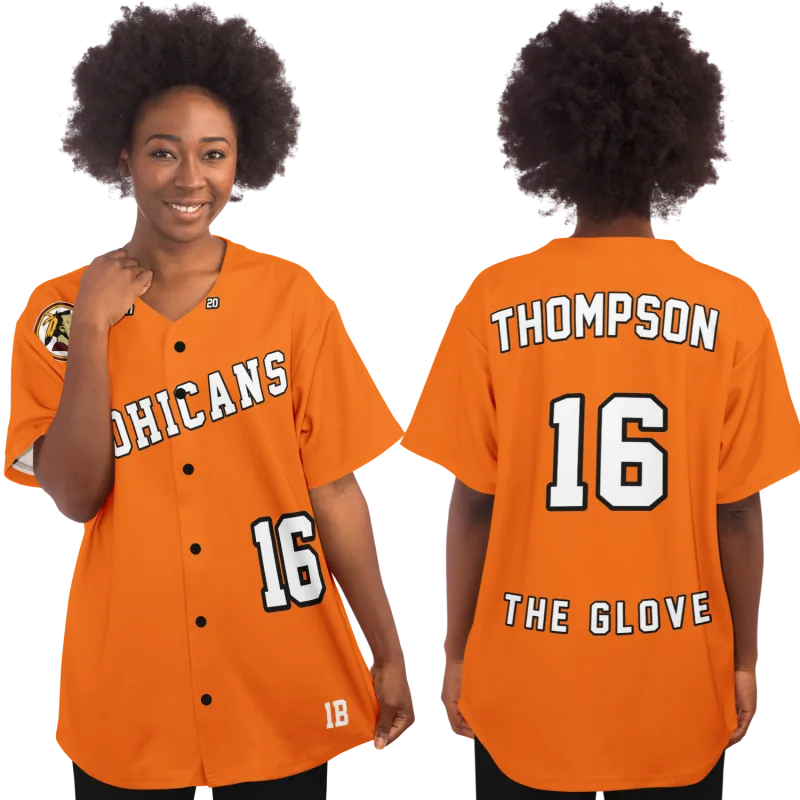
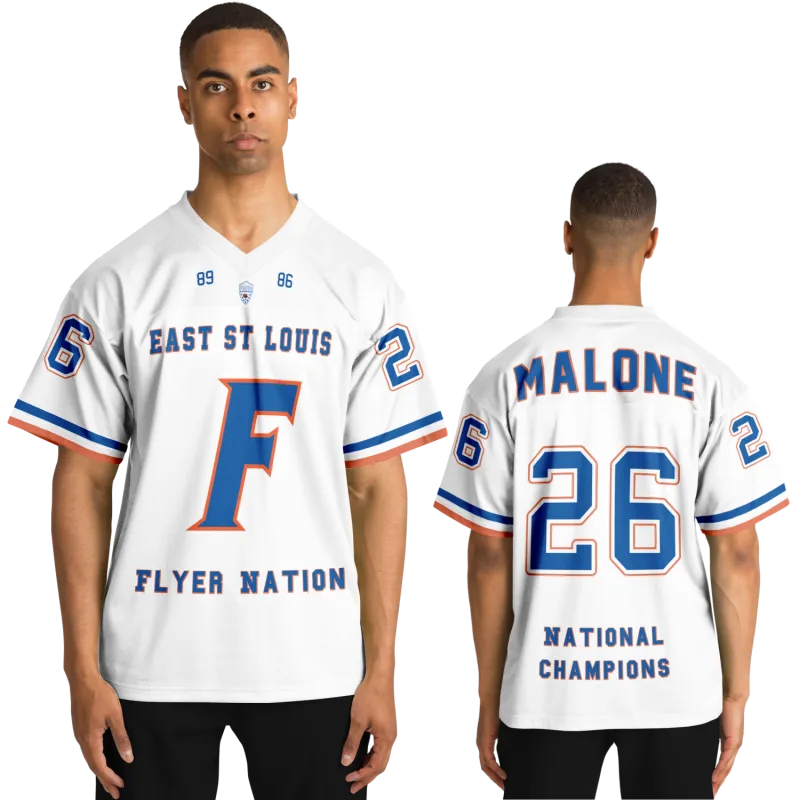
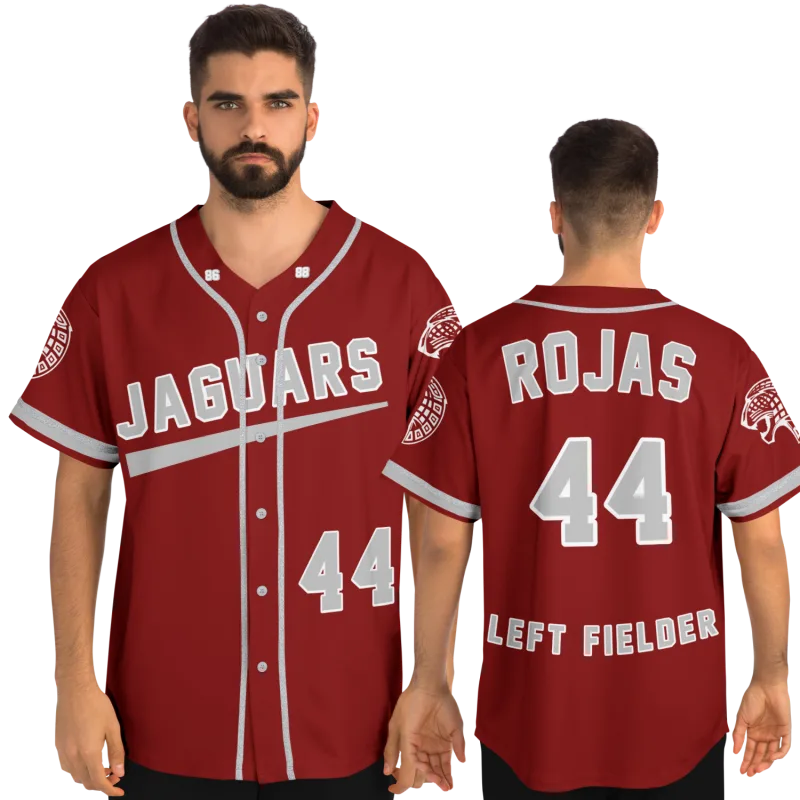
There was always one.
You probably already know who I'm talking about before I finish this sentence. The role of team mascot in high school sports was never printed in the program, never announced at the booster banquet, never etched into the trophy case. But every team had one — the kid who made the dugout feel like the only place on earth worth being.
They weren't always the best player. They weren't always the loudest. They had a gift for something no coach could teach and no practice could develop: they knew exactly when a teammate needed to laugh, and they always, somehow, had the line.
This is for them.
The Role Nobody Officially Assigned — But Every Team Needed
Ask any former high school baseball or softball player to close their eyes and picture their best season. Odds are good they're not picturing the box score. They're picturing something that happened in the dugout. A moment before a big at-bat. The bus ride home after a loss that stung. The silence that got broken at exactly the right time.
That silence-breaker had a role. It just didn't have a name.
The team mascot — and we're using that term loosely, affectionately, and with complete sincerity — was the emotional engine of the squad. Not the captain. Not the ace. The player who understood, at some intuitive level that most people never develop, that a team in its head is a team in trouble. And that the fastest route out of that mental spiral wasn't a pep talk.
It was something ridiculous.
In our experience writing about and collecting stories from former high school athletes, the mascot figure comes up again and again — not as an afterthought, but as a centerpiece. The stories people tell about their high school teams almost always include this person. The steal-of-home story. The comeback win. And then, almost in the same breath: "And this one kid on our team, you had to know him, he would just..."
That's the person this article is about.
What the Mascot Actually Did (Beyond the Obvious)
The easy version of this role is the team clown — the kid goofing off in the outfield during warmups, doing impressions of the opposing coach, keeping the dugout loose between innings. That's real, and it matters more than most people acknowledge. But the mascot role went deeper than entertainment.
The best ones were readers of the room. They understood — without being taught — that a team after a three-run inning needs a different energy than a team heading into extra innings of a tie game. They could feel the barometric pressure of a dugout and adjust accordingly.
Sometimes that meant a well-timed bit. Sometimes it meant a quiet word that only one teammate heard. Sometimes it meant doing something so completely unhinged during batting practice that everyone forgot they were nervous.
The technical term for what they were doing, though nobody called it this at the time, is emotional regulation. Research from sport psychology consistently identifies team cohesion — not individual talent — as one of the strongest predictors of team performance under pressure. A 2019 study published in the International Journal of Sports Science & Coaching found that perceived team cohesion strongly mediates the relationship between individual anxiety and overall team performance in competitive youth sports. The mascot, functionally, was the team's cohesion maintenance system. Walking around in cleats and a backwards batting helmet.
The Dugout as a Stage
Dugout entertainment is one of those things that sounds trivial until you've sat in a dugout during a long, bad game and felt what it's like when there's nothing there. Just silence. And scoreboard. And the particular specific misery of watching your pitcher lose the strike zone in front of a crowd that includes your parents and the girl from fourth period.
In those moments, the mascot earned their entire season.
It could be anything. A running bit about the way the third-base coach gave signs. A voice they did for every left-handed batter that walked to the plate. The ability to make the equipment bag do something it absolutely should not be doing. Whatever their instrument was, they played it with the precision of someone who had been practicing their whole life — because in a sense, they had been.
These are the things you don't forget. The specific details — the thing they said, the face they made, the physical comedy bit that worked every single time — lodge in the memory right alongside the at-bats and the line drives and the final outs.
Marisa T., 27, played centerfield for a competitive 4A softball program in central Texas and says her team's emotional center wasn't a starter at all. "Our catcher was always in the lineup, but our actual mascot was a utility player who got maybe forty at-bats all season," she recalls. "She could do every coach's walk. Every single one. And she'd just start doing it — no warning — walking back from the water cooler. And that was it. Everyone was fine again."
That's it. That's the whole story. That's everything.
The Timing That Made the Difference
What separates a genuinely great team mascot from someone who's just goofing off is timing. The mascot understood — again, intuitively — that there's a window. Too soon after something goes wrong and it reads as dismissive. Too late and the dugout has already calcified into its bad mood. The window was specific and brief, and the best mascots hit it almost every time.
This is a social intelligence skill that takes most adults years to develop in professional settings. These kids had it at sixteen. And they almost never got credit for it.
The Mascot's Relationship With the Team — Different From Everyone Else's
There's an interesting social dynamic that runs through almost every team mascot story: they were universally liked in a way that stars and captains often weren't. Not because the stars or captains weren't good people, but because the mascot occupied a different political space.
The team's best players carried the weight of expectation. The captains carried the weight of leadership. The mascot, by contrast, was free. They weren't being watched for their numbers. They weren't being evaluated for their decision-making on the field. They just... existed in the team's ecosystem in a way that made the ecosystem healthier.
This freedom let them move across social lines that could be surprisingly rigid on a high school team. The varsity veterans and the nervous freshmen. The loud group and the quiet group. The players whose parents were in the stands every game and the players whose parents never came. The mascot cut across all of it, because humor is a universal solvent.
The best ones made sure everybody felt part of the thing. Not by giving speeches. Just by making sure that even the kid at the end of the bench had something to laugh at when the team needed it.
Keeping Team Morale High Was a Full-Time Unpaid Job
Keeping team morale high across a full high school season is not a small ask. The schedule is long. The losses accumulate. There are weeks where practice feels like obligation rather than love. There are games where the difference between the two teams is obvious from the second inning and everyone knows it.
Through all of that, the mascot showed up and did the same thing. Not because they were required to. Not because anyone was grading them on it. Because that's who they were.
There's something quietly noble about that, when you look at it clearly. These were teenagers — people who are statistically operating at peak self-consciousness — who chose, instinctively, to prioritize the group's emotional state over their own comfort. Who were willing to be the one who tried something when they weren't sure it would land.
That's courage of a specific and underrated kind.
What Happened When You Didn't Have One
Ask a former player what it was like to be on a team without a mascot and watch their face change. Not because every teamless-mascot team lost. Some of them were very good. But there was something missing. A certain specific warmth. The feeling that the dugout was a place where you wanted to be, as opposed to a place you were required to be.
Teams without this energy tend to describe their high school experience differently. More transactional. The games existed. The season happened. It wasn't bad. But when you ask them what they remember, there's a shorter list, and a longer pause before they get to it.
The mascot made the experience something you actually remember. And twenty years later, when you're trying to put into words what it was about that team, about that season, about that particular group of people — they're always part of the answer.
Where Are They Now?
Here's something that comes up in almost every conversation about former high school team mascots: the trait didn't go away.
The kid who kept the dugout alive is, somewhere right now, the person at their company who defuses the tense meeting. The one who says the thing in the group text that everybody needed to hear. The parent in the bleachers who gets all the other parents laughing despite the score. They found adult contexts for the same gift and they're still using it.
It turns out that reading a room, timing a moment, and caring enough about a group to do something about its collective emotional state is a skill with a very long shelf life.
The dugout just happened to be where they discovered it.
Your jersey is still out there waiting.
Design yours in minutes and see your name and number exactly the way you remember it.
Frequently Asked Questions
What exactly was the "role of team mascot" in high school sports — was it an official position?
No official position, title, or assignment. The role of team mascot in high school sports was entirely organic — it emerged from a player's personality and was recognized by the team through social dynamics rather than any formal designation. Coaches occasionally acknowledged it, but the role existed regardless of whether anyone named it. Some teams had a player everyone called "the glue." Some just had "that one kid." Different name, same role.
Is there a difference between the team clown and the team mascot?
In casual use, they often mean the same thing. But the distinction worth drawing is this: the team clown was funny. The team mascot was strategically funny — they understood when to deploy it, who needed it most, and when to dial it back. The clown's job was entertainment. The mascot's job was the team's emotional health, with humor as the primary tool. Many people filled both roles simultaneously. But the genuine team mascot was always aware of something beyond just getting the laugh.
Did the mascot role ever conflict with actual team performance — like, was it a distraction?
Rarely, based on the stories we hear. The most effective team mascots were also serious competitors who understood the line between keeping things loose and losing focus. The humor was deployed during downtime — between innings, during warmups, on the bus — not during the play itself. If anything, players and coaches consistently describe the mascot effect as a net positive for performance, because a relaxed team executes better under pressure than a tight one. The dugout entertainment didn't distract from the game. It kept players ready for it.
How do you honor someone who filled this role if you're putting a team together or doing a reunion?
The most meaningful thing is simply naming it. A lot of these players went their entire high school careers without anyone acknowledging in specific terms what they contributed. At a reunion, a team dinner, or even in a group text, saying "you were the person who kept us together" — specifically, directly, to the person — lands differently than they expect. It turns out that the person who spent years making sure everyone else was okay often doesn't know that everyone noticed. Tell them you noticed.
See also: what high school sports actually teach you about yourself | how athletic identity shapes who you become long after graduation | why those dugout memories still feel so vivid decades later | the shared experiences that bonded every athlete on that bus ride home