

For any adult softball former athlete, the moment of return is almost impossible to prepare for, and impossible to forget once it happens. You're standing in the box, or crouching at short, or taking a throw at first, and something in your body simply takes over. The hands find the grip. The feet find their position. The eyes lock onto the arc of the ball the way they always did. You haven't done any of this in years — maybe two decades — and yet your body performs it with a fluency that feels less like memory and more like identity.
This is about that moment. And everything it means about who you still are.
The Body Remembers What the Mind Has Filed Away
What happens when a former athlete steps back onto the diamond isn't adequately described by the word "recall." Recall suggests effort: the deliberate retrieval of something stored. What former athletes report is closer to the opposite. The swing doesn't come back. It was never gone. It was simply waiting for the right context to re-express itself.
The formal term is procedural memory — the neural encoding of motor skills through thousands of accumulated repetitions, laid down across years of practice and competition. Unlike episodic memory, which blurs and reconstructs itself over time, procedural memory is remarkably stable. Research published in Current Biology has demonstrated that motor skills can persist essentially intact for decades after the last practice repetition, the nervous system holding onto what the conscious mind has long stopped thinking about.
But the science undersells the experience, as science often does with things that matter most.
Because what former athletes describe isn't simply "I remembered how to swing." It's closer to: I remembered who I was when I swung. The physical recall is real, but it arrives alongside something larger — a reactivation of the whole athletic self. The focus that narrows to a single point. The competitive instinct that had been running quietly in the background of adult life. The specific, alert awareness of someone who knows how to read a fielder's depth, track a ball off the bat, feel the difference between a hit you've squared up and one you haven't before it even leaves the infield.

That person never left. They just went quiet.
What the Diamond Holds That Years Can't Dissolve
Every former athlete remembers the sensory specifics of their playing days with a clarity that outperforms almost every other category of memory. The exact weight of a bat that fit your hands perfectly. The particular smell of a glove broken in through two full seasons. The sound red clay makes under a cleat when you plant hard on a base path turn. The way late-afternoon light goes horizontal across an outfield and turns everything gold and slightly unreal.
These details don't soften the way other memories do. Ask any former player (at any level, from serious travel ball through collegiate competition) to describe their first meaningful game or their best season, and they'll do it with a resolution that beats most of their other autobiographical memory. The diamond is a sensory archive. It stores things precisely.
If you played, you know this without needing it explained. You know it in your shoulders when someone throws a ball to you across a parking lot and your arm just handles it. You know it in the way a competitive situation — even a Tuesday night rec league game with nothing officially at stake — drops a familiar quiet over you. The competitive instinct doesn't require high stakes to activate. It just requires a diamond.
The most consistent thing former athletes say about returning to the field isn't about their performance. It's about the recognition. I forgot I was still this person.
From Baseball to Softball: The Homecoming That Surprises Everyone
There's a specific version of this return experience that millions of adult athletes share: the baseball-to-softball transition. You played baseball (maybe through high school, maybe into a college career, maybe through a serious youth travel circuit) and at some point the diamond stopped being part of the regular structure of your life. Then adult softball appeared the way it tends to appear in adult life: through a coworker organizing a company tournament, a group of friends looking for something to do on weekends, a charity event that needed warm bodies.
You said yes, probably with some version of a mental disclaimer. I haven't played in years. I'm just doing this for fun. Don't expect much.
Then you stepped onto the field.
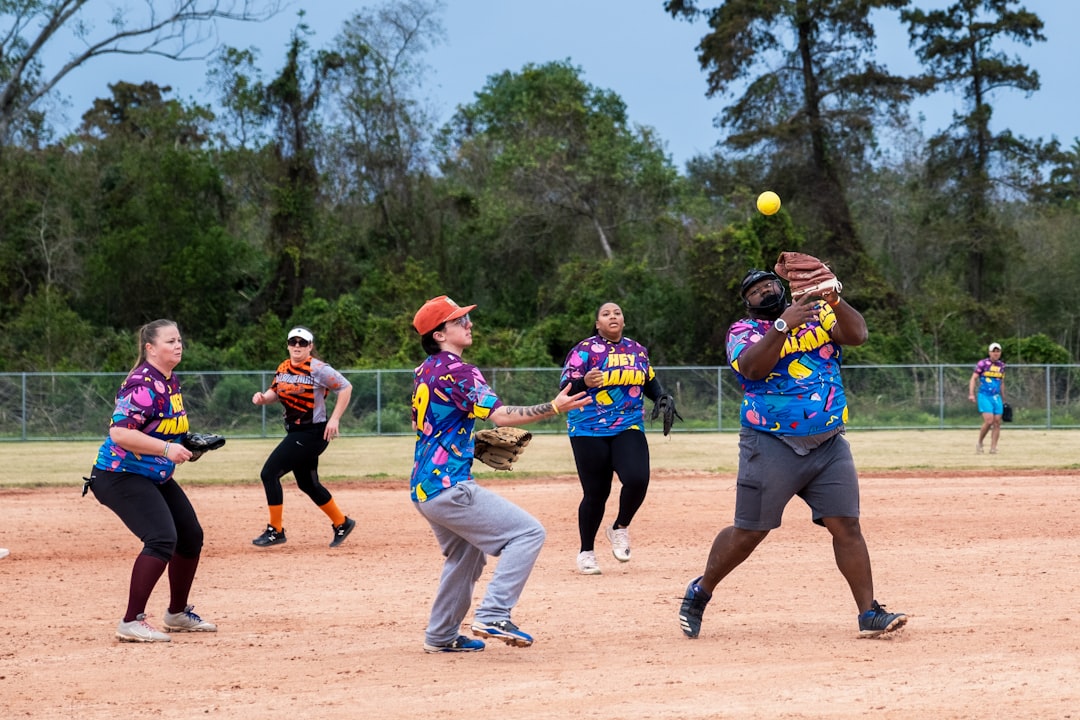
The structural differences between baseball and softball are technically real. The ball is larger. Slow-pitch arcs differently than anything you faced in the batter's box at seventeen. The infield plays at adjusted distances in some formats. But for former baseball players, none of this registers as difficulty. What registers is its opposite — the uncanny familiarity of being back inside a physical context your body already knows how to inhabit. The angles shift slightly. The timing recalibrates. The core athlete (the one who knows how to read a play developing in the field, set feet under a throw, track a ball in the gap) needs no retraining at all.
Marcus T., 41, played through his junior year of college baseball before a shoulder surgery ended his competitive career. He didn't pick up a bat again for fourteen years. At his first company softball tournament, he fouled off the first pitch — and hit the second one into the left-center gap. "My shoulder let me know about it the next morning," he said. "But my hands? They knew immediately. Same hands I had at twenty-two. Just packaged a little differently."
That is the baseball-to-softball transition in its truest form. Not a learning curve. A homecoming.
The Identity That Playing Built — and Adult Life Didn't Dismantle
Here's what gets lost in the way we frame adult recreational sports: we call them leisure. Something you do to stay active, decompress, maintain some thread of competitive feeling without the weight of the serious years. All of that is accurate description. None of it reaches what's actually happening when a former athlete walks back onto a field.
What's actually happening is an identity activation.
Athletes who played seriously (regardless of level, regardless of how long ago) carry their athletic identity forward into every stage of life that follows. It shapes how they operate under pressure. How they read group dynamics. How they respond to feedback, to failure, to the specific challenge of performing when something is genuinely at stake. These aren't soft residual feelings. They are functional characteristics of the person that the sport built. The training, the competition, the accumulation of failure and adjustment and growth — all of it constructed something. That something doesn't dissolve when the playing stops.
The softball diamond gives that something somewhere to go.
Out in the rest of adult life, the former athlete is a colleague, a partner, a parent, a professional: roles defined by context and responsibility. On the diamond, even a rec league diamond, they are also themselves in a more complete and less complicated way. The role is clear. The skills are concrete. The effort produces an immediate, legible result. That clarity is genuinely rare in adult life, and former athletes recognize it instantly when it returns.
Four things the former athlete carries back to the diamond that they didn't know they'd kept:
- Situational intelligence — the automatic read of where the ball is going and where the body needs to be before the play resolves
- Competitive composure — the ability to slow down under pressure, to not flinch in the moment that has some weight to it
- Team instinct — the immediate, largely wordless adjustment to playing alongside other people toward a shared objective
- Body knowledge — the deep procedural fluency of someone who spent years learning to use their physical self in this specific context
None of these require a recent practice session. The diamond just gives them a place to surface.
What You Bring Back That You Didn't Know You Kept
The things former athletes say they missed most about their playing days fall into two categories. The first is obvious: the specific joy of competition, the physical expression of skills built over years, the particular cohesion of a team that shares a goal and a common language for pursuing it.
The second category is less expected, and it surprises people when they name it out loud: structure. The clarity of a defined role. The unambiguous feedback of performance. The clean standard of what excellent looks like in a given situation. Adult life has structure, certainly, but it rarely has the specific, immediate, legible structure of athletic competition, where the outcome is concrete and the effort required to produce it is known in the body.
Former athletes who return to recreational softball often describe something close to relief at stepping back into that clarity. Not the pressure of it (the stakes are different now, and that's genuinely fine) but the directness of it. This is what you're doing. This is how you're doing it. The game gives you everything you need to know. Go.
That kind of clarity doesn't show up often in adult life. The diamond still offers it, all these years later, on a Tuesday night in a public park with a borrowed catcher and mismatched uniforms and everything.
The Skills Come Back in a Day. The Body Takes Its Time.
There is a catch hidden inside this homecoming, and it is worth naming before you pull a hamstring in the second inning. The same procedural memory that makes your swing feel effortless — that puts the hands on the grip before your mind has decided to move — is the thing that lies to you about the body those hands are attached to. Your swing remembers being twenty-two. Your hamstrings, your lower back, your throwing shoulder have been keeping count of every one of those twenty years, and they never got the memo that you are back.
The first practice is a strange and beautiful kind of trap. The skills return inside the first ten minutes, exactly the way the rest of this piece has promised you they would. The conditioning does not. It comes back over weeks, and it will not be hurried. So ease in gradually. Do not open at the intensity your twenty-two-year-old self played at, because that version of you could skip the warm-up and still bounce out of bed the next morning. You, now, cannot skip it — and you should not try.
Build from simple drills before full-speed reps. Throw at half distance before you let one go from deep in the gap. Take soft toss before you start turning on live pitching. Give the body the warm-up it used to skip, and give it more than you think you need. Then expect the first-week soreness to be specific and loud: the hamstring that announces itself, the shoulder that files a formal complaint. None of that is failure. It is the price of a memory that outlasted the machine carrying it, and it is worth every bit of it.
The Jersey You Wore and the One You'll Wear Again
There's one more thing the diamond holds, and it's physical and specific: the uniform.
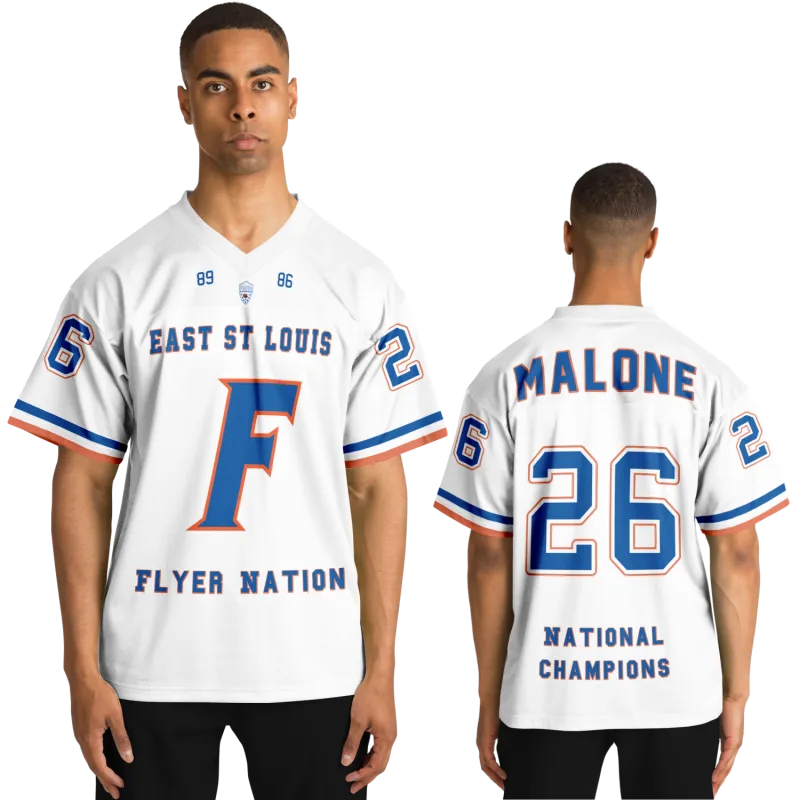
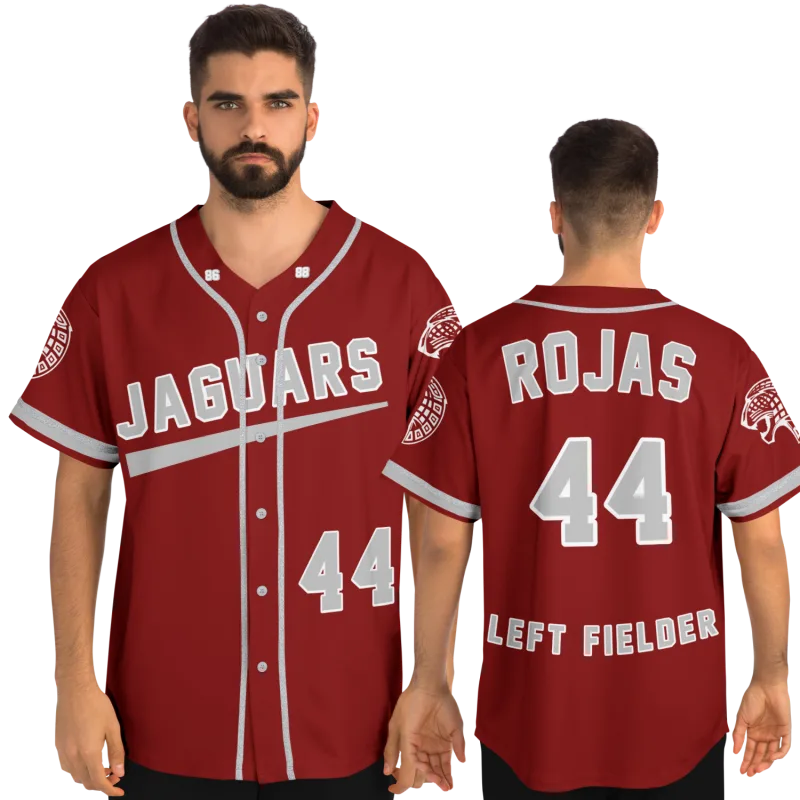
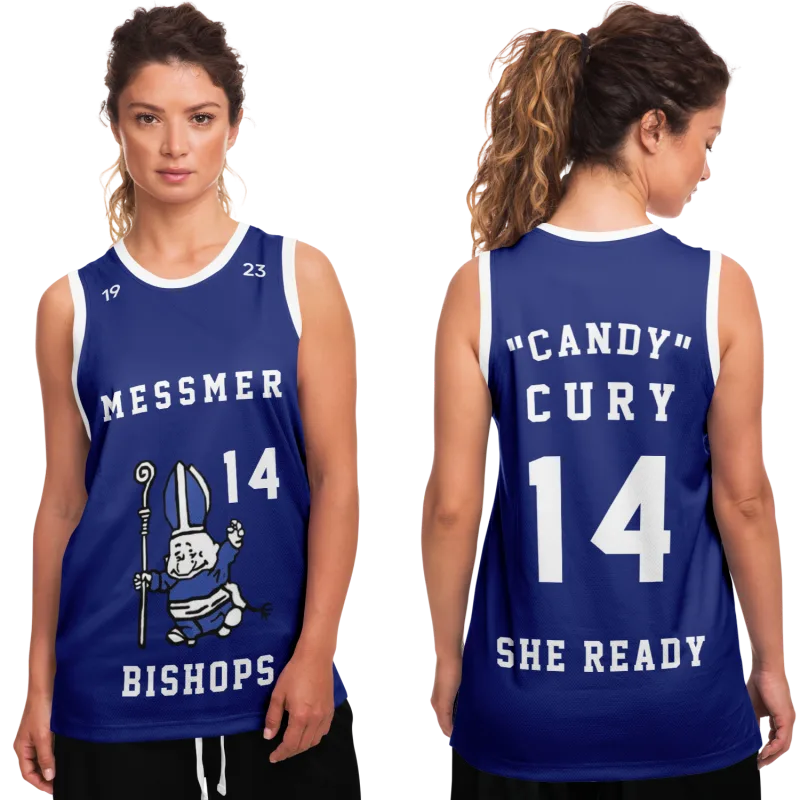
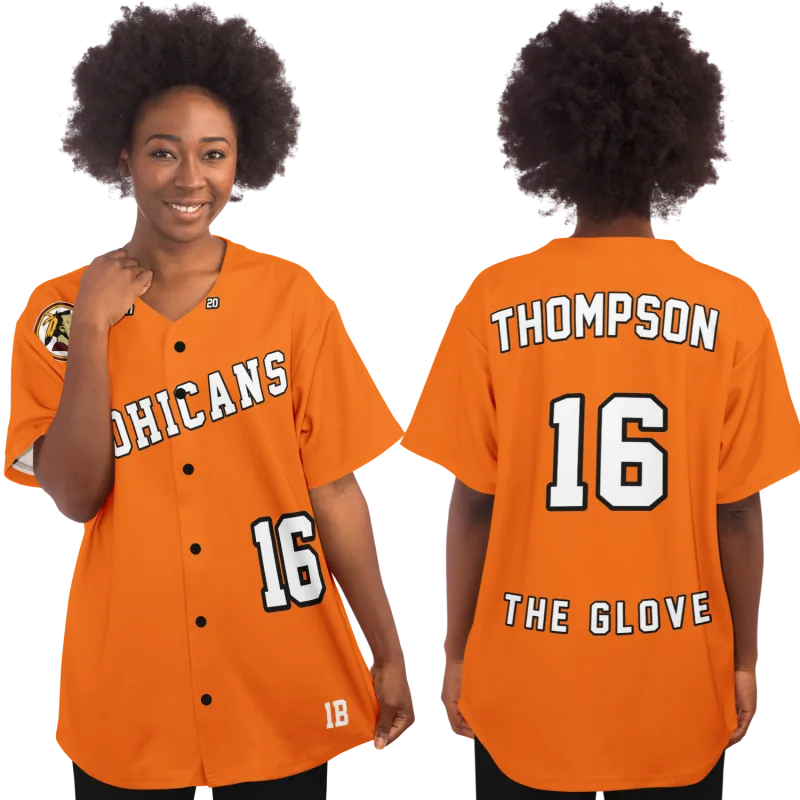
Every athlete who played has a memory attached to a jersey: the first time pulling it on, or the last, or the specific game where it meant something more than what was printed on it. The number on the back. The name across the shoulders. The colors that meant this team, this year, this version of who I was.
When former athletes return to the diamond through adult leagues, the question of the jersey surfaces quickly. And for people who played, that question carries real weight. A jersey isn't clothing. It's a declaration. It says: I'm in. This is real. I'm not just showing up — I'm here.
The right jersey, with your name on the back and your number in the right font, doesn't just equip you for the game. It closes a loop that's been open since the last time you wore one. It's the physical signal, to yourself as much as anyone watching, that the athlete who played is still in there. Still showing up. Still taking it seriously, even when the stakes are light and the stands are empty and the only scoreboard is the one on someone's phone.
Your jersey is still out there waiting.
Design yours in minutes and see your name and number exactly the way you remember it.
Frequently Asked Questions
Is it realistic to return to competitive softball after not playing for many years?
More realistic than most former athletes expect. Skills that were genuinely internalized through years of play — swing mechanics, footwork, fielding instincts, reading the ball off the bat — are encoded in procedural memory that remains durable across decades. Most former athletes who return to adult recreational softball are surprised by how quickly physical fluency returns, even when conditioning and range have changed. The first few sessions involve adjustment. The fundamentals are typically still there, waiting.
How different is adult softball from the baseball most former players grew up with?
The structural differences are real but adapt quickly for former baseball players. The ball is larger, slow-pitch creates a different timing challenge at the plate, and infield distances shift in some formats. The underlying athletic demands — tracking a ball, reading the field, throwing accurately under game conditions, running the bases with awareness — are essentially identical. Most former baseball players report that the sport-specific adjustments feel minor compared to the immediate familiarity of being back in a competitive diamond environment.
What should a former athlete expect emotionally when returning to the diamond after a long absence?
The most commonly reported experience is a kind of pleasant disorientation — the feeling of being back inside a context the body knows completely, combined with awareness of how much time has passed. Many former athletes describe reconnecting with a version of themselves they hadn't actively thought about in years, but who turns out to have been fully intact all along. Going in with realistic physical expectations and open emotional ones serves most people well. The competitive focus, the specific joy of performing a skill correctly, the team instinct — those tend to return faster and more fully than most people anticipate.
Does wearing a personalized jersey for adult league play actually matter?
For former athletes, consistently yes — though the reason is harder to articulate to someone who didn't play. A jersey with your name and number is a physical signal, primarily to yourself, that this is real. That you're not attending an outing or filling a roster spot. You're competing. The uniform has always been part of the ritual of taking the field seriously, and adult softball is no different. The athletes who show up in their own gear — their actual gear — bring something to the game that borrowed t-shirts don't support. Anyone who played understands why without needing it explained further.
See also: adult recreational leagues built for people exactly like you | the athletic identity you never fully left behind | how to start training again after years away from your sport | why those senior season memories are still so sharp